Sequencing Skills Reading Comprehension Worksheets for Ages 3-6
7 filtered results
-
From - To
Enhance your child's learning with our Sequencing Skills Reading Comprehension Worksheets, designed specifically for ages 3-6. These engaging and educational activities help young learners grasp the concept of sequencing while improving their reading comprehension. Each worksheet invites children to arrange events, stories, and pictures in the correct order, fostering critical thinking and boosting comprehension skills. Perfectly tailored for preschool and early elementary students, these resources support developmental milestones in literacy and cognitive development. Help your child succeed with our expertly crafted sequencing worksheets—where fun meets foundational learning.
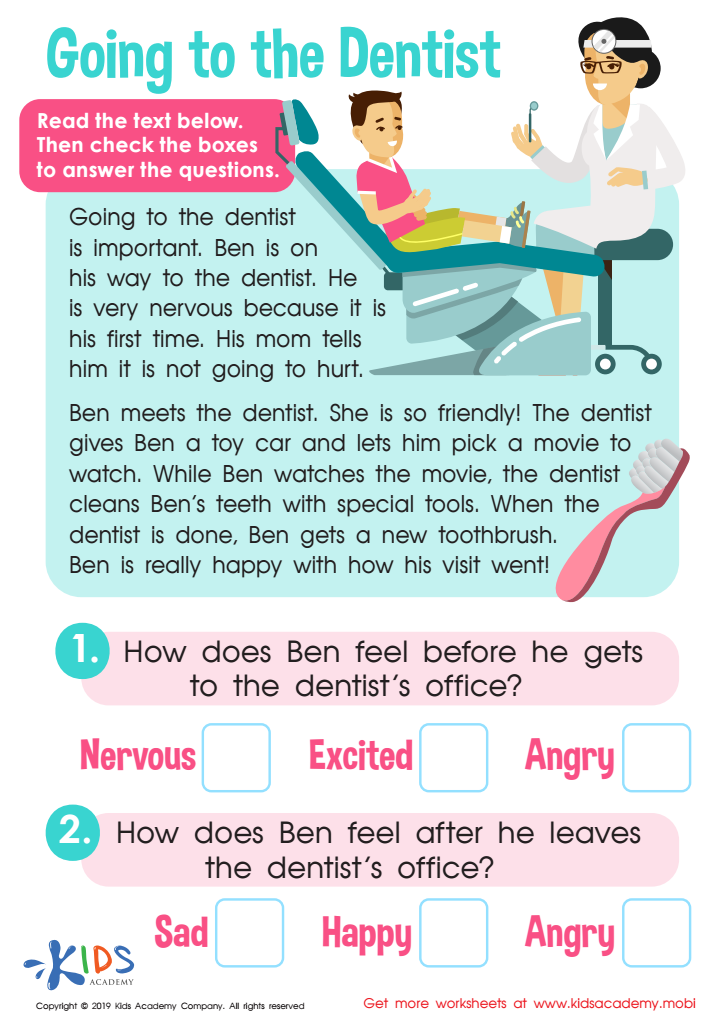
Going to the Dentist Worksheet
 Assign to My Students
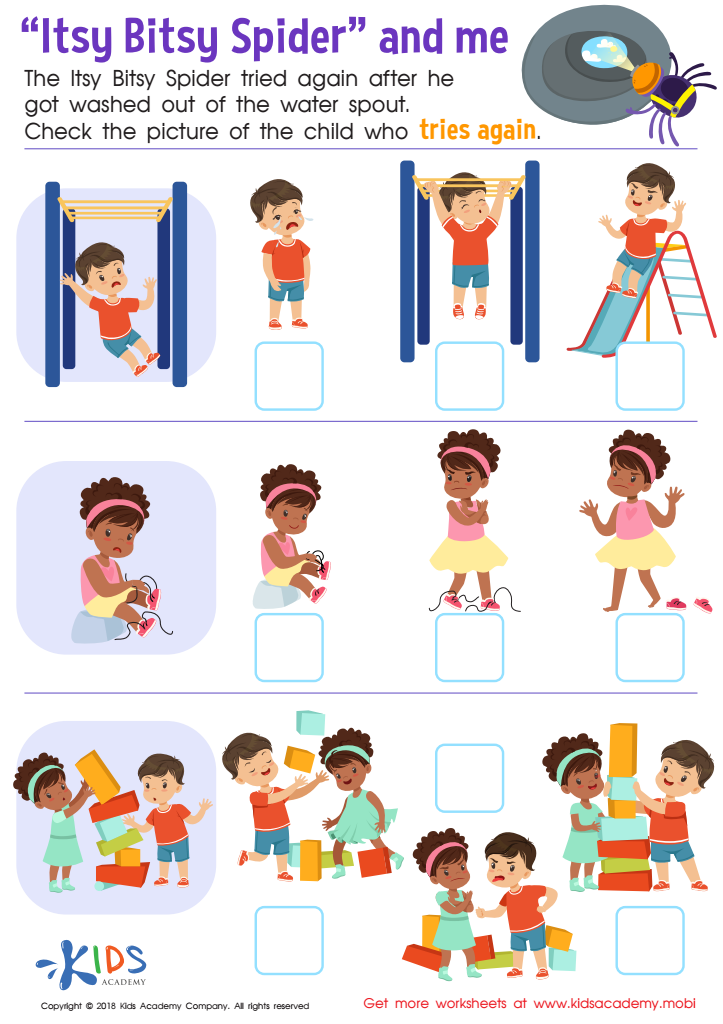
Itsy Bitsy Spider and Me Worksheet
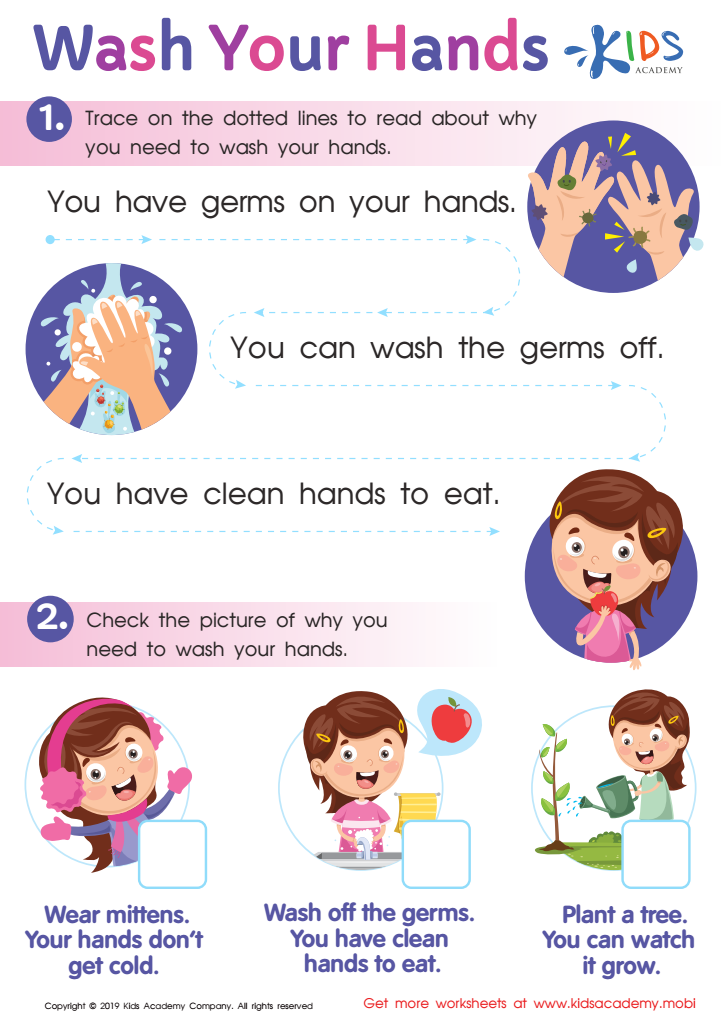
Wash Your Hands Worksheet
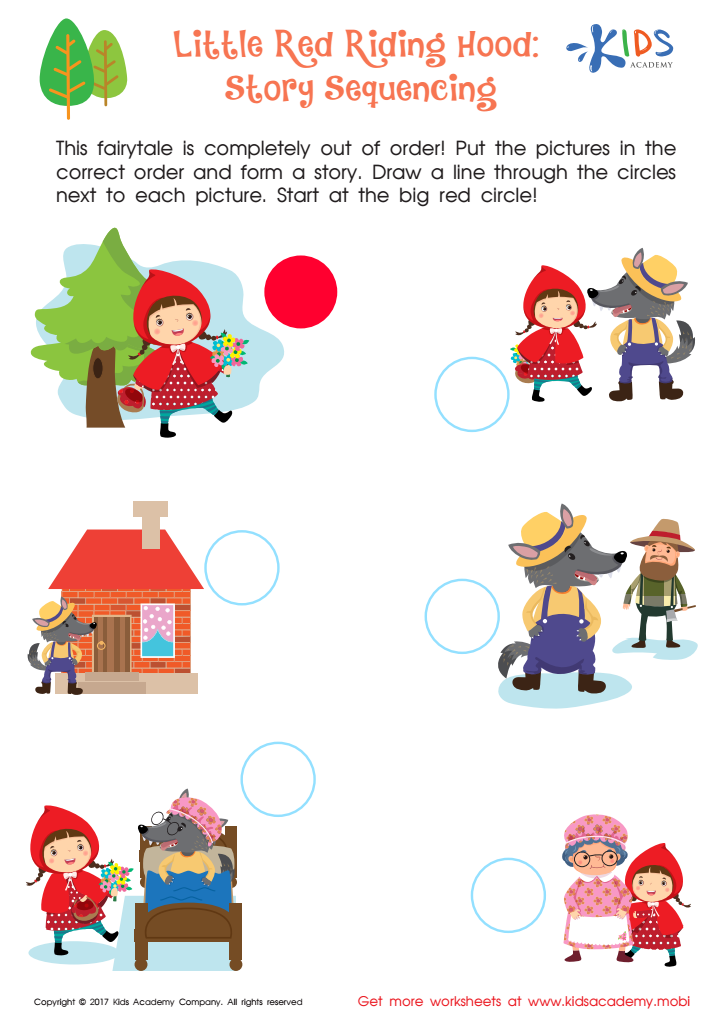
Story Sequencing Printable
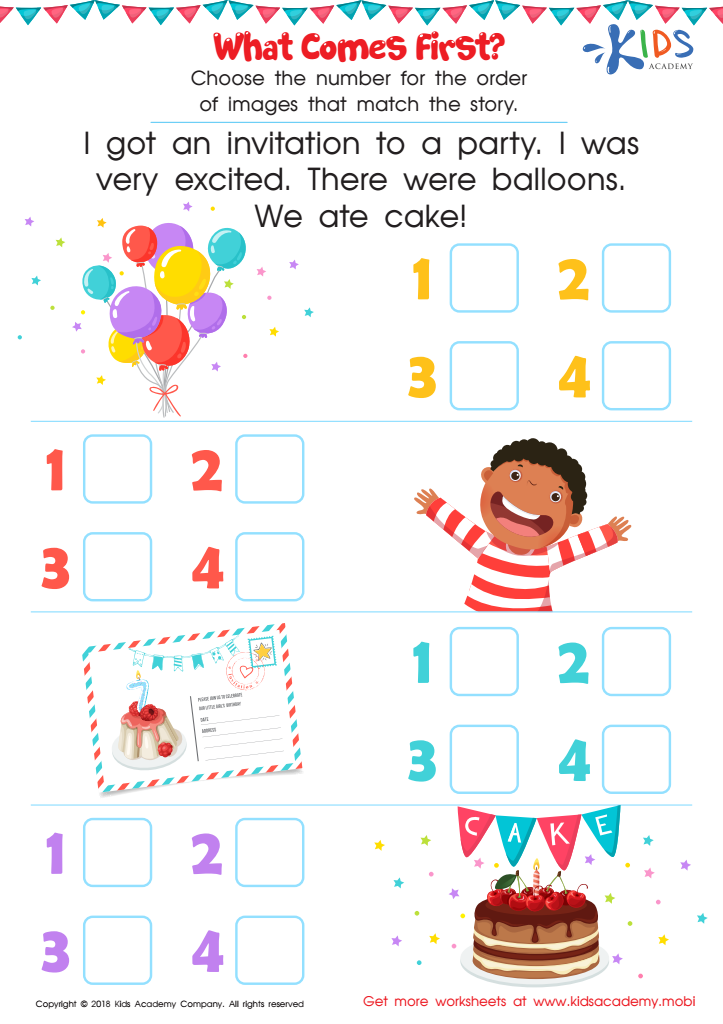
What Comes First Worksheet
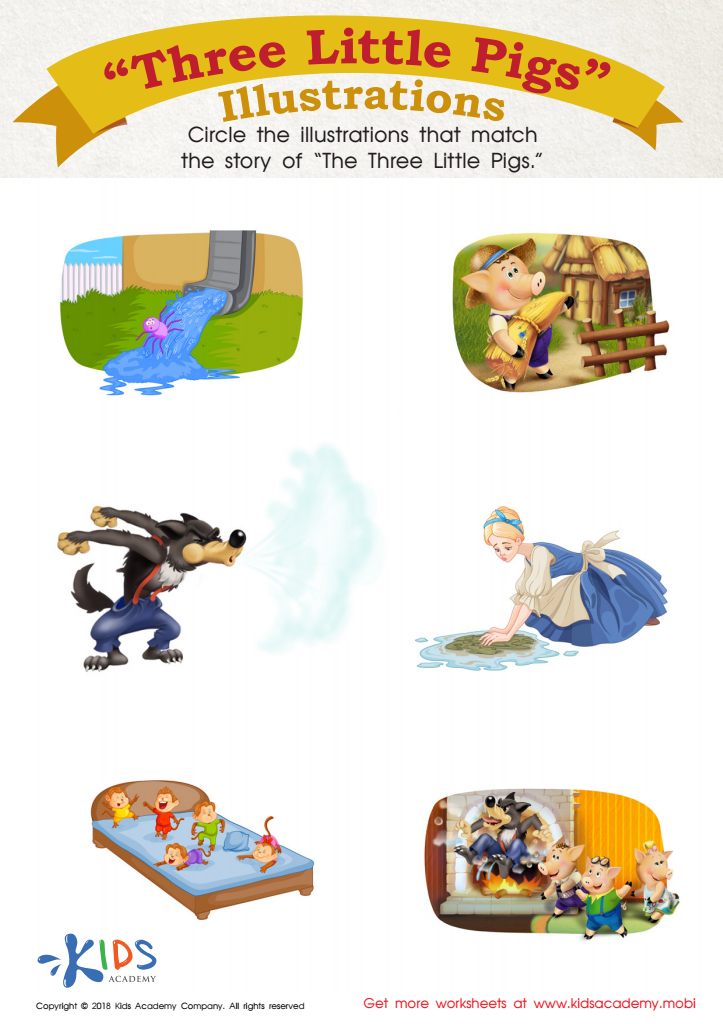
Three Little Pigs: Illustrations Worksheet
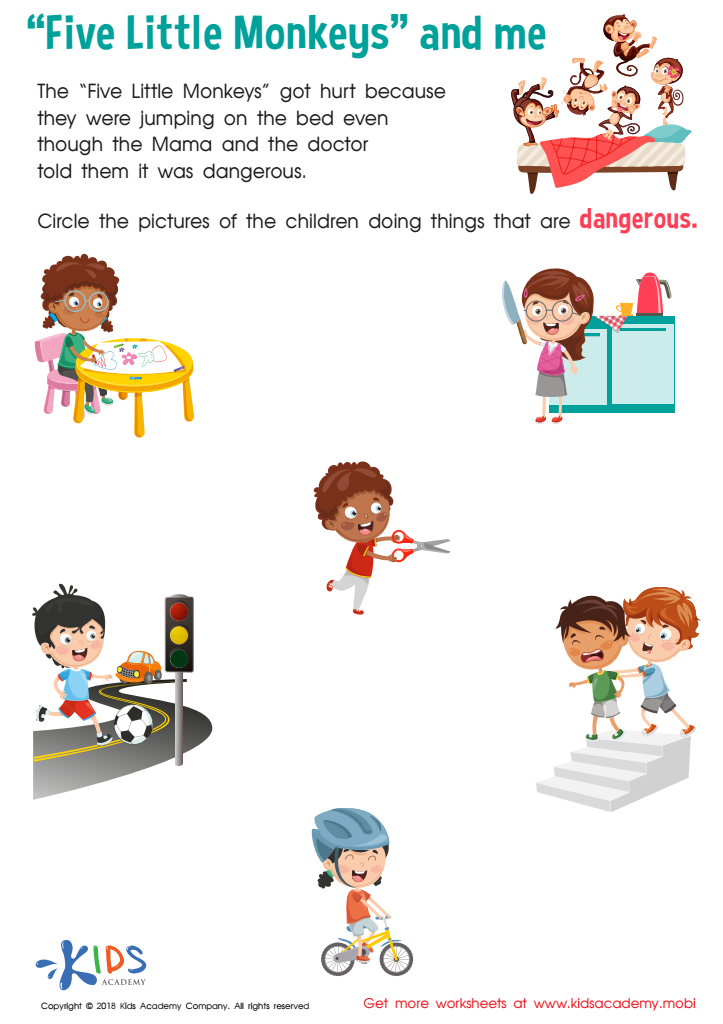
Five Little Monkeys and Me Worksheet








Sequencing skills are a critical foundational element in early childhood education, especially when it comes to reading comprehension for ages 3-6. These skills involve the ability to understand and arrange events, actions, or steps in a particular order, which in turn plays a crucial role in comprehending both simple and complex narratives.
Firstly, sequencing aids in developing logical thinking. When children learn to identify the beginning, middle, and end of a story, they are better able to grasp cause-and-effect relationships and predict what might happen next. This logical progression facilitates deeper understanding and memory retention.
Moreover, strong sequencing skills improve language development. When children recount a story or an experience in the correct order, they utilize descriptive and temporal vocabulary, enhancing their expressive language skills.
Teachers and parents should also care because these skills are building blocks for future academic success. Early mastery of sequencing forms the basis for writing coherent stories, solving math word problems, and understanding scientific processes later on.
Lastly, sequencing is intrinsically tied to children’s social development. By making sense of daily routines and events, young learners gain confidence and independence, setting them on a path toward becoming successful, analytical thinkers. Thus, fostering sequencing skills at this age lays a robust groundwork for lifelong learning.








