Critical Thinking Reading Fiction Worksheets for Ages 3-6
34 filtered results
-
From - To
Enhance your child's reading experience with our "Critical Thinking Reading Fiction Worksheets" for ages 3-6. Designed to spark imagination and develop essential comprehension skills, these engaging worksheets encourage young learners to think deeply about stories. Through playful activities, children will analyze characters, predict outcomes, and explore themes, laying the foundation for strong analytical skills. Our worksheets promote critical thinking while making reading a fun and interactive journey. Perfect for parents and educators seeking to enrich literacy programs, these resources not only foster a love for reading but also equip little minds with the tools they need to engage with narratives thoughtfully. Explore today!
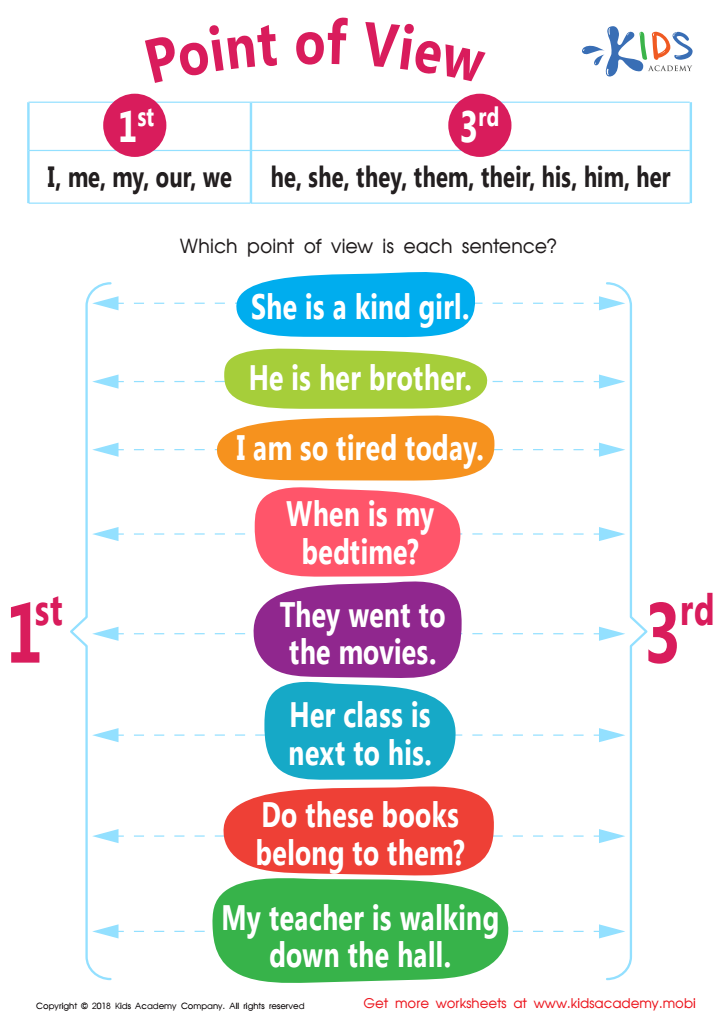
Point of View Worksheet
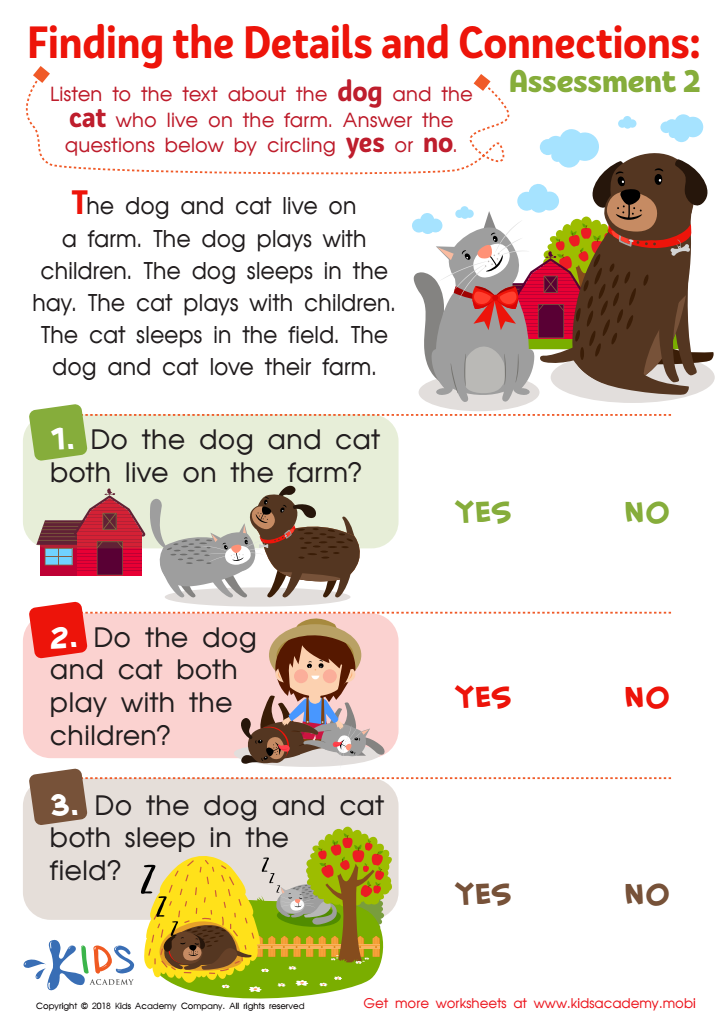
Finding the Details and Connections: Assessment 2 Worksheet
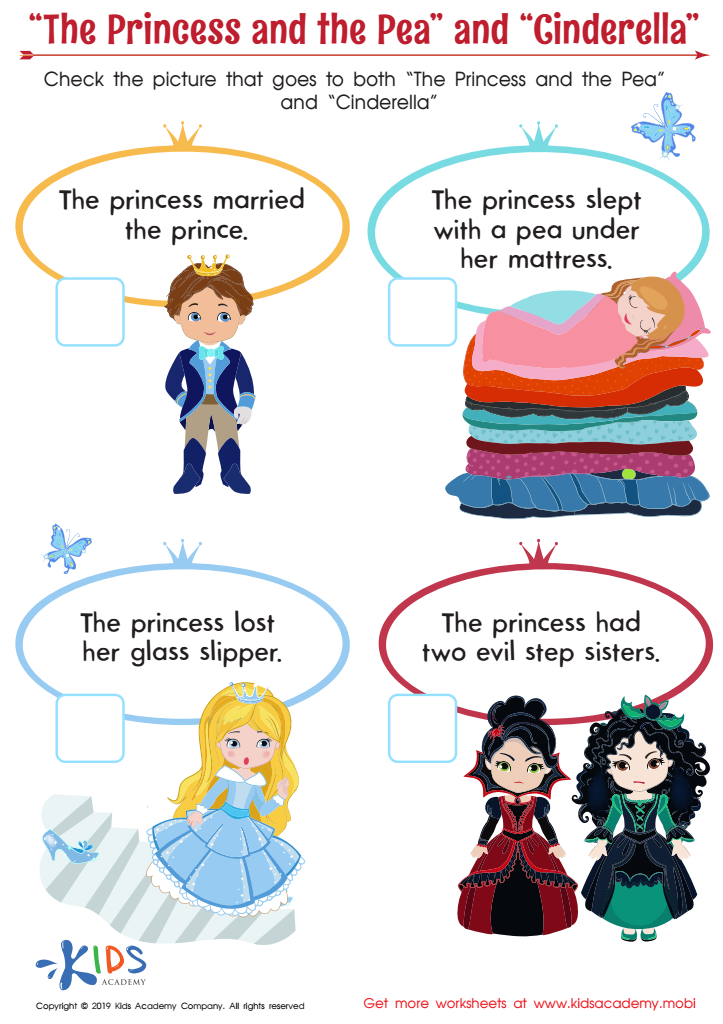
“The Princess and the Pea” and “Cinderella” Worksheet
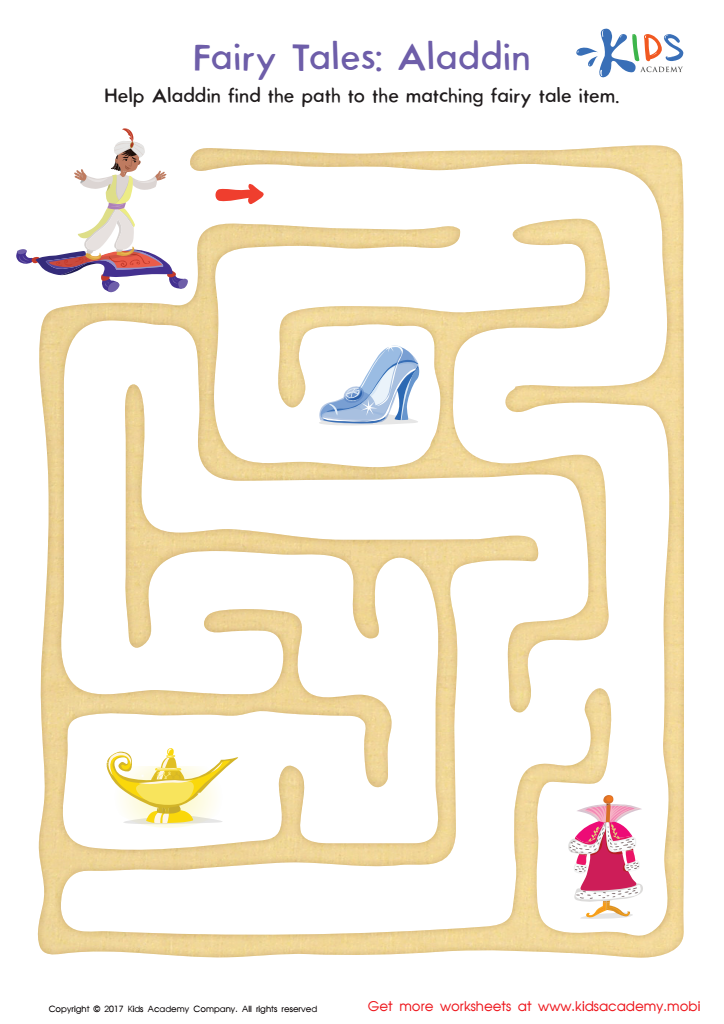
Fairy Tales Aladdin Printable
Folktales Printable PDF Worksheet: The 3 Little Pigs
 Assign to My Students
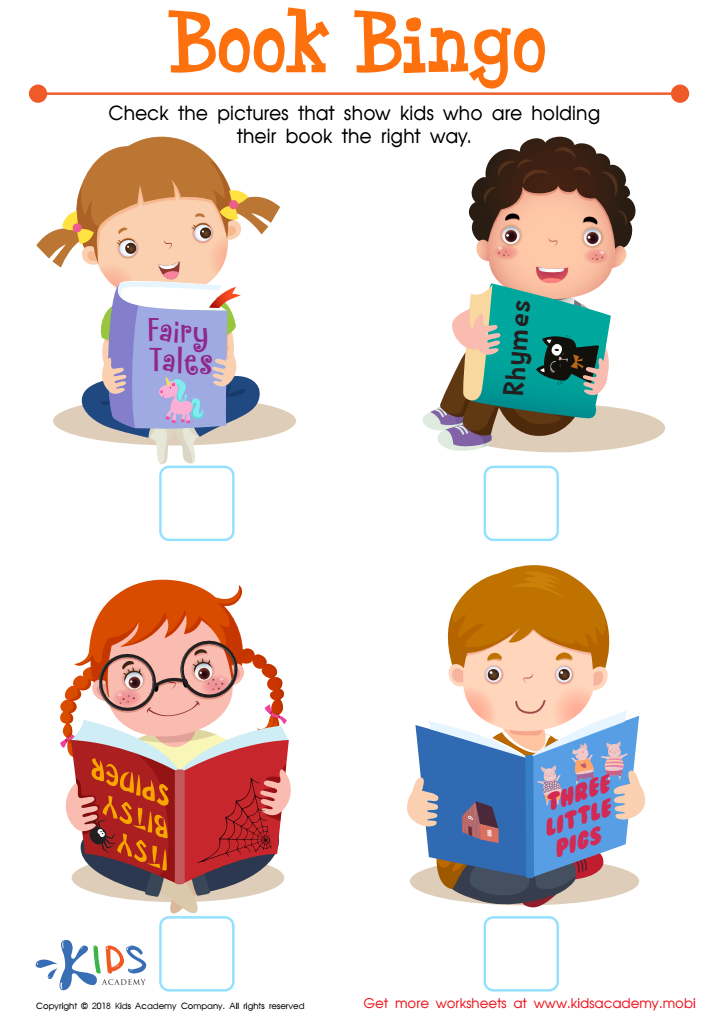
Book Bingo Worksheet
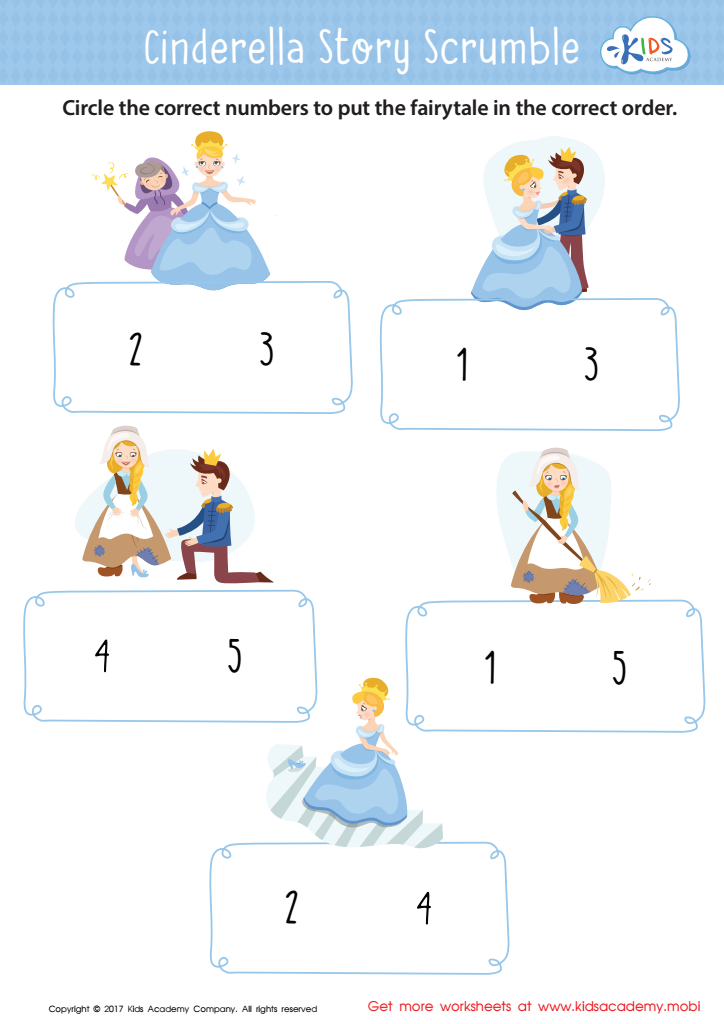
Cinderella Story Sequencing Worksheet
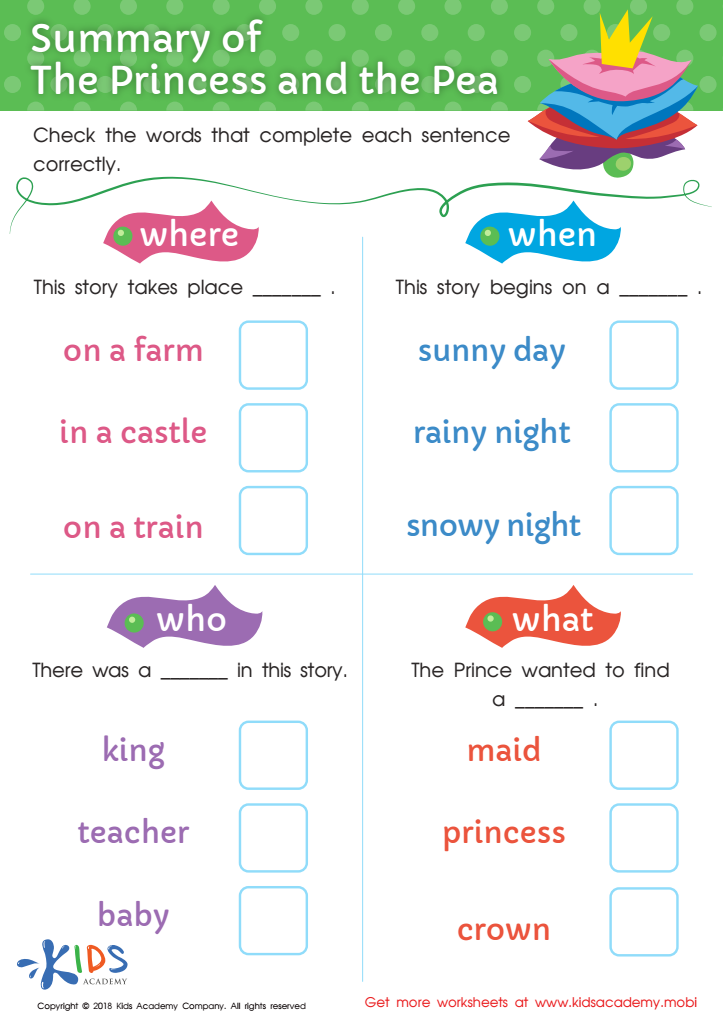
The Summary of the Princess and the Pea Worksheet
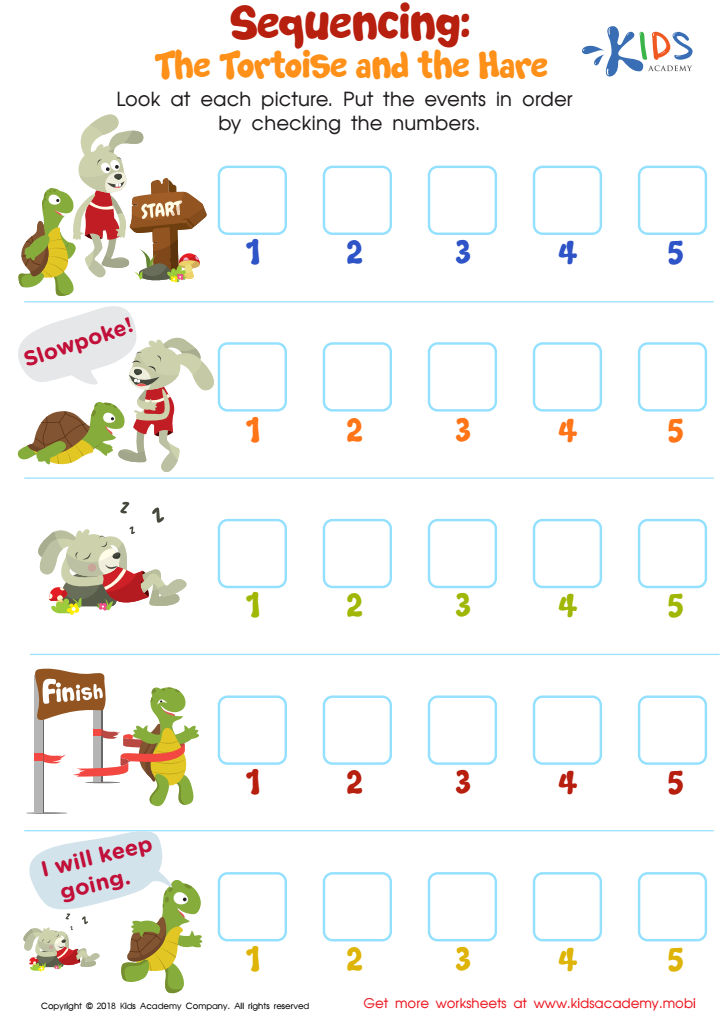
Sequencing: The Tortoise and the Hare Worksheet
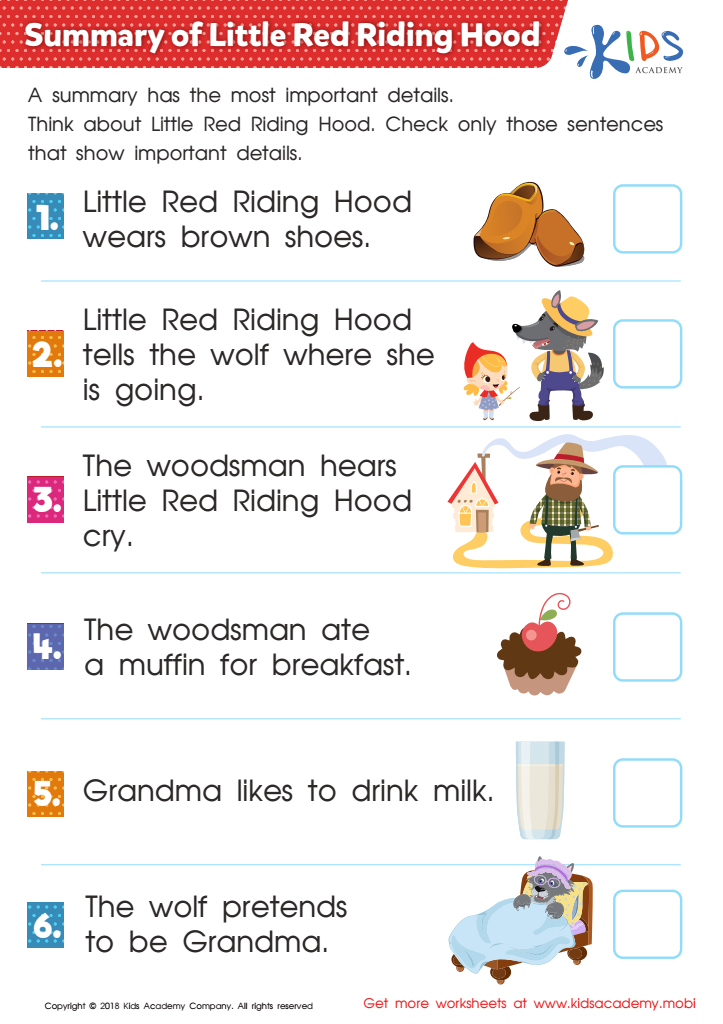
Summary of Little Red Riding Hood Worksheet
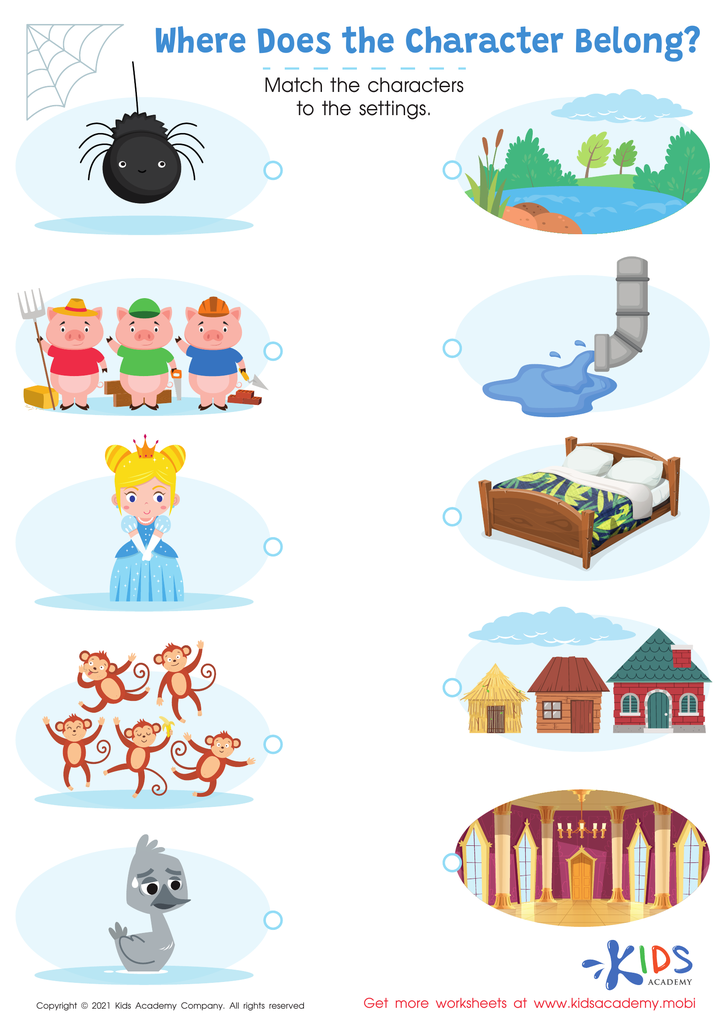
Where Does the Character Belong? Worksheet
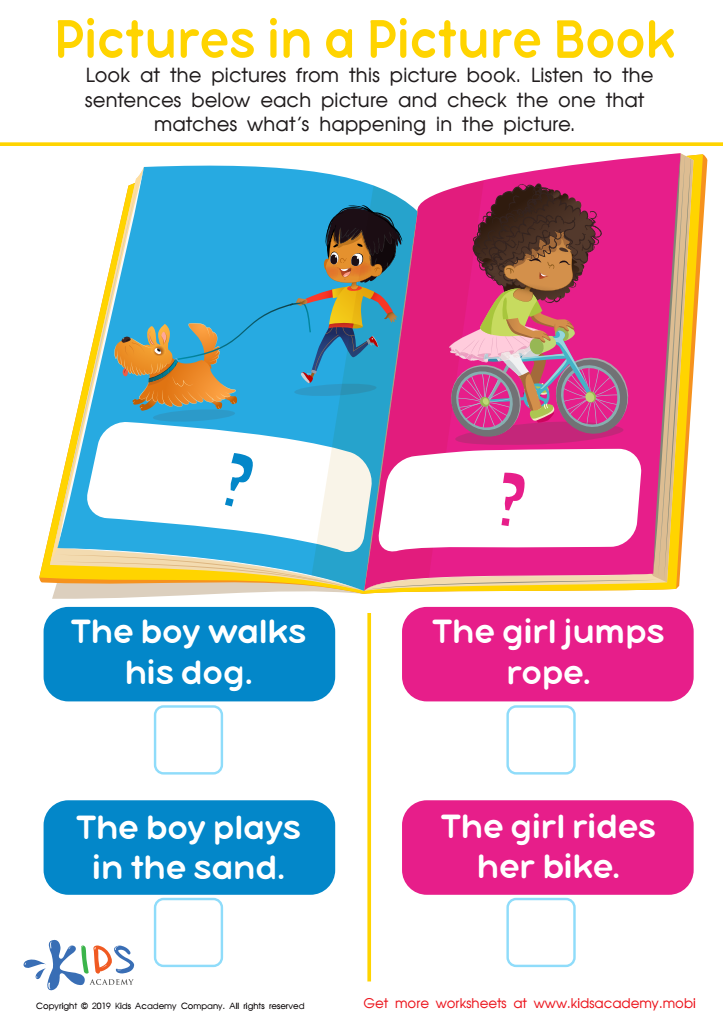
Picture in Books Worksheet
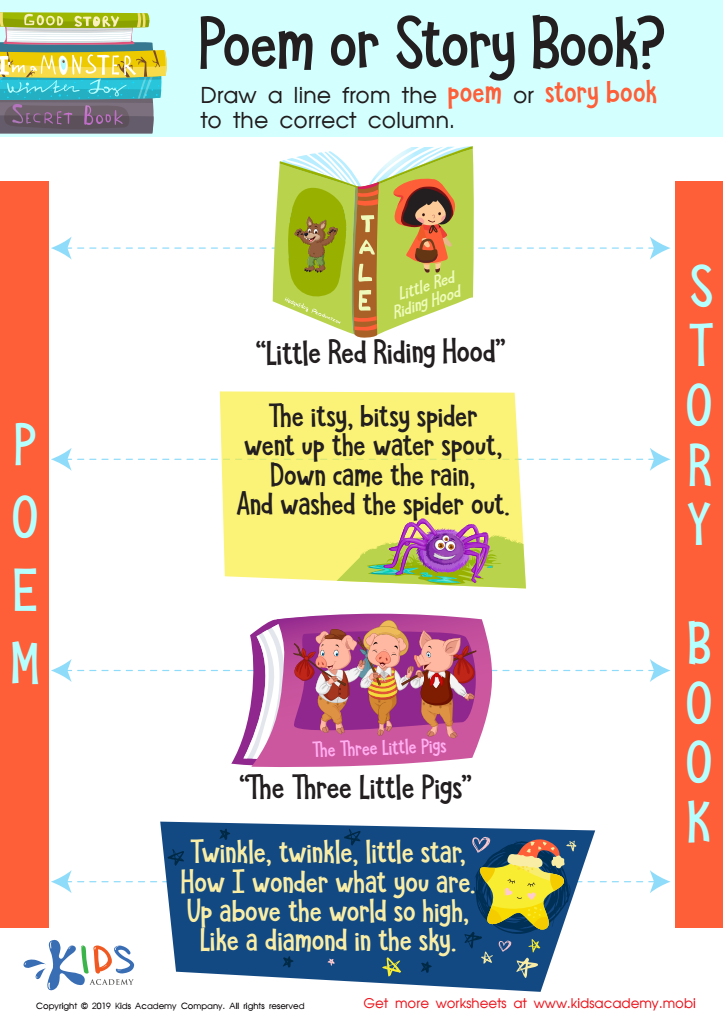
Poem or Story Book? Worksheet
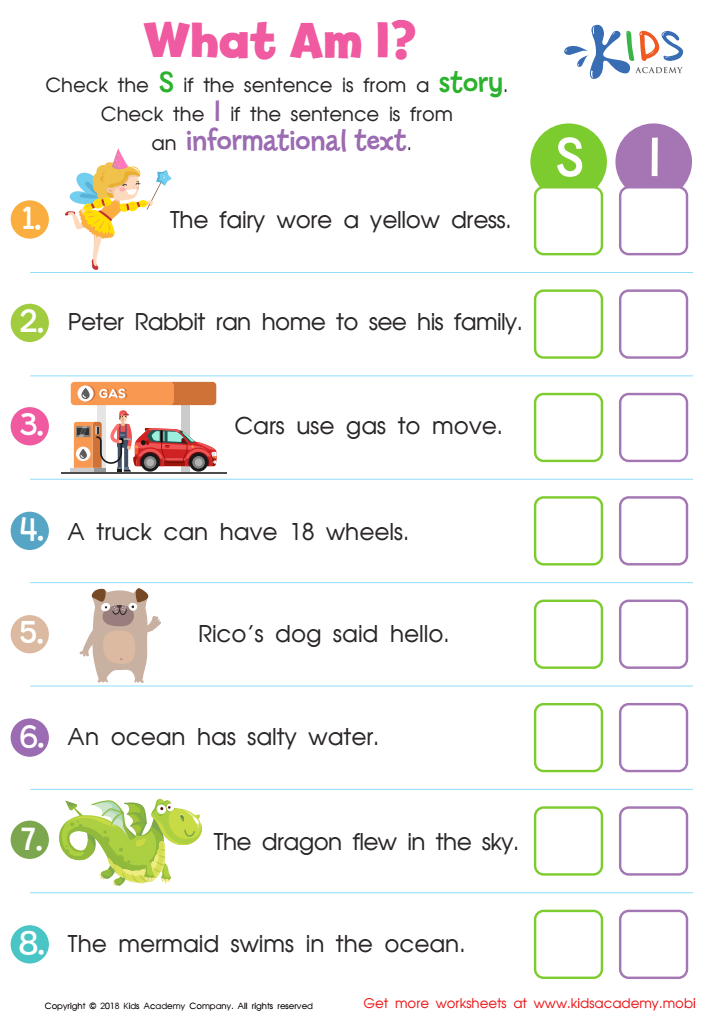
What Am I? Worksheet
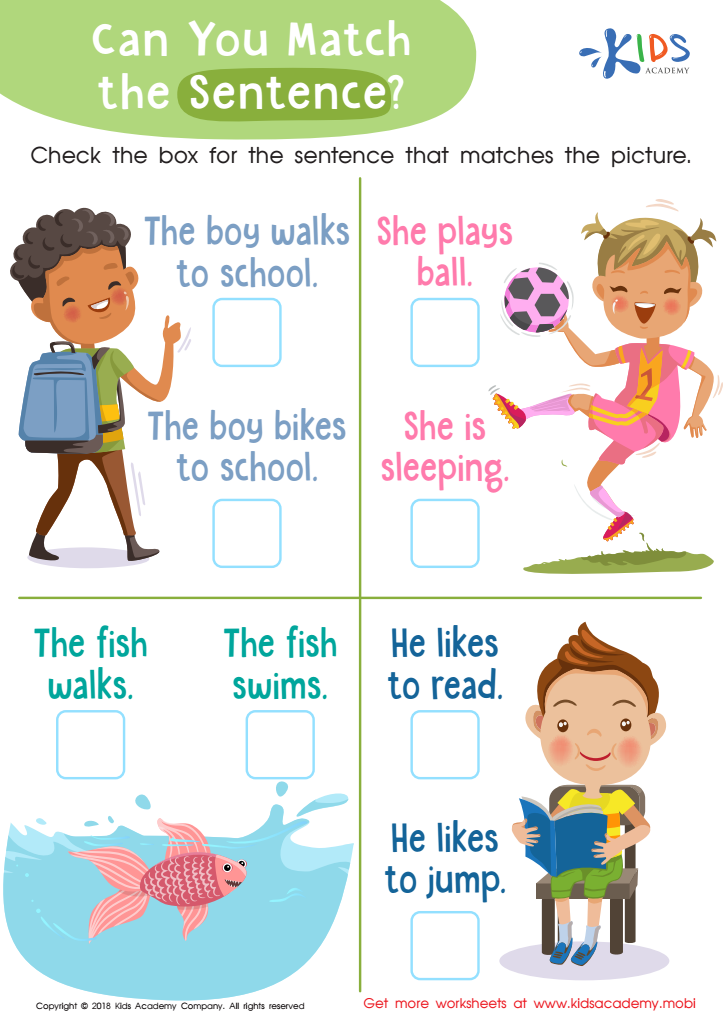
Can You Match the Sentence? Worksheet
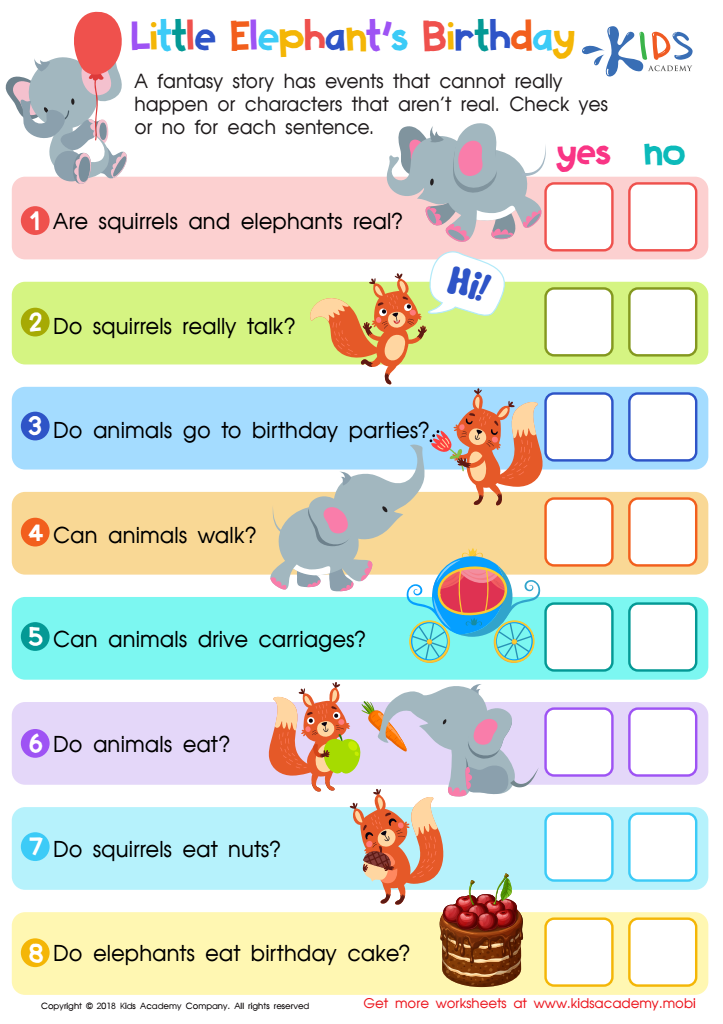
Little Elephant's Birthday Worksheet
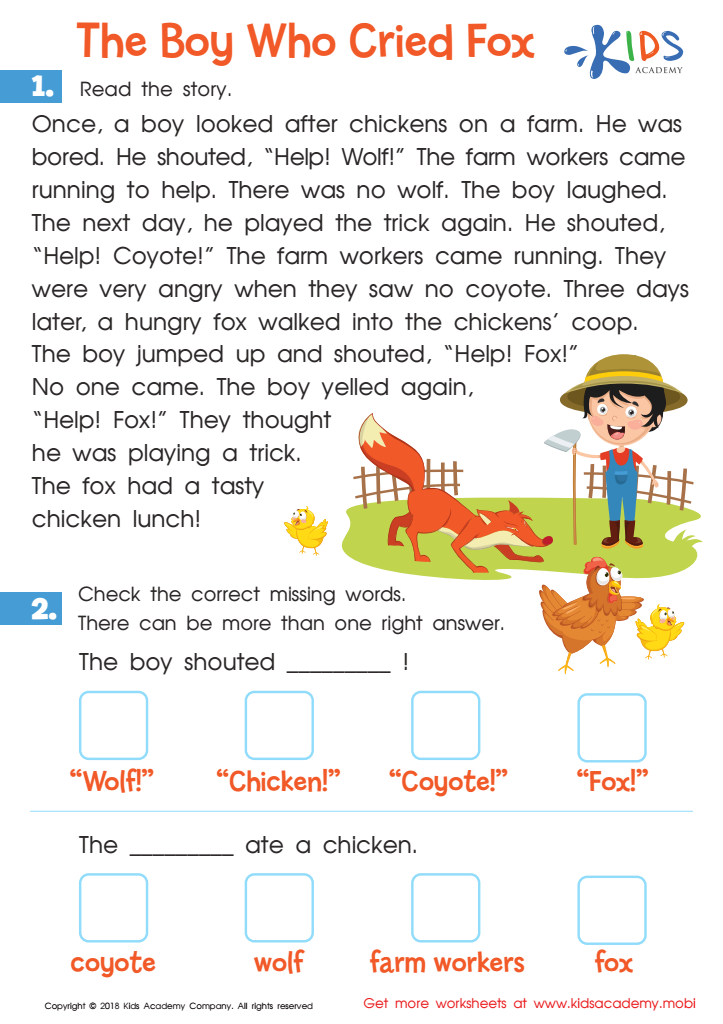
The Boy Who Cried Fox Worksheet
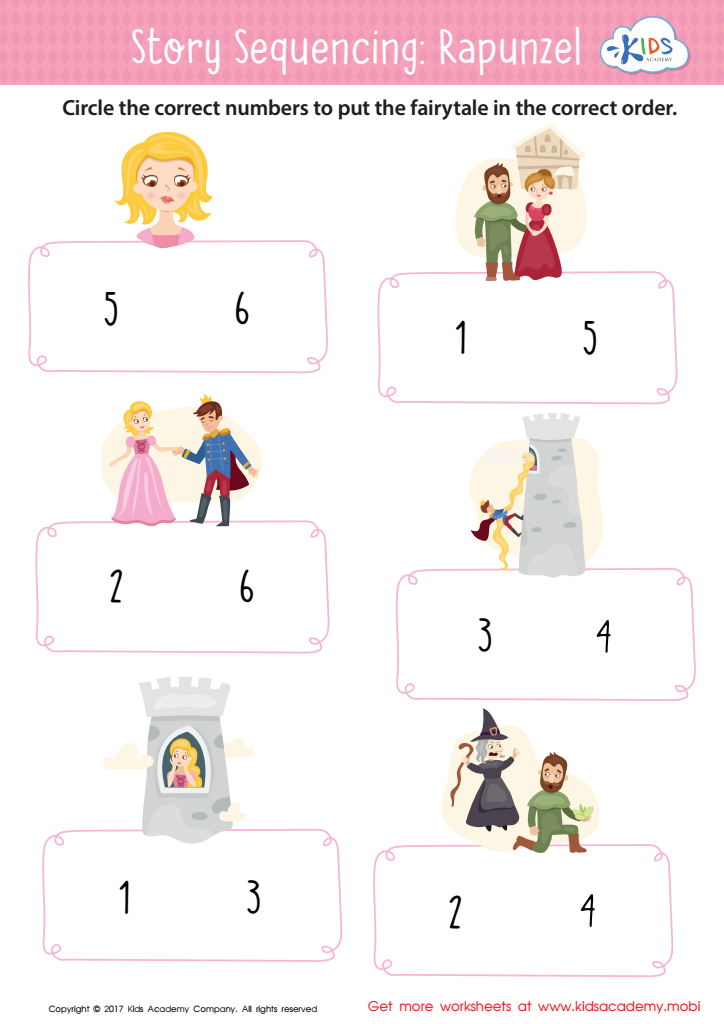
Rapunzel Story Sequencing Worksheet
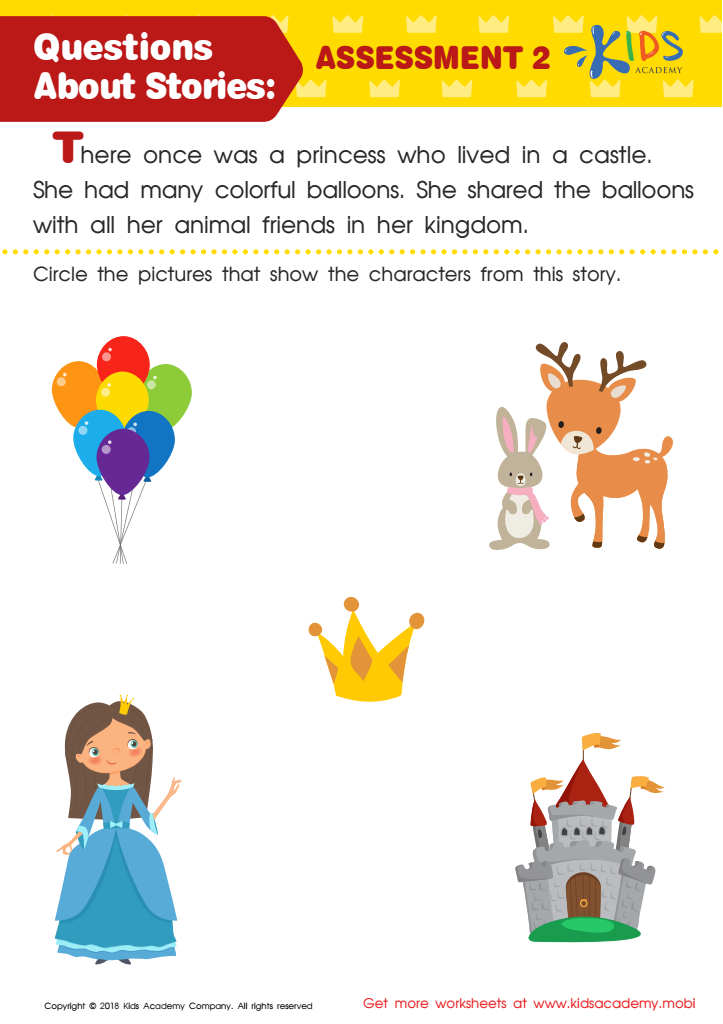
Questions About Stories: Assessment 2 Worksheet
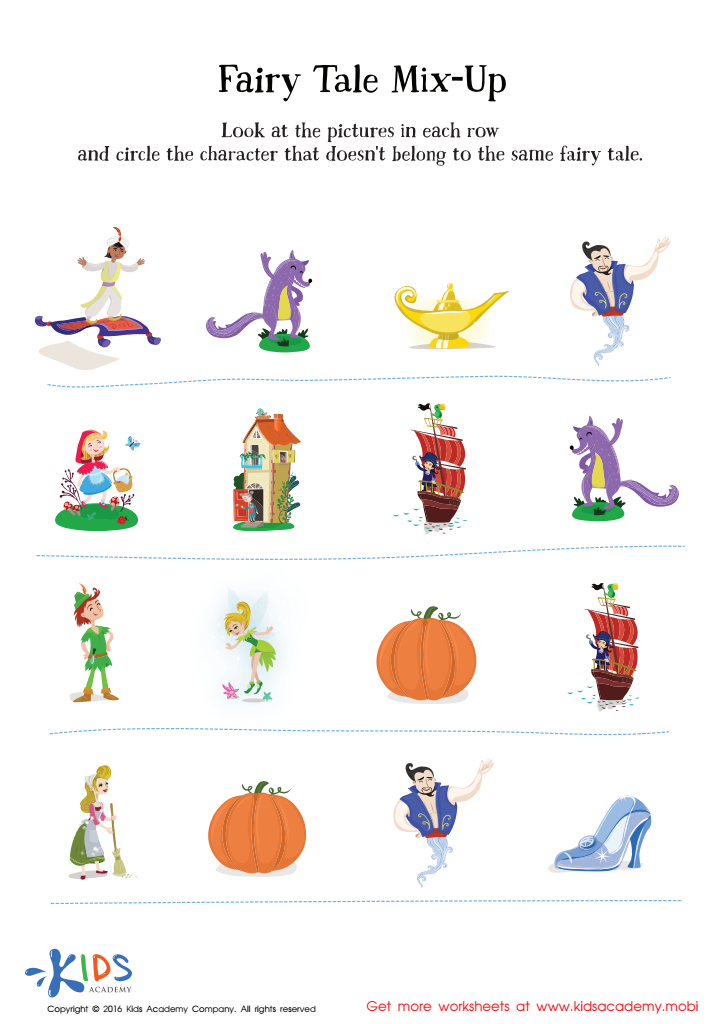
Fairy Tale Worksheet: Story Mix Up
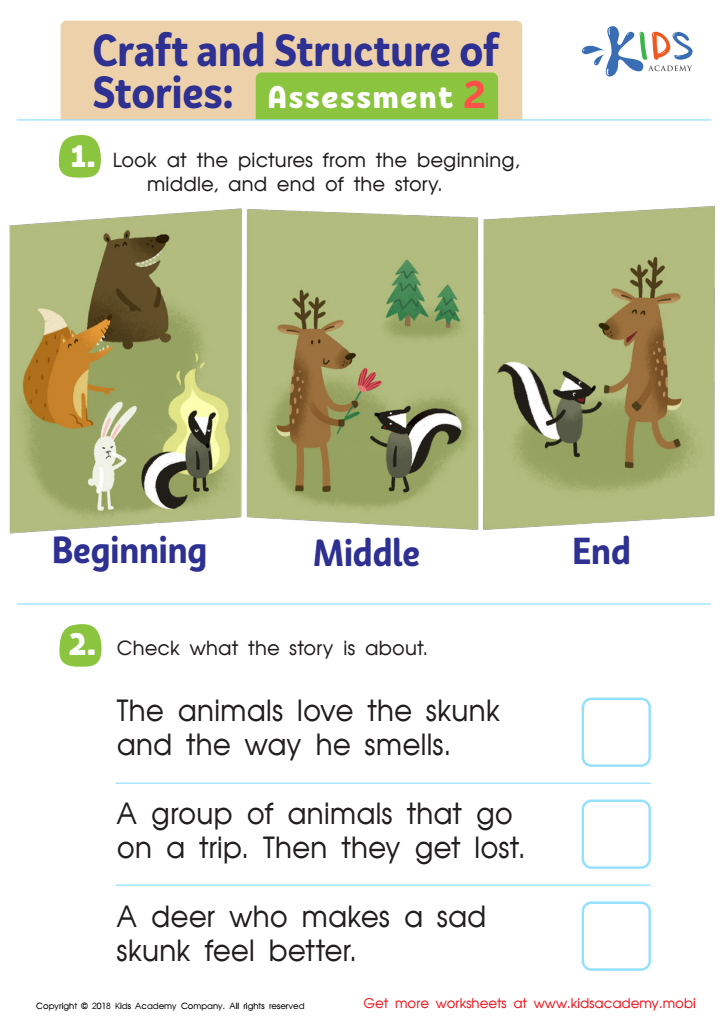
Craft and Structure of Stories: Assessment 2 Worksheet
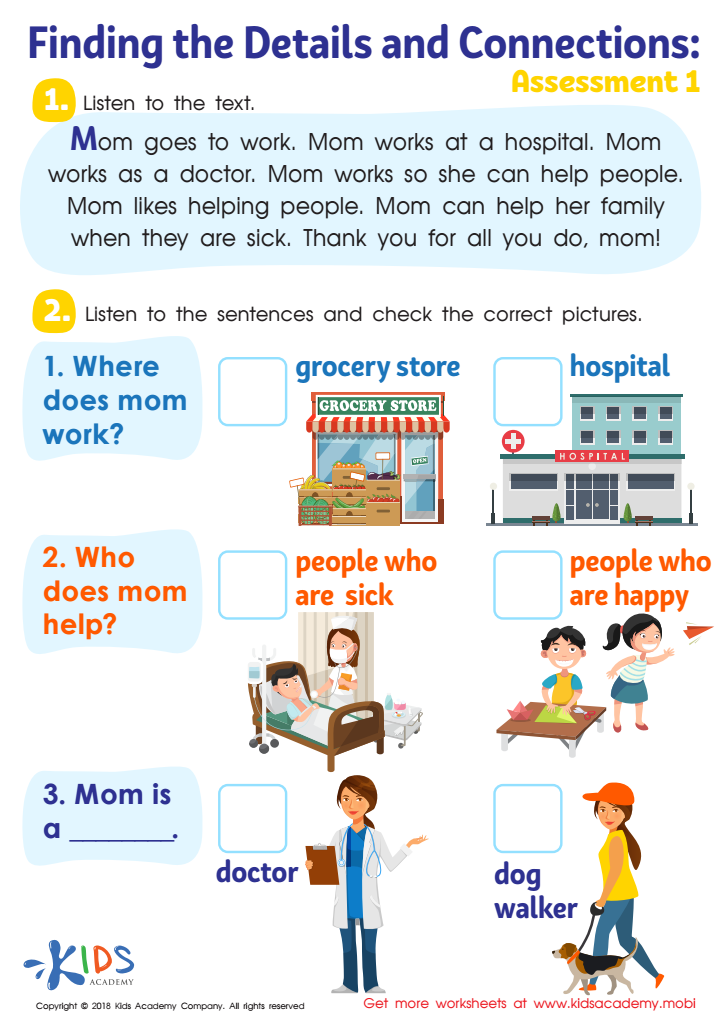
Finding the Details and Connections: Assessment 1 Worksheet
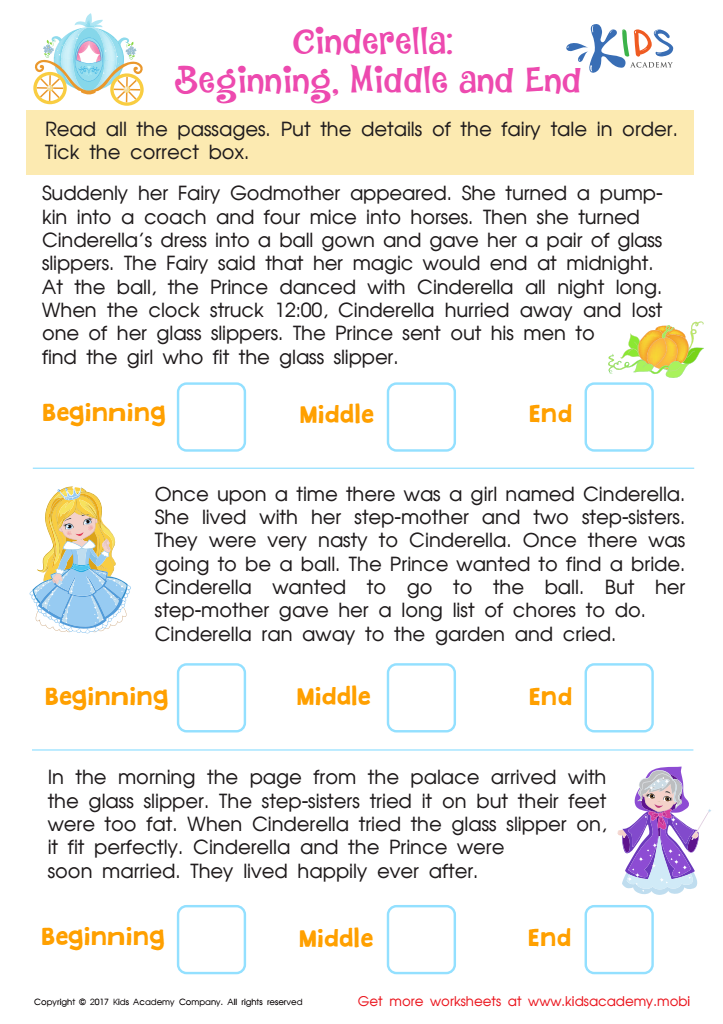
Cinderella: Beginning, Middle and End Worksheet
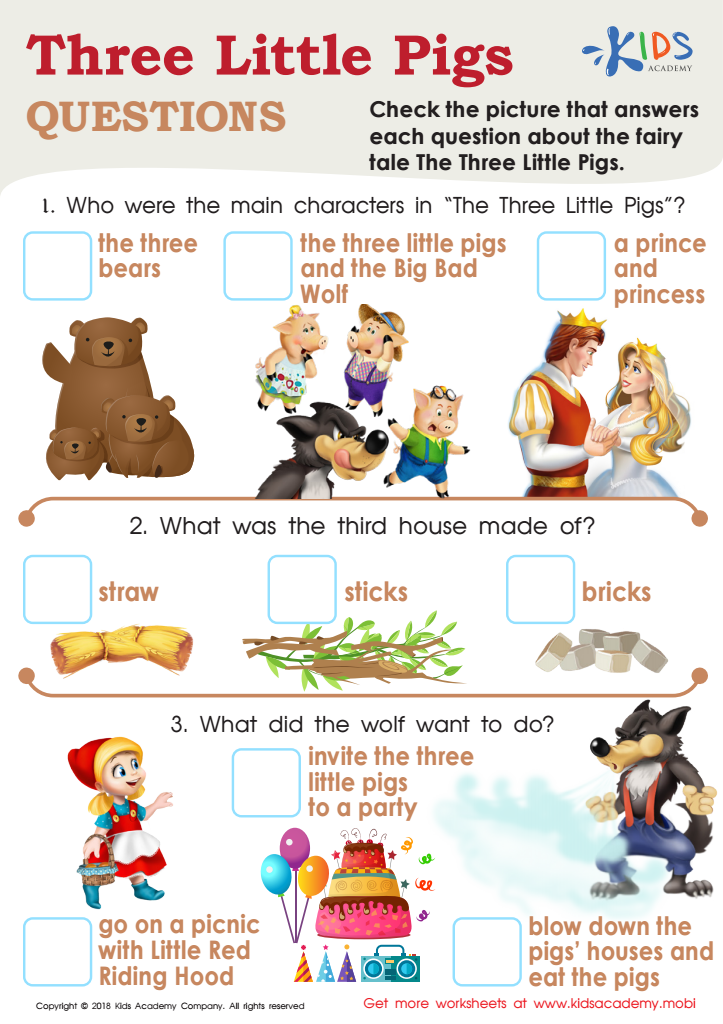
Three Little Pigs Questions Worksheet






.jpg)
Critical Thinking in reading fiction for children ages 3-6 is essential for their cognitive and emotional development. At this stage, young learners are highly impressionable, and engaging them in fiction not only nourishes their imagination but also serves as a foundation for critical cognitive skills. When children immerse themselves in stories, they learn to analyze characters' motivations, predict outcomes, and evaluate different perspectives—crucial aspects of critical thinking.
Fostering critical thinking through fiction enhances problem-solving abilities and promotes empathy. As children navigate various narratives, they confront moral dilemmas, encouraging them to think about right and wrong and consider the feelings and experiences of others. This shapes their emotional intelligence and social skills.
Moreover, teachers and parents who prioritize reading fiction create an enriching environment that stimulates language acquisition and vocabulary development. Engaging story discussions help children articulate their thoughts, ask questions, and express their understanding, reinforcing communication skills.
In summary, investing time in reading fiction with young children is vital. It lays a strong foundation for critical thinking, equips them with important social and emotional skills, and fosters a lifelong love for reading and learning. Such skills are invaluable as children progress in their education and navigate complex world experiences.








