Reading Non-Fiction Worksheets for Ages 3-6 - Page 2
50 filtered results
-
From - To
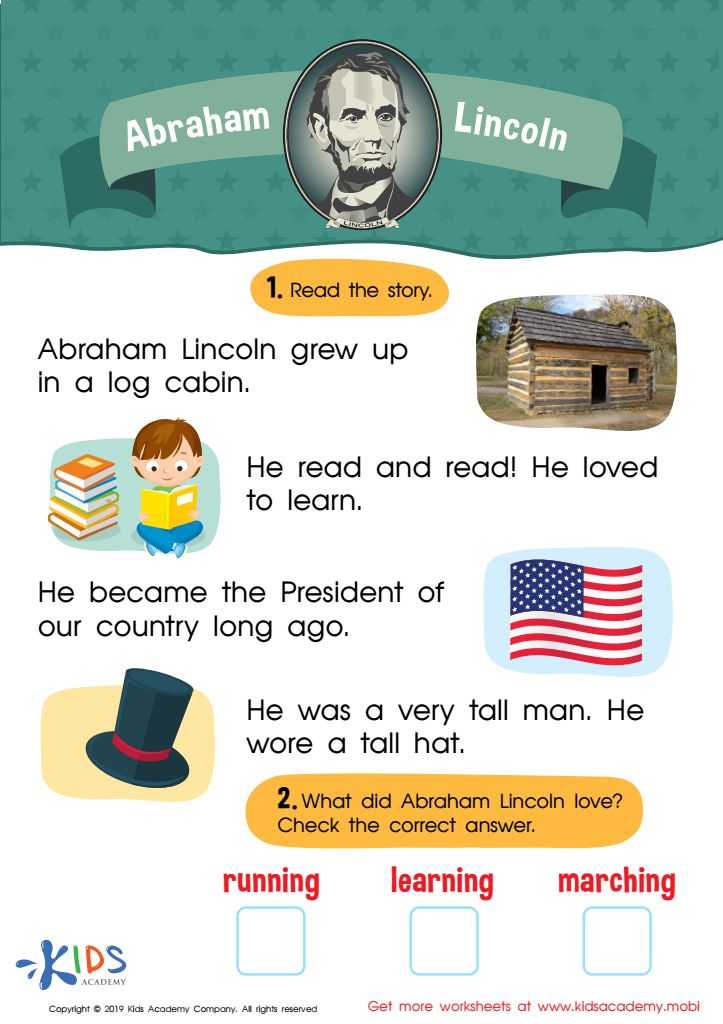
Abraham Lincoln Worksheet
 Assign to My Students
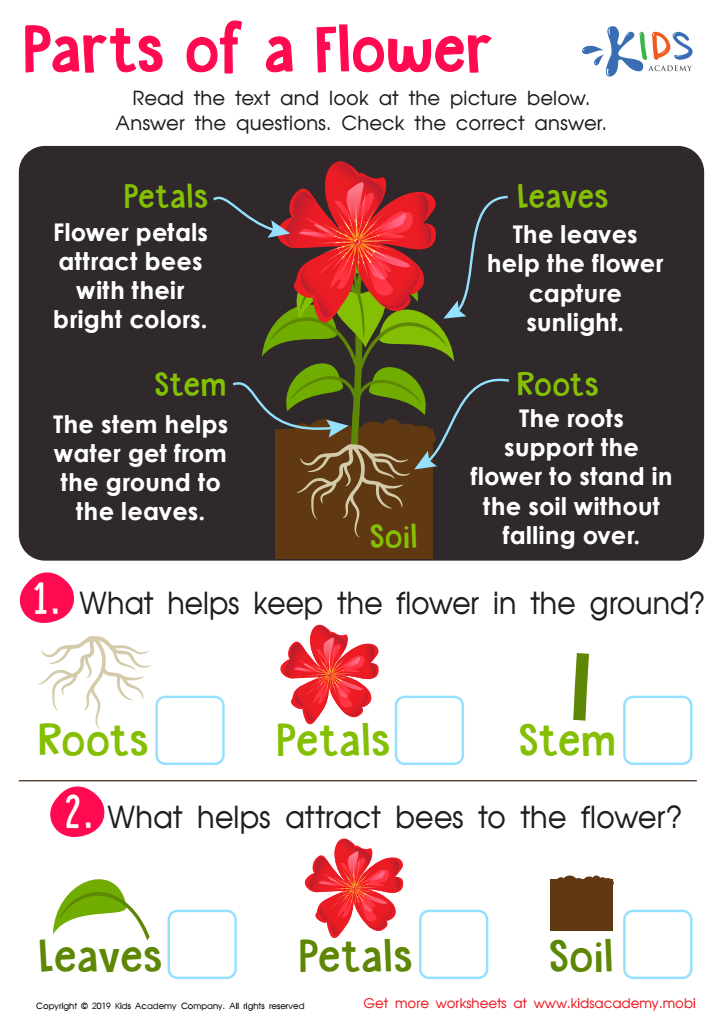
Parts of Flower Worksheet
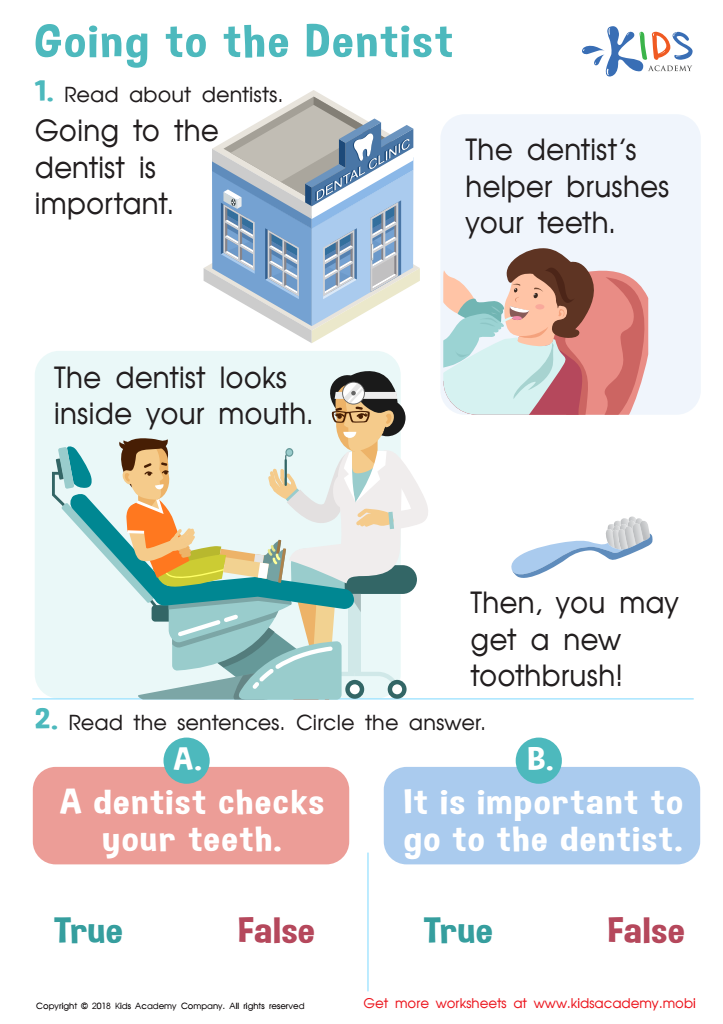
Going to the Dentist Part 2 Worksheet
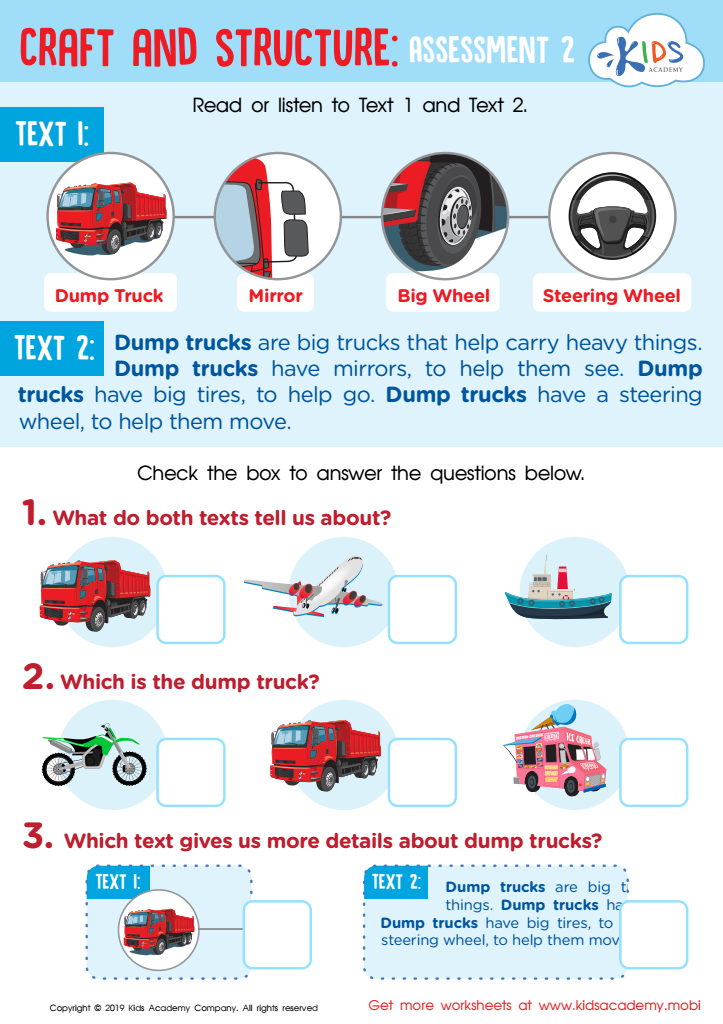
Craft and Structure: Assessment 2 Worksheet
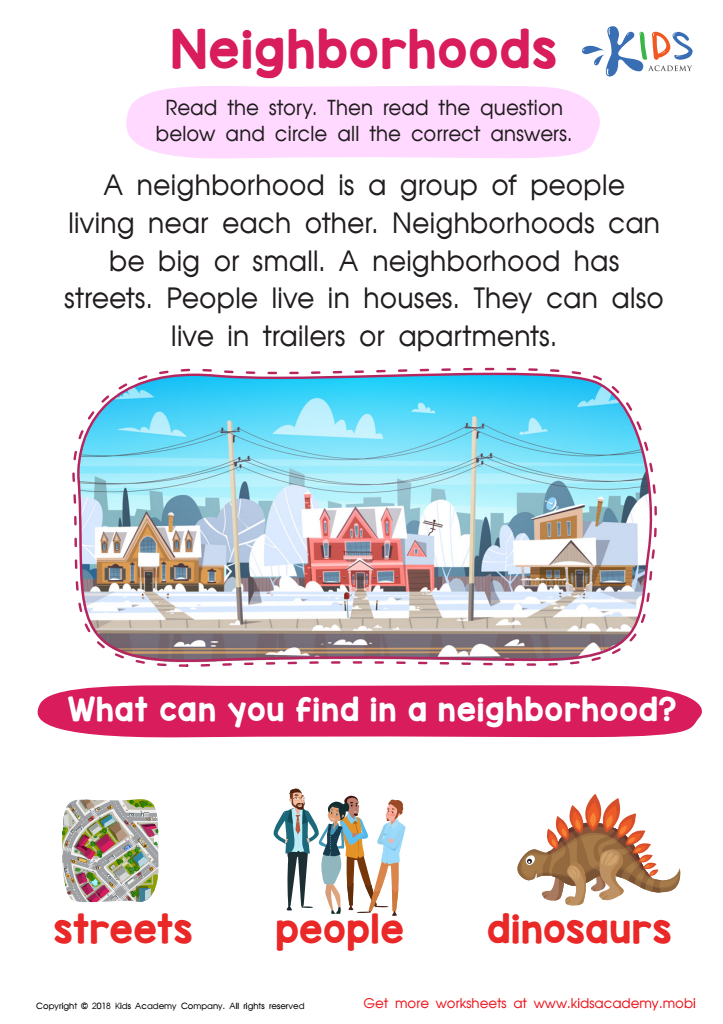
Neighborhoods Worksheet
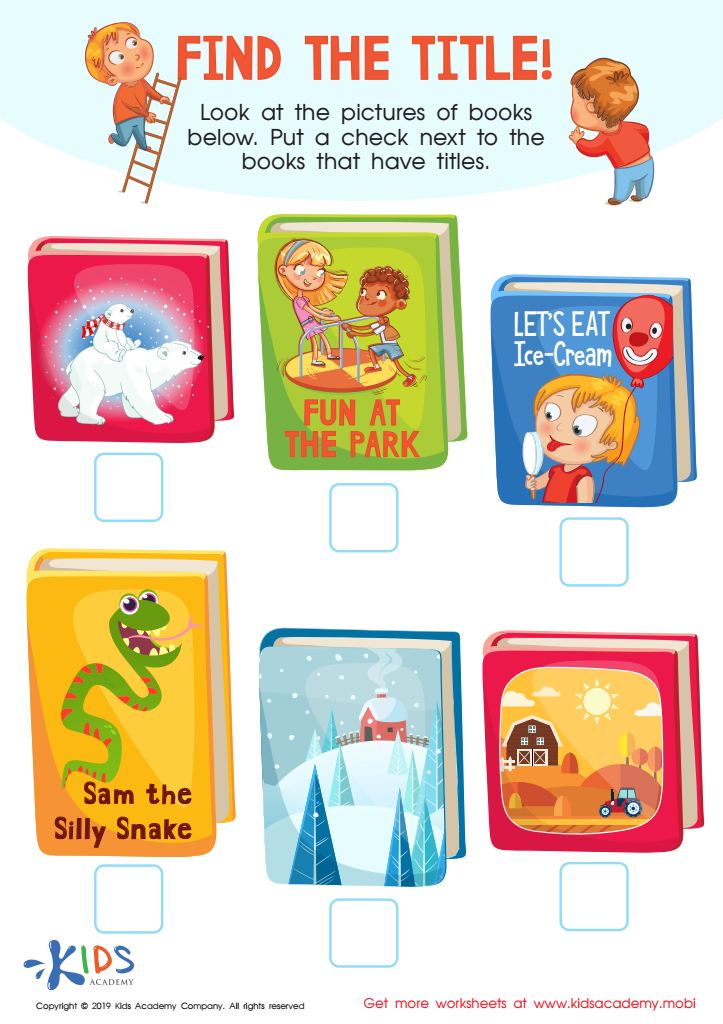
Find the Title Worksheet
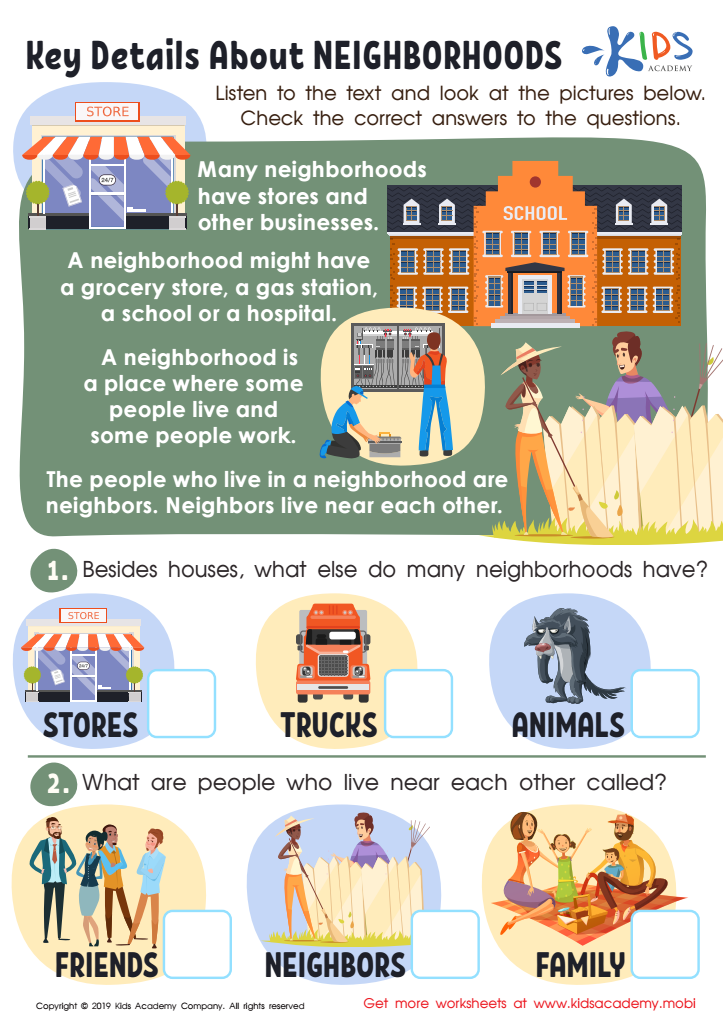
Key Details Neighborhoods Worksheet
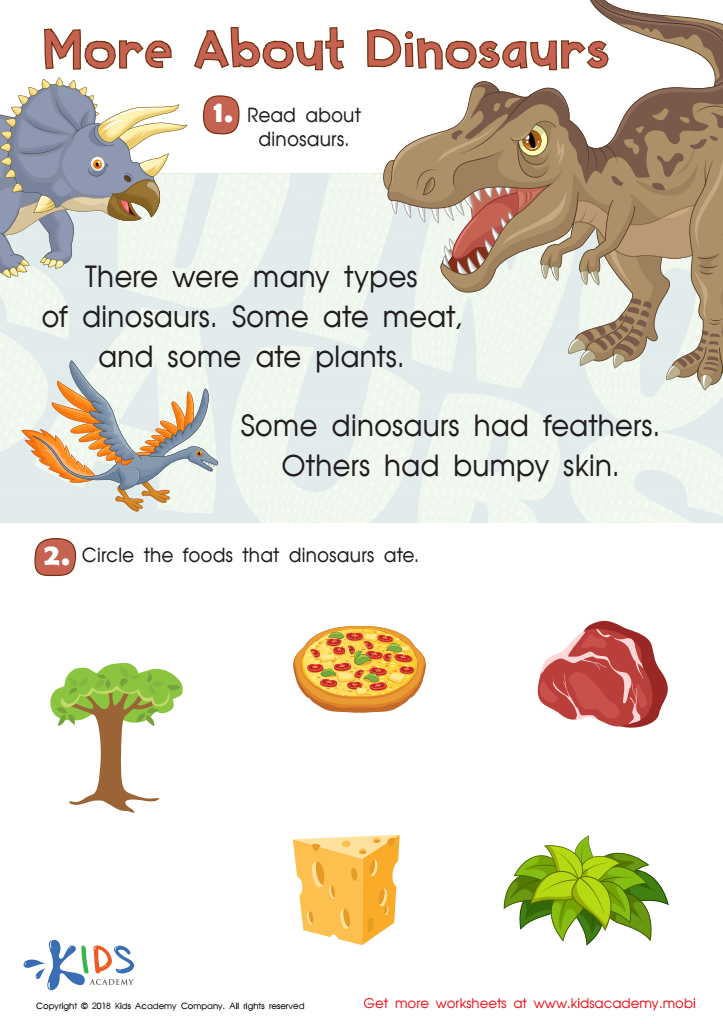
More About Dinosaurs Worksheet
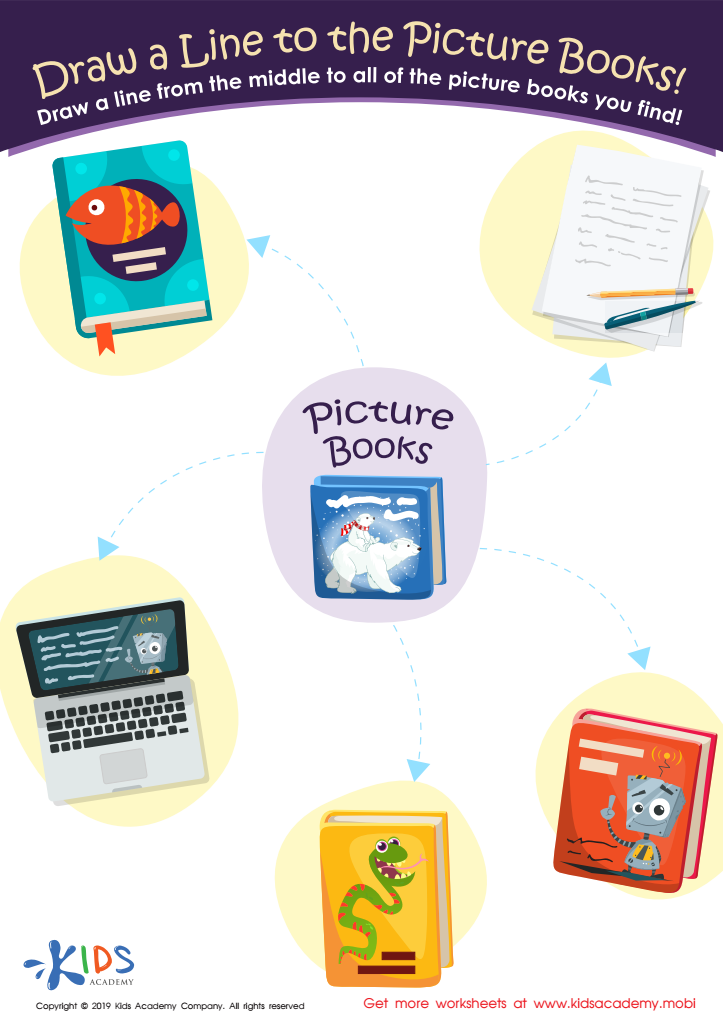
Draw a Line to the Picture Books Worksheet
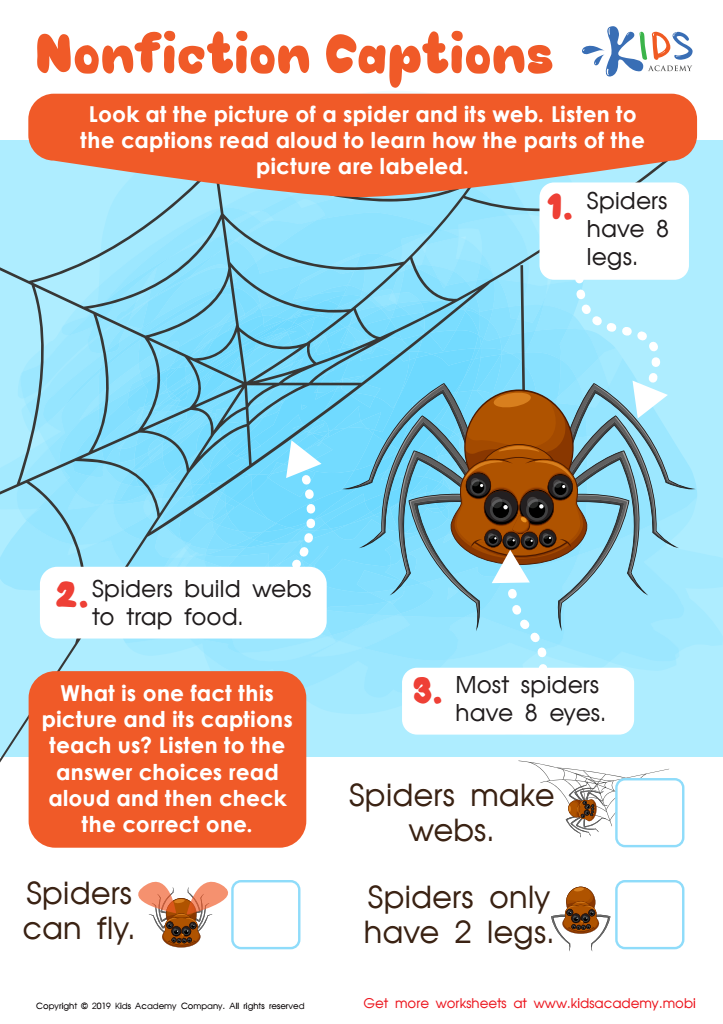
Nonfiction Captions Worksheet
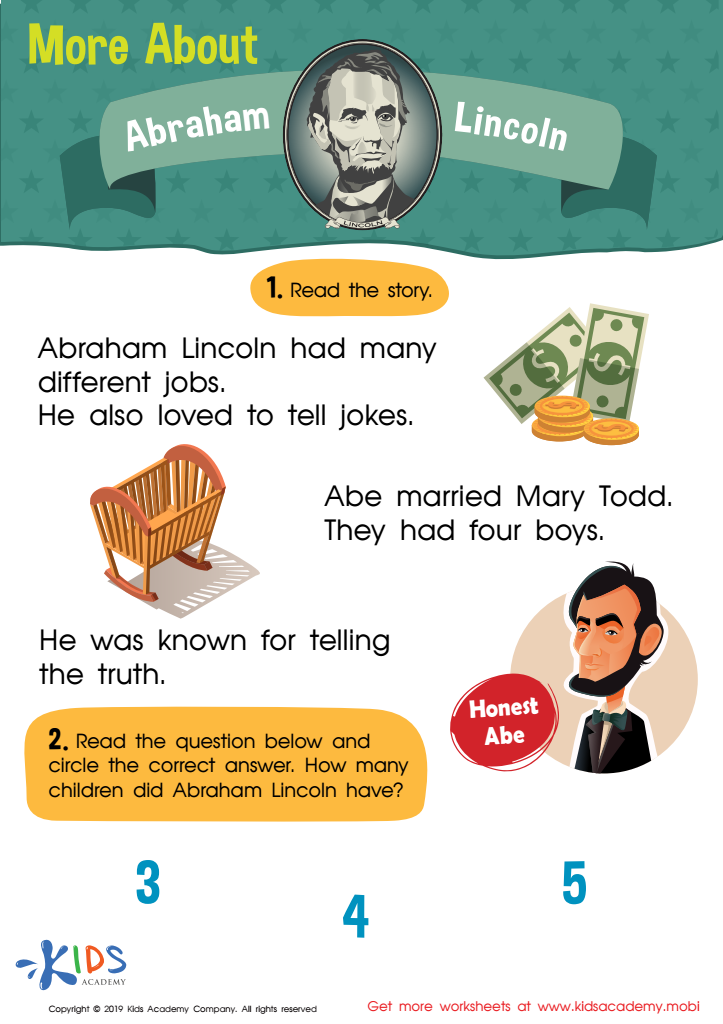
More About Abraham Lincoln Worksheet
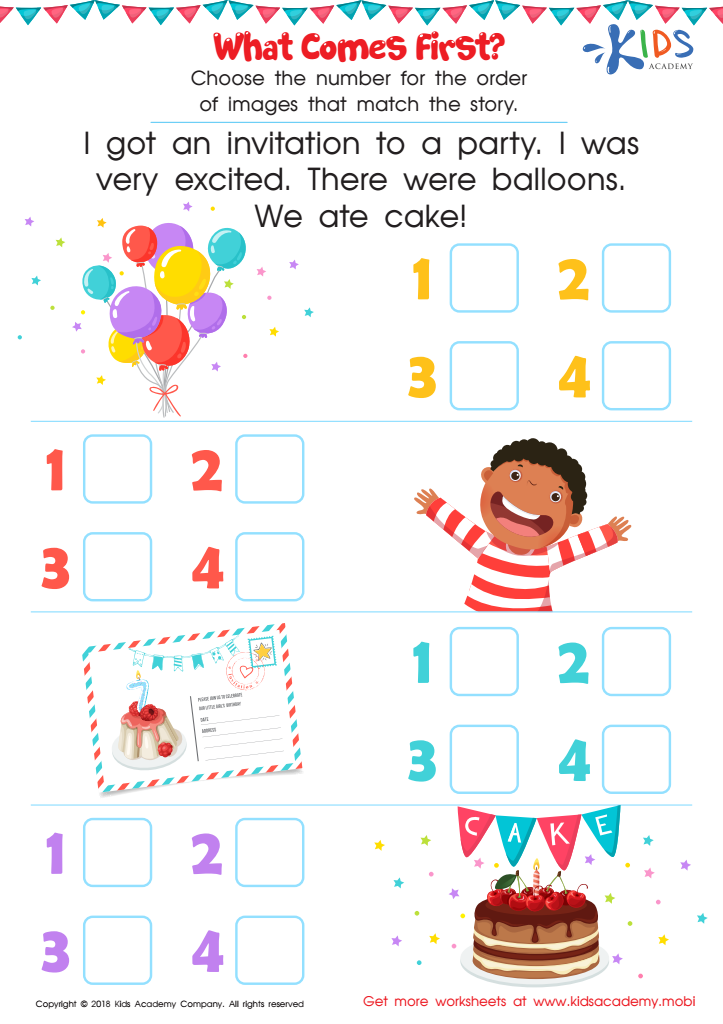
What Comes First Worksheet
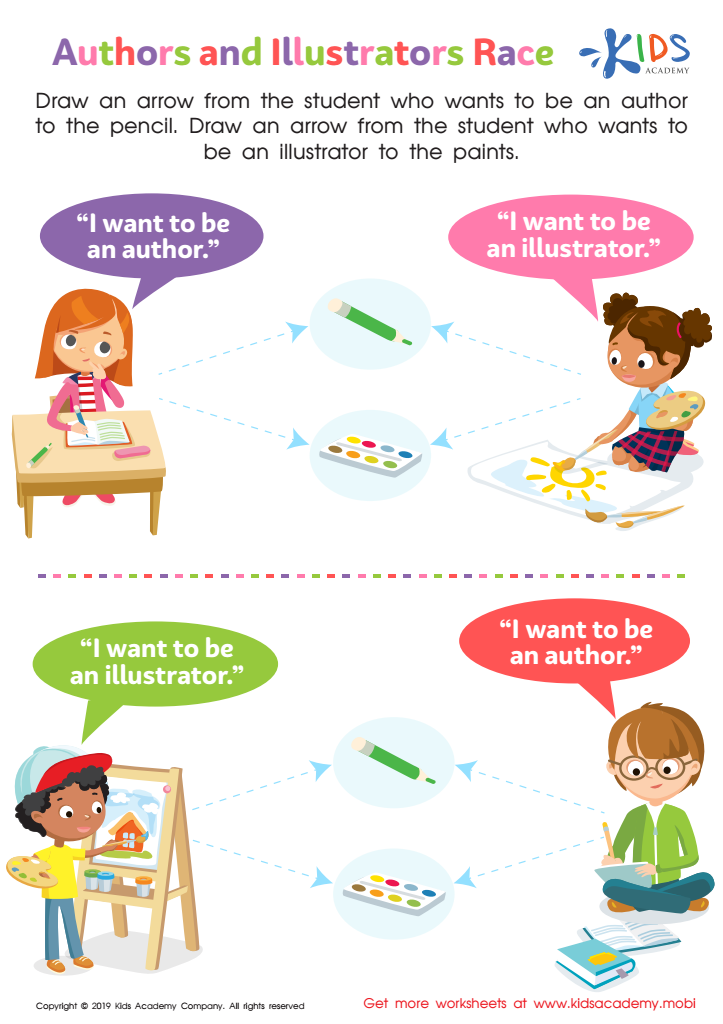
Authors and Illustrators Race Worksheet
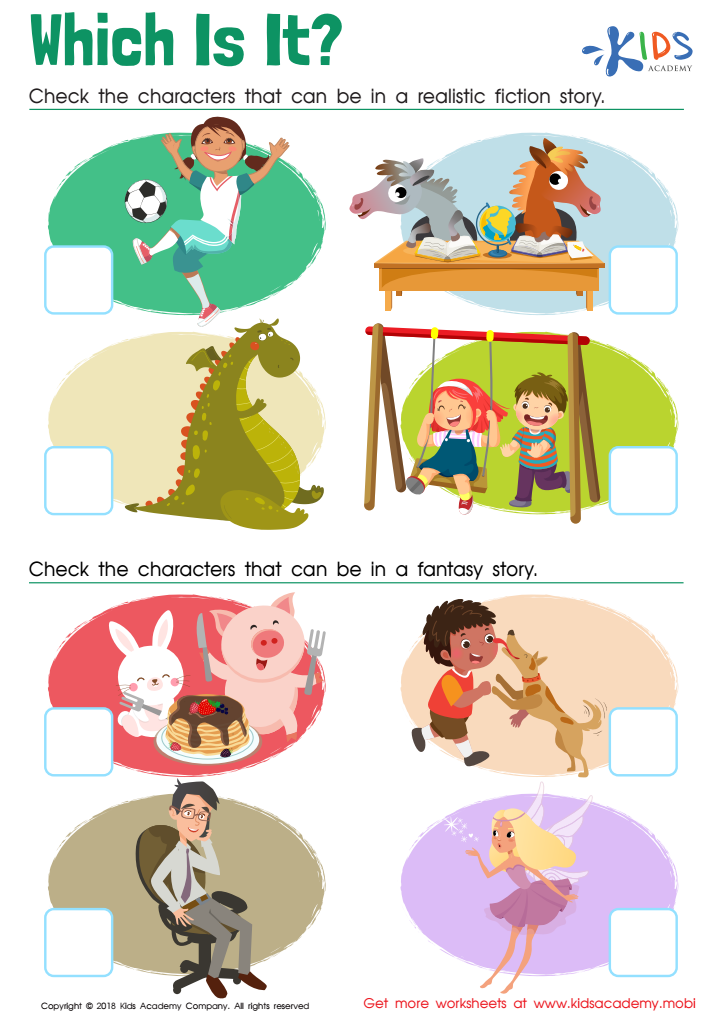
Which Is It? Worksheet
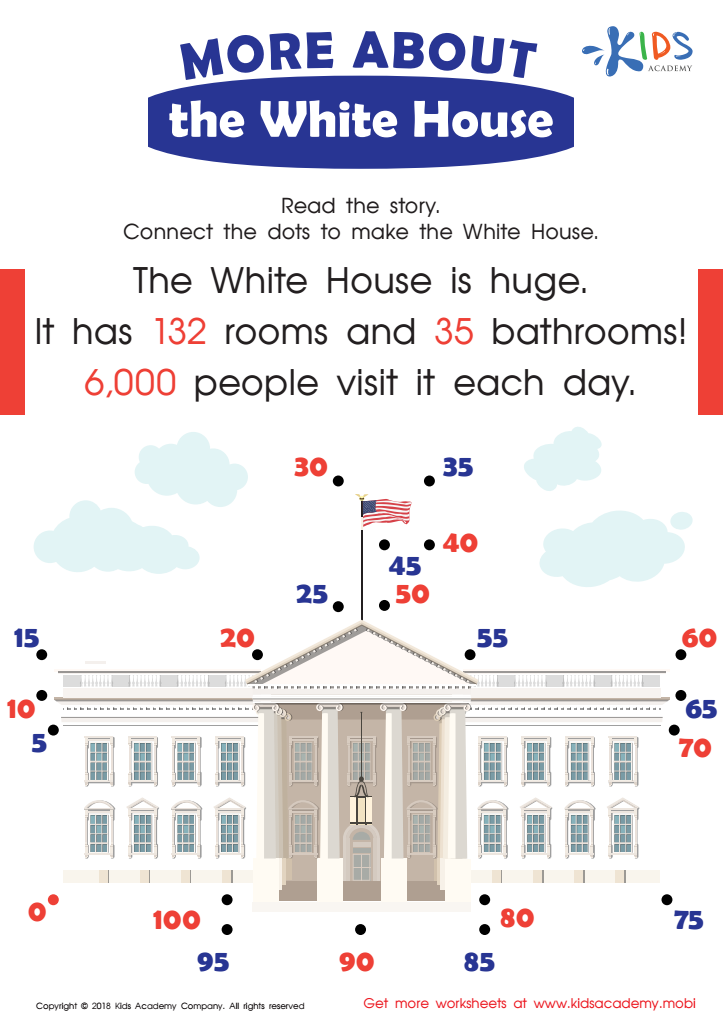
More About the White House Worksheet
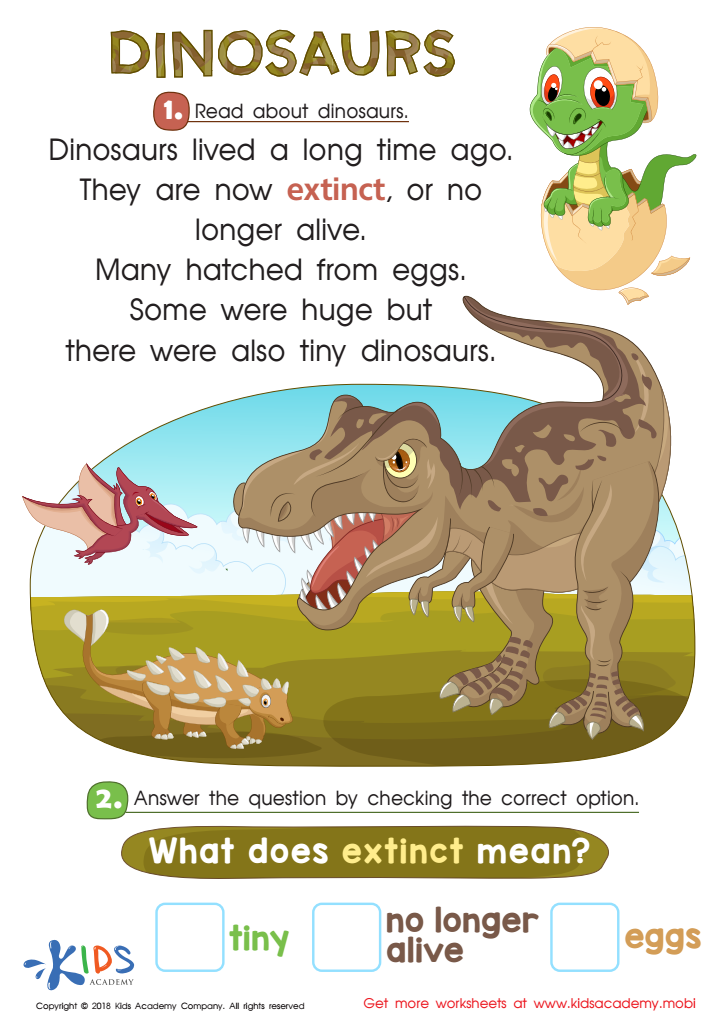
Dinosaurs Worksheet

Towns Worksheet
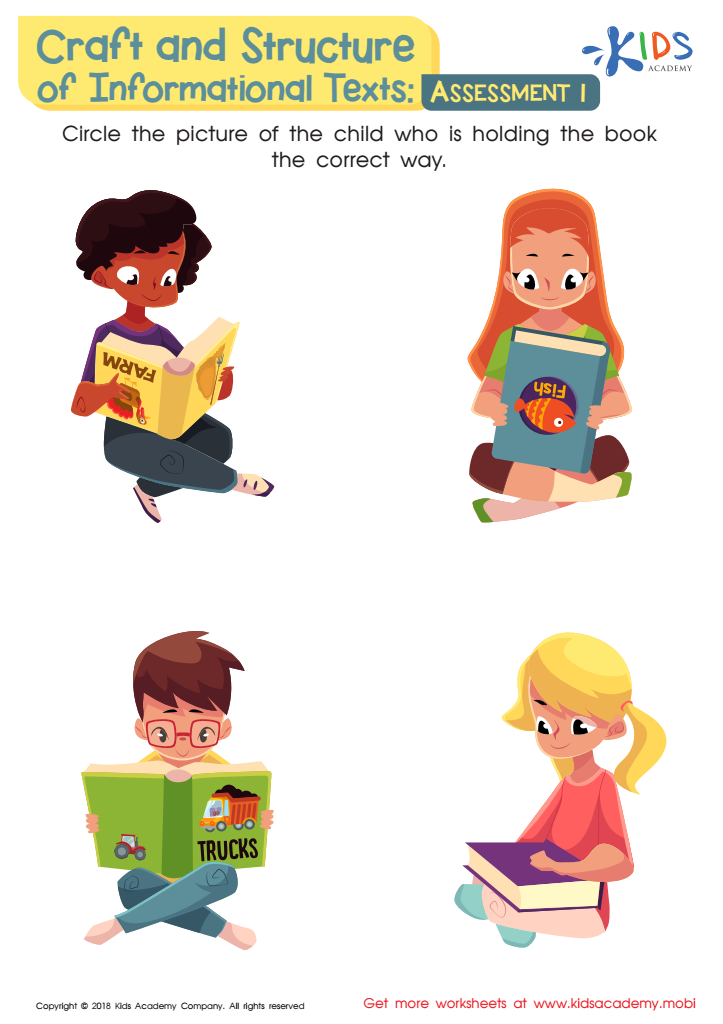
Craft and Structure of Informational Texts: Assessment 1 Worksheet
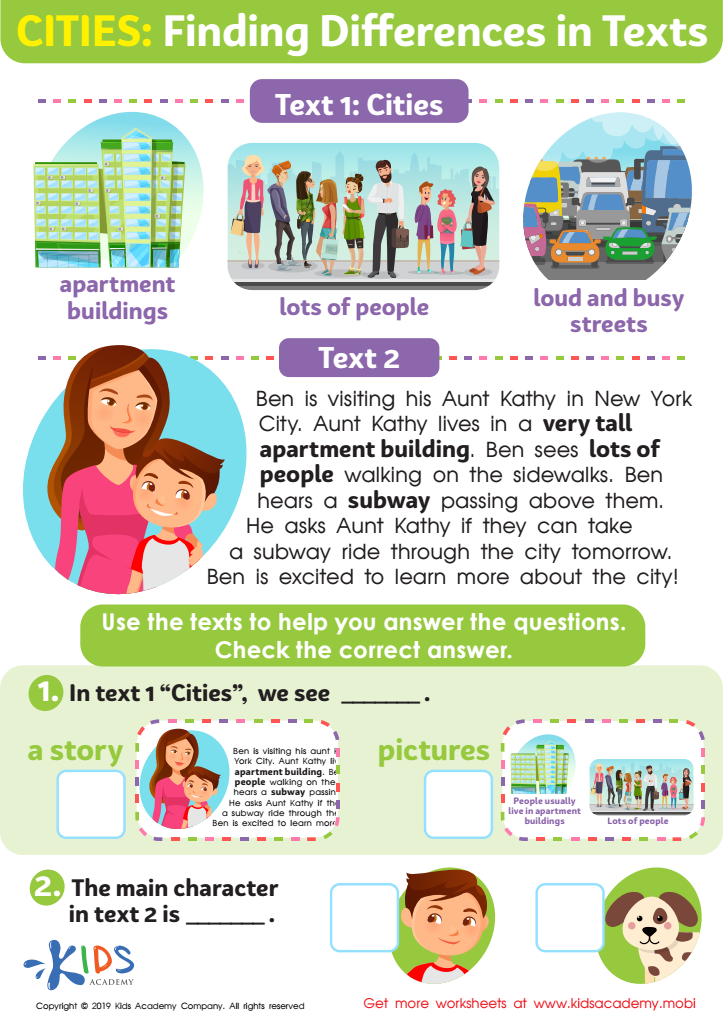
Cities: Finding Differences Worksheet
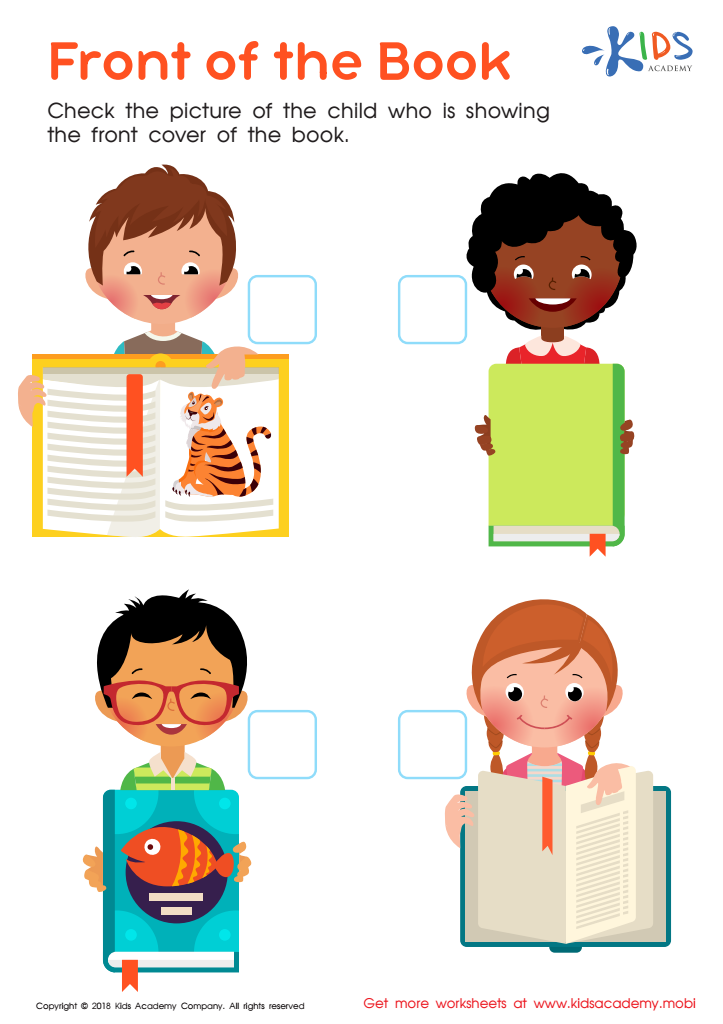
Front of the Book Worksheet
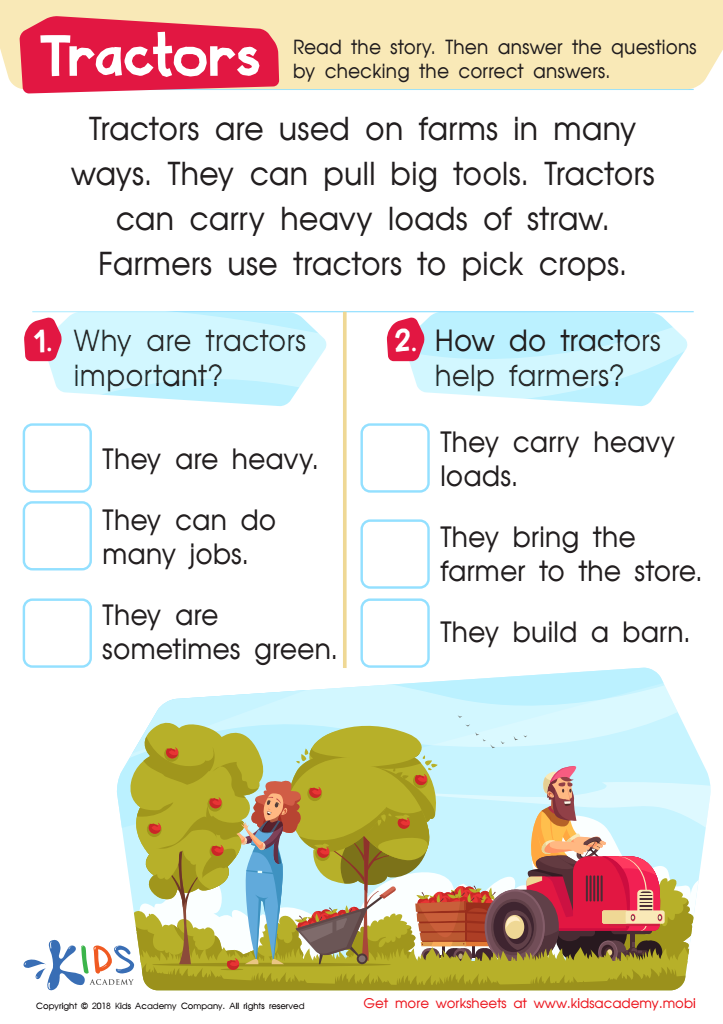
Tractors Worksheet
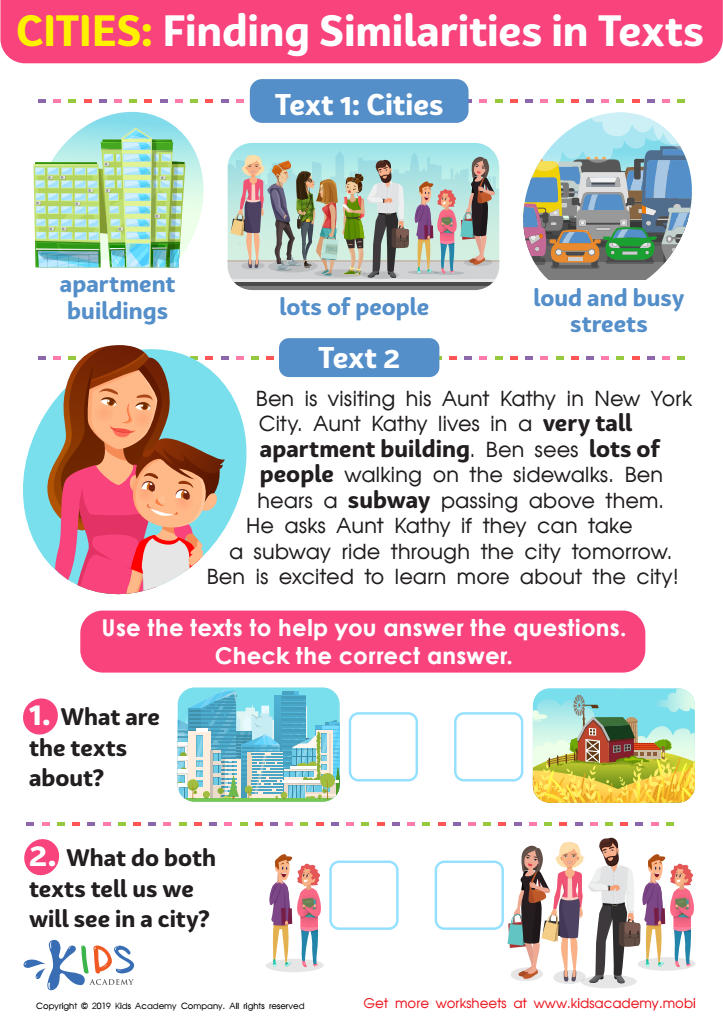
Cities: Finding Similarities Worksheet
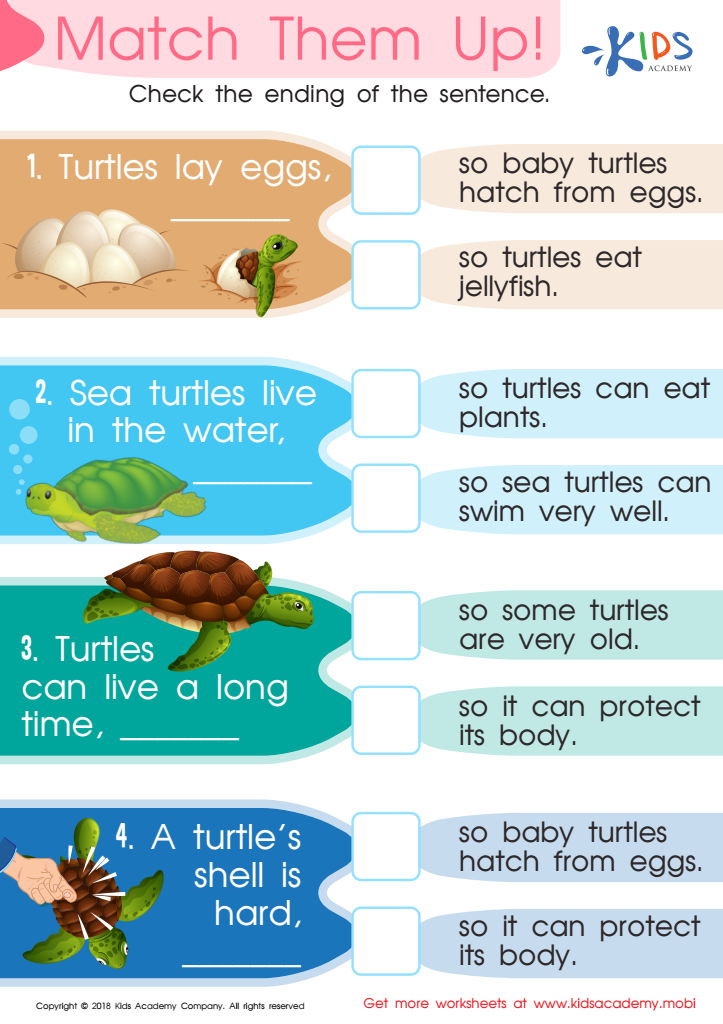
Match Them Up Worksheet
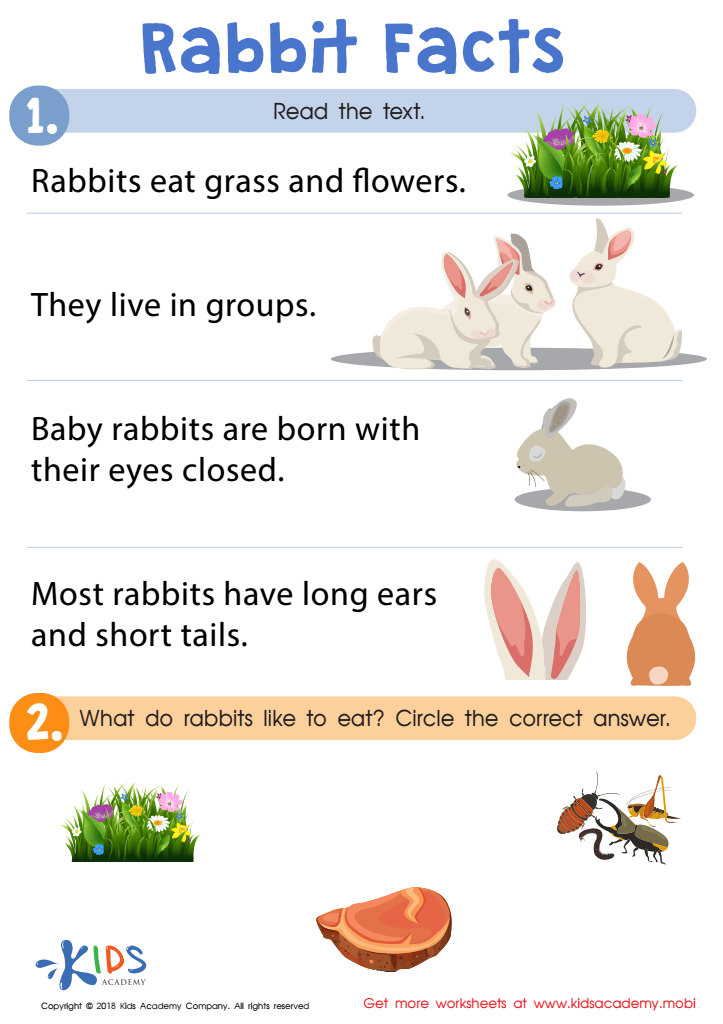
Rabbit Facts Worksheet








Reading non-fiction with children ages 3-6 is vital for several reasons. Firstly, it introduces young learners to the world of facts and reality, enhancing their understanding of the environment around them. Non-fiction books often cover topics like animals, space, nature, and everyday life, which can spark curiosity and ignite a lifelong love for learning.
Secondly, non-fiction fosters critical thinking and comprehension skills. Unlike fictional stories that often follow a narrative arc, non-fiction invites children to engage with real information, encouraging them to ask questions and seek answers. This kind of interaction helps develop analytical skills, as children learn to differentiate between facts and opinions.
Moreover, non-fiction vocabulary tends to enrich language development. Exposure to diverse topics and terminology helps expand a child’s vocabulary and enhances their ability to articulate thoughts clearly.
Lastly, reading together strengthens the bond between parents, teachers, and children, creating a supportive learning environment. Sharing interesting facts and concepts fosters discussions, making reading a collaborative and educational experience. Given these benefits, incorporating non-fiction into early literacy practices is essential for nurturing well-rounded, informed future learners.








