Animals Worksheets for Ages 3-6 - Page 2
36 filtered results
-
From - To
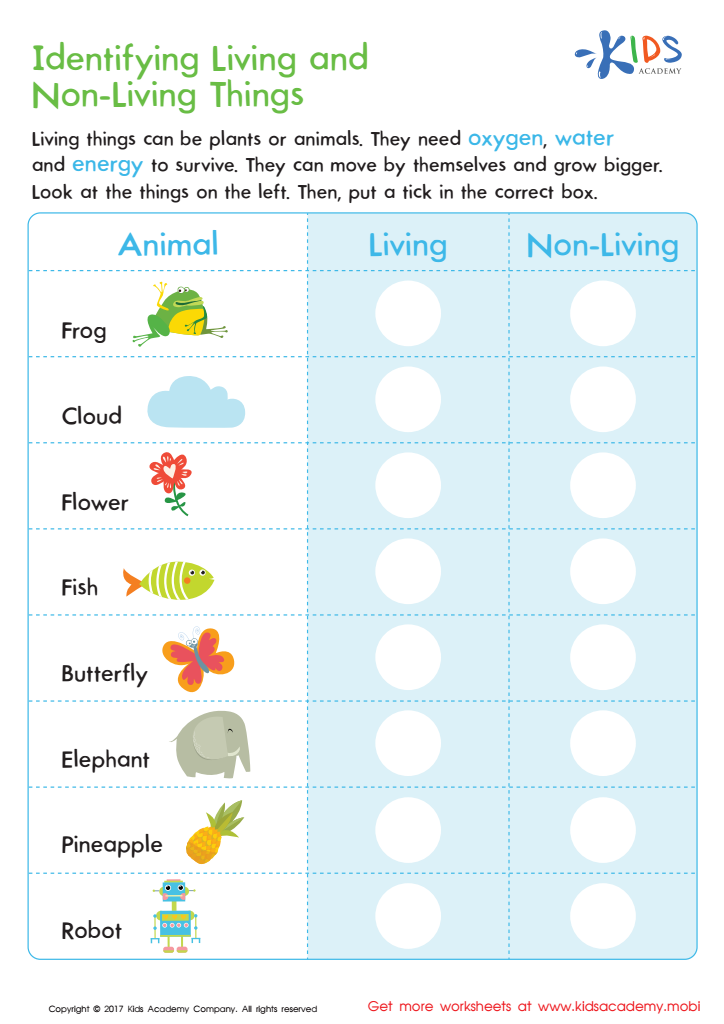
Identifying Living or Non–living Worksheet
 Assign to My Students
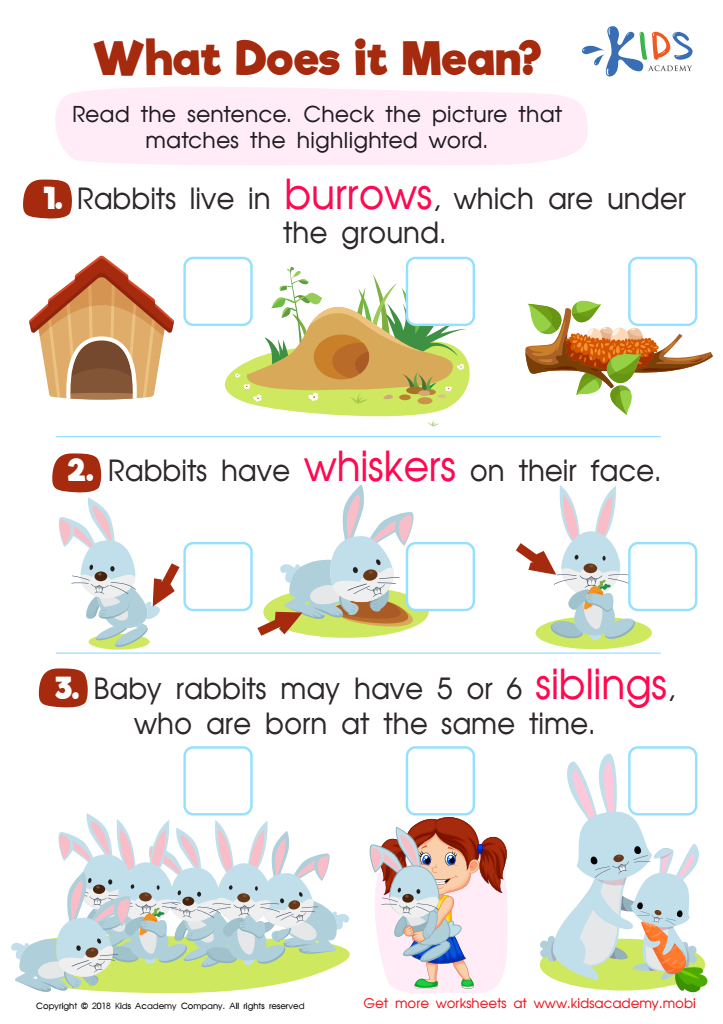
What Does It Mean? Worksheet
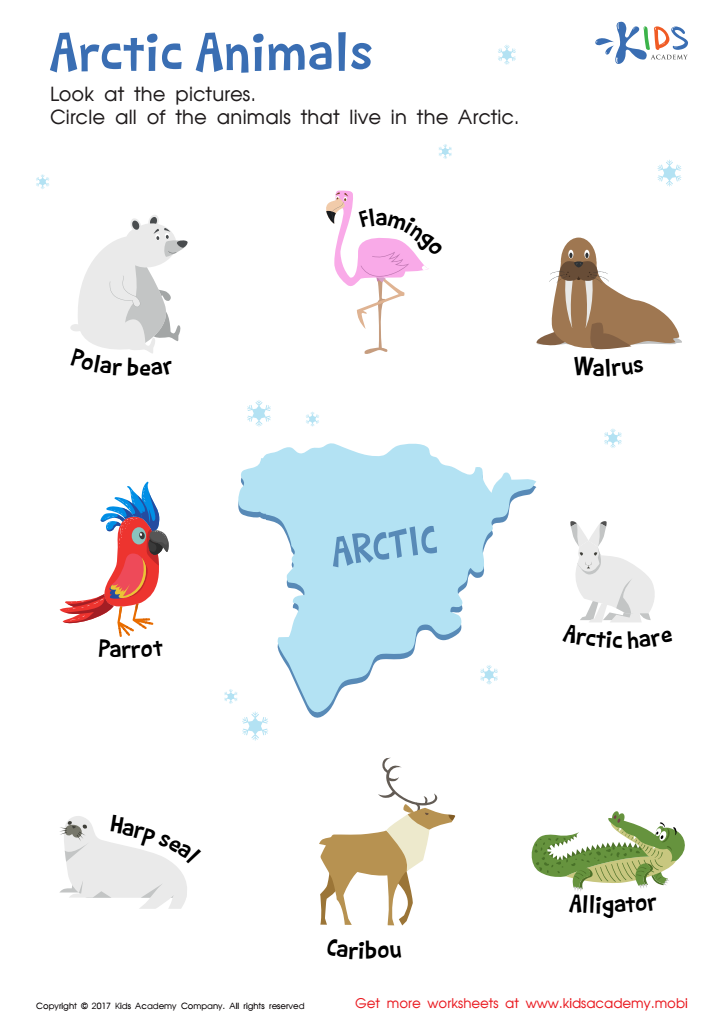
Arctic Animals Worksheet
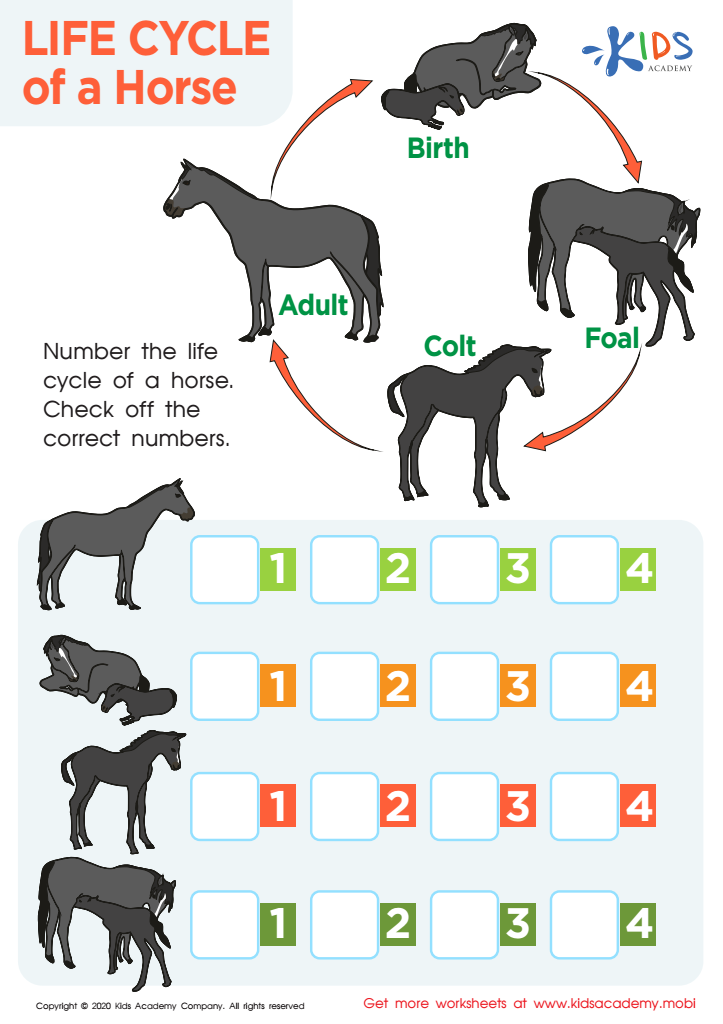
Life Cycle of a Horse Worksheet
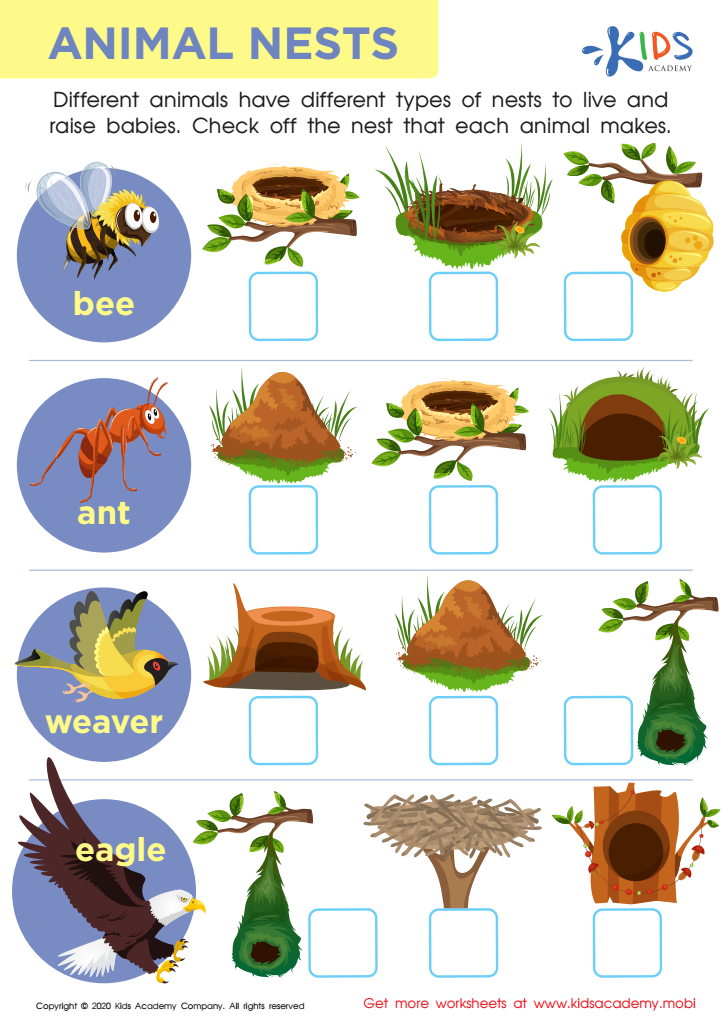
Animal Nests Worksheet
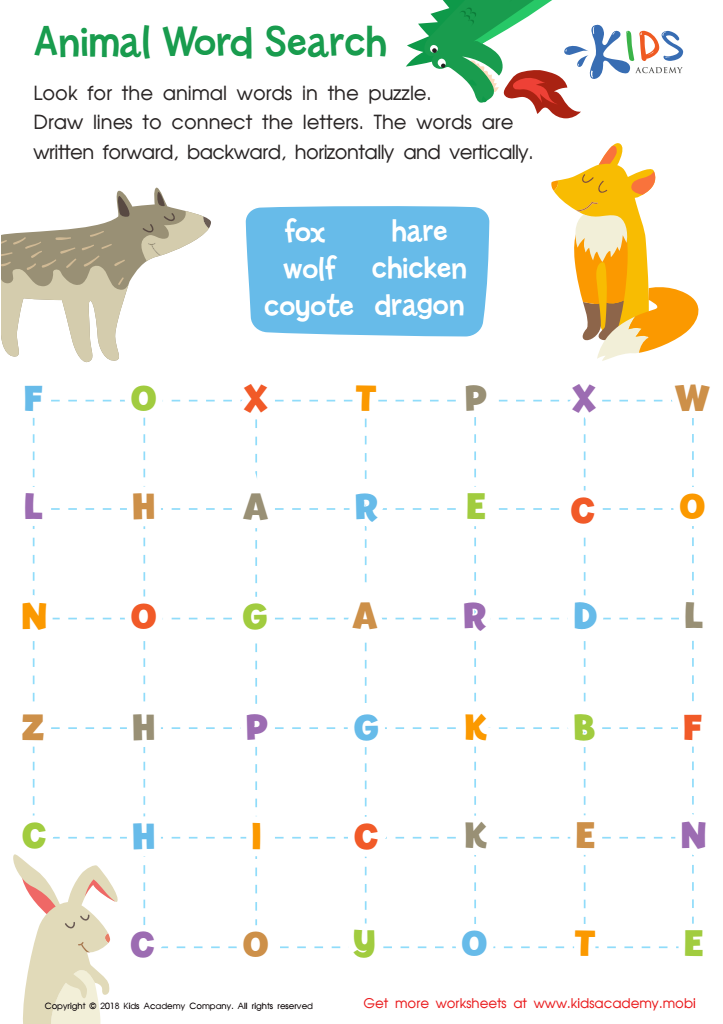
Animal Word Search Worksheet
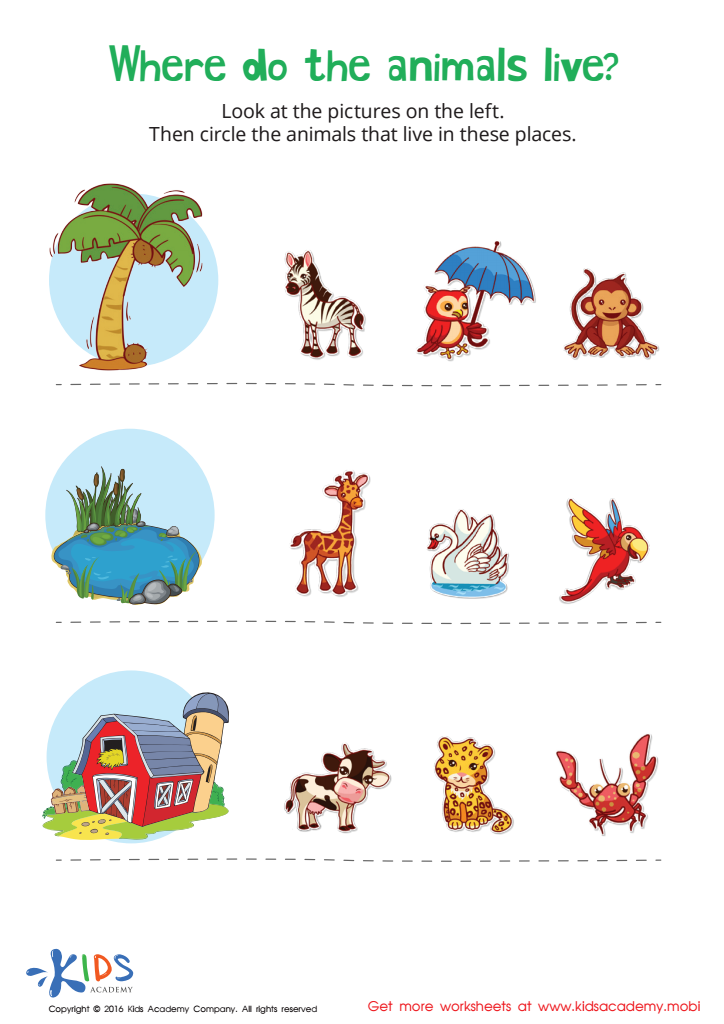
Where Animals Live Worksheet
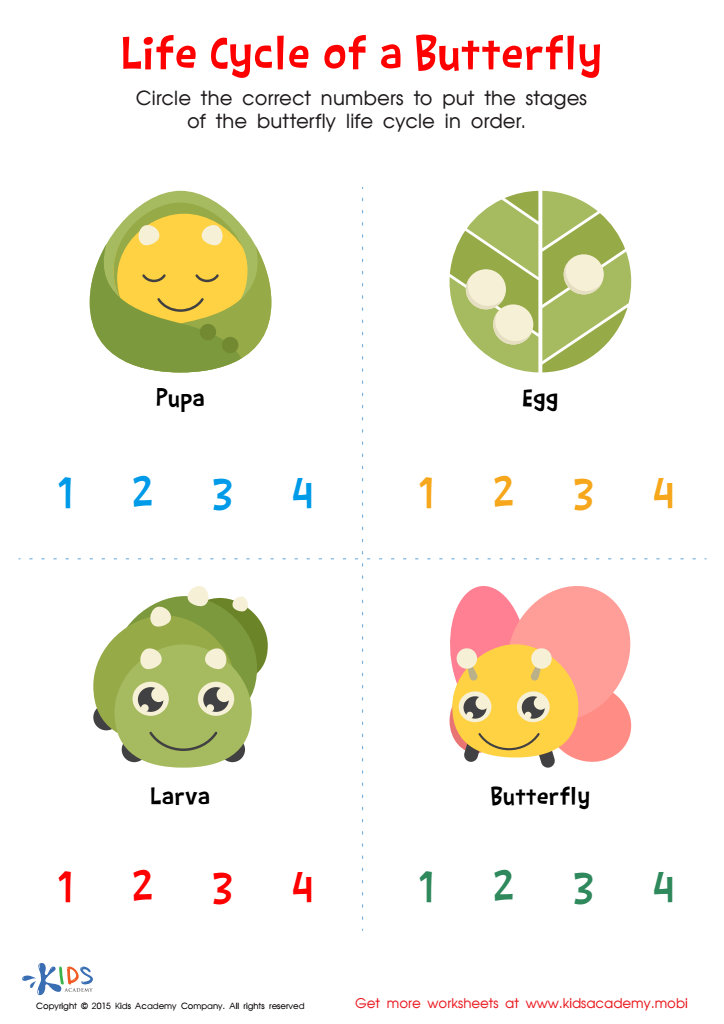
Life Cycle of Butterfly Printable
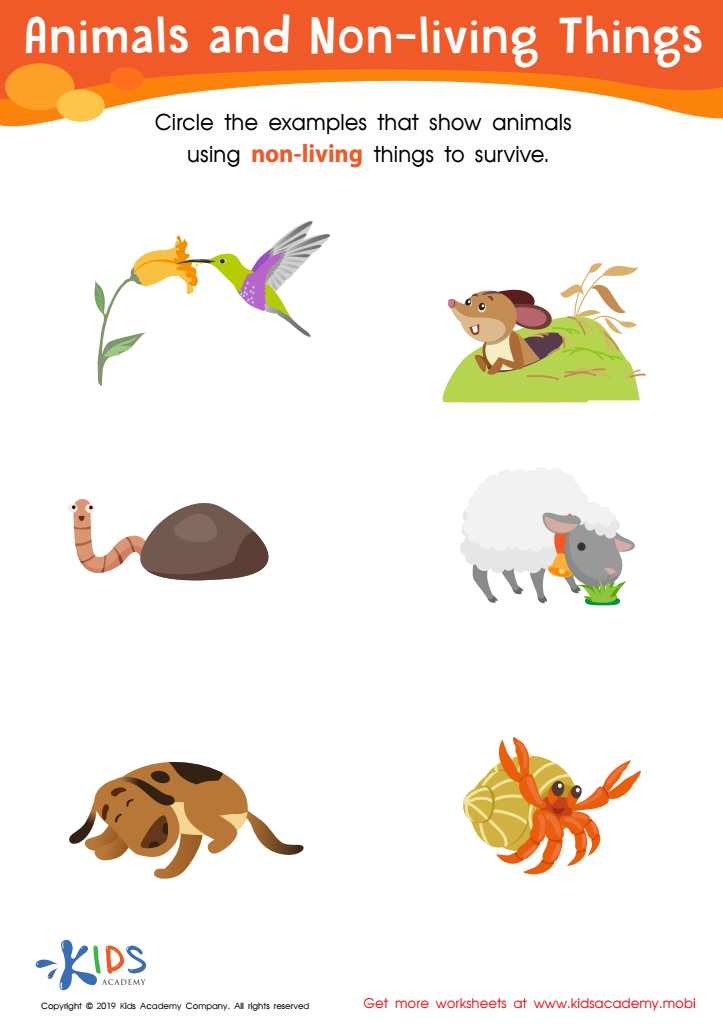
Animals and Non-Living Things Worksheet
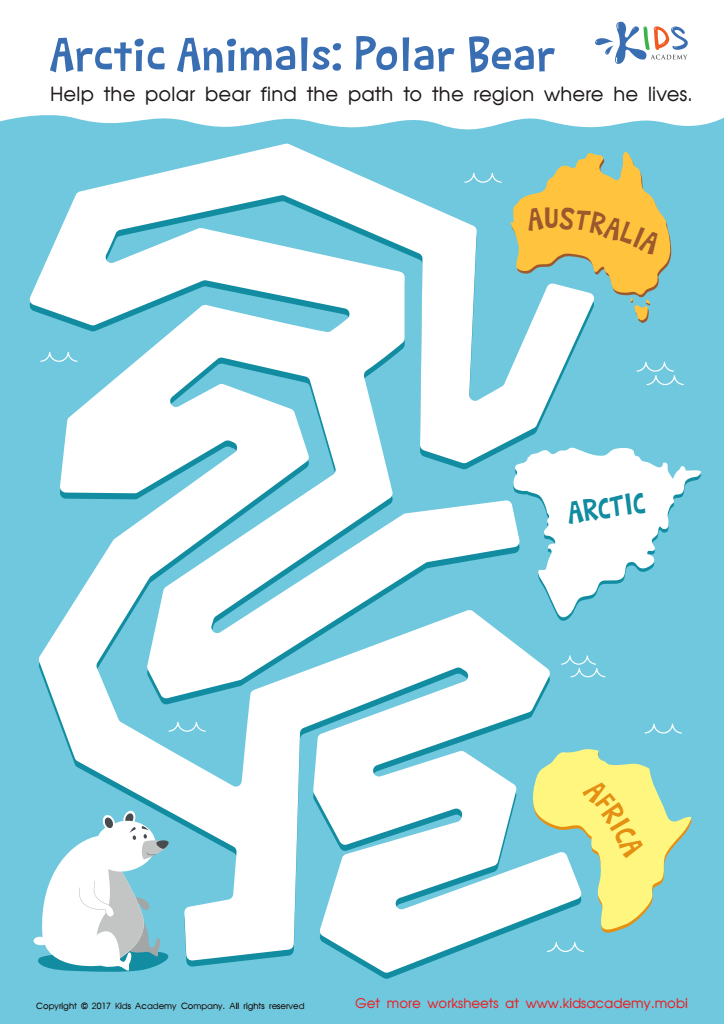
Arctic Animals: Polar Bear Worksheet
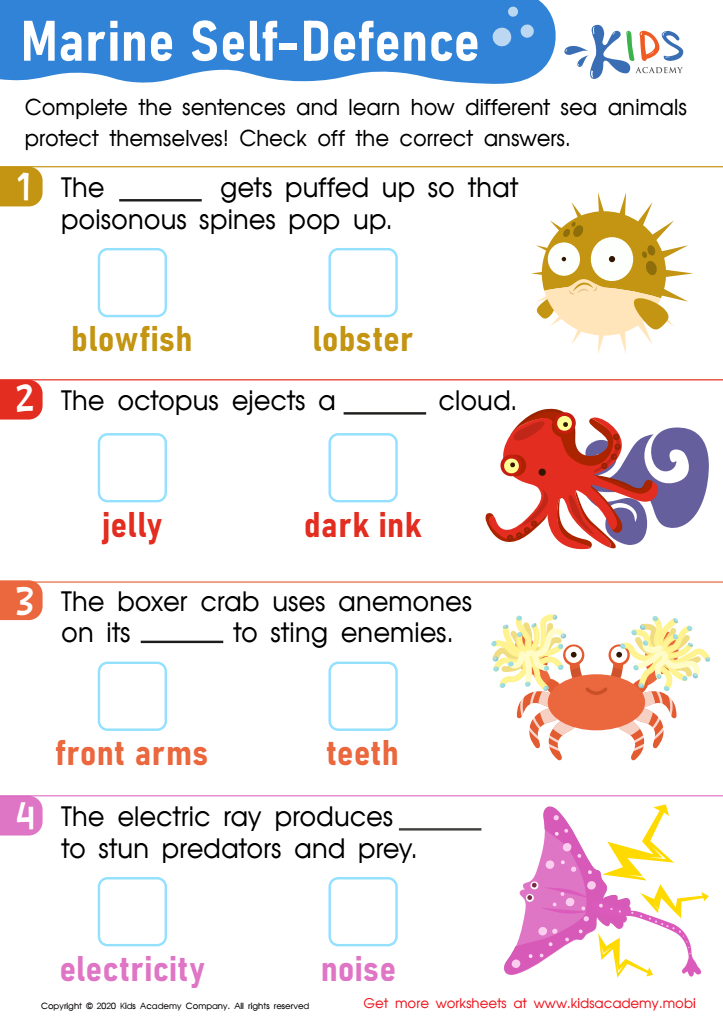
Marine Self-Defence Worksheet
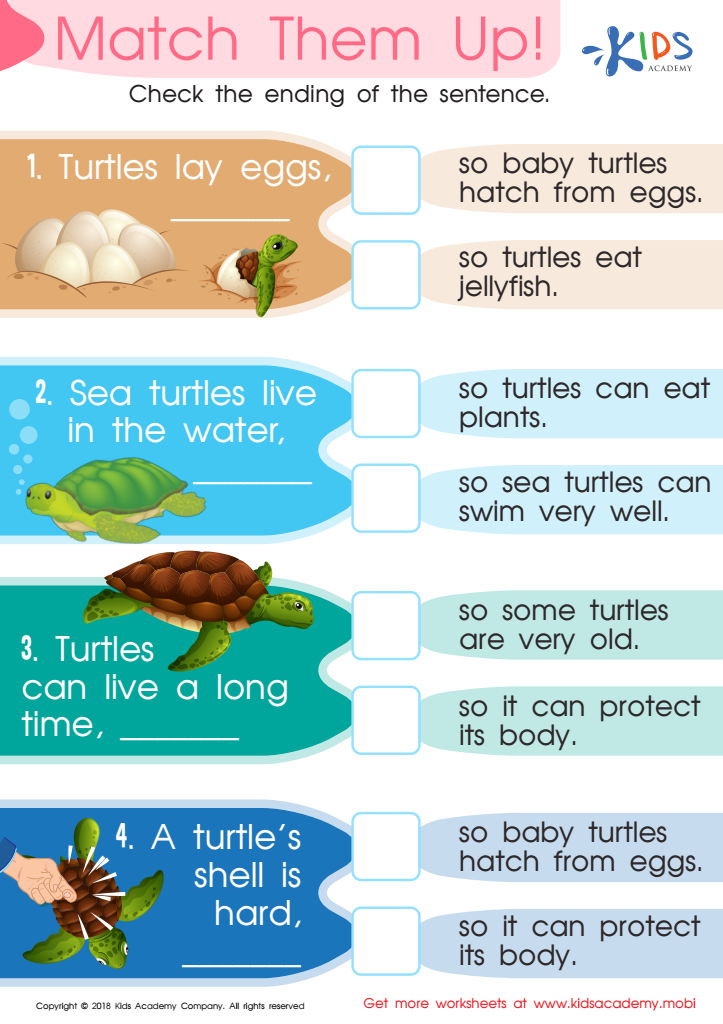
Match Them Up Worksheet








Parents and teachers should care about animals for children ages 3-6 because early connection with animals fosters empathy, compassion, and a sense of responsibility in young learners. At this crucial developmental stage, children are naturally curious about the world around them, and introducing them to animals provides countless learning opportunities. Through observing and interacting with animals, children can learn about life cycles, ecosystems, and environmental stewardship in a hands-on, engaging way. This not only enhances their cognitive development but also offers valuable lessons in biology and ecology.
Moreover, animals can play a crucial role in teaching social skills and cooperative behaviors. Interactions with pets or during group activities such as visiting a farm can encourage sharing, turn-taking, and communication. These experiences help children develop strong interpersonal skills.
Caring for animals also promotes emotional development. Children learn empathy as they see and respond to the needs of living creatures, helping them understand emotions and the importance of caring for others. Overall, integrating animals into early childhood education enriches the learning experience and creates a foundation for compassionate, responsible adults who appreciate and protect the world around them.








