Enhancing categorization skills Science Worksheets for Ages 3-6
3 filtered results
-
From - To
Enhance your child's categorization skills with our engaging science worksheets designed for children ages 3-6. These printable activities from Kids Academy make learning fun and interactive, helping little ones understand and group objects based on different attributes. Each worksheet is thoughtfully crafted to promote critical thinking, improve observation skills, and build a strong foundation in early science concepts. Whether sorting animals, distinguishing shapes, or identifying colors, these exercises provide young learners with the essential skills they need for academic success. Give your child a head start in developing their categorization abilities with our comprehensive science resources.
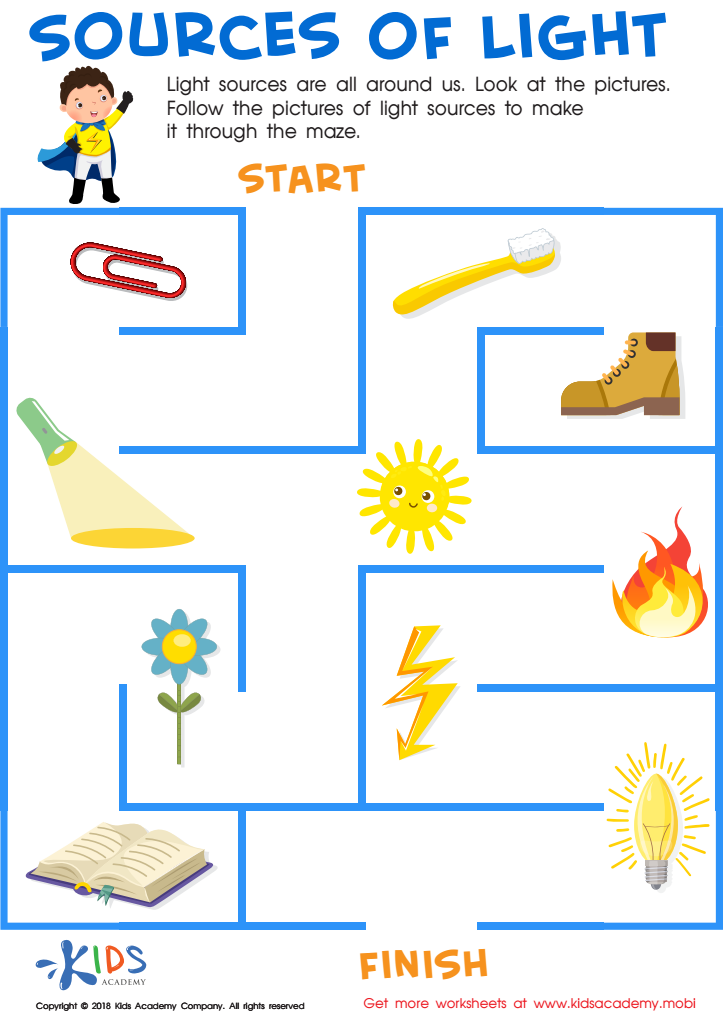
Sources of Light Worksheet
 Assign to My Students
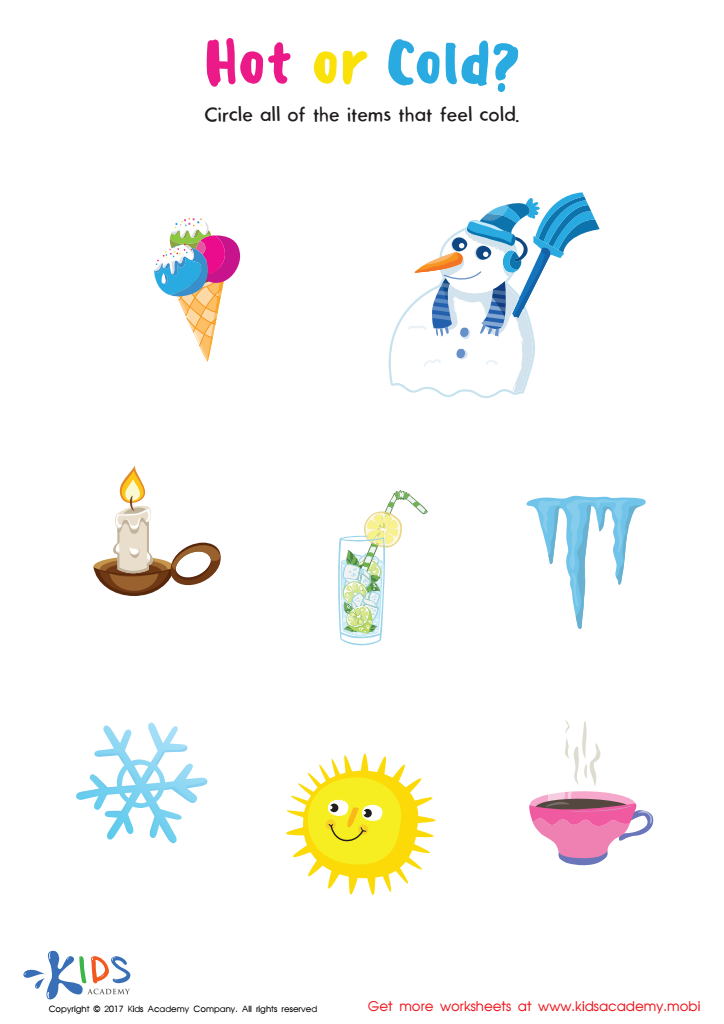
Hot or Cold Printable
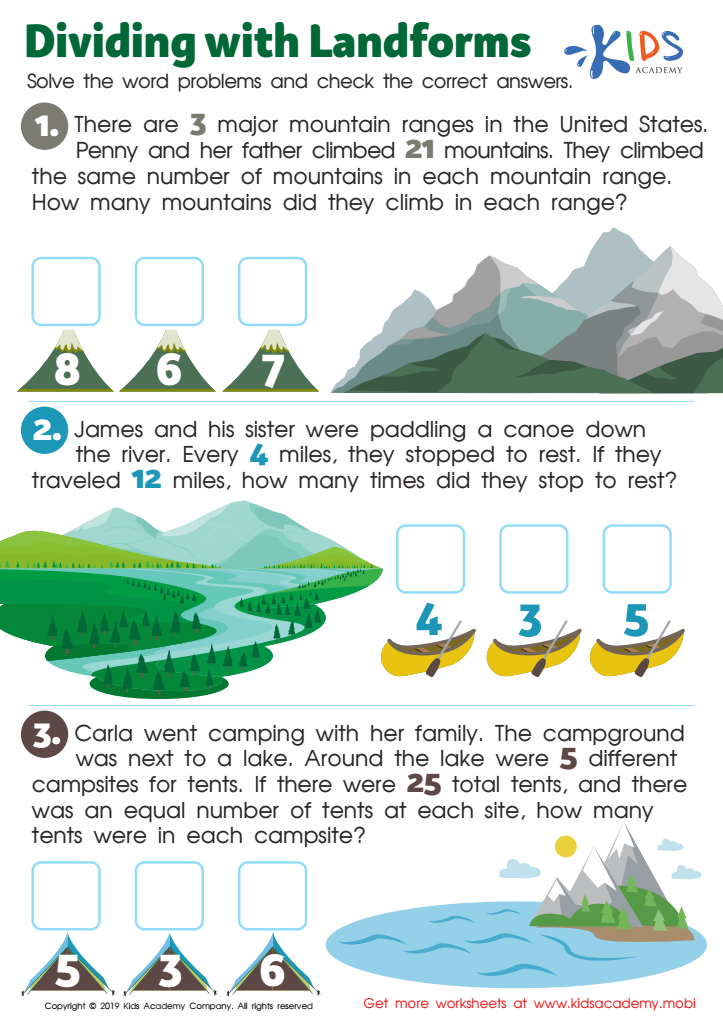
Dividing with Landforms




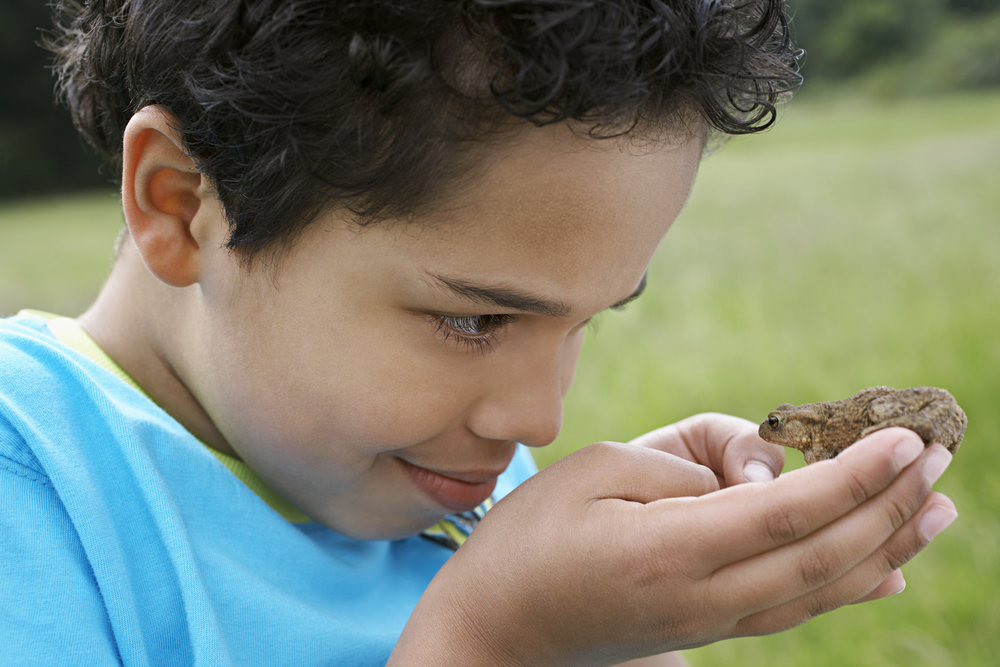



Enhancing categorization skills in science for children aged 3-6 is crucial for both cognitive and language development. At this stage, kids are naturally curious and eager to explore the world around them. Categorization involves grouping objects based on shared characteristics, which is a foundational skill in scientific thinking. By fostering these skills early on, parents and teachers help children develop critical thinking abilities, such as observation, comparison, and analysis.
Moreover, categorization aids in vocabulary expansion. When children learn to categorize objects—say, by sorting animals, plants, or types of weather—they’re introduced to a broad range of words and concepts, enhancing language development. This, in turn, lays the groundwork for more complex scientific learning and comprehension later in life.
Additionally, categorization skills improve memory and information retrieval. By organizing information into categories, young minds can recall information more easily, aiding in both academic and everyday problem-solving scenarios.
Furthermore, these skills help children understand the world efficiently and build a structured way of thinking. Enhancing categorization abilities can also boost confidence and a sense of achievement as kids successfully sort and classify elements of their environment.
In summary, fostering categorization skills in young children creates a robust foundation for future learning, improves language acquisition, and strengthens mental organization and critical thinking, making it an essential focus for early education.







