Enhancing observational skills Science Worksheets for Ages 3-6
3 filtered results
-
From - To
Enhancing observational skills is vital for young learners, and our Science Worksheets for Ages 3-6 offer engaging and interactive activities designed to sharpen these crucial abilities. Through vibrant images, fun matching games, and simple experiments, children will boost their attention to detail and develop critical thinking. Perfect for both classroom and at-home learning, these worksheets align with early education benchmarks, promoting curiosity and foundational scientific understanding. Easy to download and print, they provide a valuable resource for parents and educators aiming to nurture inquisitive minds and foster a lifelong love of discovery in young explorers.
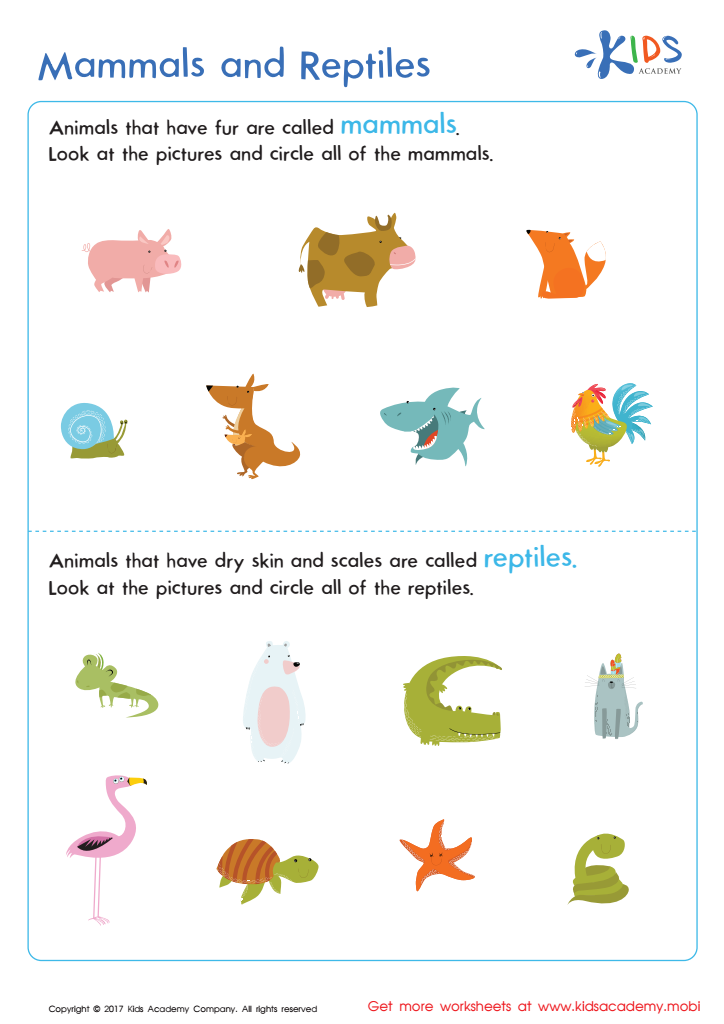
Mammals and Reptiles Worksheet
 Assign to My Students
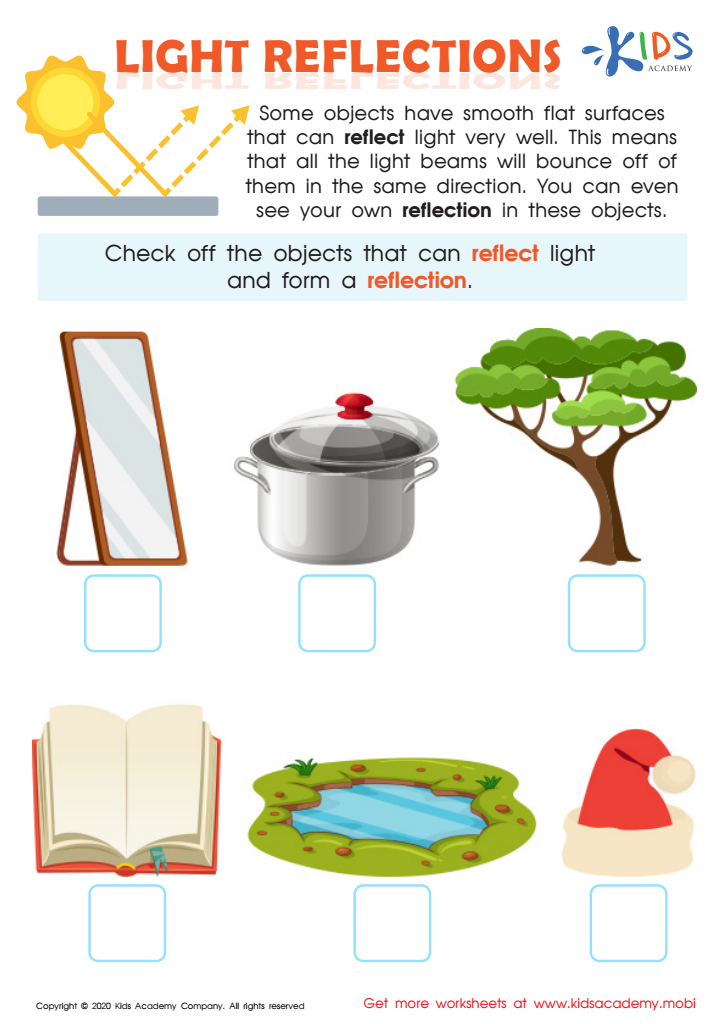
Light Reflections Worksheet
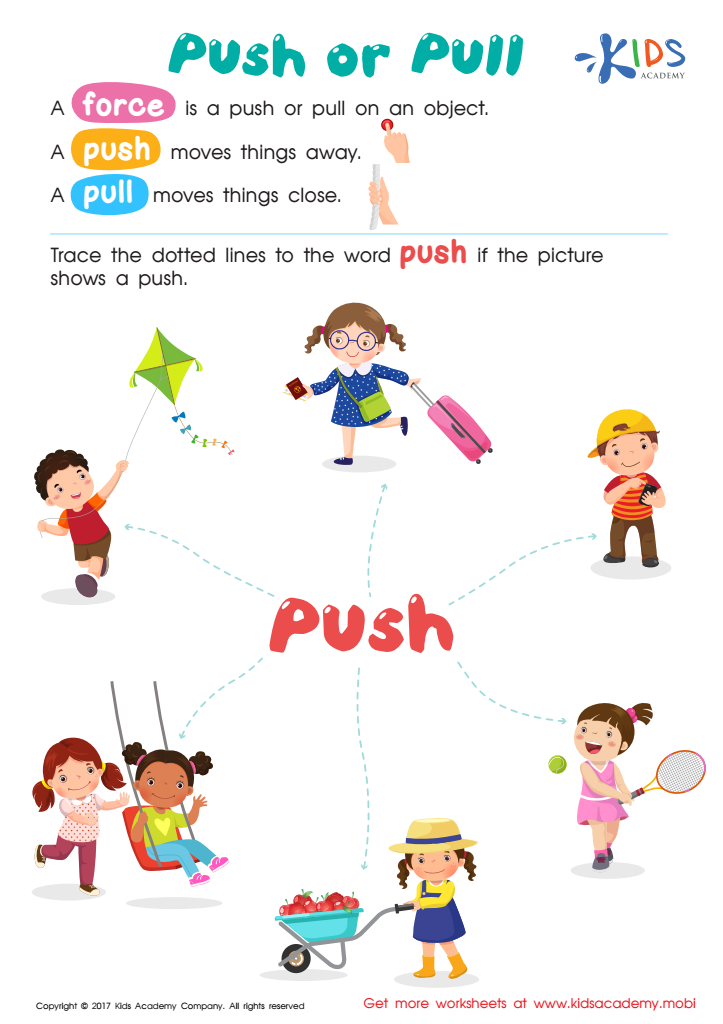
Push or Pull Worksheet



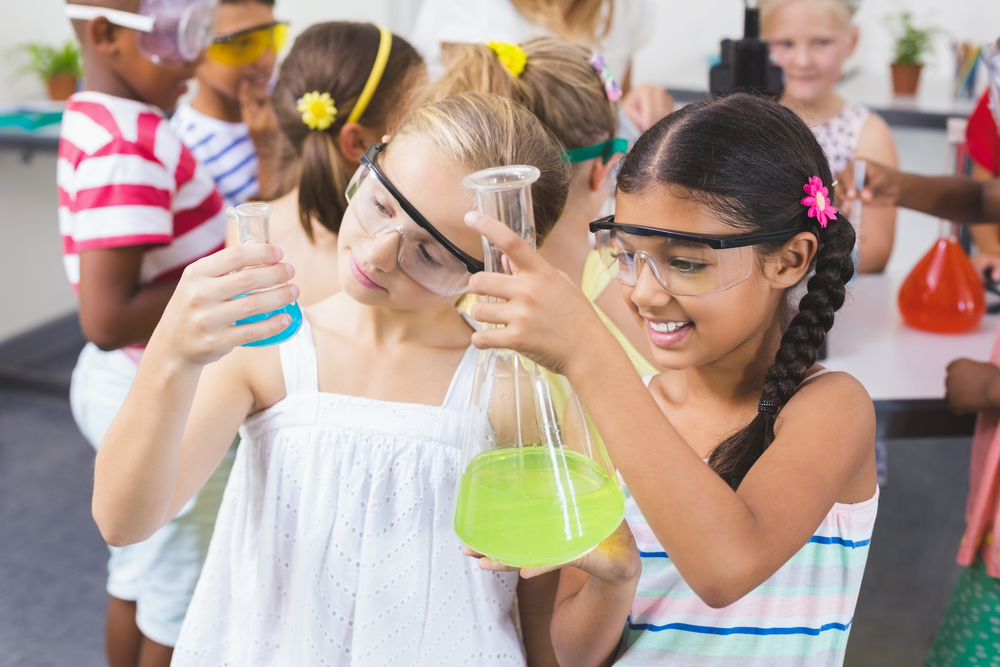



Enhancing observational skills in science for children ages 3-6 is crucial for both parents and teachers as it lays the foundation for critical thinking and learning in later stages of life. At this developmental stage, young children are naturally curious and eager to explore their surroundings. By fostering observational skills, we help them tune into their environment, notice details, and ask questions, thereby promoting curiosity and a lifelong love for learning.
For parents, nurturing these skills at home can strengthen the parent-child bond and create enriching, shared learning experiences. Engaging in simple scientific activities like observing changes in weather, watching plants grow, or noting differences in texture and color can be tremendously impactful. These activities naturally incorporate early math and language skills, providing a well-rounded developmental boost.
For teachers, encouraging observational science in the classroom translates to more active and engaged learners. It helps children develop focus, patience, and analytical thinking. Such early educational foundations are critical in preparing children for more structured scientific inquiry in future academic settings. Additionally, group activities that develop these skills promote better social interaction and collaboration among young learners.
Overall, enhancing observational skills in science from a young age builds a strong interdisciplinary knowledge base, fosters essential life skills, and sets the stage for future academic success.







