Vocabulary Building Plants and Animals Worksheets for Ages 3-6
3 filtered results
-
From - To
Enhance your child’s vocabulary with our engaging Plants and Animals Worksheets, specially designed for ages 3-6. These fun, hands-on activities introduce young learners to essential science concepts while fostering language development. Through colorful visuals, interactive tasks, and simple exercises, children will explore the fascinating world of plants and animals, learning key terms and definitions. Perfect for early education settings or at-home learning, our worksheets promote critical thinking and creativity, ensuring your little ones build a strong foundation in vocabulary. Watch as their language skills flourish while they discover the beauty of nature! Start their adventure in learning today!
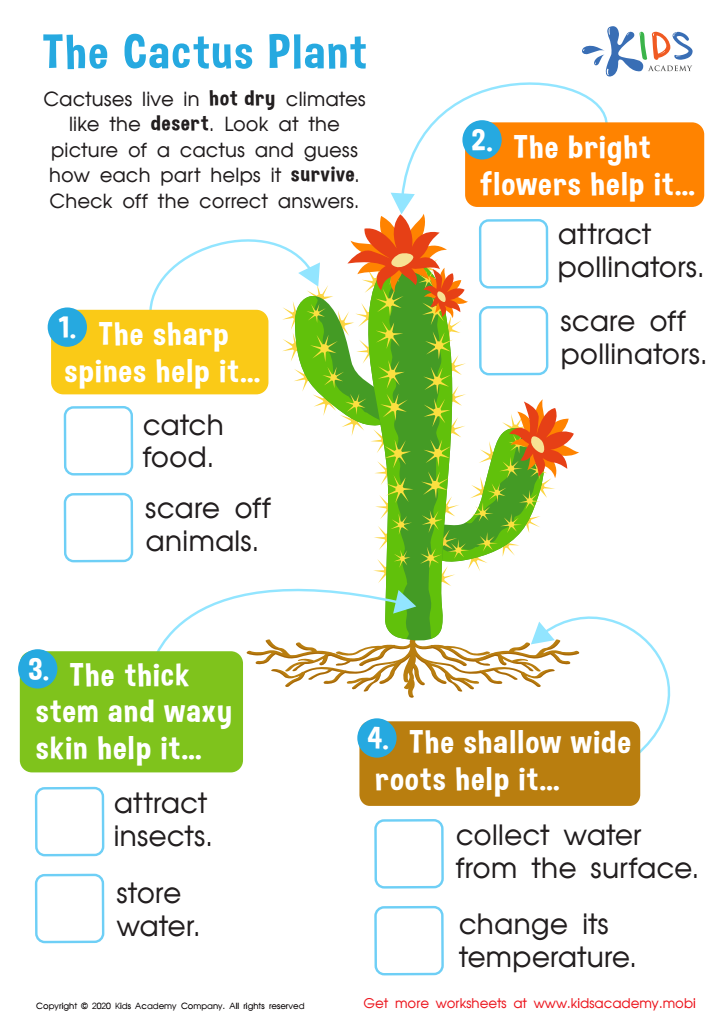
The Cactus Plant Worksheet
 Assign to My Students

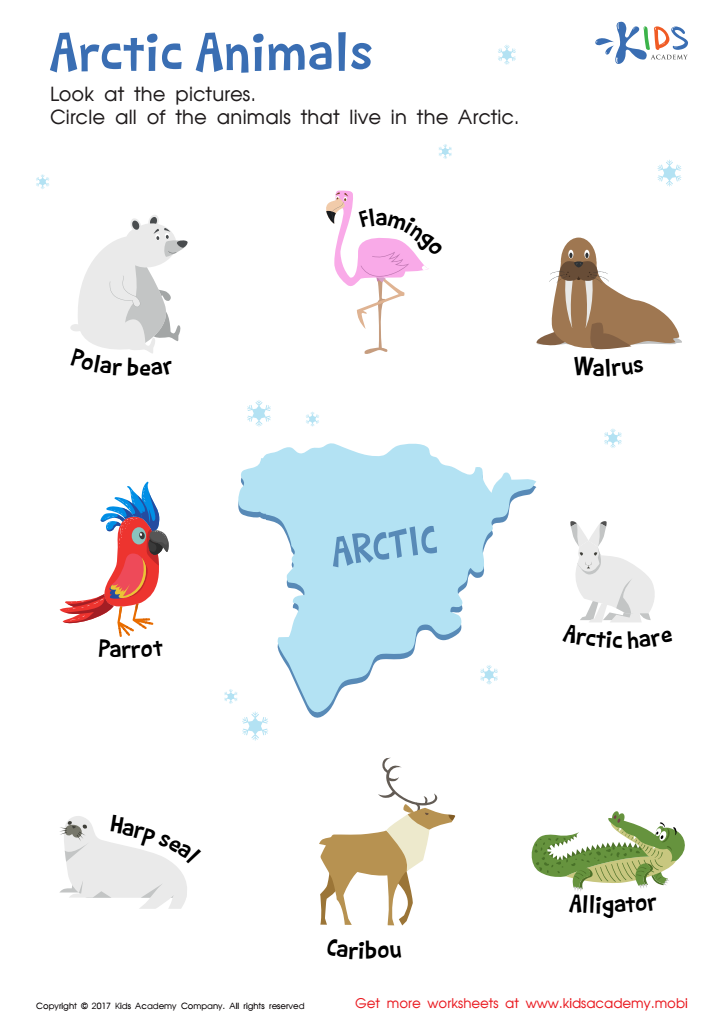
Arctic Animals Worksheet
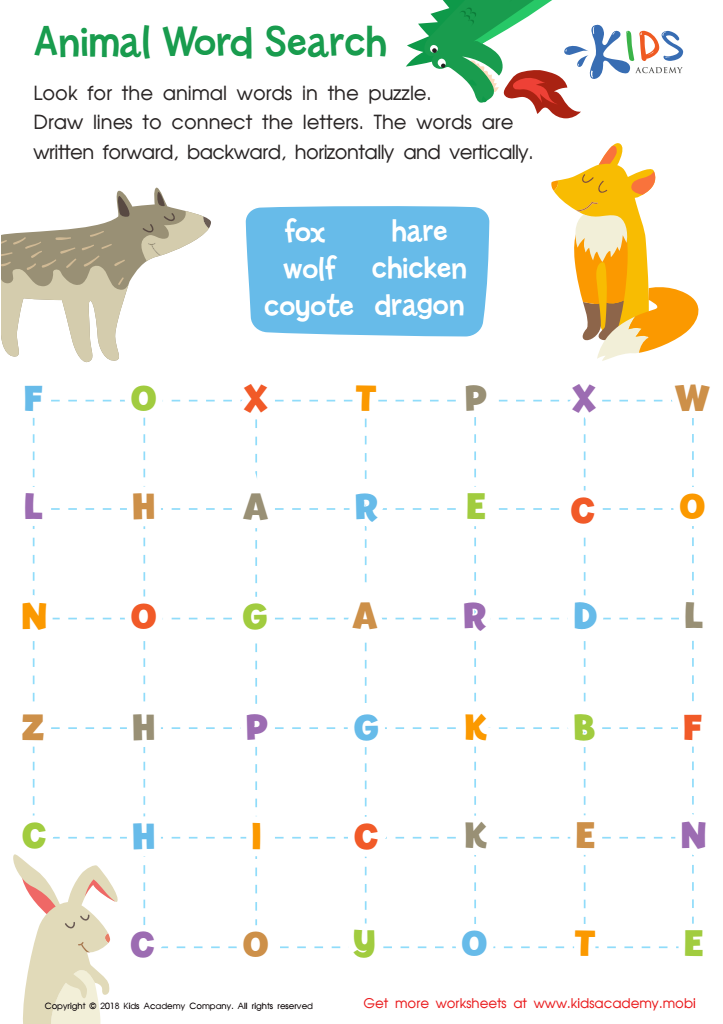
Animal Word Search Worksheet




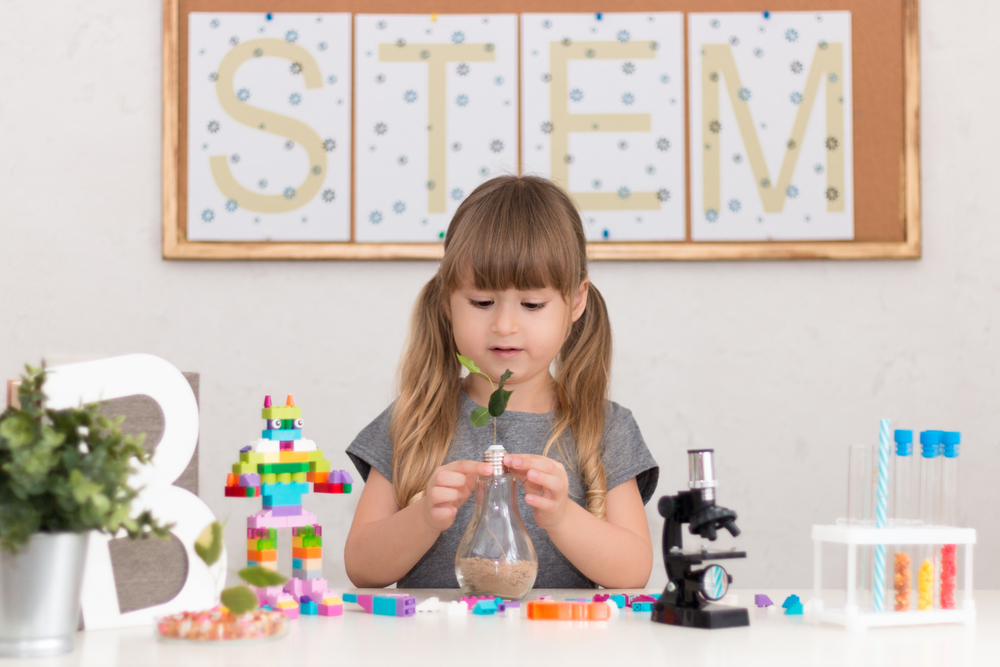

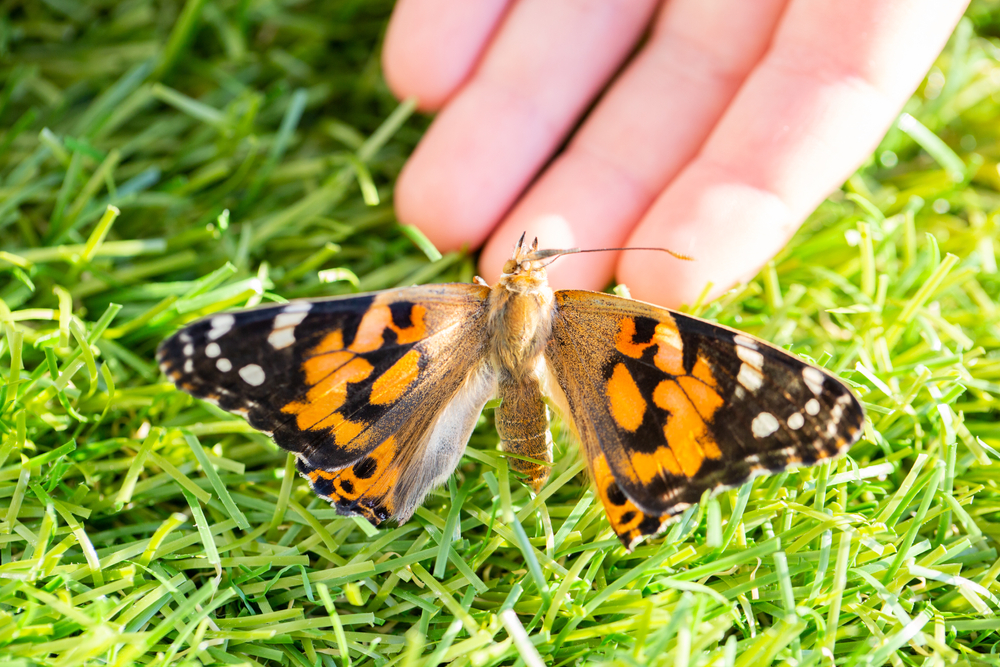

Vocabulary building is crucial for young children, especially in the context of plants and animals. For ages 3-6, engaging children in learning about the natural world fosters not only language development but also critical thinking and observation skills. Early exposure to a diverse range of vocabulary enriches children's language skills, empowering them to articulate their thoughts and emotions more effectively.
Understanding concepts related to plants and animals helps develop scientific literacy, promoting curiosity and a foundational comprehension of biology in an age-appropriate manner. When children learn specific terms connected to nature—like ‘photosynthesis,’ ‘habitat,’ or ‘herbivore’—they grasp the interconnectedness of their environment, enhancing their ability to express and question observations.
Moreover, vocabulary building in this area fosters emotional and social development. Children often form connections to their surrounding world, leading to a sense of wonder, empathy, and responsibility towards nature. Teachers and parents can play a vital role by incorporating playful activities, storytelling, and hands-on experiences with plants and animals, creating an enriching, meaningful learning environment. Ultimately, a robust vocabulary leads to greater academic success, allowing children to engage more deeply with their primordial curiosities throughout their educational journey.