
Sentence completion Punctuation Worksheets for Ages 3-6
3 filtered results
Difficulty Level
Grade
Age
-
From - To
Subject
Activity
Standards
Enhance your child's writing skills with our engaging "Sentence Completion Punctuation Worksheets" designed for ages 3-6! These worksheets provide a fun and interactive way for young learners to practice punctuation while completing sentences. With colorful visuals and simple prompts, your little ones will develop their understanding of sentence structure and punctuation marks. Perfect for home or classroom use, these worksheets encourage creativity and critical thinking as children explore different sentence options. Help your preschoolers and kindergartners Build a strong foundation in writing with our user-friendly and educational resources. Get ready to watch your child's confidence soar as they complete sentences with punctuation!
Favorites
With answer key
Interactive
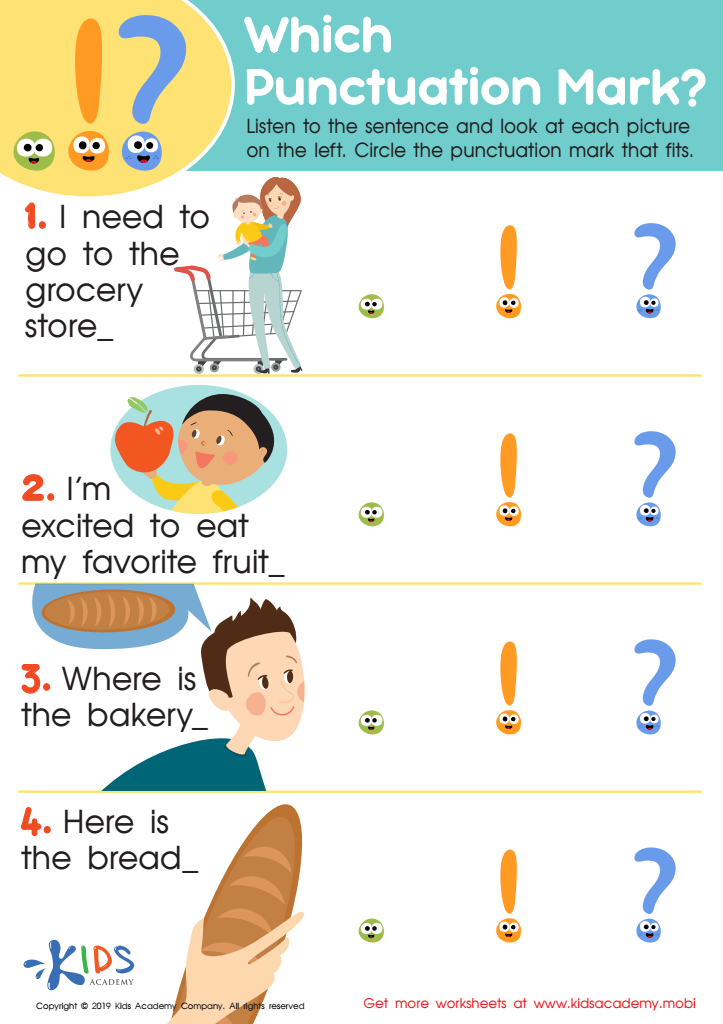
Which Punctuation Mark Worksheet
Punctuation marks are essential for expressing what we say. This worksheet asks your kindergarten student to circle the correct punctuation mark for each sentence. Read each sentence aloud and help them identify the expression needed. A picture accompanies each sentence. Enjoy! (79 words)
 Assign to My Students
Which Punctuation Mark Worksheet
Worksheet
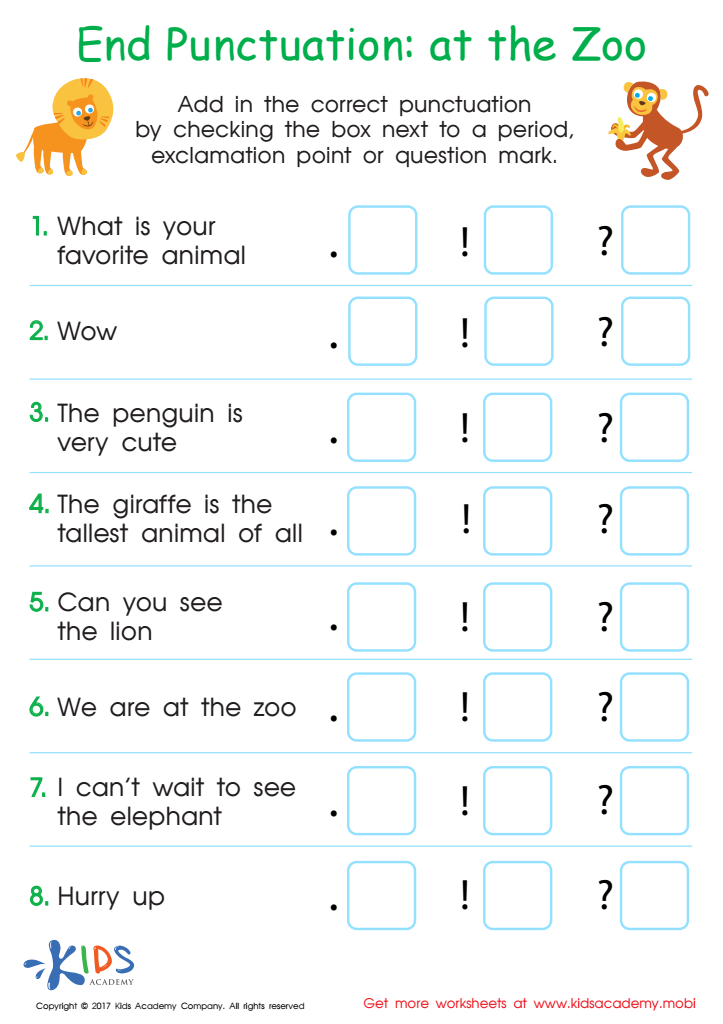
End Punctuation: At the Zoo Worksheet
Let your kid hone their sentence and punctuation skills with this cute At the Zoo worksheet. Read it out loud to provide guidance if needed, and help your child find the right punctuation mark for each sentence.
End Punctuation: At the Zoo Worksheet
Worksheet
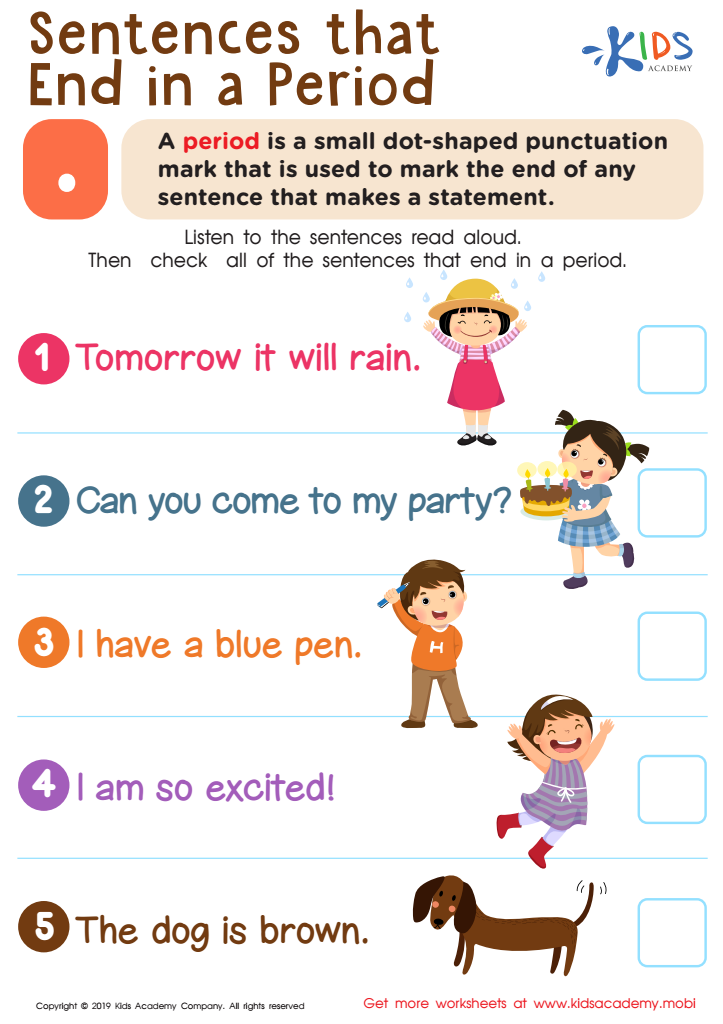
Sentences That End in a Period Worksheet
Before beginning, ask your kids if they know what punctuation marks are and can name a few. Common examples are the period (a small dot-shaped mark at the end of sentences), comma, question mark, and exclamation mark. Help practice their use with questions in the worksheet.
Sentences That End in a Period Worksheet
Worksheet
Join Kids Academy for Free
Who is primarily going to use this learning content?


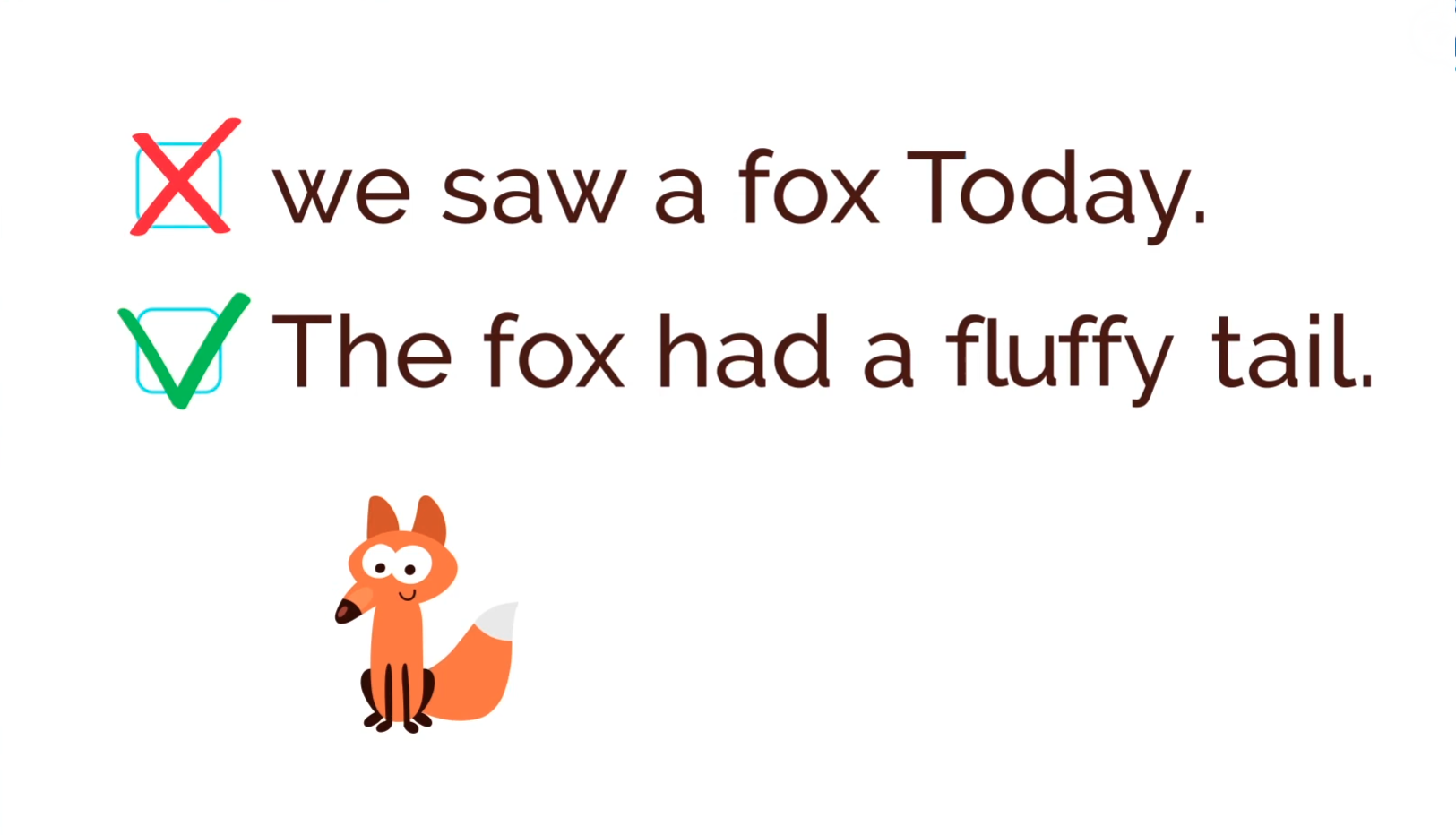


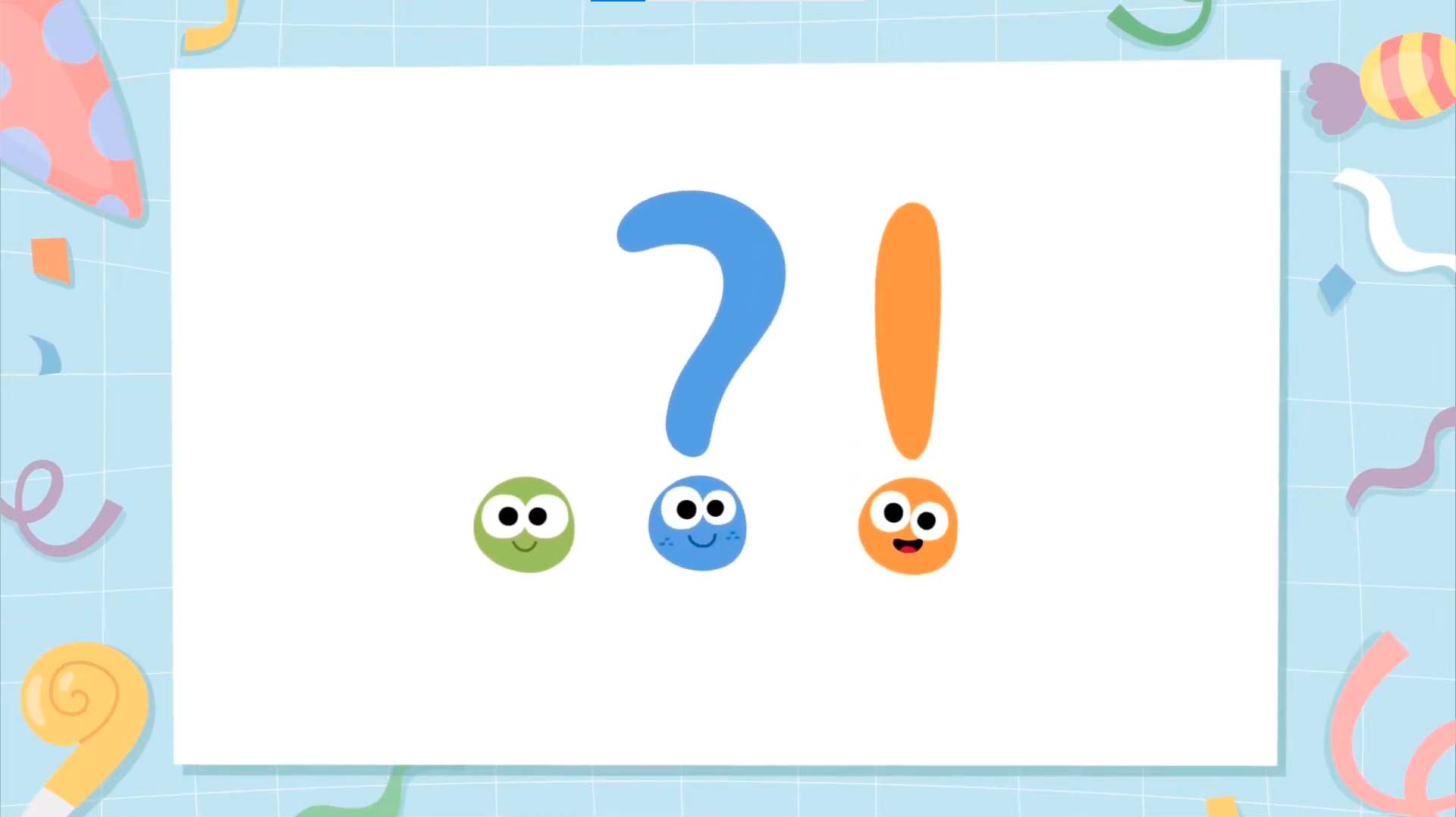

Sentence completion and punctuation are fundamental skills that serve as building blocks for young learners aged 3-6. During this crucial developmental stage, children are not only expanding their vocabulary but also beginning to understand the structure and flow of language. Parents and teachers should care about sentence completion as it fosters creativity and critical thinking, encouraging children to articulate their thoughts and ideas more effectively. Engaging in activities that involve sentence completion empowers children to explore language, enhancing their reading and writing skills.
Punctuation, on the other hand, is vital in teaching young learners how to organize their thoughts coherently. It helps them develop a sense of clarity in communication, teaching them when to pause, ask questions, or express excitement. Both sentence completion and punctuation are not merely academic skills but also support social interactions; children learn to convey emotions and intentions better.
Involving parents and teachers in these exercises ensures a consistent approach to language learning. Together, they can create a rich linguistic environment at home and in the classroom, allowing children to feel confident as they navigate the world of written and oral communication. Ultimately, nurturing these skills prepares children for future academic success and enhances their overall cognitive development.








