Alphabet Recognition Letter Recognition Worksheets for Ages 3-7 - Page 2
45 filtered results
-
From - To
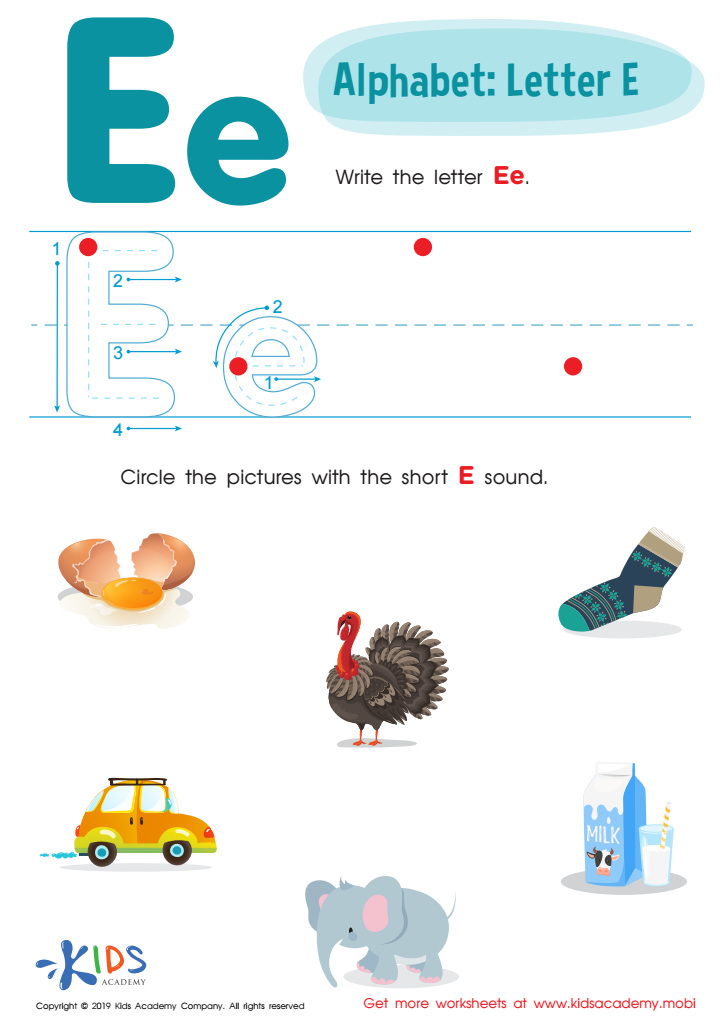
Letter E Tracing Worksheet
Letter W Coloring Sheet
 Assign to My Students
Letter O Coloring Sheet
Assign to My Students
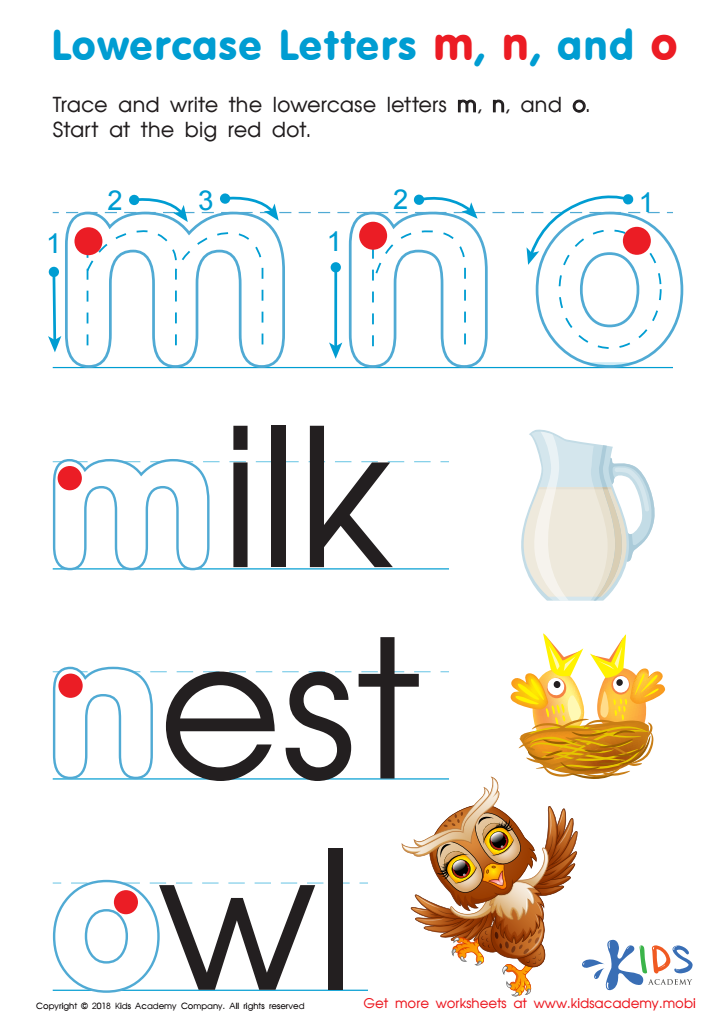
Lowercase Letters m n o Worksheet
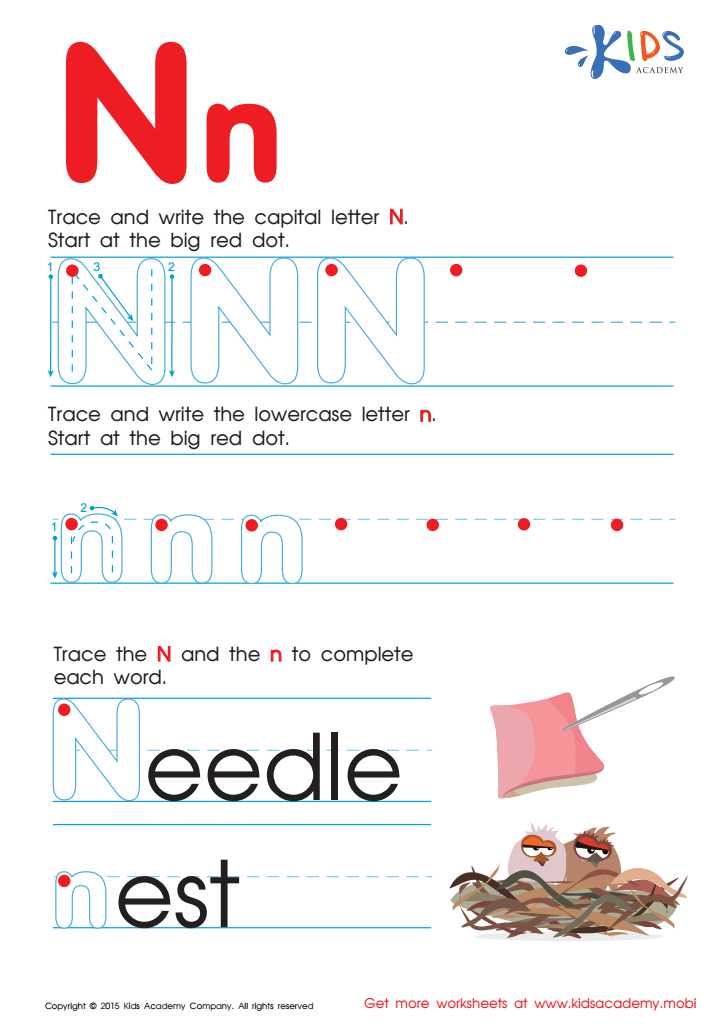
Letter N Tracing Page
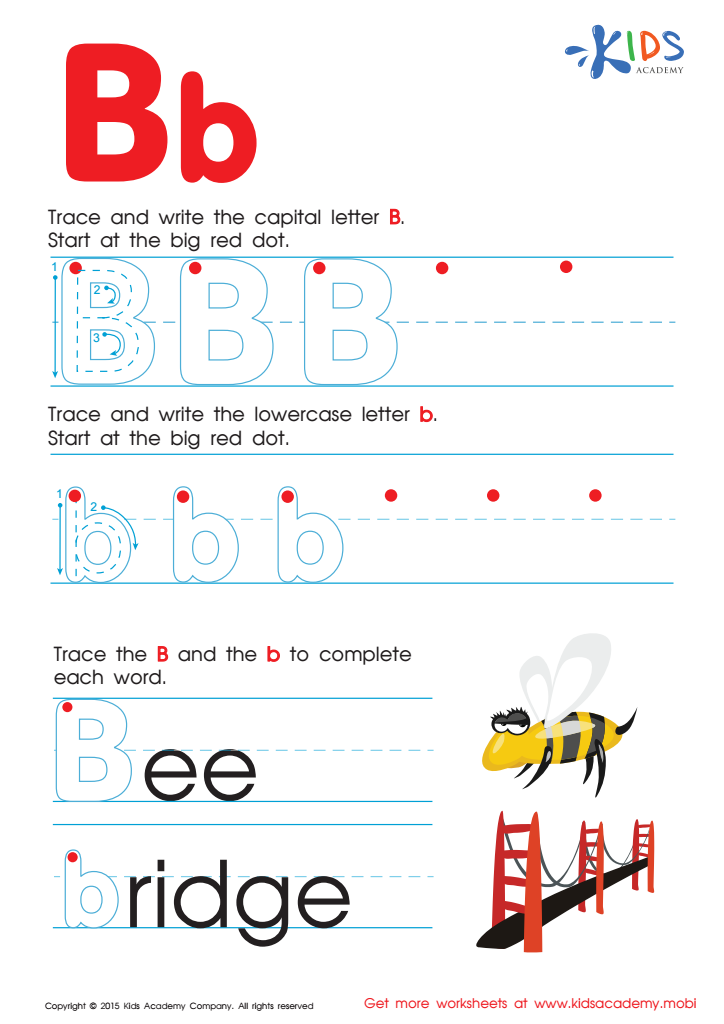
Letter B Tracing Page
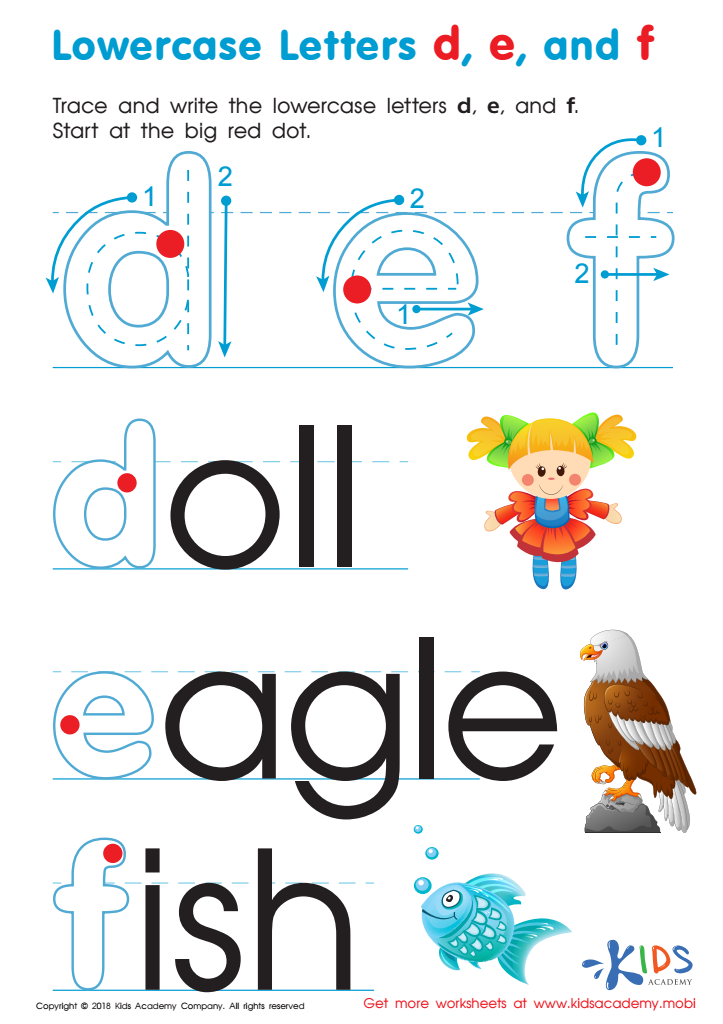
Lowercase Letters d e f Worksheet
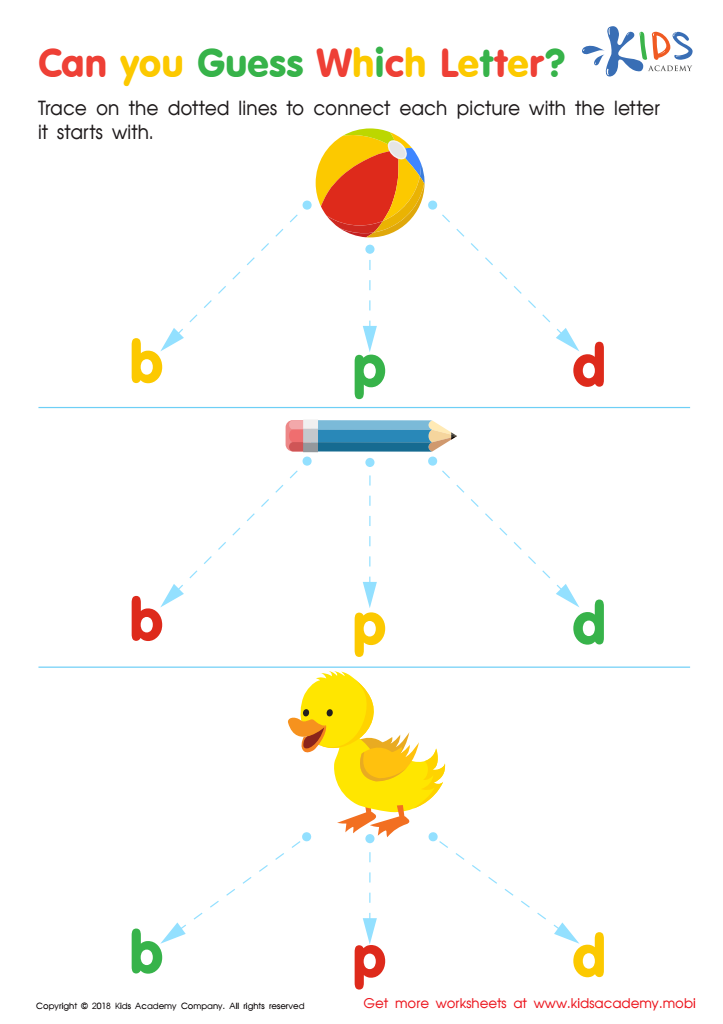
Can you Guess Which Letter? Worksheet
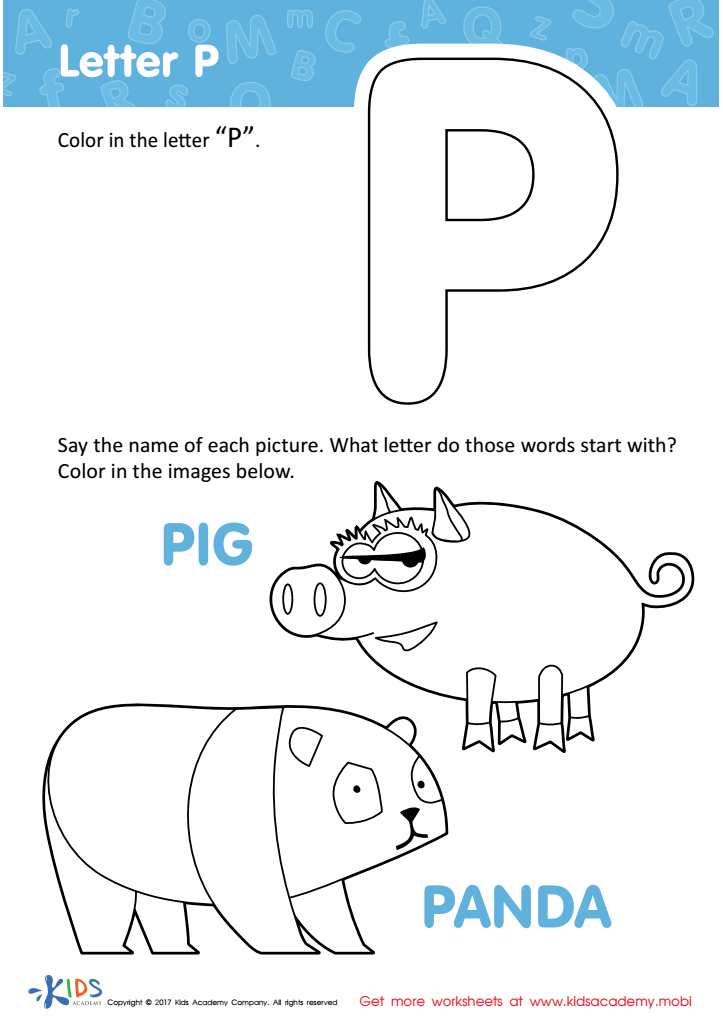
Letter P Coloring Sheet
Assign to My Students
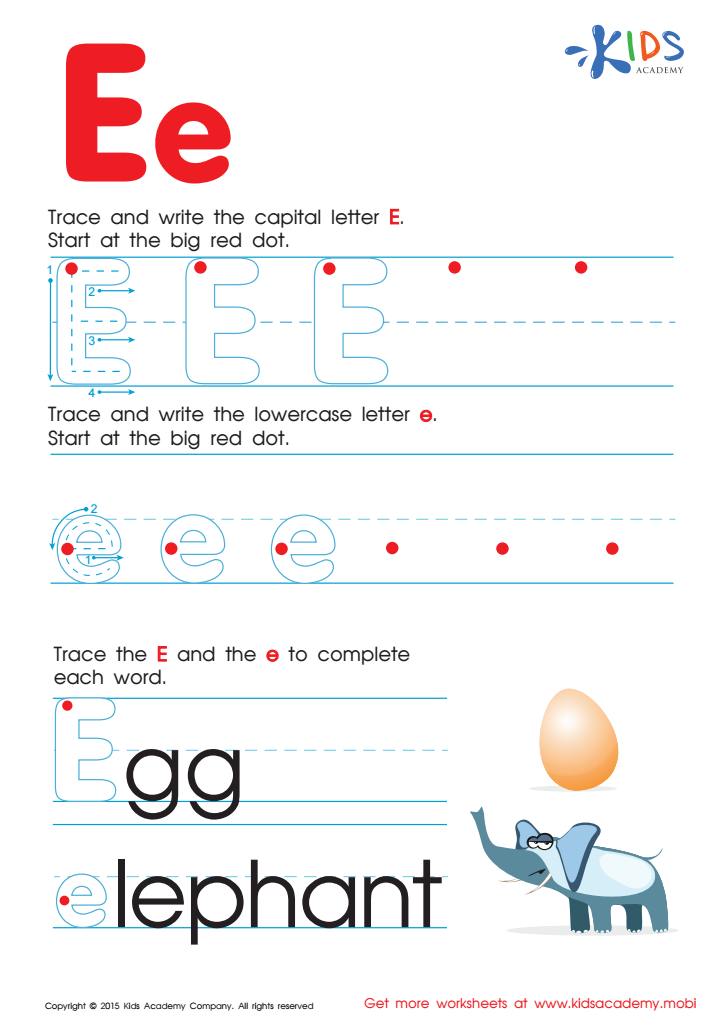
Letter E Tracing Page
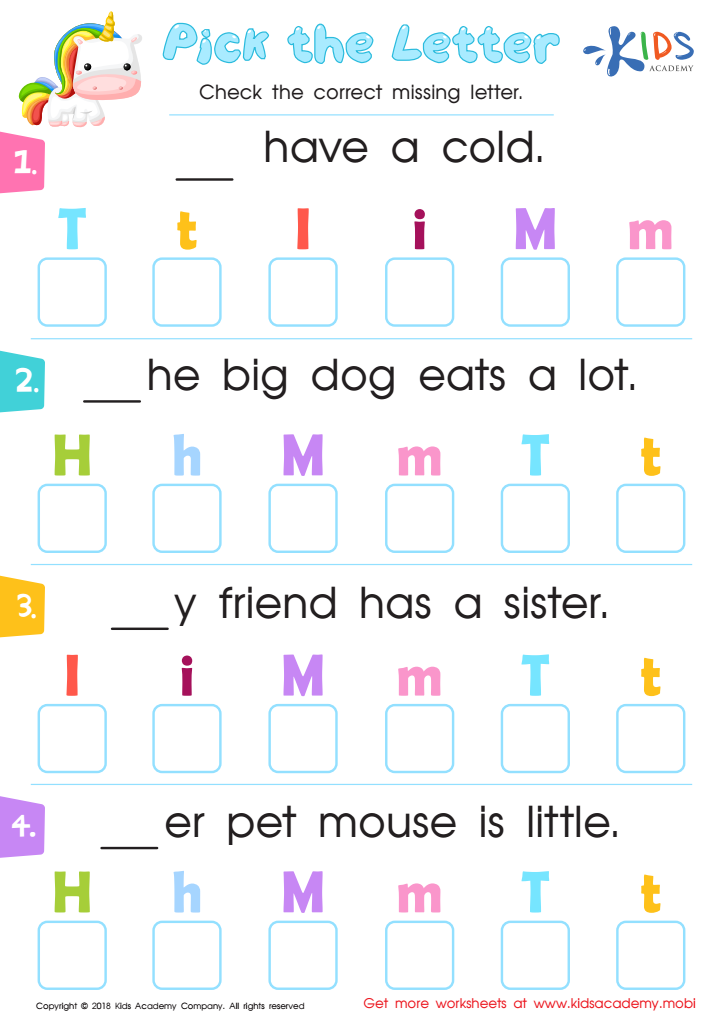
Pick the Letter Worksheet
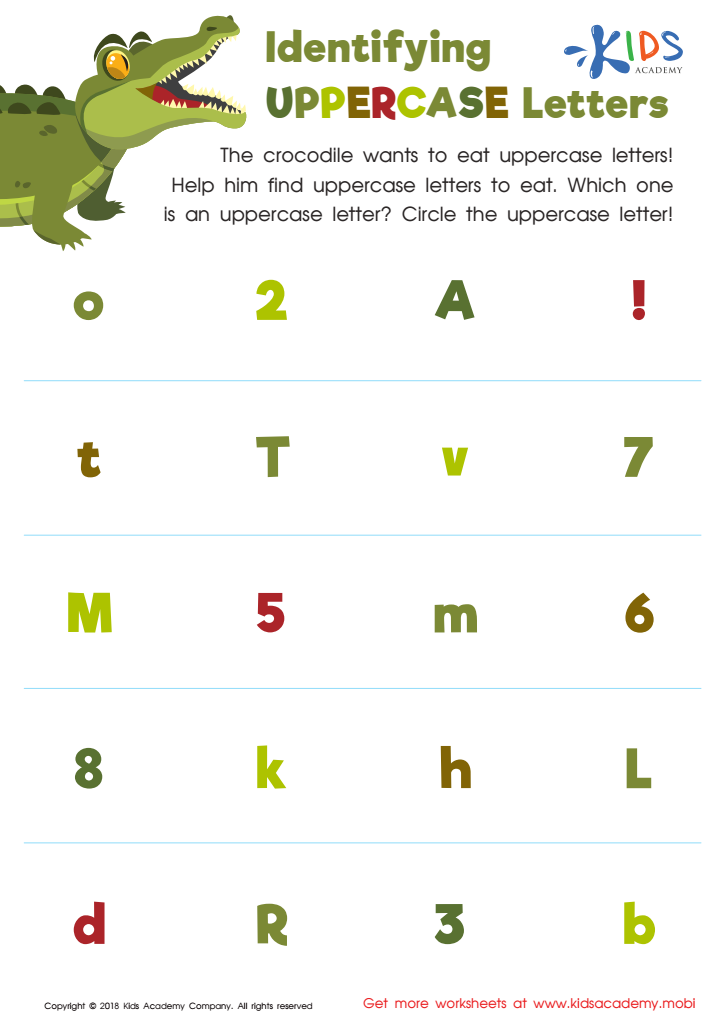
Identifying Uppercase Letters Worksheet
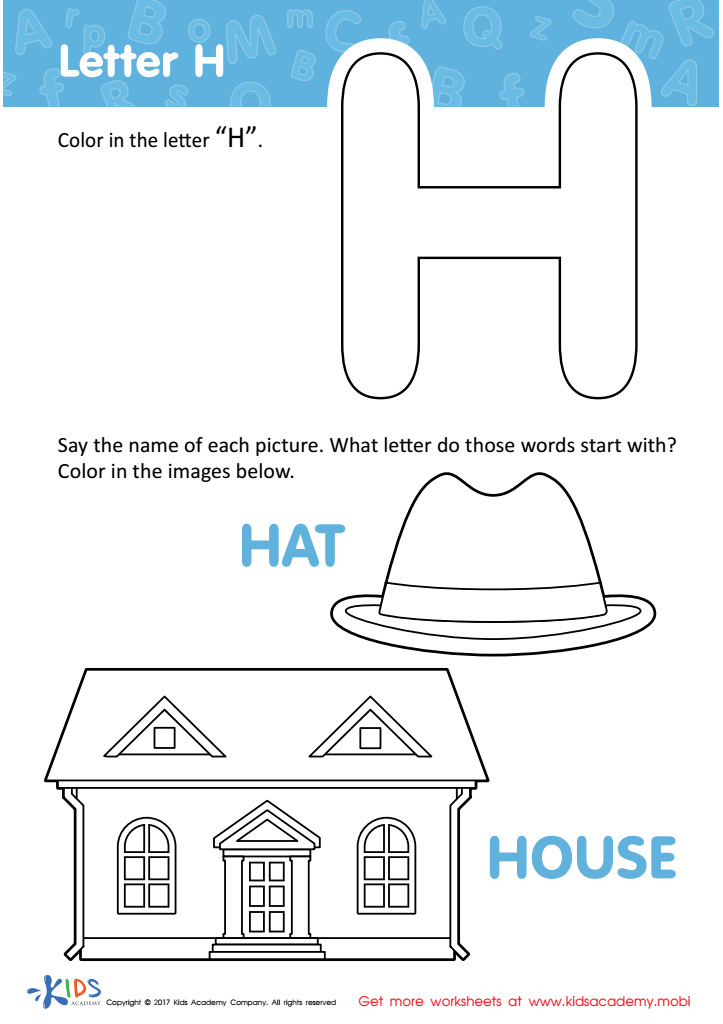
Letter H Coloring Sheet
Assign to My Students
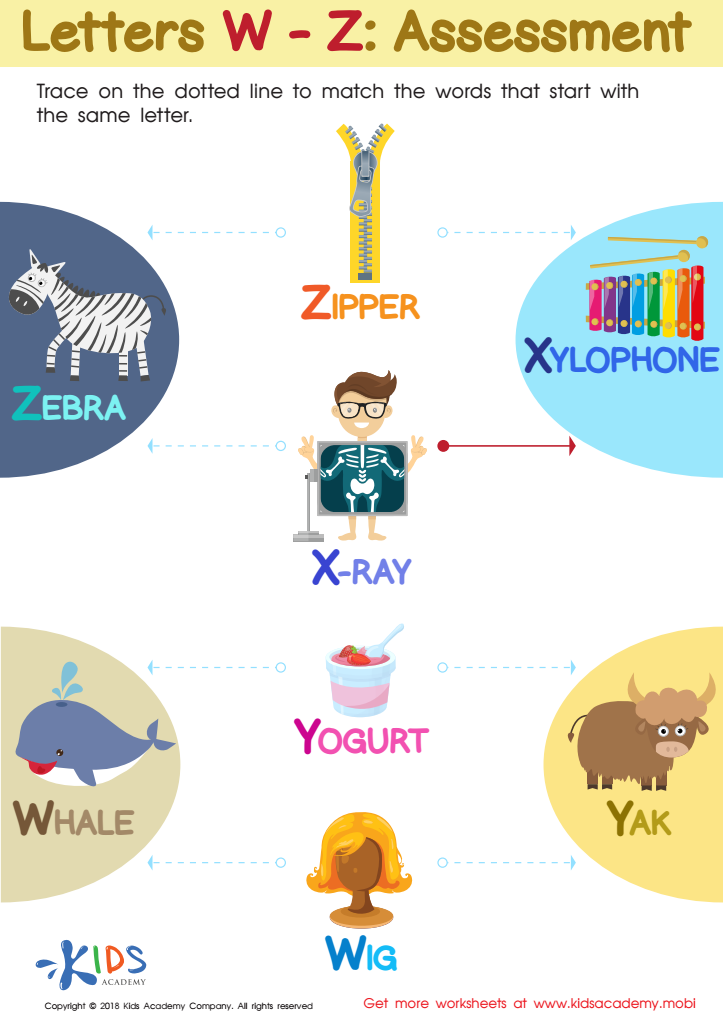
Letters W–Z Tracing Worksheet
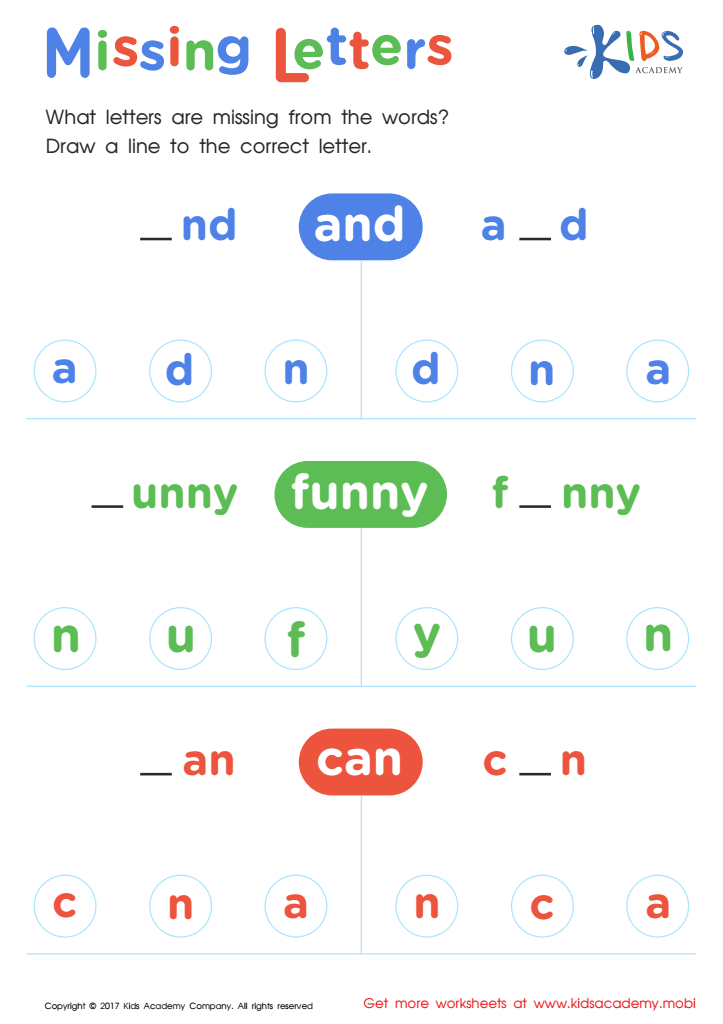
Missing Letters Worksheet
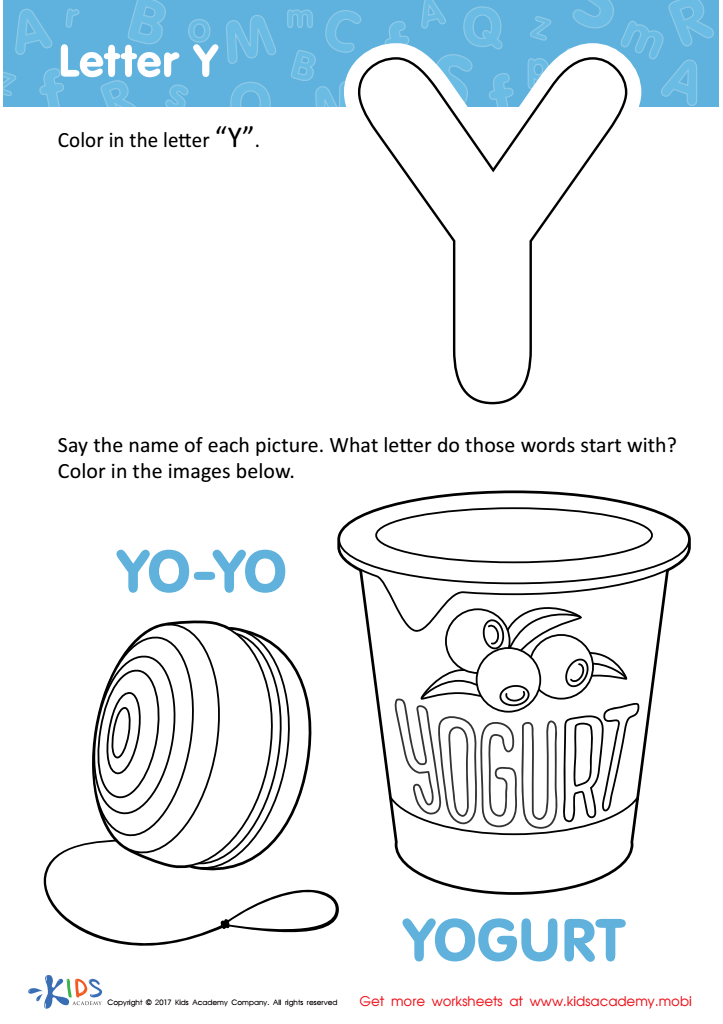
Letter Y Coloring Sheet
Assign to My Students
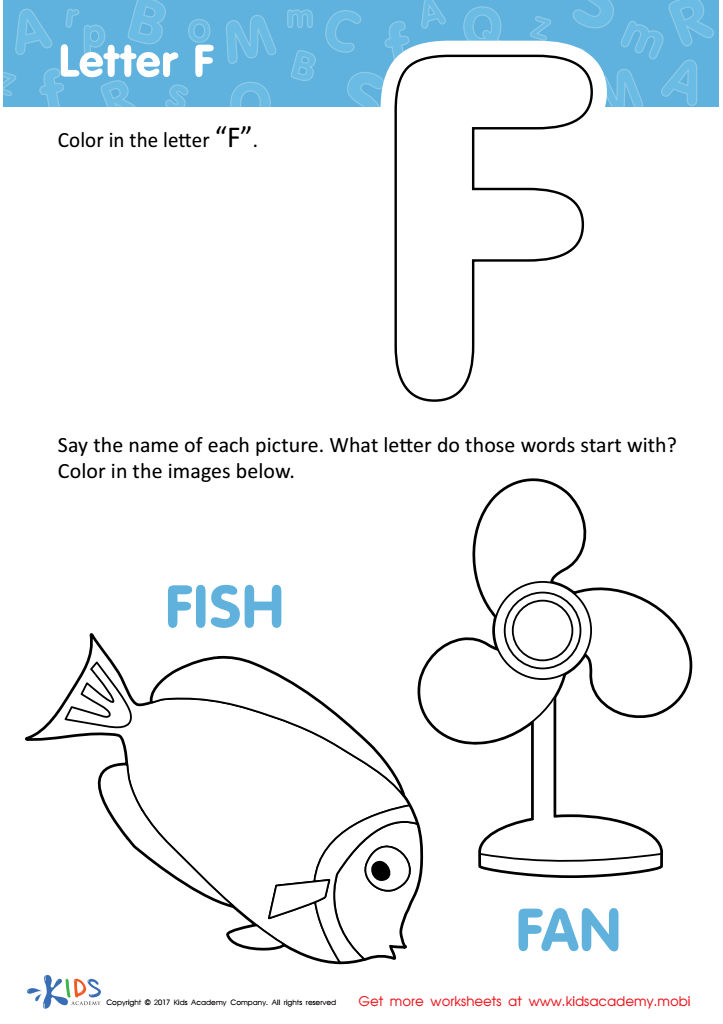
Letter F Coloring Sheet
Assign to My Students
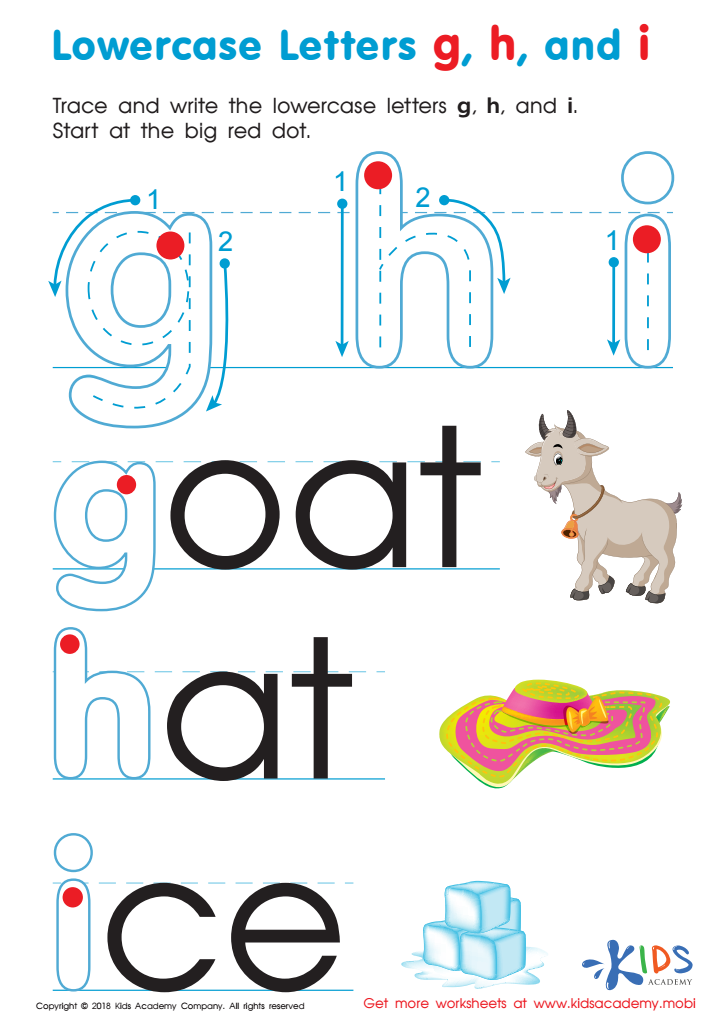
Lowercase Letters g h i Worksheet
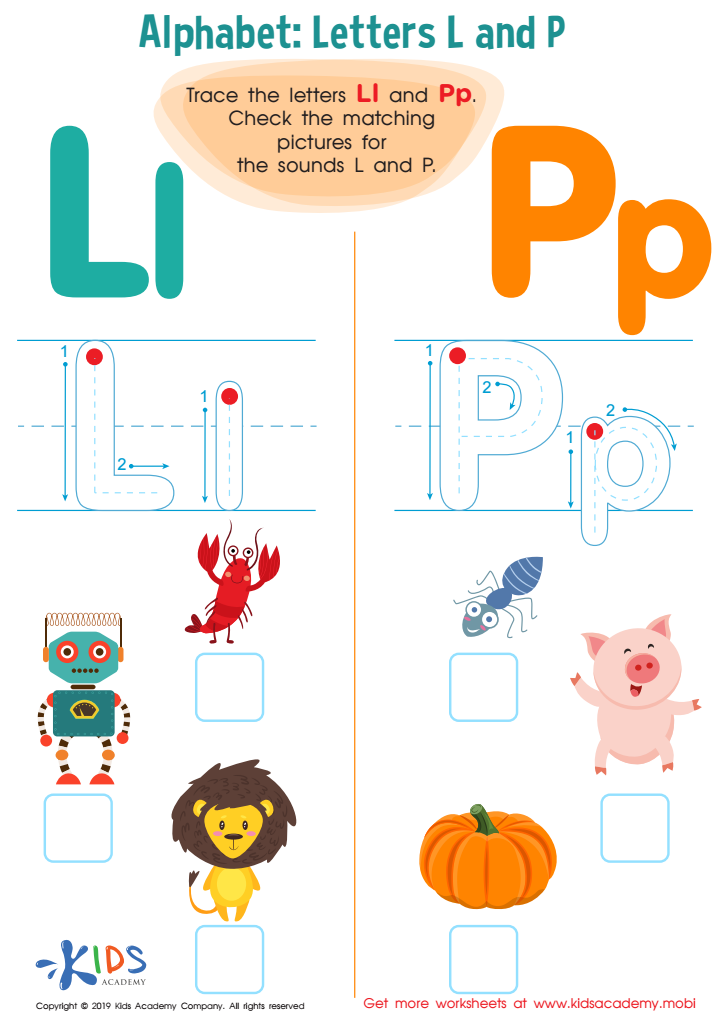
Letter L and P Tracing Worksheet
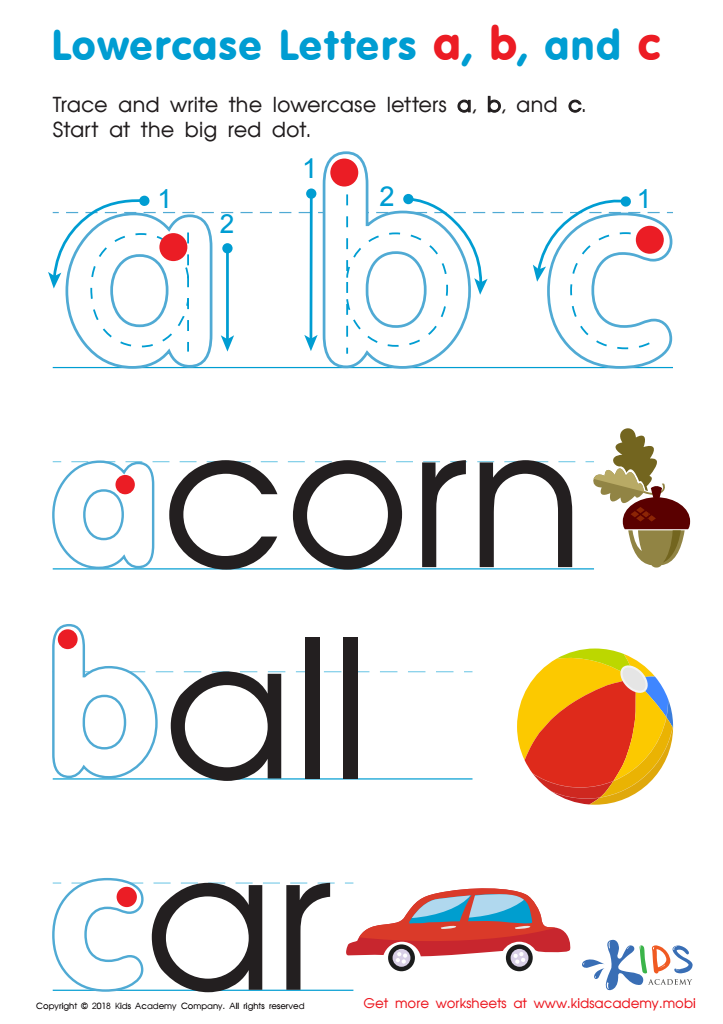
Lowercase Letters a b c Worksheet
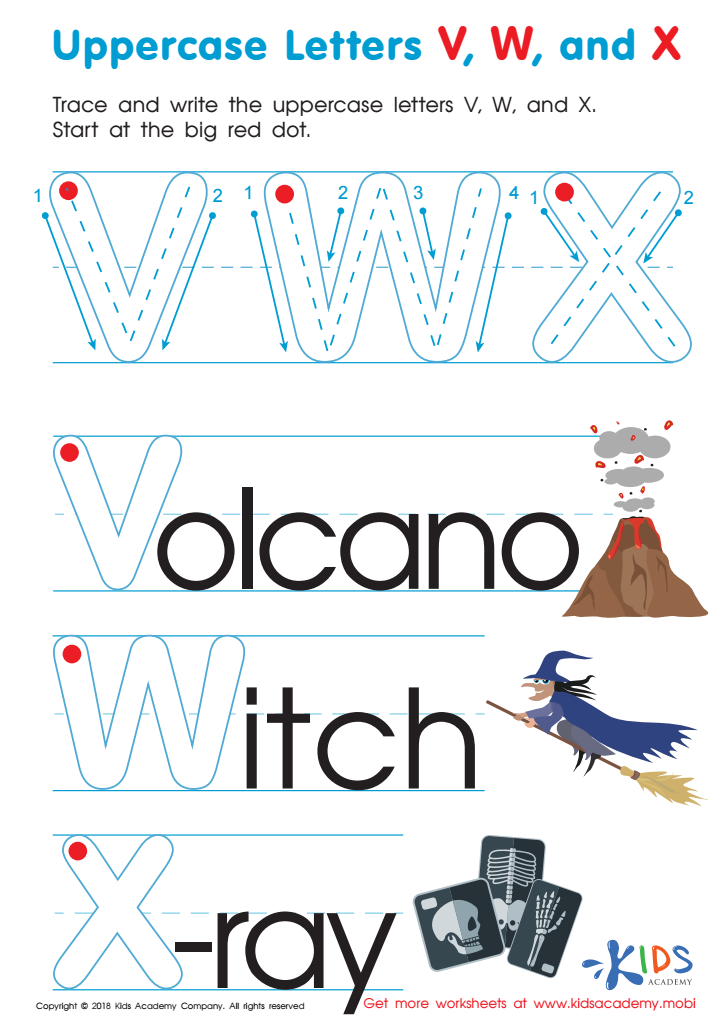
Uppercase Letters V, W, and X Worksheet








Alphabet recognition is a foundational skill essential for early literacy development in children aged 3-7. Parents and teachers should prioritize this skill because it lays the groundwork for reading and writing. Recognizing letters helps children understand that letters represent sounds, which is crucial for phonemic awareness—the ability to hear, identify, and manipulate individual sounds in spoken words.
When children can identify letters, they become more confident in their ability to encounter and decode written words, significantly enhancing their reading fluency and comprehension over time. Mastery of the alphabet also fosters vocabulary growth and better communication skills.
Moreover, alphabet recognition promotes cognitive development. Engaging with letters and sounds encourages critical thinking as children learn to associate letters with objects, actions, and concepts in their environment. This not only strengthens their language skills but also nurtures their creativity and imagination.
Additionally, early literacy experiences build positive attitudes towards learning. Children who recognize letters tend to be more engaged in classroom activities, fostering a love for books and reading that can last a lifetime. By emphasizing alphabet recognition, parents and teachers set children on a path to academic success and lifelong learning.







