Sound Association Letter Sounds Worksheets for Ages 3-7
19 filtered results
-
From - To
Explore our engaging Sound Association Letter Sounds Worksheets designed for children ages 3-7! These interactive worksheets provide a fun and effective way for young learners to connect letters with corresponding sounds through captivating images and activities. Perfect for early literacy development, our resources enhance phonemic awareness, helping kids recognize and recall letter sounds in an enjoyable manner. Ideal for home or classroom use, these worksheets inspire creativity and reinforce essential language skills. Join the adventure of learning as your child builds a strong foundation in reading with our thoughtfully crafted sound association worksheets! Start their educational journey today!
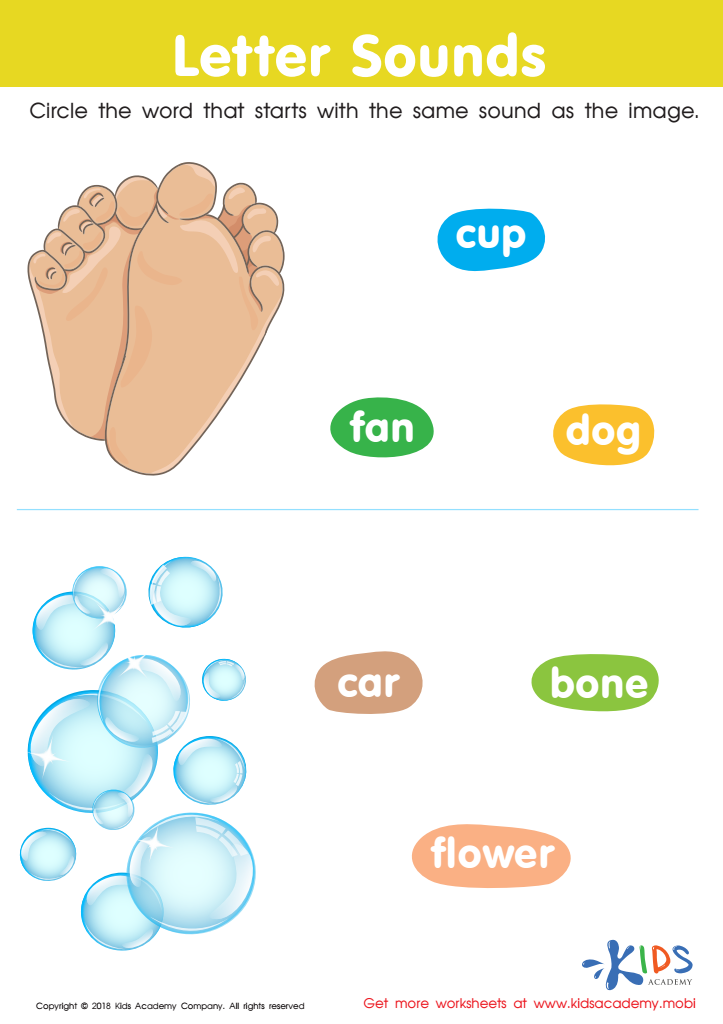
letter sounds Worksheet
 Assign to My Students
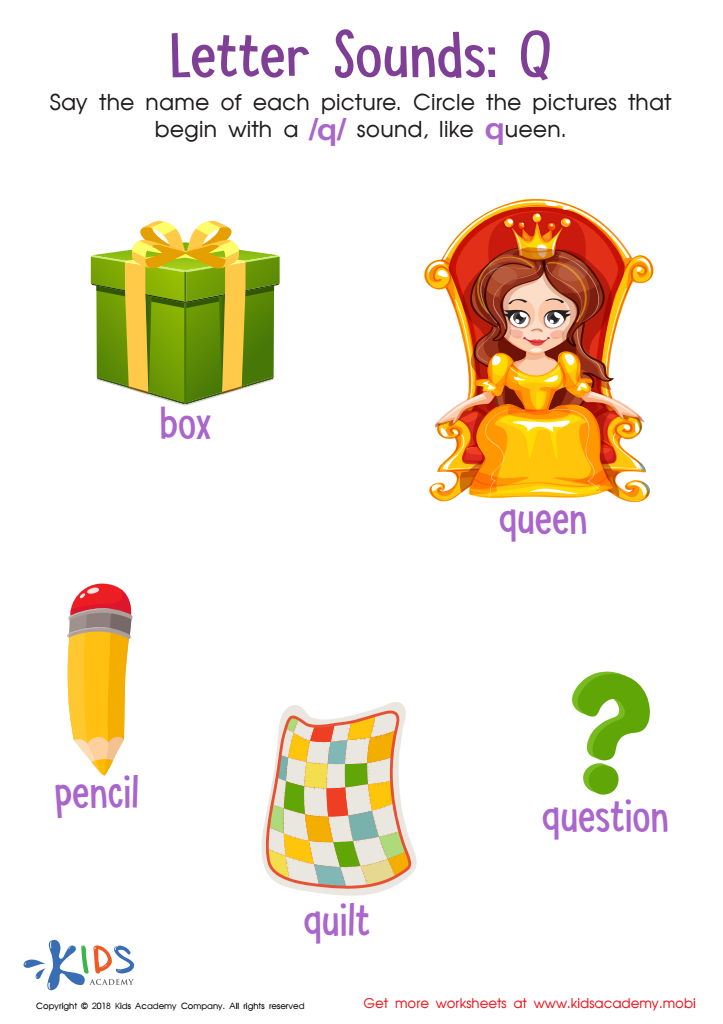
Letter Q Sounds Worksheet
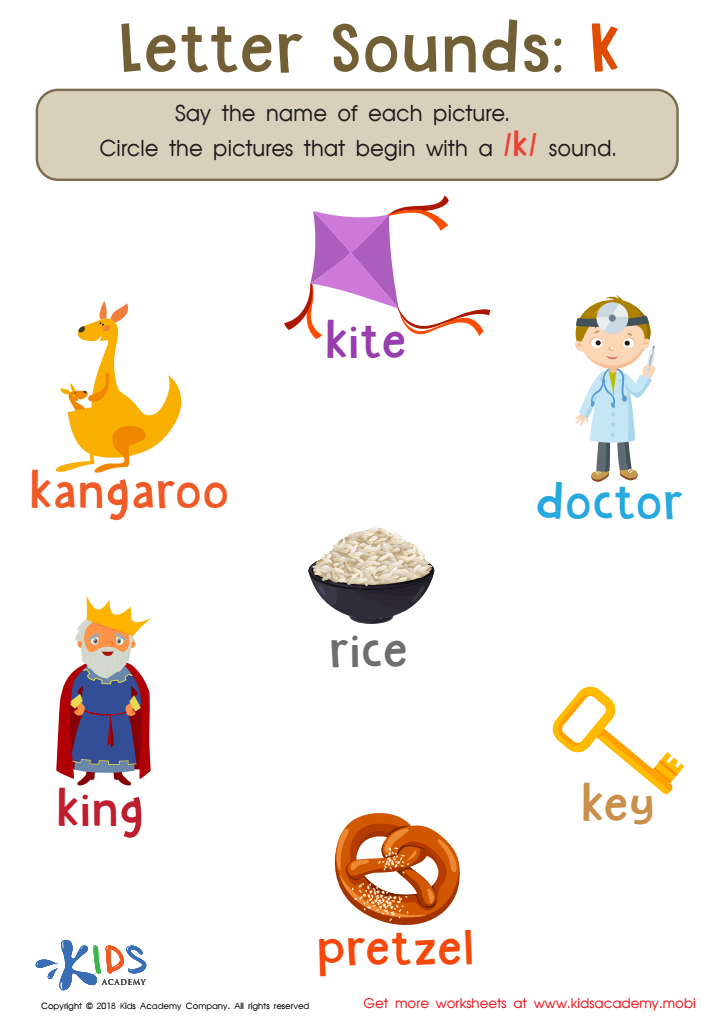
Letter K Sounds Worksheet
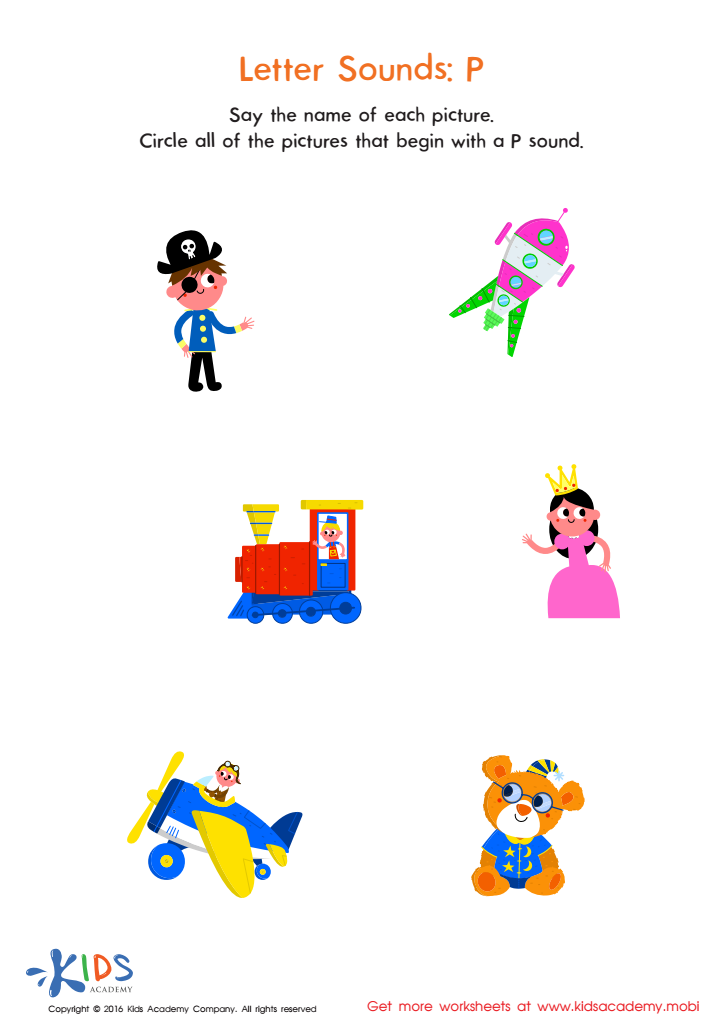
Letter P Sound Worksheet
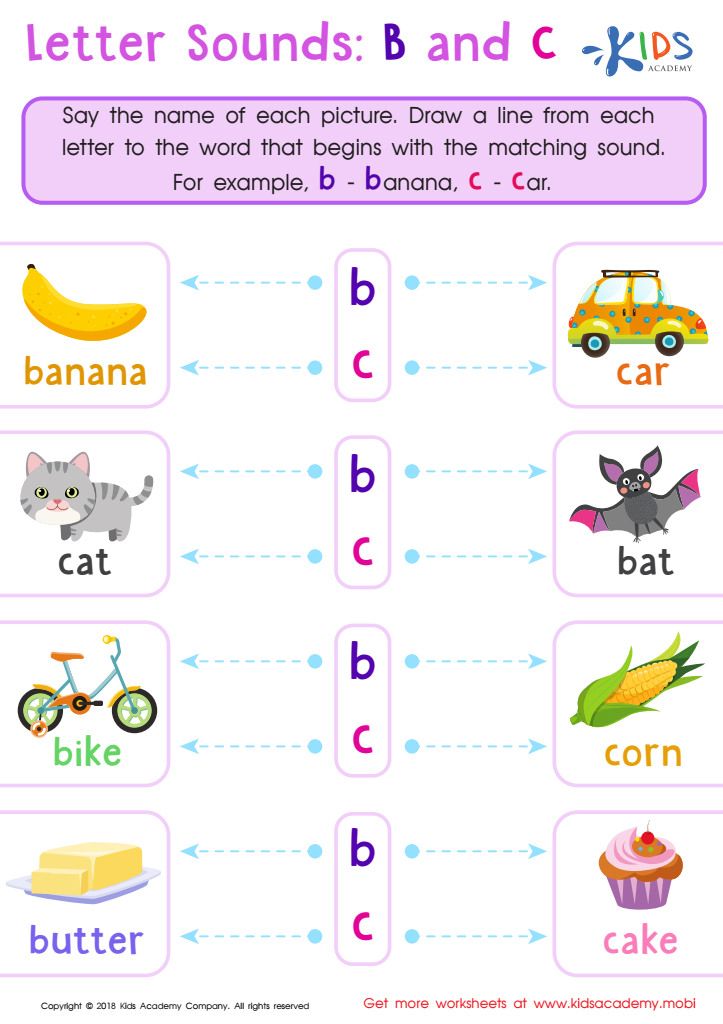
Letter B and C Sounds Worksheet
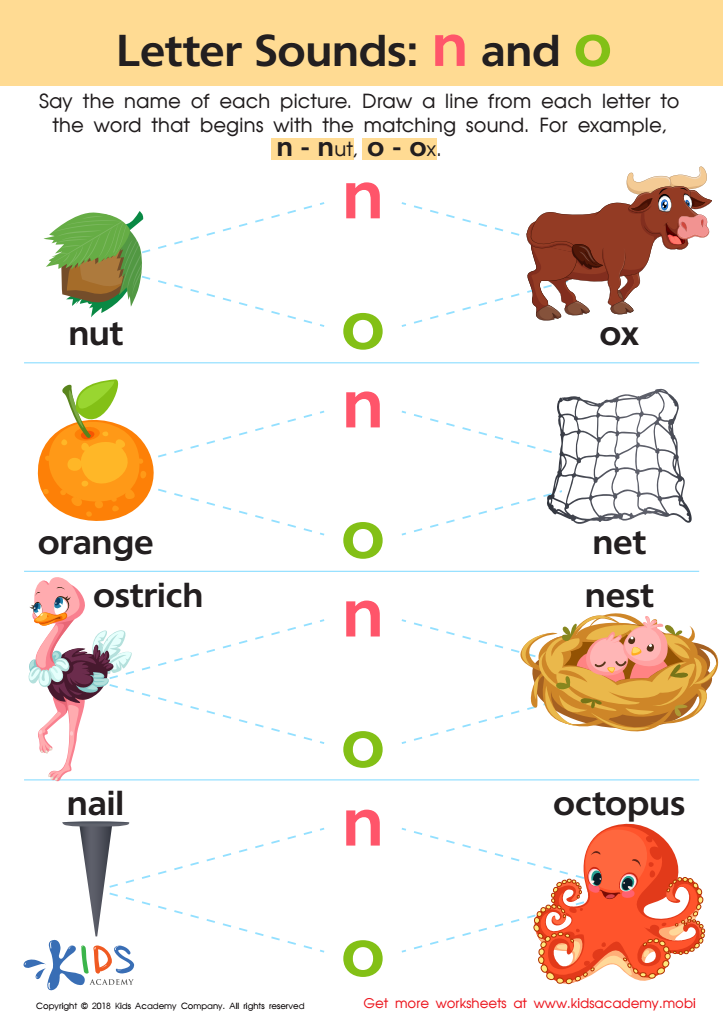
Letter N and O Sounds Worksheet
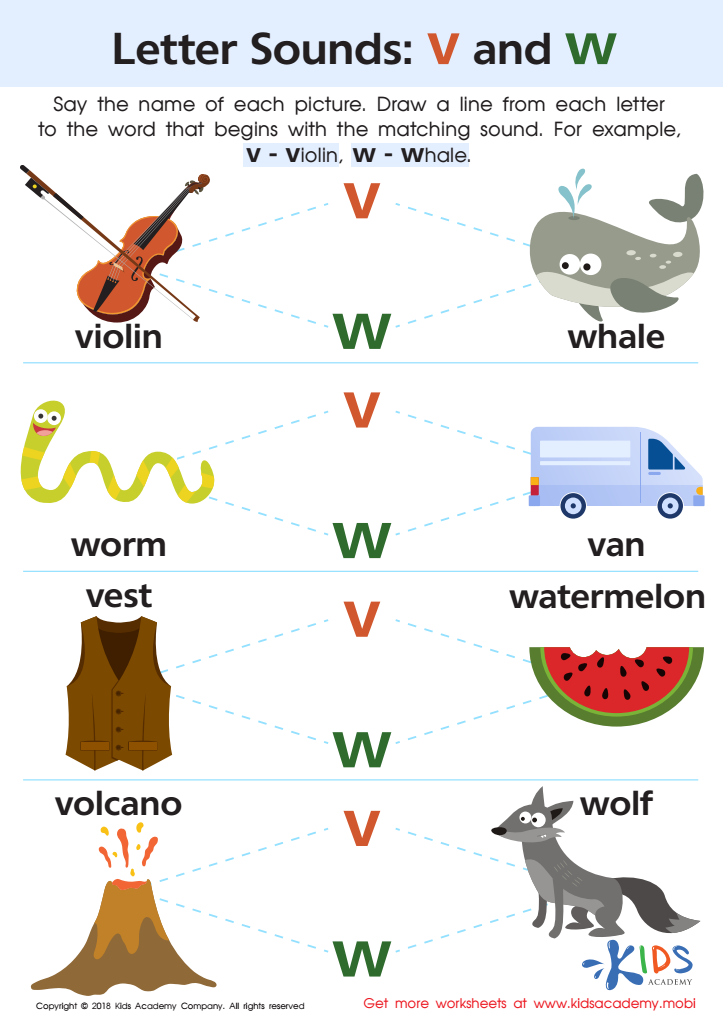
Letter V and W Sounds Worksheet
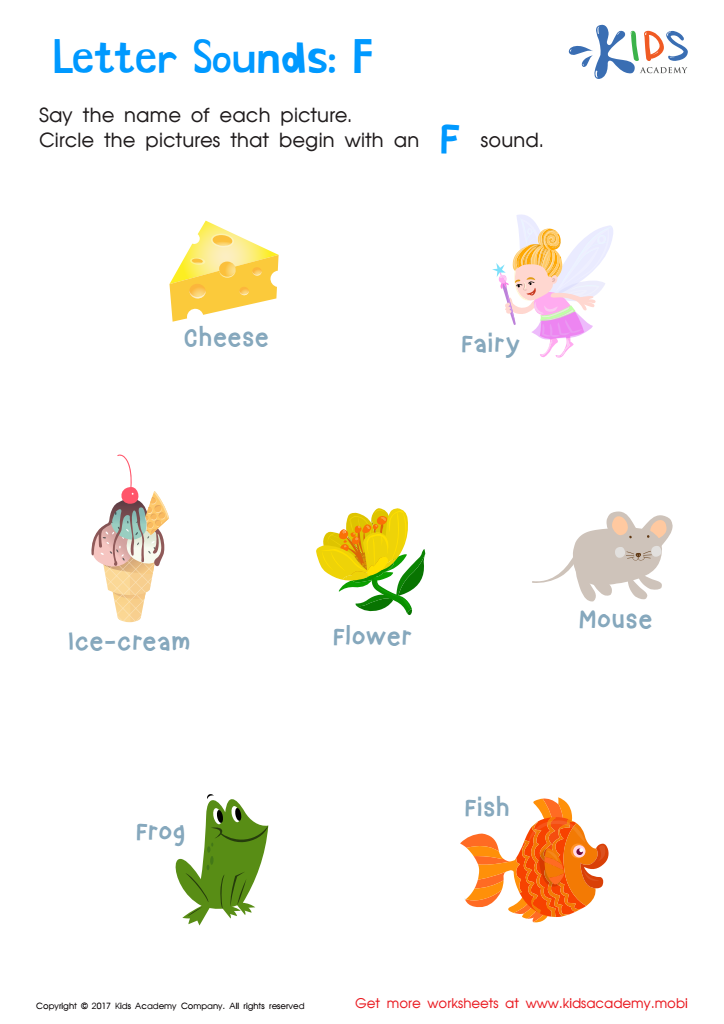
Letter F Sounds Worksheet
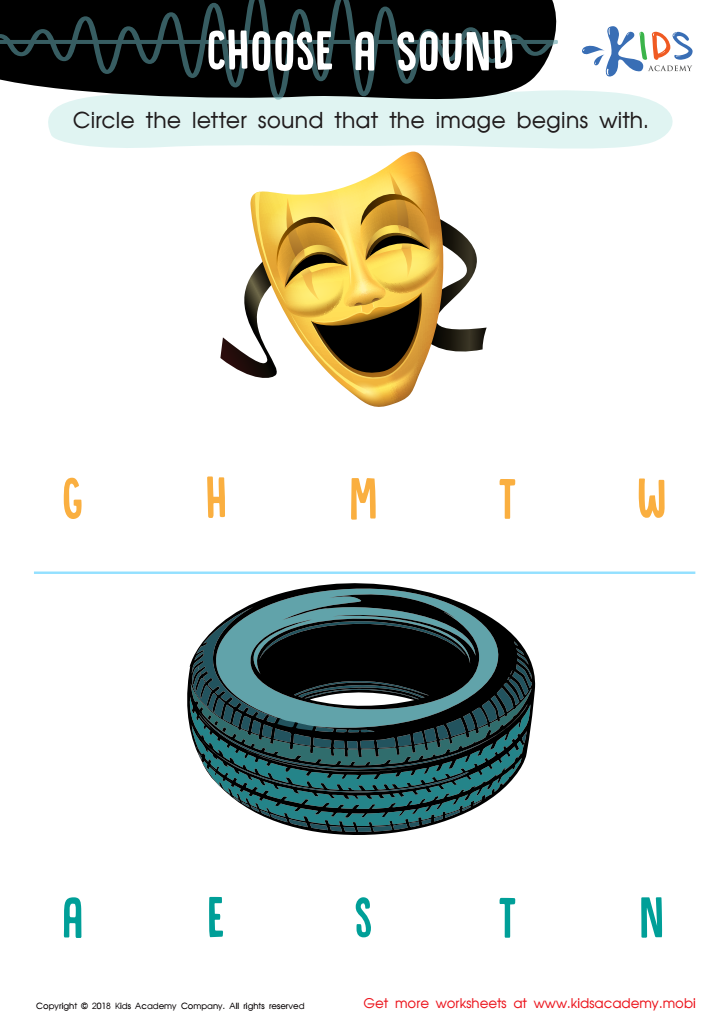
Choose a Sound Worksheet
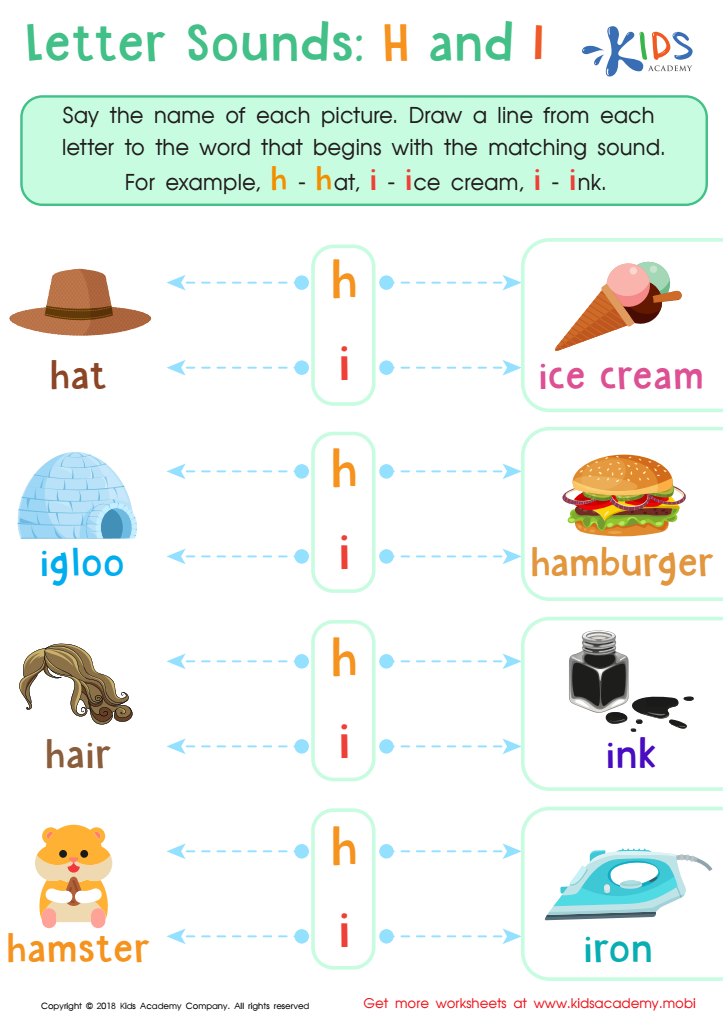
Letter H and I Sounds Worksheet
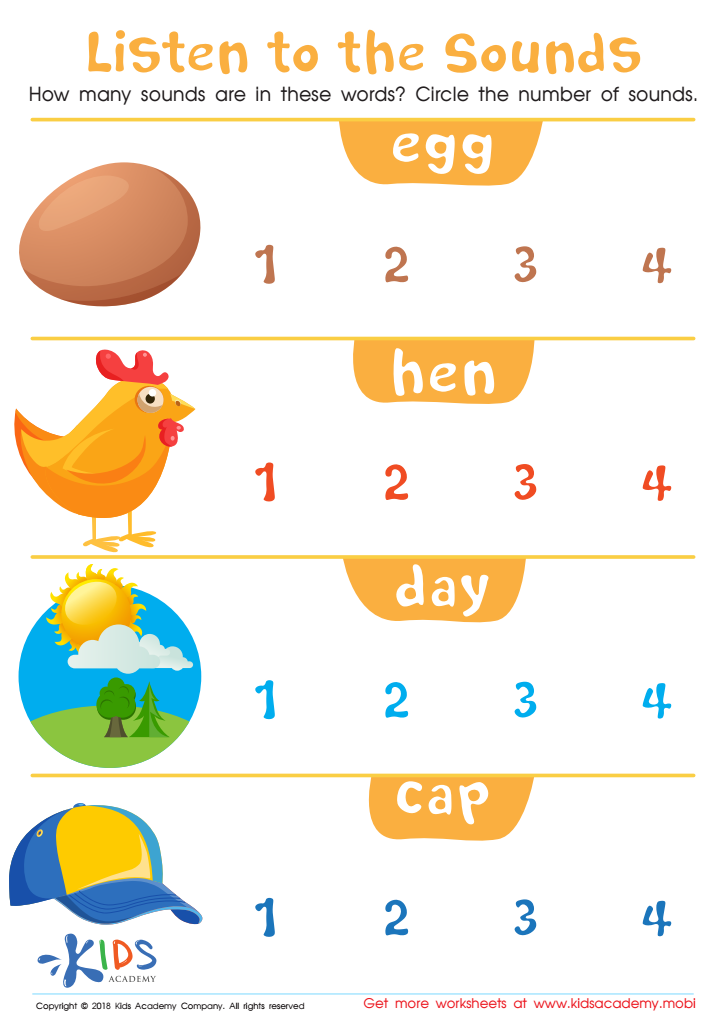
Listen to the Sounds Worksheet
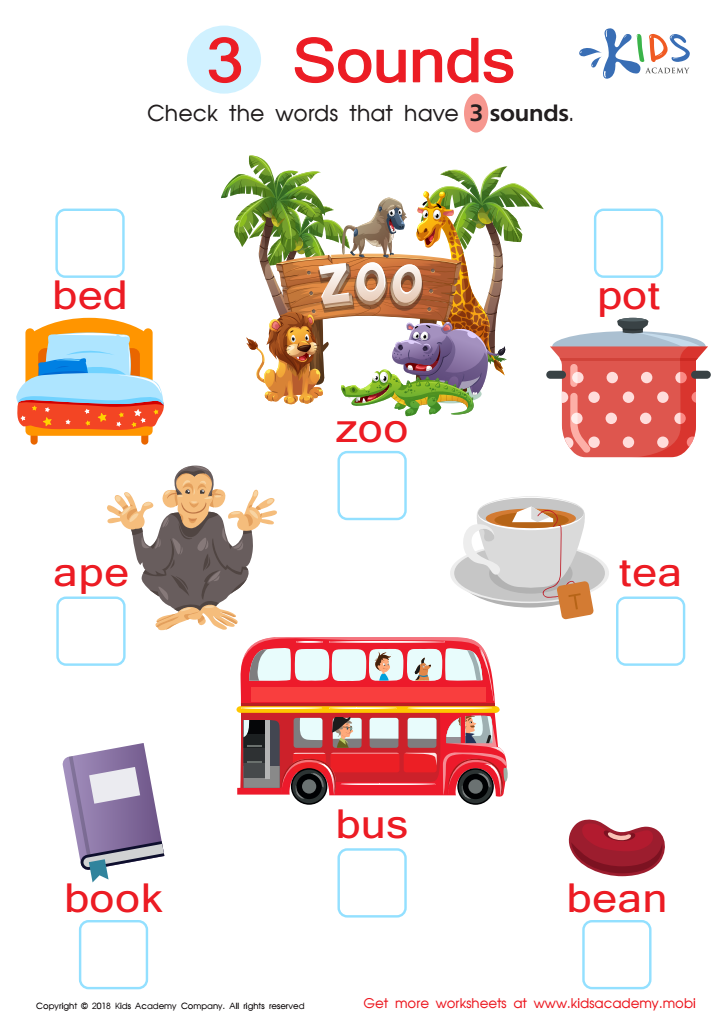
3 Sounds Worksheet
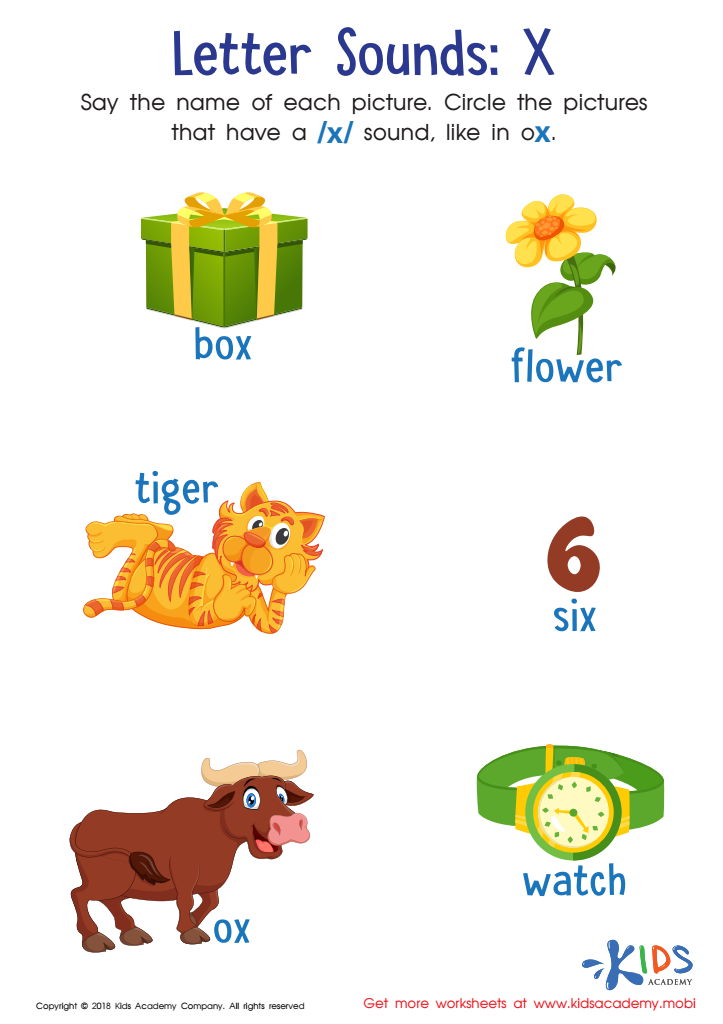
Letter X Sounds Worksheet
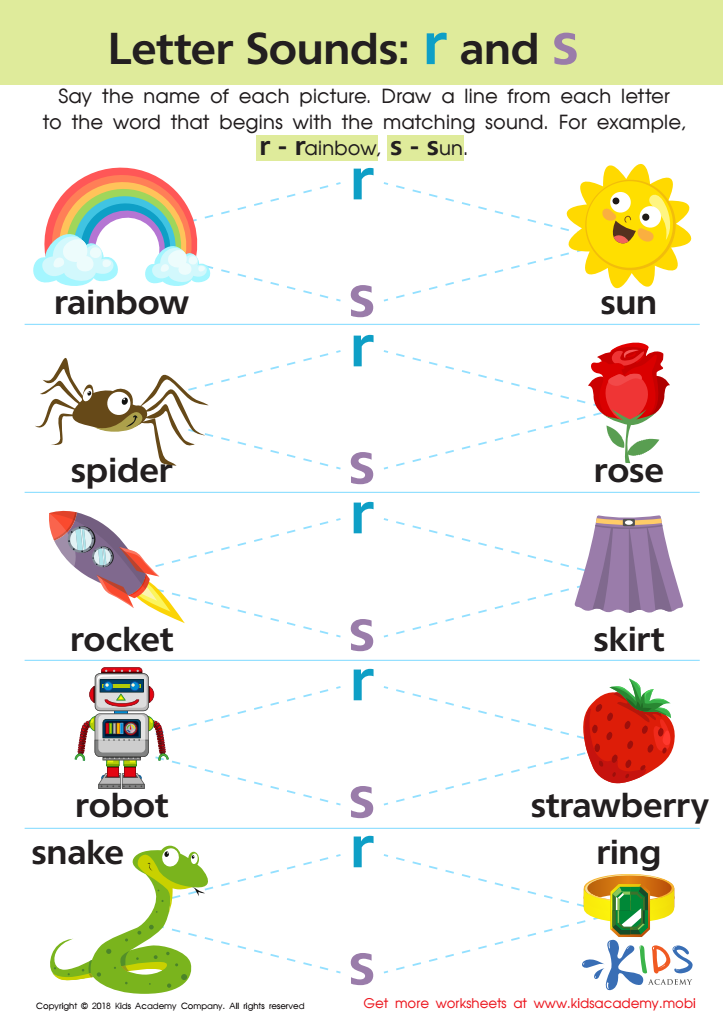
Letter R and S Sounds Worksheet
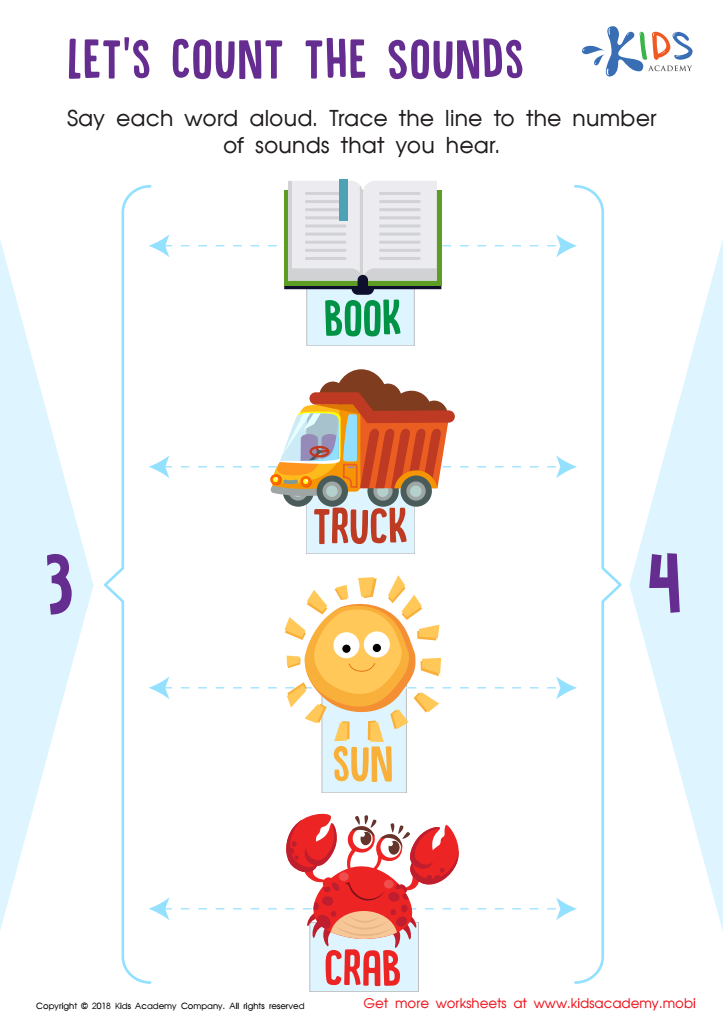
Let's Count the Sounds Worksheet
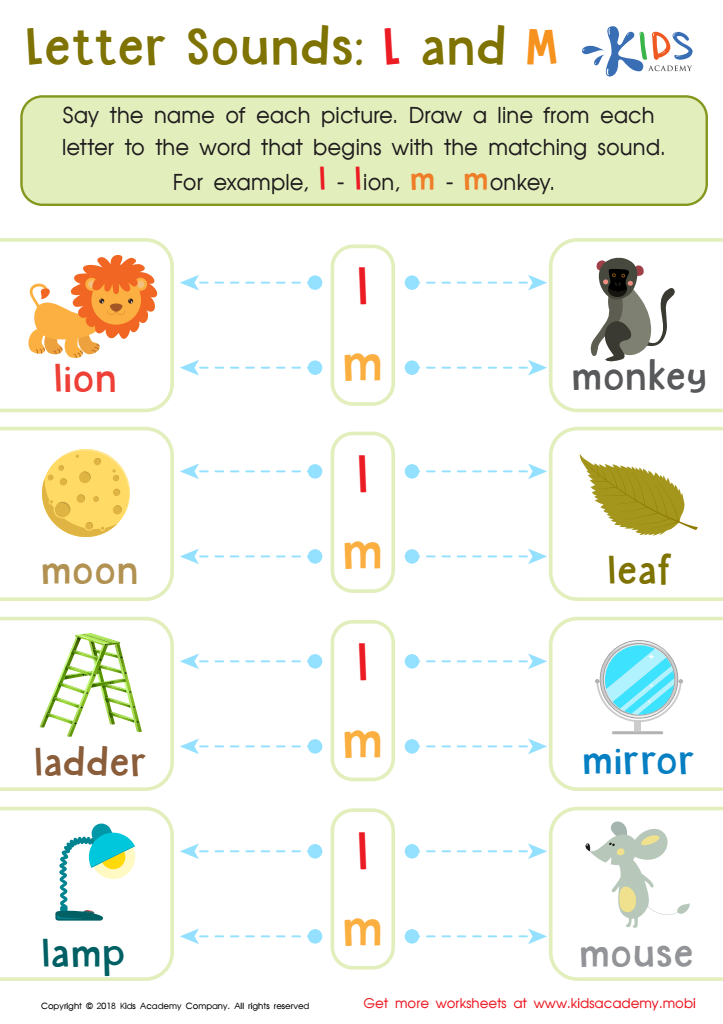
Letter l and M Sounds Worksheet
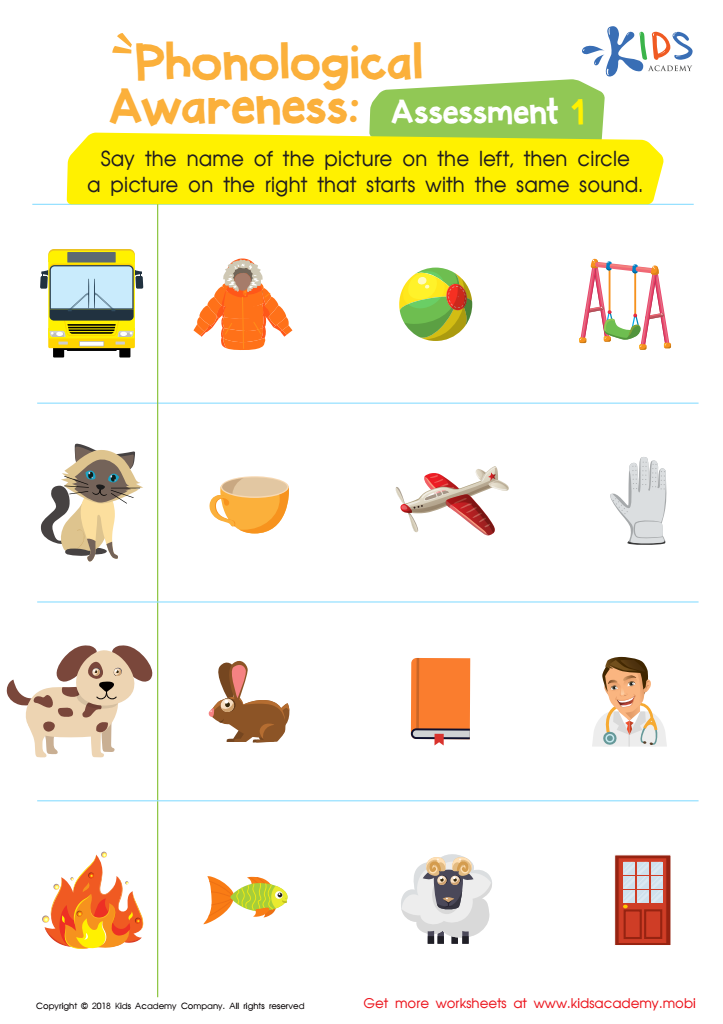
Phonological Awareness: Assessment 1 Worksheet
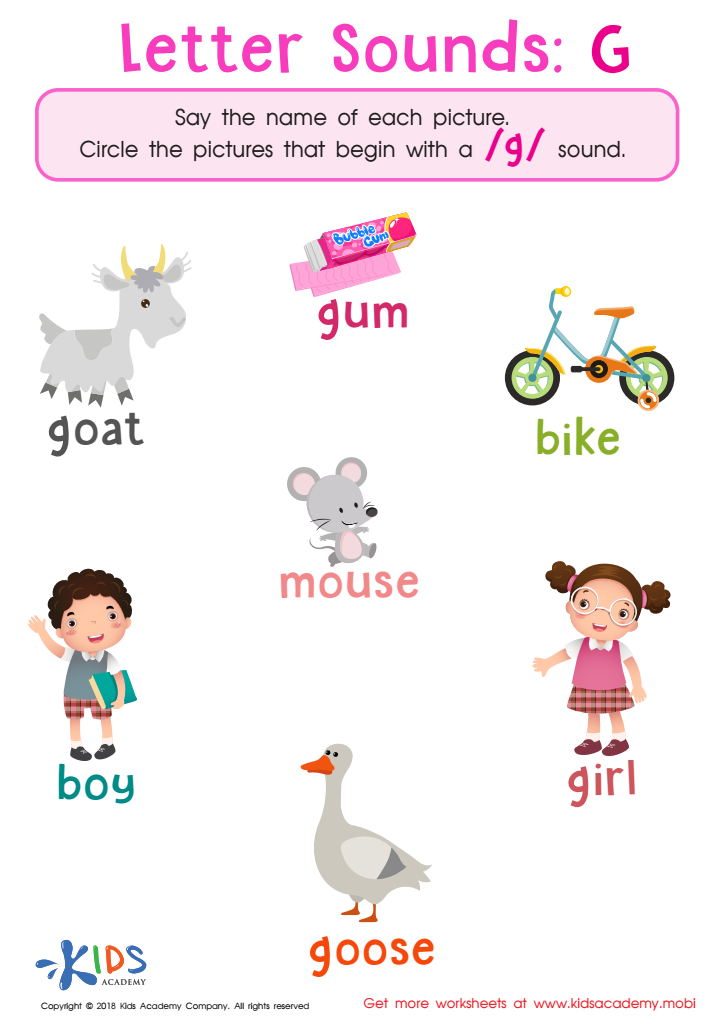
Letter G Sounds Worksheet
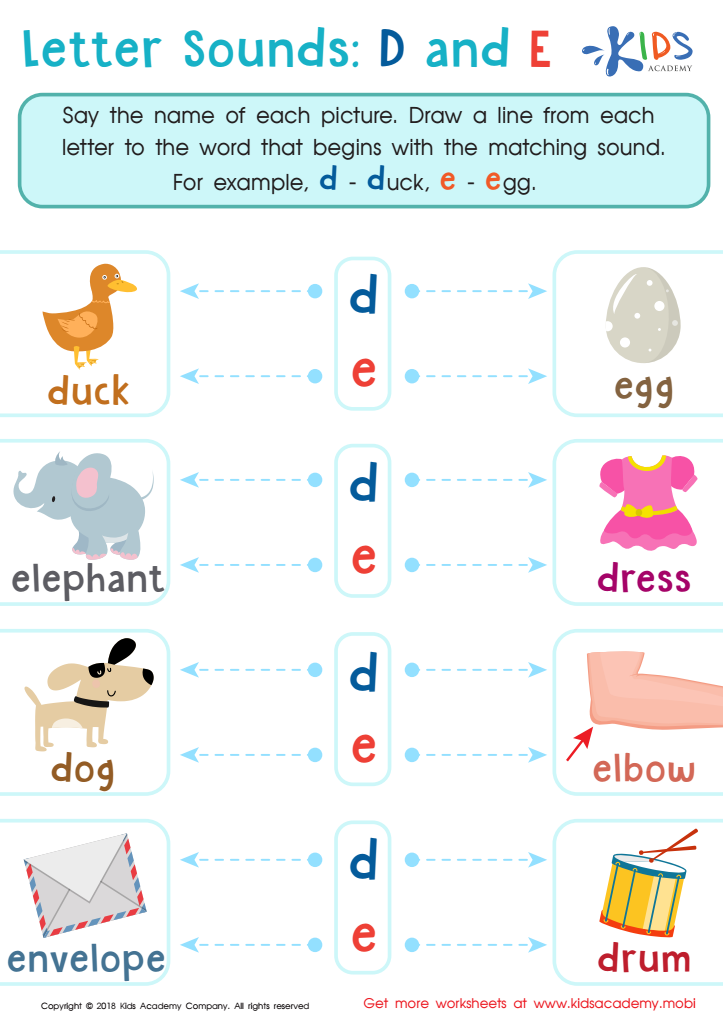
Letter D and E Sounds Worksheet








Sound association and letter sounds are foundational components of early literacy that significantly impact a child’s reading and writing abilities. For children aged 3-7, mastering sound-letter correspondence is crucial, as it enables them to decode words, fostering a love for reading and academic confidence.
Parents and teachers should prioritize this skill because effective sound association helps children understand that letters symbolize sounds, forming the basis for word recognition. When children can articulate sounds associated with letters, they gain the tools to decode unfamiliar words, which is essential for reading development.
Moreover, strong phonemic awareness facilitates better vocabulary expansion and comprehension skills, allowing children to engage with texts meaningfully. Introducing sound association through playful activities, songs, and games can make learning enjoyable and engaging, setting a positive tone for future academic pursuits.
Additionally, children who struggle with sound-letter recognition may experience frustration, impacting their self-esteem and attitude towards learning. By fostering a rich environment focused on sound association, parents and teachers can lay a solid foundation that supports not only literacy success but also a lifelong appreciation for reading and learning. Therefore, prioritizing sound association in early education is an investment in a child’s future.







