Reading fluency Phonics Worksheets for Ages 3-7
7 filtered results
-
From - To
Unlock your child's reading potential with our expertly designed Phonics Worksheets tailored for ages 3-7. Our vibrant, engaging activities lay a strong foundation in reading fluency, decoding, and pronunciation. Through fun exercises, kids will master initial sounds, blending, and word recognition, boosting their confidence and comprehension skills. Developed by educational professionals, these printable worksheets align with early learning standards and support varied learning styles. Perfect for parents and teachers, this essential resource ensures young readers develop a love for reading, setting them up for academic success. Explore our extensive collection and watch your child's reading ability soar!
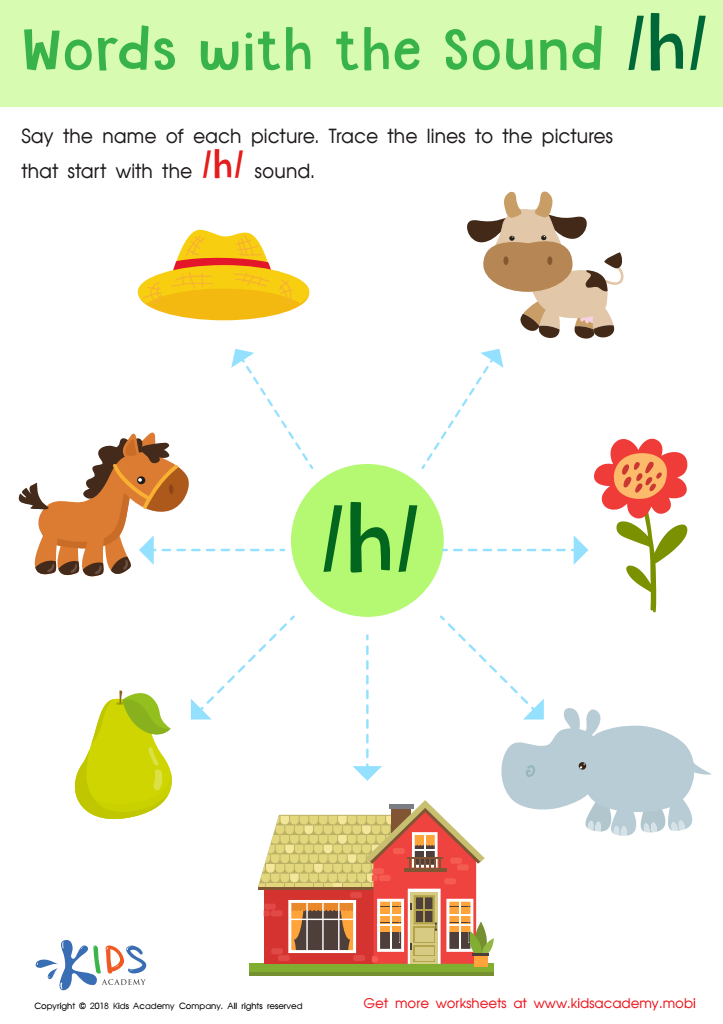
Words with sound h Reading Worksheet
 Assign to My Students
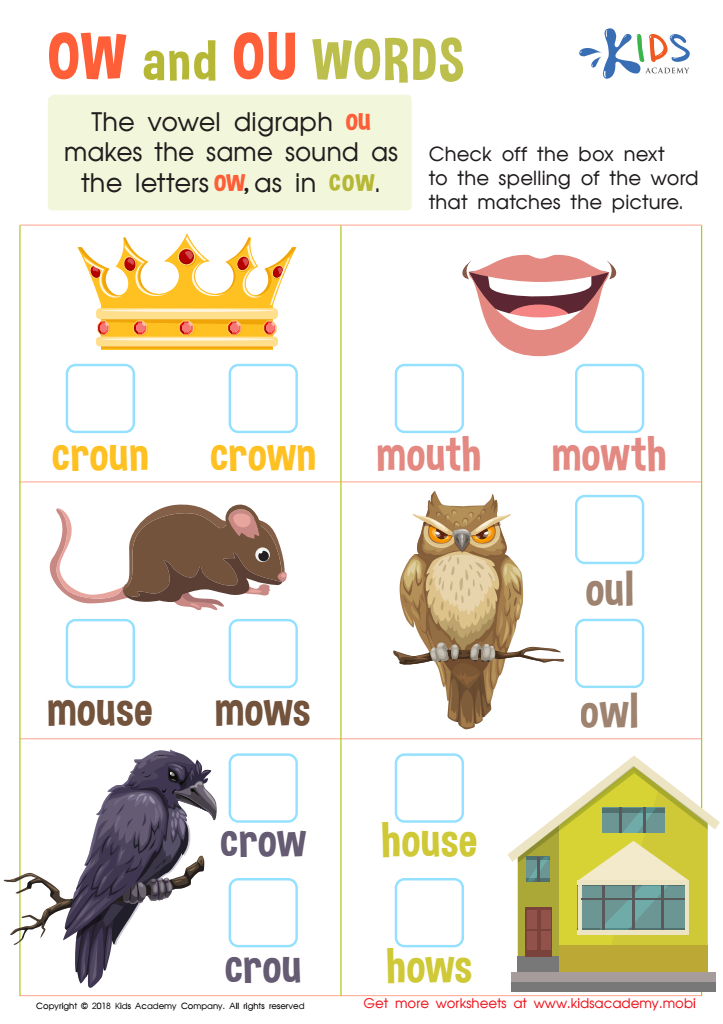
Reading: OW and OU Words Worksheet
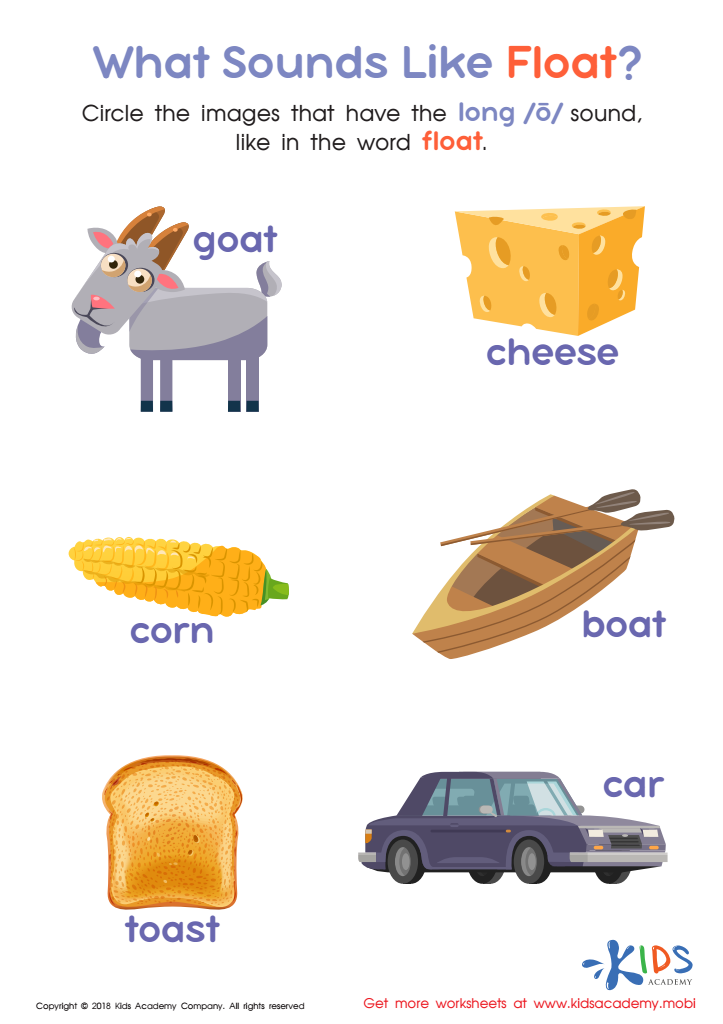
What Sounds Like Float? Worksheet
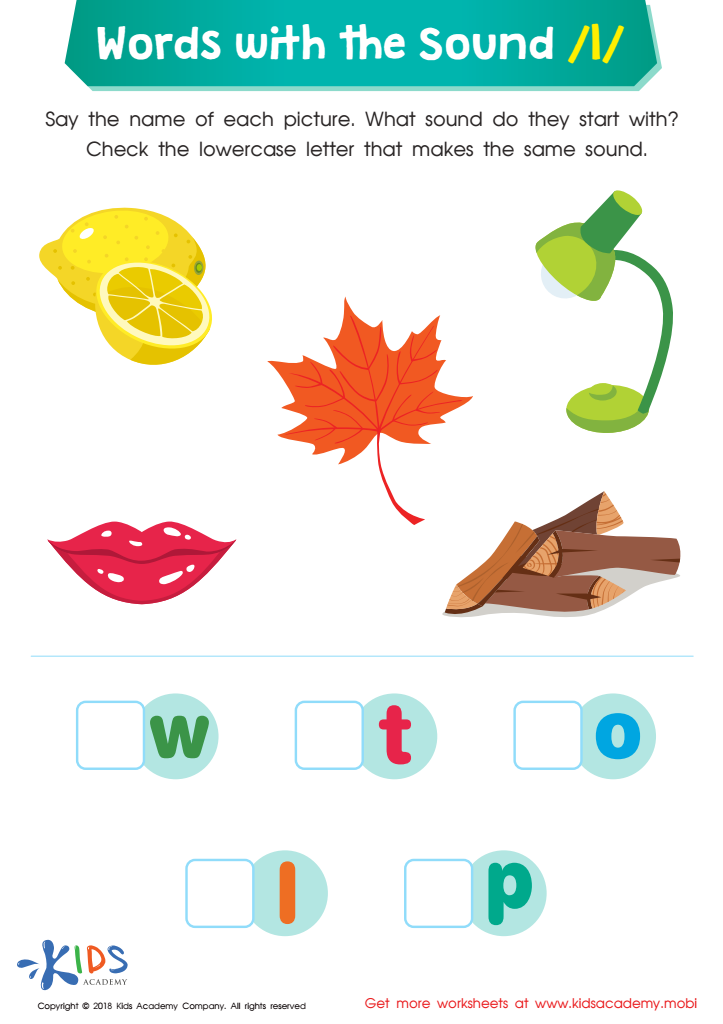
Words with Sound L Reading Worksheet
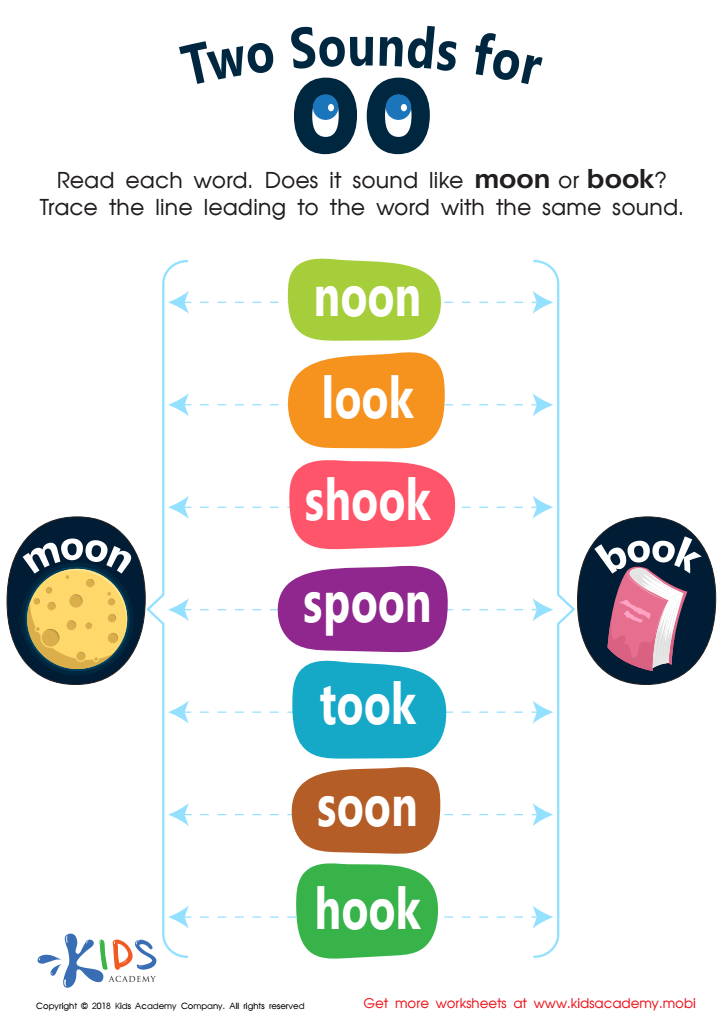
Two Sounds for OO Worksheet
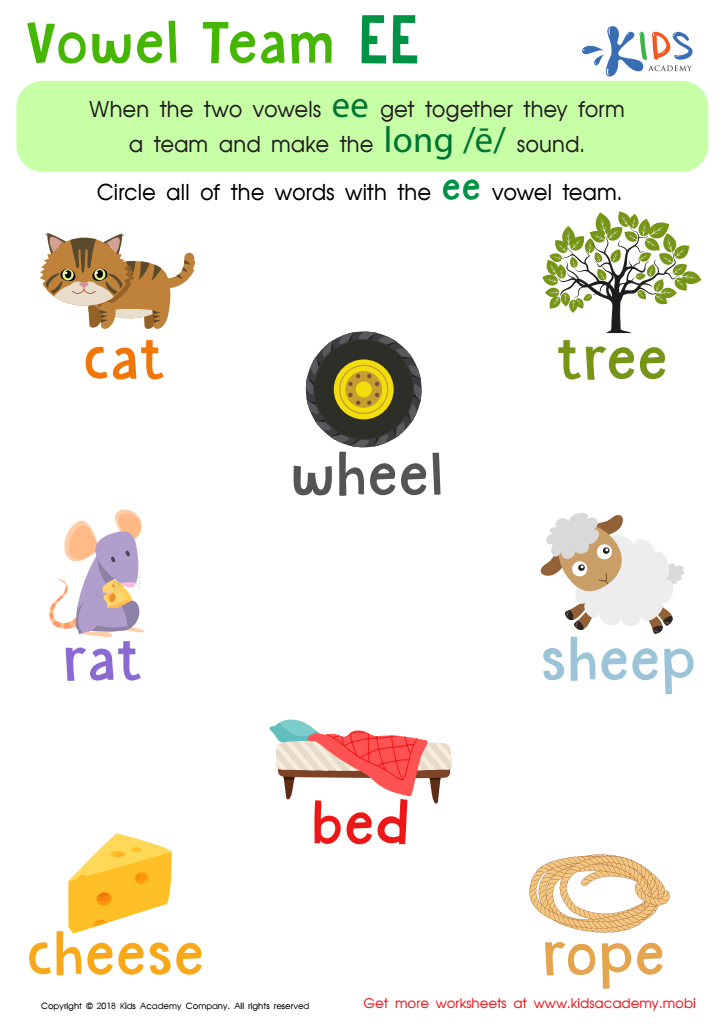
Reading: Vowel Team EE Worksheet
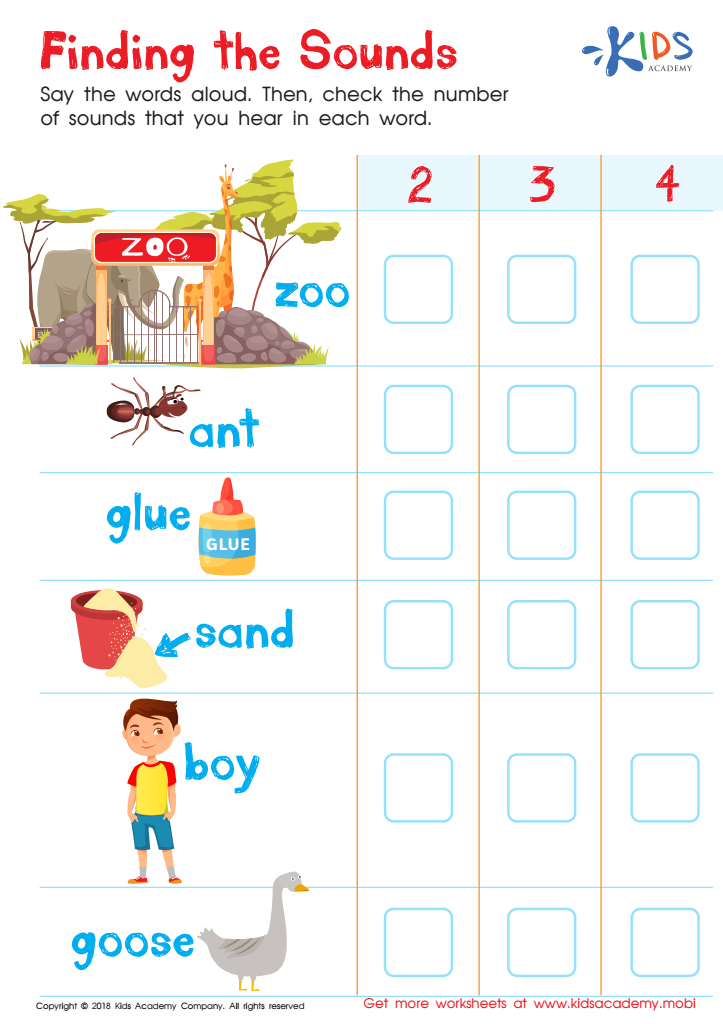
Finding the Sounds Worksheet








Parents and teachers should care deeply about reading fluency and phonics for children ages 3-7 because these foundational skills are critical to overall literacy development. Reading fluency is the ability to read text accurately, quickly, and with proper expression. When children develop fluency, they free up cognitive resources to comprehend and enjoy what they read, which fosters a love for reading and learning.
Phonics specifically refers to the understanding of how letters and groups of letters correspond to sounds. Mastering phonics is a key building block for decoding words, which is essential for emergent readers. By systematically teaching phonics, children learn to recognize patterns and apply them to unfamiliar words, allowing for more independent reading.
Early exposure to these skills sets the stage for academic success and enhances a child’s ability to communicate effectively. Children who struggle with reading fluency and phonics are more likely to face challenges across other subjects, as reading is integral to understanding math problems, science texts, and social studies material.
Investing time and resources into developing these skills helps ensure that children won't fall behind and provides them with the tools needed for lifelong learning. Moreover, confidence in reading can boost self-esteem and promote a positive attitude toward education.







