Handwriting practice Tracing Letters Worksheets for Ages 3-7 - Page 2
28 filtered results
-
From - To
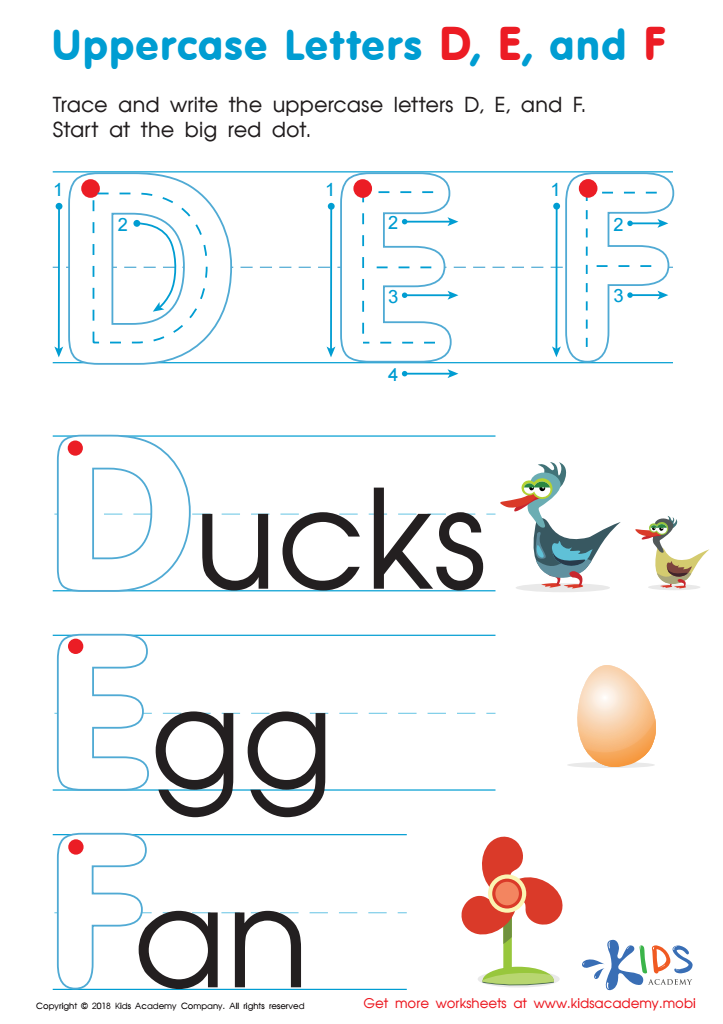
Uppercase Letters D, E, and F Worksheet
 Assign to My Students
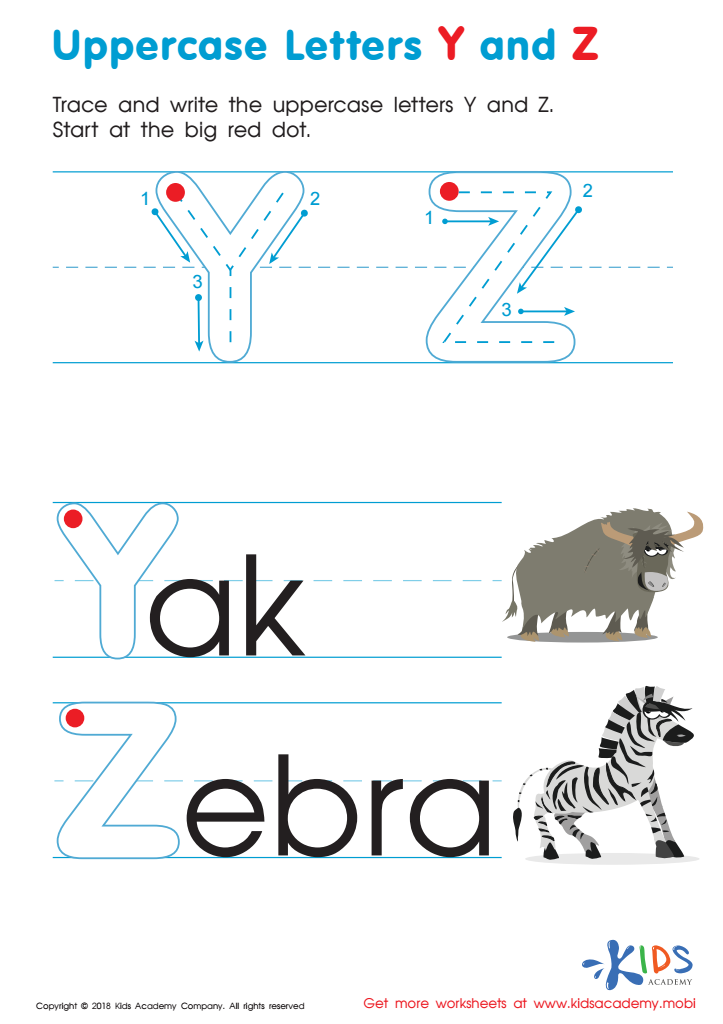
Uppercase Letters Y Z Worksheet
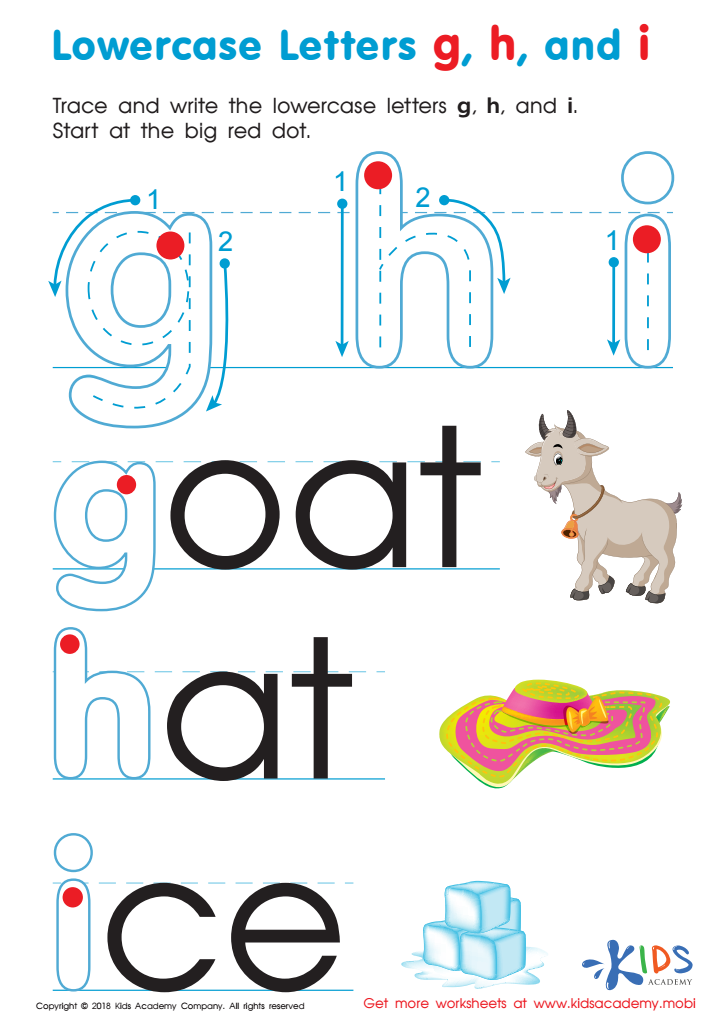
Lowercase Letters g h i Worksheet
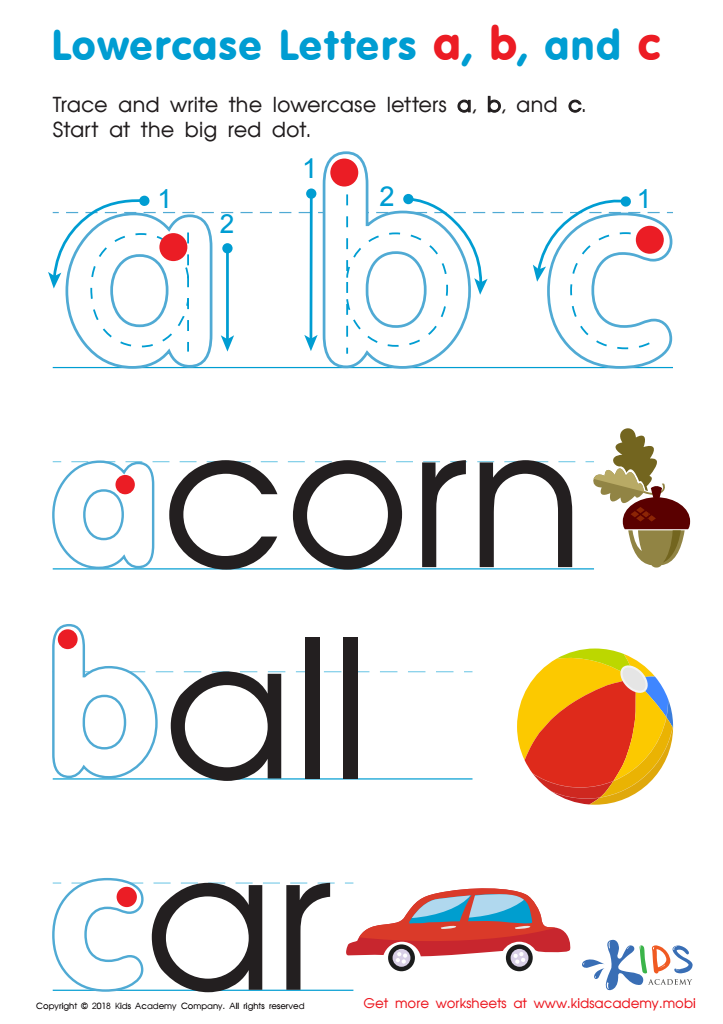
Lowercase Letters a b c Worksheet








Handwriting practice, especially tracing letters, is crucial for children aged 3-7 as it lays the foundation for their motor skills and literacy development. During these formative years, children learn to coordinate their hand movements, which is essential for tasks beyond writing. Tracing letters helps them develop fine motor skills, improving their grip and control over writing instruments.
Moreover, initiating early handwriting practices fosters recognition of letters and their corresponding sounds, building phonemic awareness critical for reading readiness. Engaging in letter tracing offers children a tactile experience with letters, helping reinforce memory and boost confidence in their writing abilities.
Additionally, handwriting affects a child's ability to express thoughts and ideas clearly. By honing their handwriting skills early on, they encourage better communication and academic progress as they advance in school.
For parents and teachers, supporting handwriting development through tracing not only equips children with essential skills but also instills a positive attitude towards writing as they experience the satisfaction of mastering a difficult task. Ultimately, investing time and effort into handwriting practice aids in children’s overall educational journey and sets them up for success in future learning endeavors.








