Motor skills development Animals Worksheets for Ages 3-7
3 filtered results
Difficulty Level
Grade
Age
-
From - To
Subject
Activity
Standards
Ignite your child's imagination and enhance fine motor skills with our "Motor Skills Development Animals Worksheets" specially designed for ages 3-7. Each vibrant, engaging worksheet helps your little one practice essential motor skills through fun animal-themed activities. From coloring and tracing to cut-and-paste exercises, these worksheets promote hand-eye coordination, dexterity, and creativity. Perfect for at-home learning or classroom use, our expertly crafted activities will captivate young learners while fostering essential developmental skills. Introduce your child to the exciting world of animals and watch them thrive with Little Learners Motor Skills Worksheets!
Favorites
With answer key
Interactive
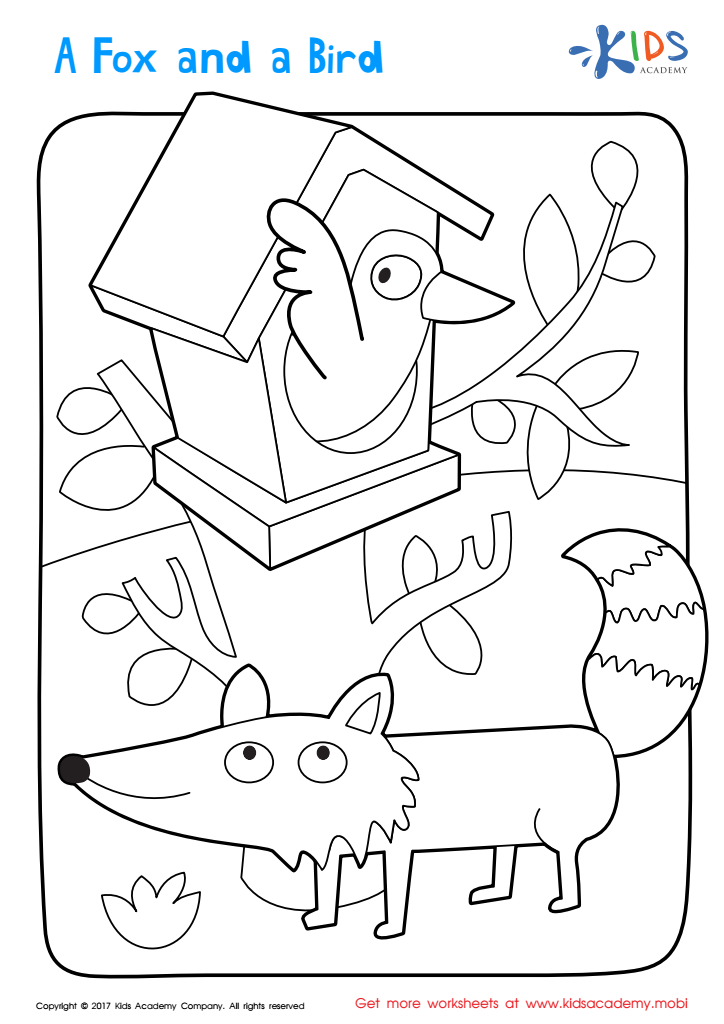
A Fox and Bird Coloring Page
Flex their creativity with this fun-filled coloring page: A Fox and Bird! Let kids express themselves through colors, allowing them to make each scene their own. This picture will bring joy to their art routine!
Download (PDF)
 Assign to My Students
Assign to My Students
A Fox and Bird Coloring Page
Worksheet
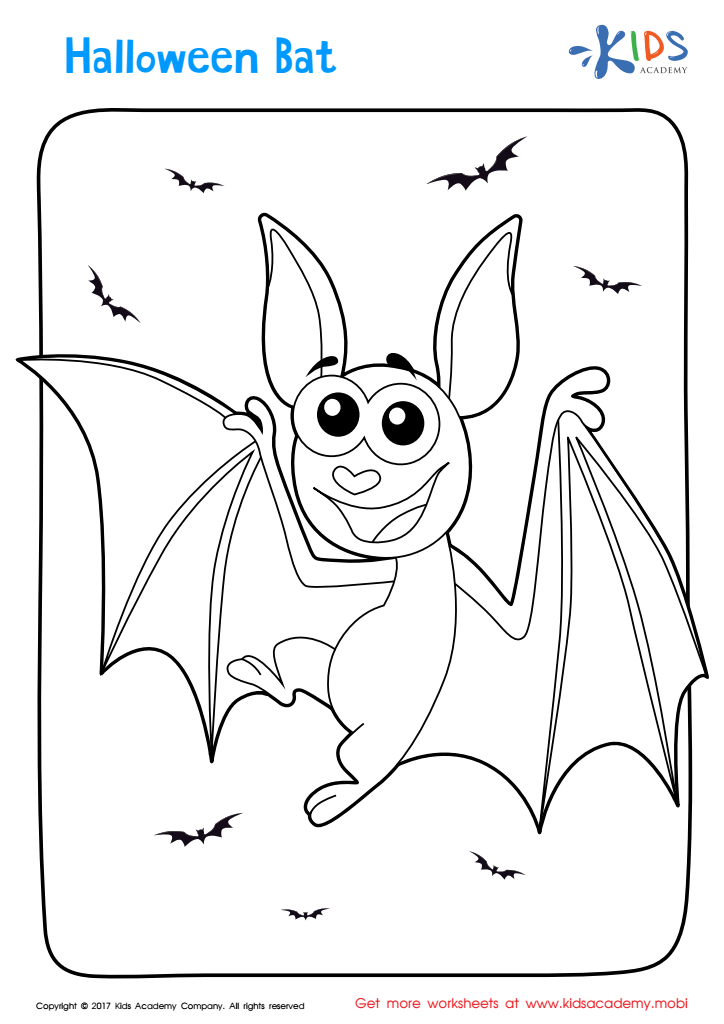
Halloween: A Bat Printable
Give your child a Halloween boost with our free coloring page. They'll have a blast adding their own decorations and creating a spooky scene!
Download (PDF)
Assign to My Students
Assign to My Students
Halloween: A Bat Printable
Worksheet
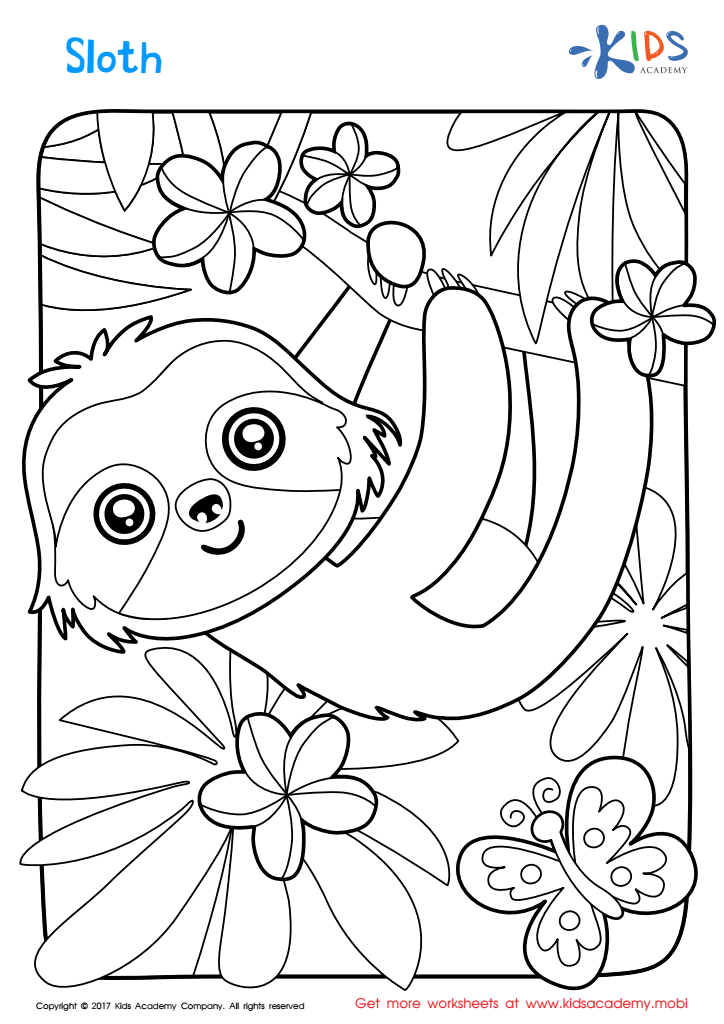
Sloth Worksheet
Get your kid excited to color the sloth coloring page! Explain to them the fascinating details of this slow-moving animal. Once complete, show it off on the fridge! For an extra lesson, look up more sloth pics and facts!
Download (PDF)
Assign to My Students
Assign to My Students
Sloth Worksheet
Worksheet
Join Kids Academy for Free
Who is primarily going to use this learning content?


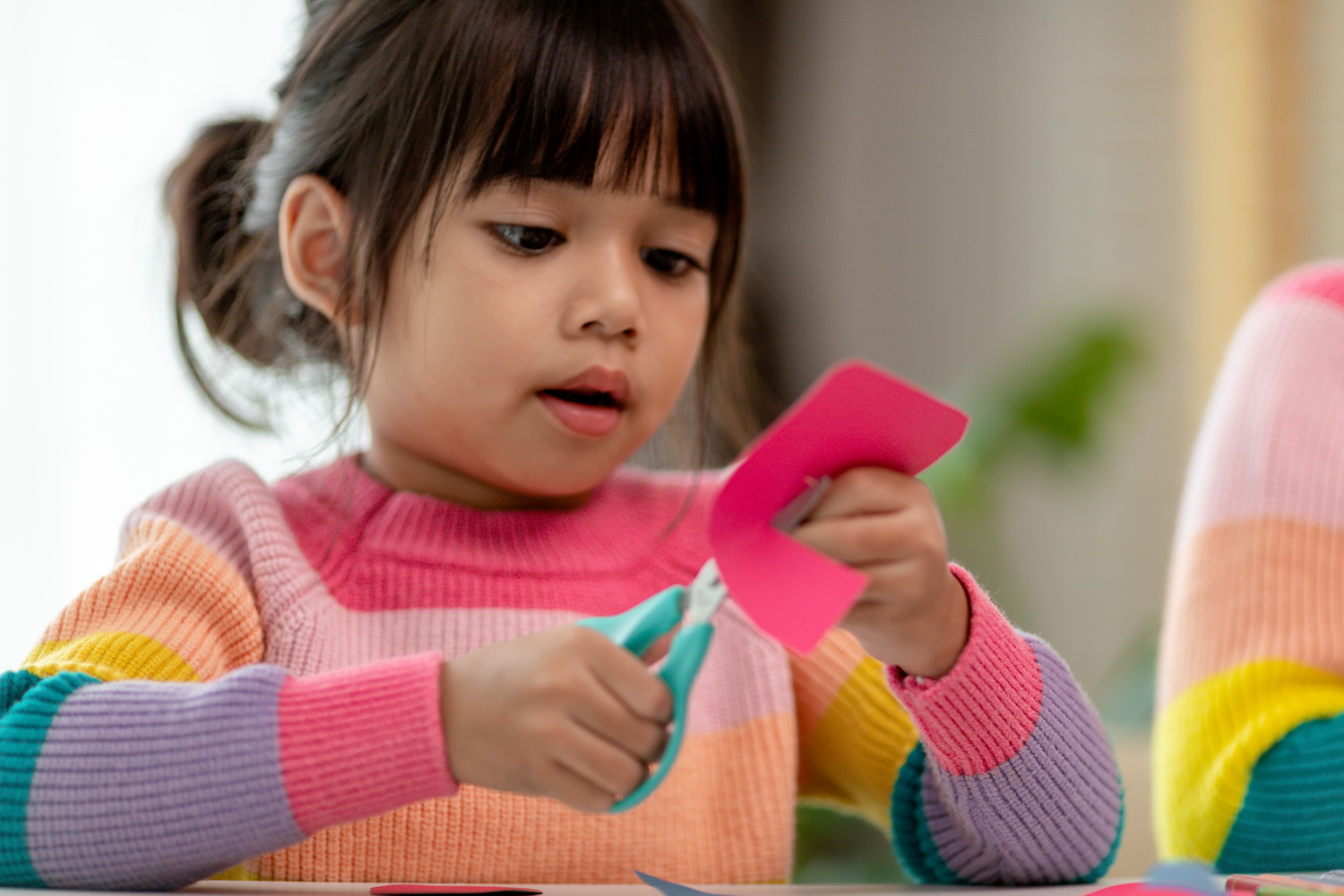





Motor skills development in children ages 3-7 is crucial, and incorporating animal-themed activities can be incredibly beneficial for young learners. During these formative years, developing both fine and gross motor skills is essential, as it lays the groundwork for future physical and cognitive abilities. Fine motor skills involve the use of small muscle movements, such as those in the fingers and hands, necessary for tasks like writing, buttoning clothes, and even using utensils. Gross motor skills pertain to larger movements, including running, jumping, and balance.
Introducing motor skills development through animal-themed activities makes learning more engaging and enjoyable for children. For instance, pretending to be different animals involves various motions that promote physical activity and coordination. Crawling like a bear strengthens upper body muscles, hopping like a frog enhances leg strength and coordination, and flying like a bird encourages broad range arm movements.
Moreover, associating these activities with animals adds a layer of fun and imagination, which can hold children's attention longer and make the learning experience memorable. This also supports cognitive development; learning through playful activity helps in better retention of information and nurtures creativity.
By paying attention to motor skills development through such engaging methods, parents and teachers help children build a strong foundation for more complex physical activities and academics, like sports participation and handwriting, in later years. This holistic approach ensures balanced growth, blending physical, cognitive, and social learning components essential for overall development.