Number identification Cultures and Holidays Coloring Pages Worksheets for Ages 3-7
3 filtered results
Difficulty Level
Grade
Age
-
From - To
Subject
Activity
Standards
Welcome to our "Number Identification Cultures and Holidays Coloring Pages" designed specifically for children aged 3-7! These engaging worksheets seamlessly blend art and learning, helping young learners master number recognition while discovering different cultures and celebrations around the world. Each coloring page features vibrant holiday-themed illustrations, offering a fun and interactive way for kids to practice counting and number identification. Ideal for preschool and early-grade classrooms, these resources promote fine motor skills, creativity, and cultural awareness. Download our festive worksheets today and encourage your child to explore numbers through the joy of coloring and the beauty of global traditions!
Favorites
With answer key
Interactive
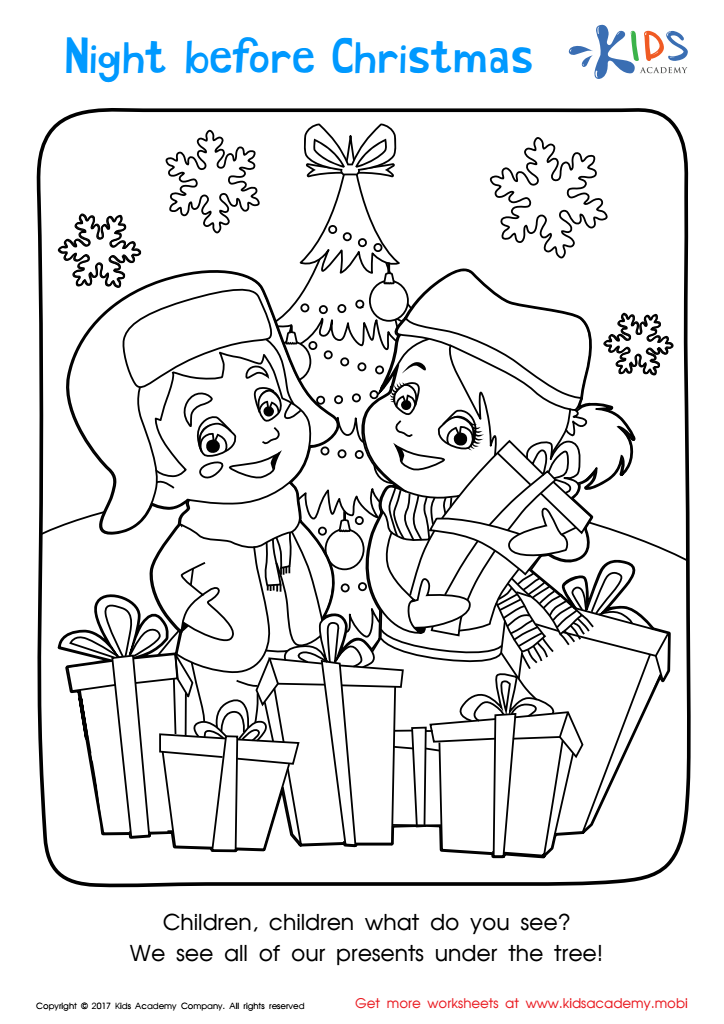
Christmas: Night Before Christmas Printable
Give your kids the gift of coloring this season! Use this boy and girl page to start a conversation on the spirit of giving. Ask your child what they'd like to give and remind them that giving is just as important as receiving. Then, help them pick the perfect colors to bring the image to life! Your child will get in the Christmas spirit while getting ready for Santa's arrival. Print the festive page and spread the joy of the season!
Download (PDF)
 Assign to My Students
Assign to My Students
Christmas: Night Before Christmas Printable
Worksheet
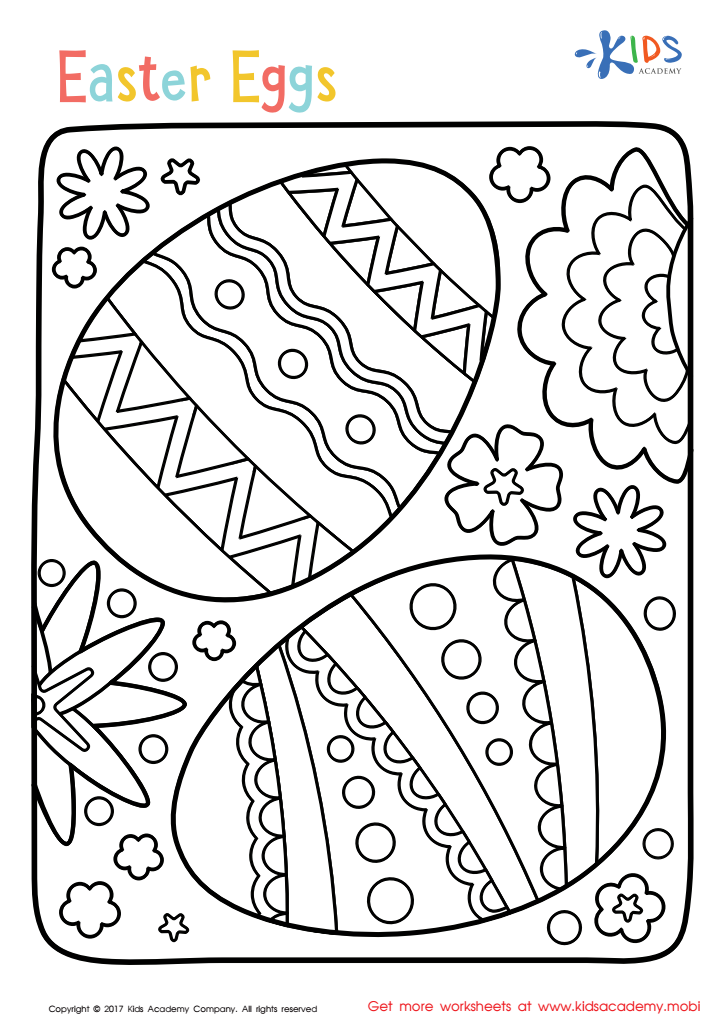
Easter: Easter Eggs Worksheet
Coloring Easter eggs is a beloved global tradition. Kids love to color eggs and hunt for goodies. This Easter, get your child excited with a printable coloring page. Let them use as many colors as they want and use it as inspiration to decorate real eggs. It's a time-honored tradition they'll look forward to each year!
Download (PDF)
Assign to My Students
Assign to My Students
Easter: Easter Eggs Worksheet
Worksheet
Join Kids Academy for Free
Who is primarily going to use this learning content?



Parents and teachers should prioritize Number Identification Cultures and Holidays Coloring Pages for children ages 3-7 because these materials serve a dual educational purpose: they foster early math skills and promote cultural awareness.
Understanding numbers is crucial for a child’s cognitive development, and incorporating coloring activities can make learning more engaging and fun. By practicing number identification through colorful representations, children are more likely to retain information in a meaningful way.
Additionally, integrating cultural and holiday themes into coloring pages helps children appreciate diversity and learn about various traditions. This early exposure encourages a respect for other cultures and ideals, helping to build inclusive mindsets. Each holiday represented can spark conversations about differences and commonalities, promoting social understanding.
Moreover, coloring itself enhances fine motor skills and hand-eye coordination, essential components of early childhood development. It also provides an opportunity for creativity and self-expression.
Ultimately, Number Identification Cultures and Holidays Coloring Pages create an enjoyable and interactive learning experience, laying foundational skills in mathematics and social awareness that children will carry with them as they grow. This dynamic approach enriches their education and fosters a community of empathy and understanding.