Color recognition Plants Worksheets for Ages 3-7
5 filtered results
Difficulty Level
Grade
Age
-
From - To
Subject
Activity
Standards
Explore our engaging Color Recognition Plants Worksheets designed for children ages 3-7! These printable resources introduce young learners to the vibrant world of plants while enhancing their understanding of colors. With captivating illustrations and interactive activities, kids will recognize various shades and hues within a botanical theme. Our worksheets promote creativity and support cognitive development, making learning fun and effective. Ideal for preschool and early grade classrooms, these activities encourage hands-on exploration and can be seamlessly integrated into your curriculum. Unlock your child's potential with our Color Recognition Plants Worksheets and watch their knowledge blossom!
Favorites
With answer key
Interactive
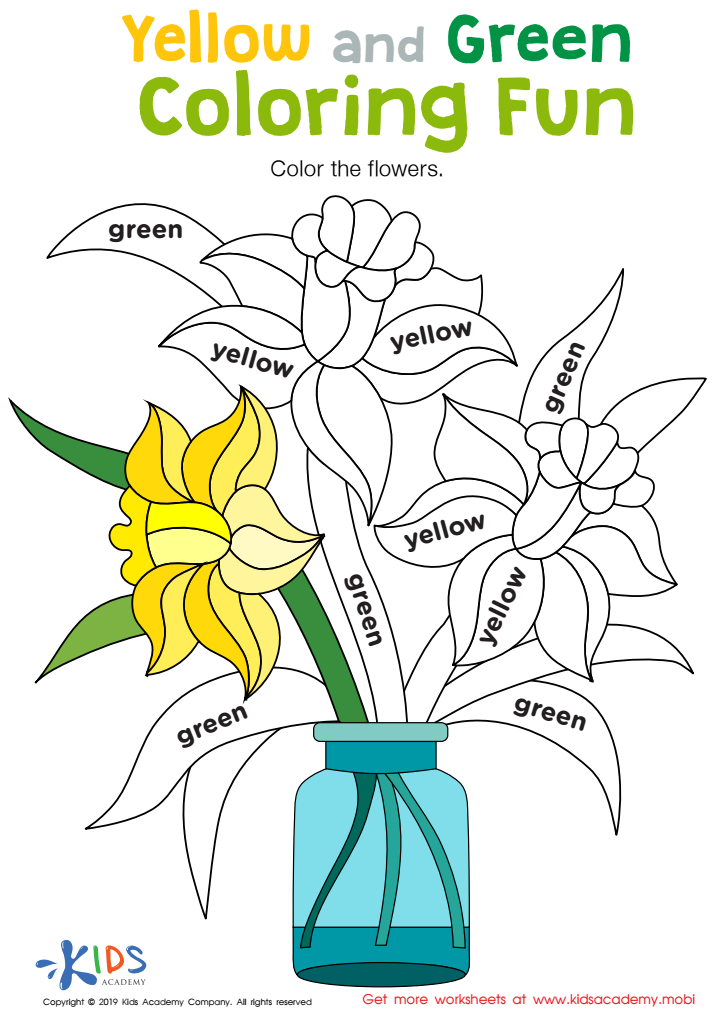
Yellow and Green Coloring Fun Worksheet
Sight words like "yellow" and "green" are easy to teach and fun for kids to learn. This free downloadable worksheet has kids read the color words and color the flower with yellow and green. A great activity for learning to read color words!
Download (PDF)
 Assign to My Students
Assign to My Students
Yellow and Green Coloring Fun Worksheet
Worksheet

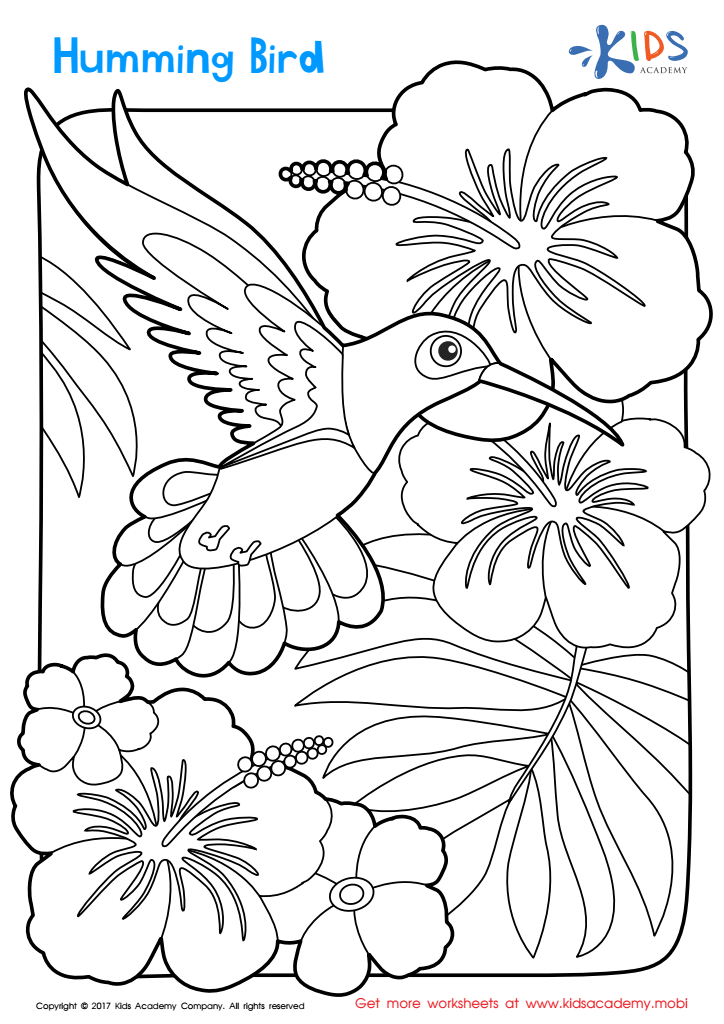
Humming Bird Worksheet
Encourage your child to explore nature with this lovely hummingbird coloring page! Use pictures to learn about the bird and extend the experience with a hummingbird feeder. See the beautiful creature in your own backyard!
Download (PDF)
Assign to My Students
Assign to My Students
Humming Bird Worksheet
Worksheet
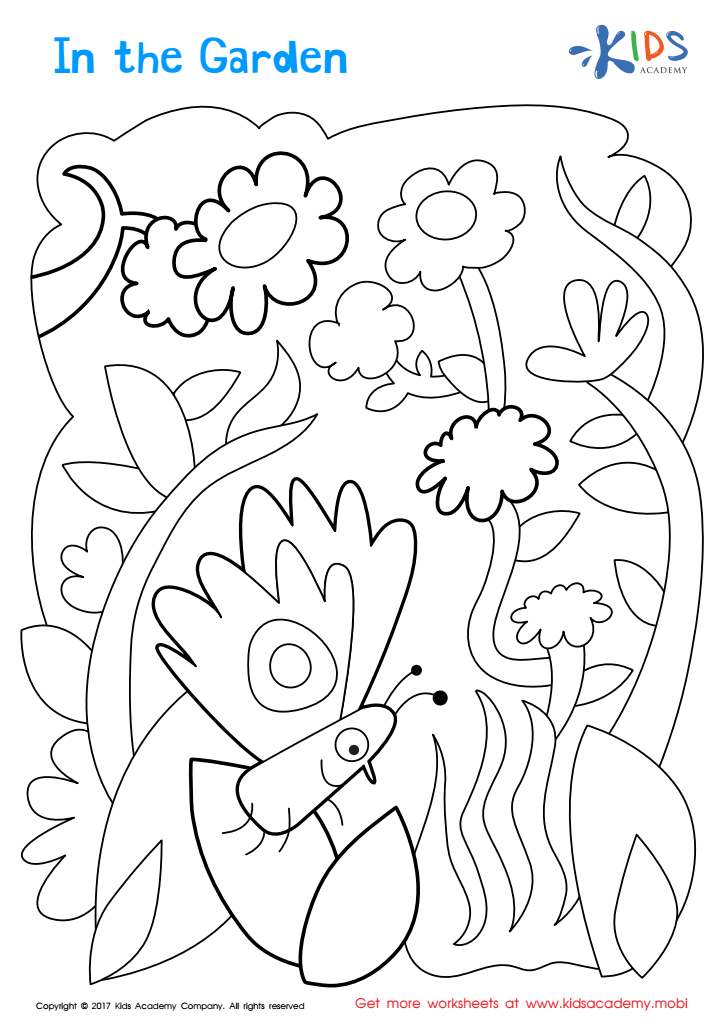
In The Garden Coloring Page
Explore nature with this fun coloring page! Take a walk out to the garden and observe the plants and animals. Help your kids learn and grow – connect the page to the natural wonders outside their window. In the Garden coloring page – make your kids smile!
Download (PDF)
Assign to My Students
Assign to My Students
In The Garden Coloring Page
Worksheet
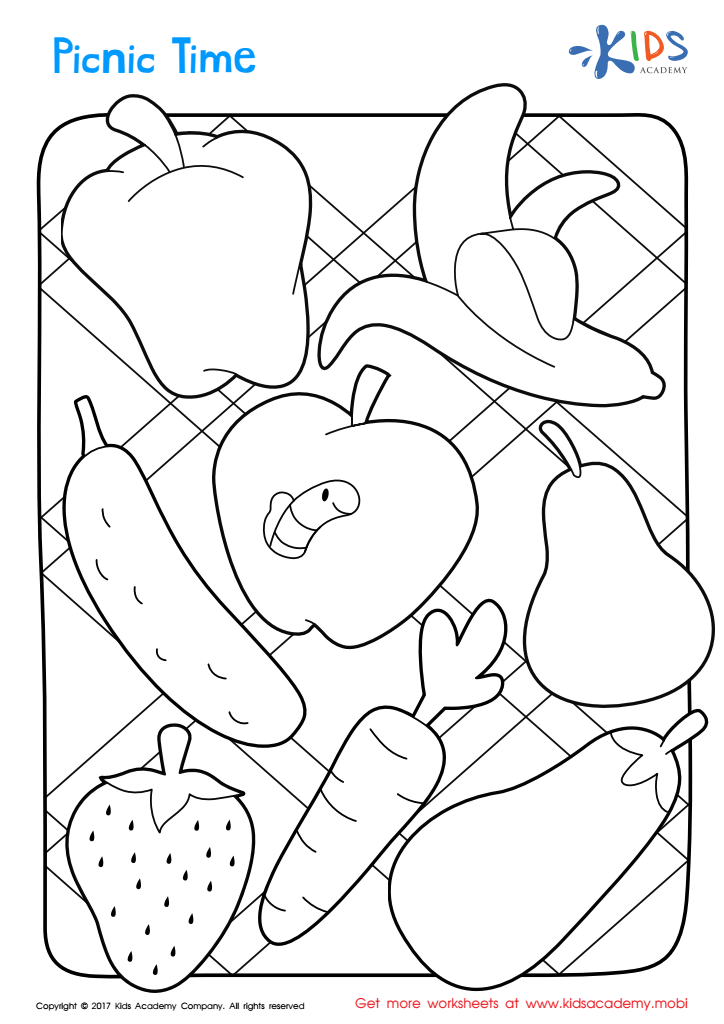
Picnic Time Coloring Page
Bringing juicy fruits and veggies to a picnic is ideal. With this Picnic Time coloring page, kids can get excited for a tasty outdoor meal. Discuss the different fruits and veggies while coloring for a fun and healthy activity!
Download (PDF)
Assign to My Students
Assign to My Students
Picnic Time Coloring Page
Worksheet
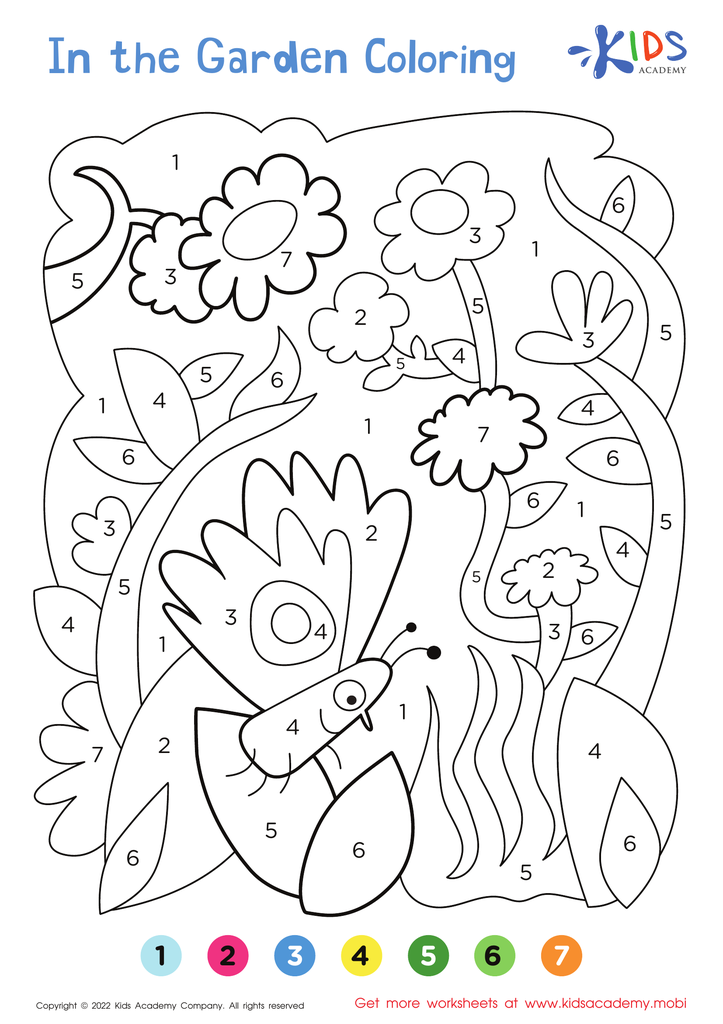
In the Garden – Coloring by Numbers
Download a free PDF page with a beautiful garden scene, perfect for coloring by numbers. Enjoy hours of creative fun and relaxation with this vibrant page.
In the Garden – Coloring by Numbers
Worksheet
Join Kids Academy for Free
Who is primarily going to use this learning content?







Color recognition in young children, particularly through the lens of plants, is a crucial aspect of early development for several reasons. First, it introduces children to the vibrant world around them, fostering an appreciation for nature. Plants are abundant in diverse colors, and engaging with them can enhance children’s sensory experiences and observation skills. Recognizing different colors helps children categorize and differentiate objects, which is foundational for cognitive development.
Moreover, integrating color recognition with nature encourages curiosity and exploration. As children identify colors in plants, they develop crucial vocabulary skills, learning names not only of colors but also of various flora. This provides a context for conversations about biodiversity, environmental stewardship, and even the basic science of how plants grow and thrive.
Additionally, analyzing colors engages young learners in critical thinking and creativity. Activities related to plants, such as gardening or art projects, promote collaboration among peers and can strengthen social skills. Lastly, developing color recognition lays the groundwork for more complex concepts in math and science as children grow. For parents and teachers, fostering this skill means nurturing a sense of wonder and ensuring a more rounded educational foundation for the children in their care.