Reading comprehension Vocabulary Coloring Pages Worksheets for Ages 3-7
4 filtered results
-
From - To
Enhance your child's reading comprehension skills with our engaging Vocabulary Coloring Pages Worksheets, designed for ages 3-7! These fun and interactive worksheets combine creativity with learning, allowing young learners to explore new words and expand their vocabulary. Our colorful illustrations capture their imagination while reinforcing essential reading concepts. Ideal for at-home learning or classroom activities, these worksheets encourage kids to recognize words in a playful context. Each page promotes fine motor skills through coloring, ensuring a holistic educational experience. Start your child's literacy journey today with our exciting coloring pages that make learning fun and effective!
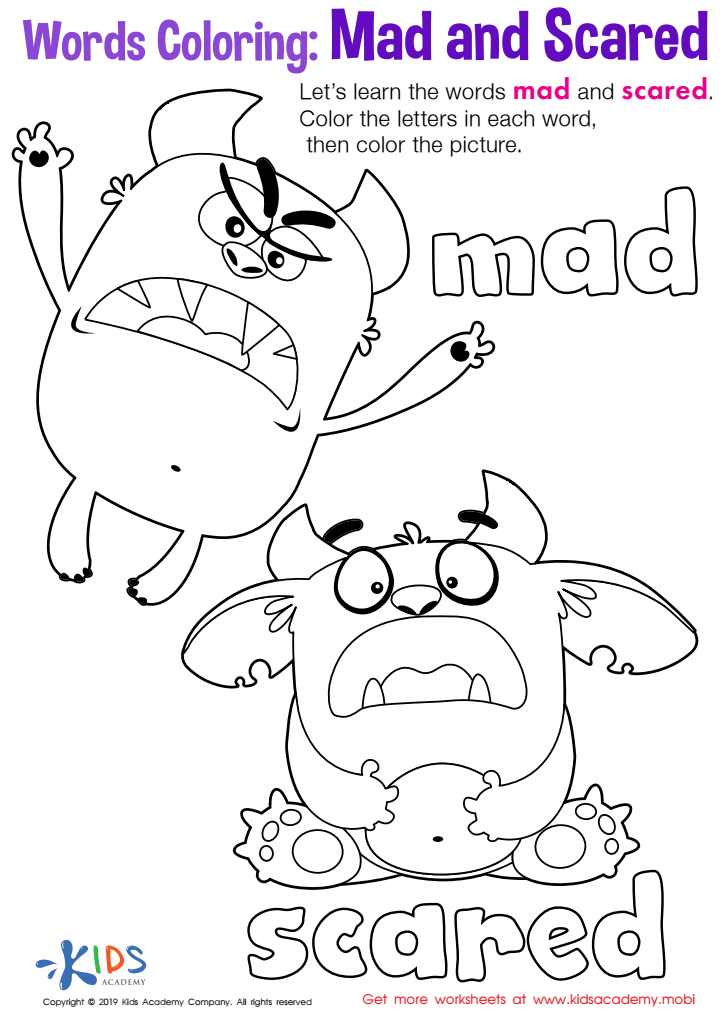
Mad and Scared Words Coloring Worksheet
 Assign to My Students
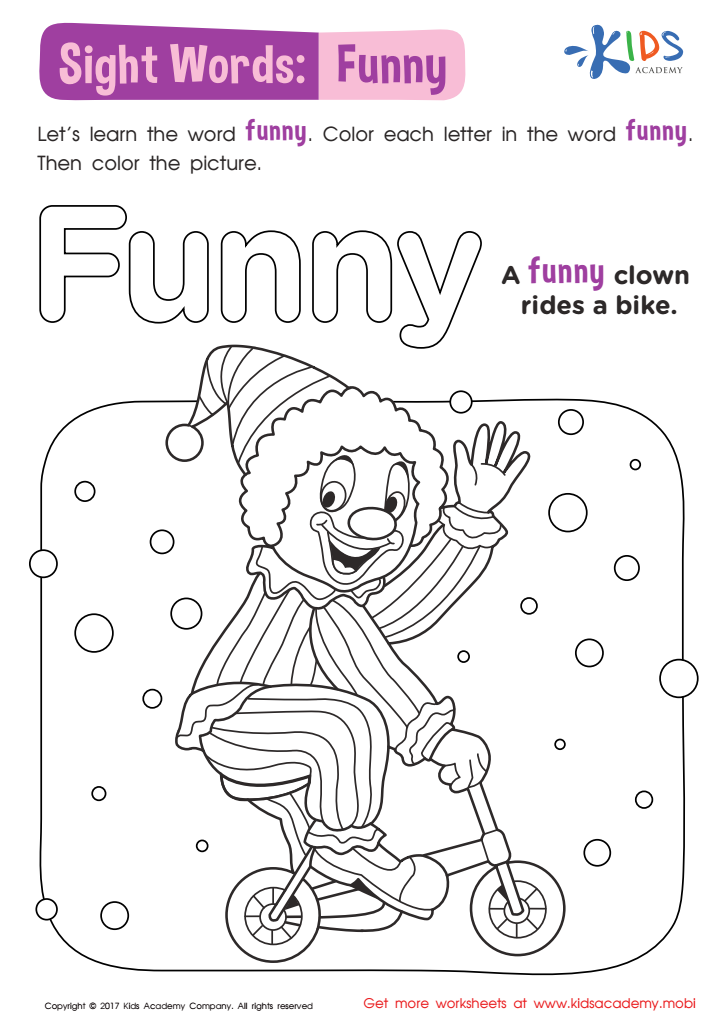
Funny Worksheet Sight Words Worksheet
Assign to My Students
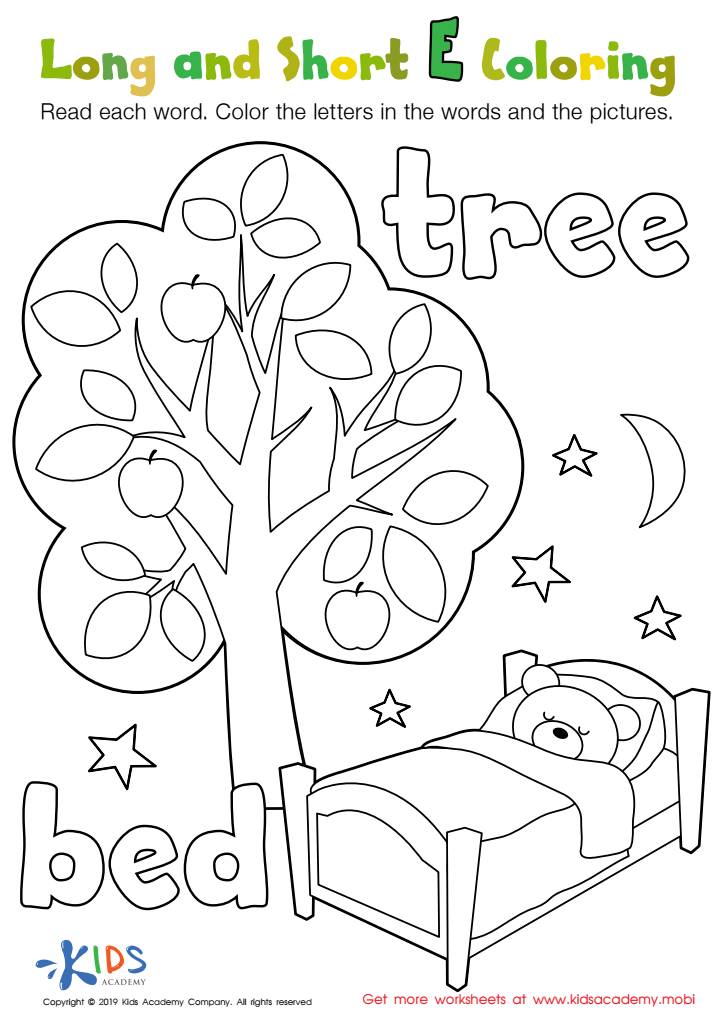
Long and Short E Worksheet
Assign to My Students
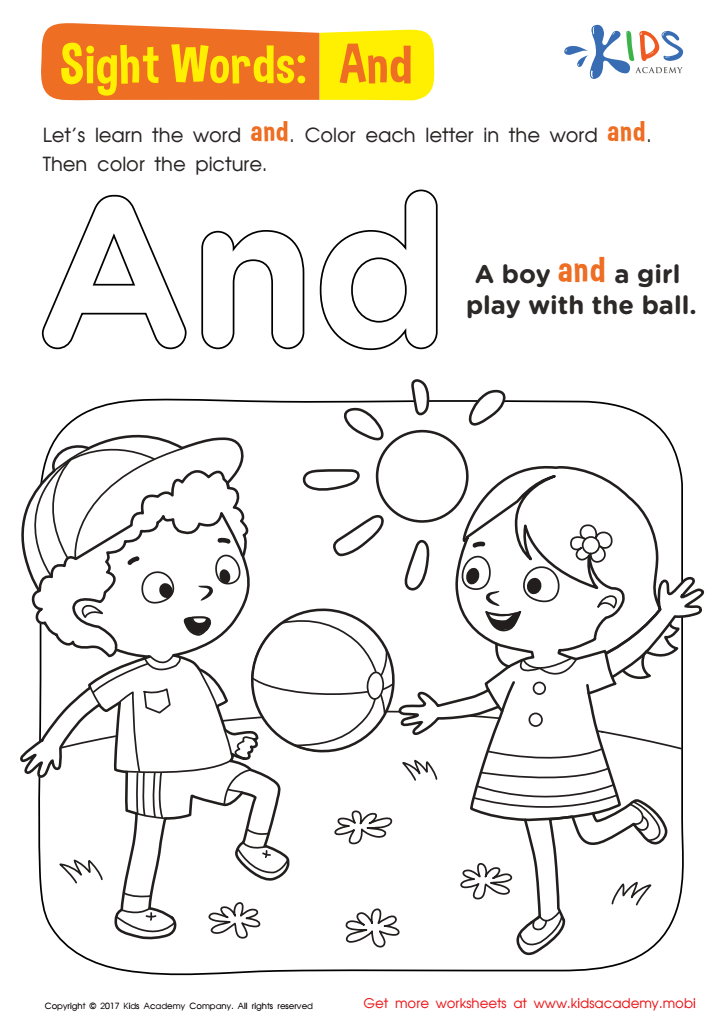
And Worksheet Sight Words Worksheet
Assign to My Students







Parents and teachers should care about reading comprehension vocabulary coloring pages for children aged 3-7 because these activities foster early literacy development in an engaging and interactive way. Colorful illustrations and fun themes capture young learners' attention, making learning less daunting and more enjoyable.
Coloring pages often include vocabulary words paired with images that represent them, helping children associate words with visuals. This dual coding reinforces vocabulary retention and aids in comprehension, which is crucial for literacy development. As children color, they also develop fine motor skills, which are essential for writing and overall dexterity.
Involving parents in this coloring process creates opportunities for bonding and dialogue. Parents can engage their children by discussing the images and words, enhancing understanding and expanding their vocabulary in context. Moreover, incorporating reading comprehension elements within coloring pages encourages children to think critically about the stories and themes around them.
These pages also allow educators to assess children's comprehension and vocabulary skills in a less formal setting, helping identify areas where additional support may be needed. Overall, incorporating vocabulary coloring pages into learning routines boosts literacy skills while making the experience both fun and meaningful.