Cognitive Development English for Beginners Worksheets for Ages 3-7
10 filtered results
-
From - To
Introducing our "Cognitive Development English for Beginners Worksheets" designed specifically for children ages 3-7. These engaging and interactive worksheets aim to enhance your child’s cognitive skills while learning English as a second language. Through fun activities that promote problem-solving, critical thinking, and memory recall, your child will develop essential language skills in a supportive environment. Each worksheet is crafted to captivate young minds, fostering curiosity and a love for learning. Perfect for parents and educators alike, these resources will help build a strong foundation in English for beginners while encouraging cognitive growth. Unlock your child's potential today!

Red and Blue Coloring Fun Worksheet
 Assign to My Students
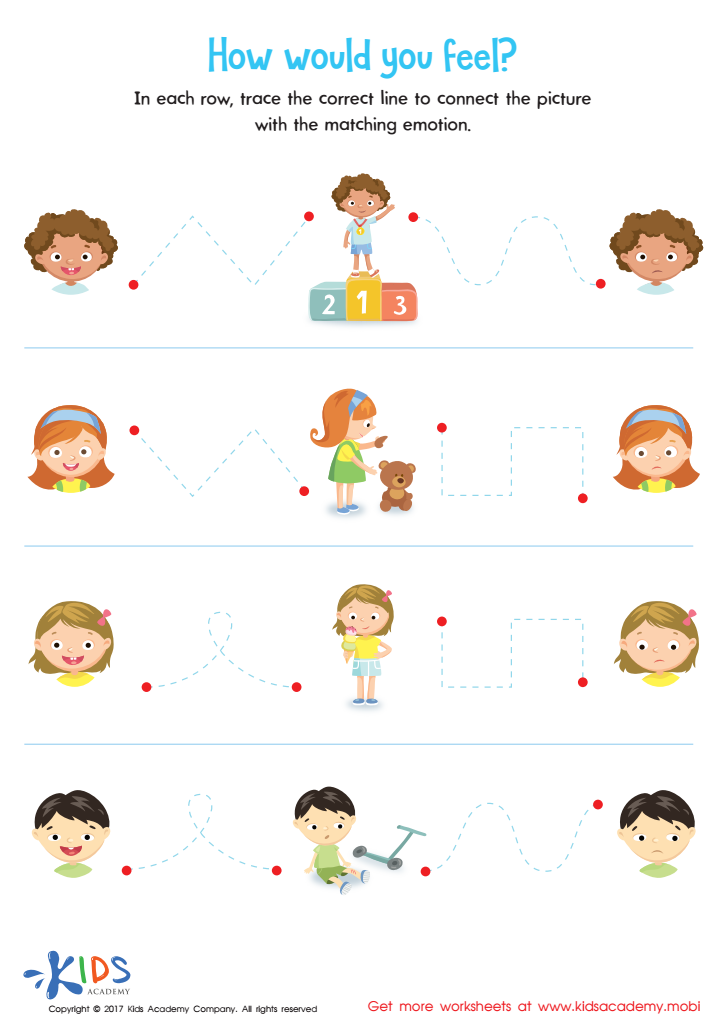
Feelings and Emotions Worksheet
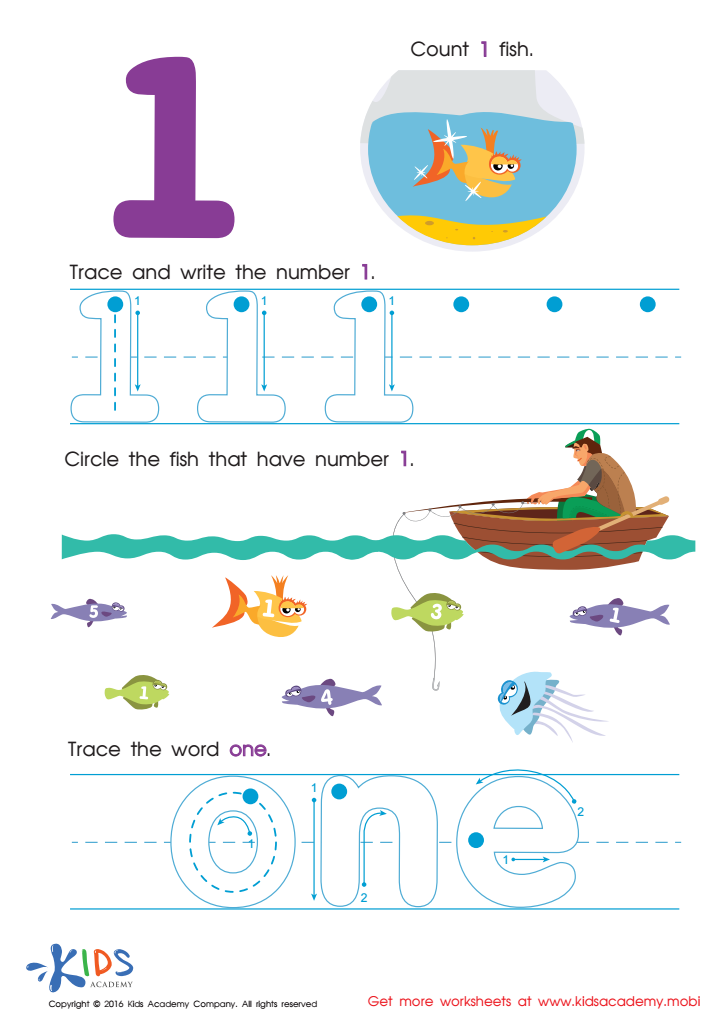
Learning to Write 1 Worksheet
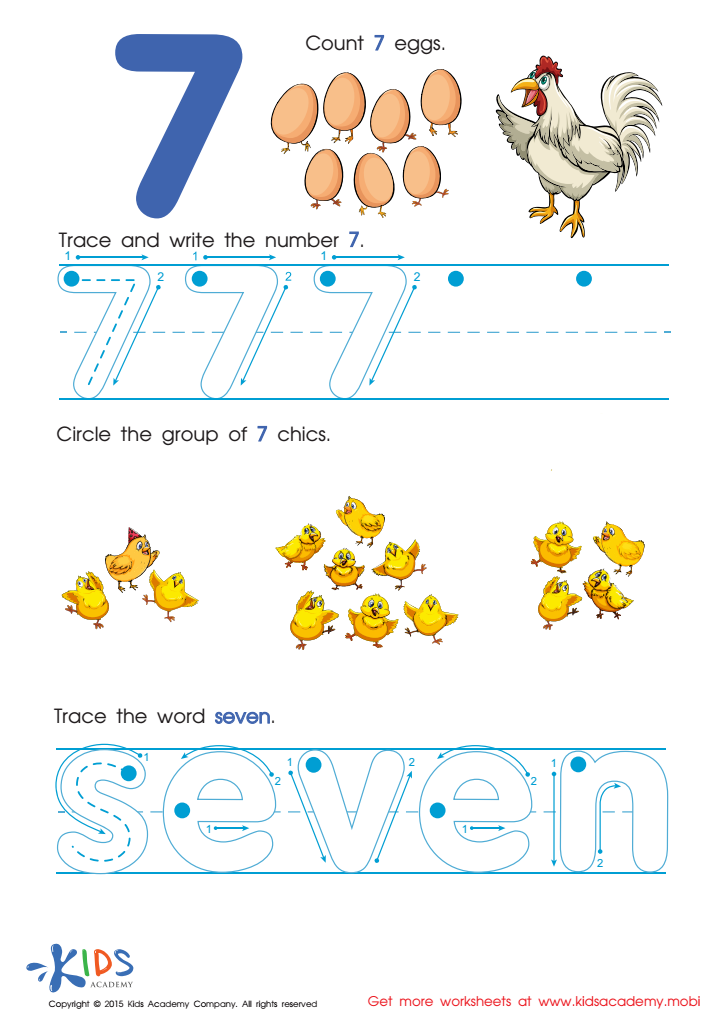
Trace And Write Number 7 with Fun Worksheet
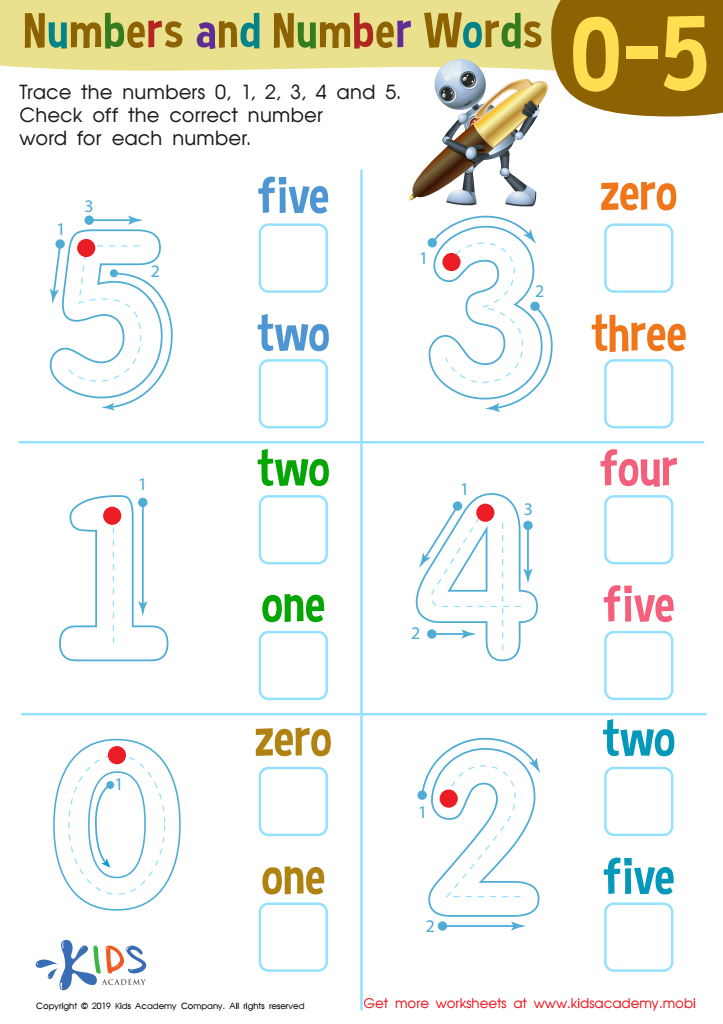
Numbers and Number Words Worksheet

Red Tracing Color Words Printable
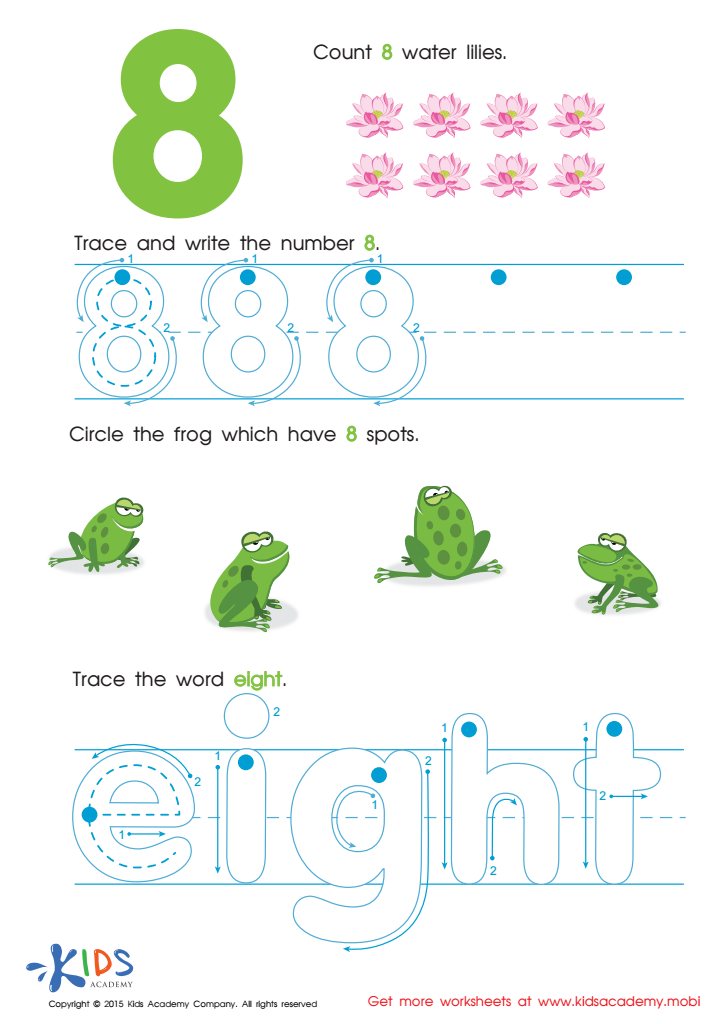
Learn Number 8 Easily Worksheet
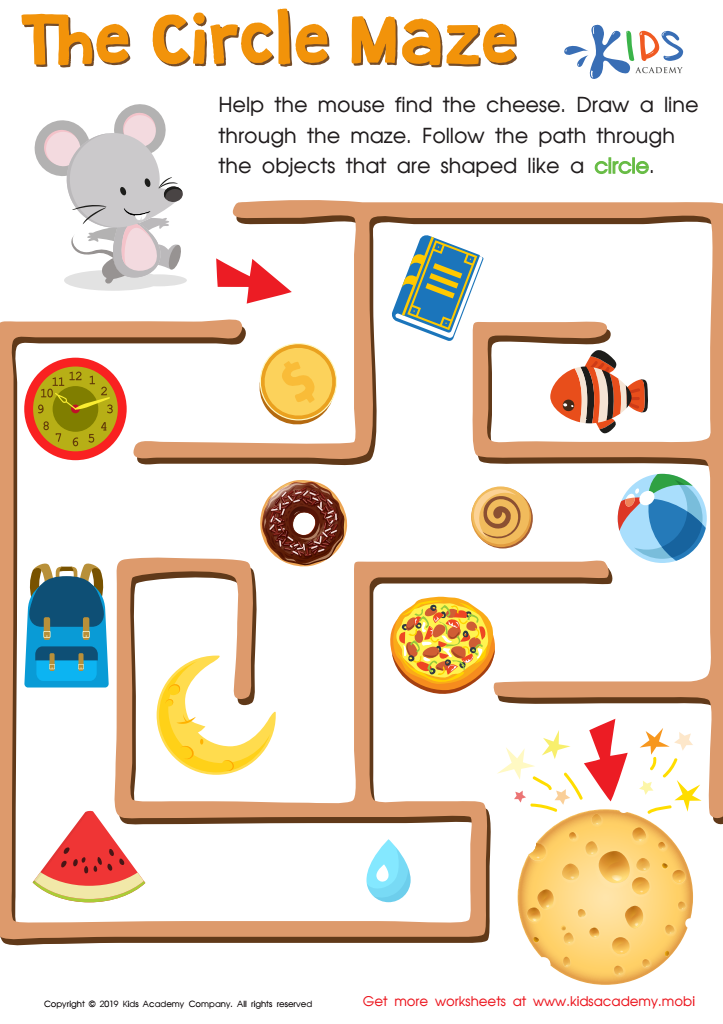
The Circle Maze Worksheet
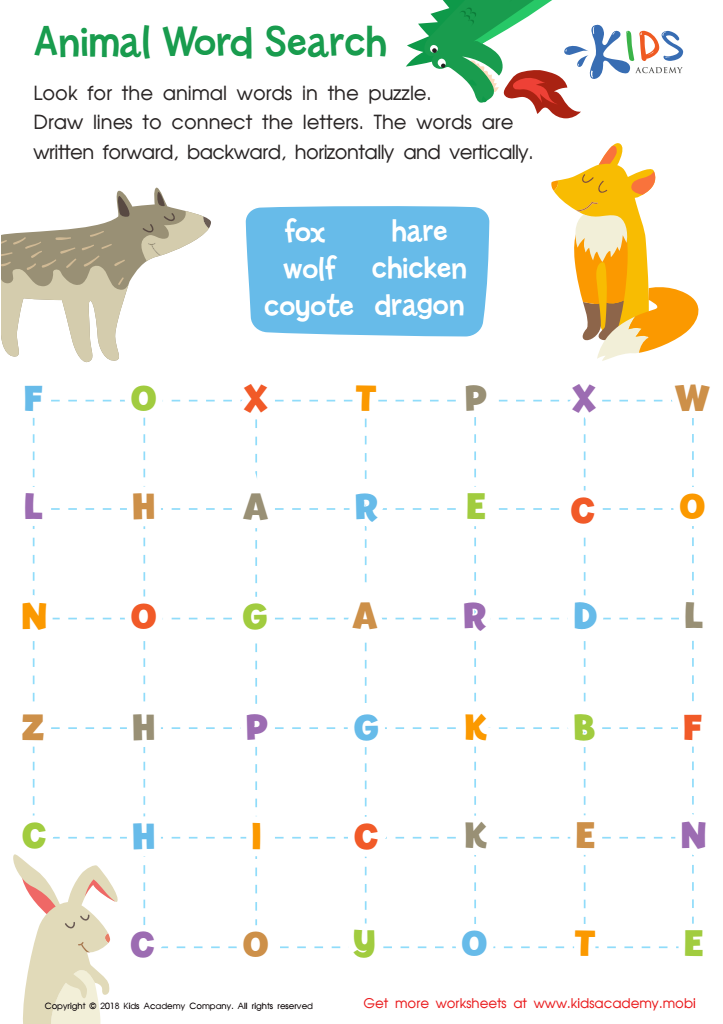
Animal Word Search Worksheet
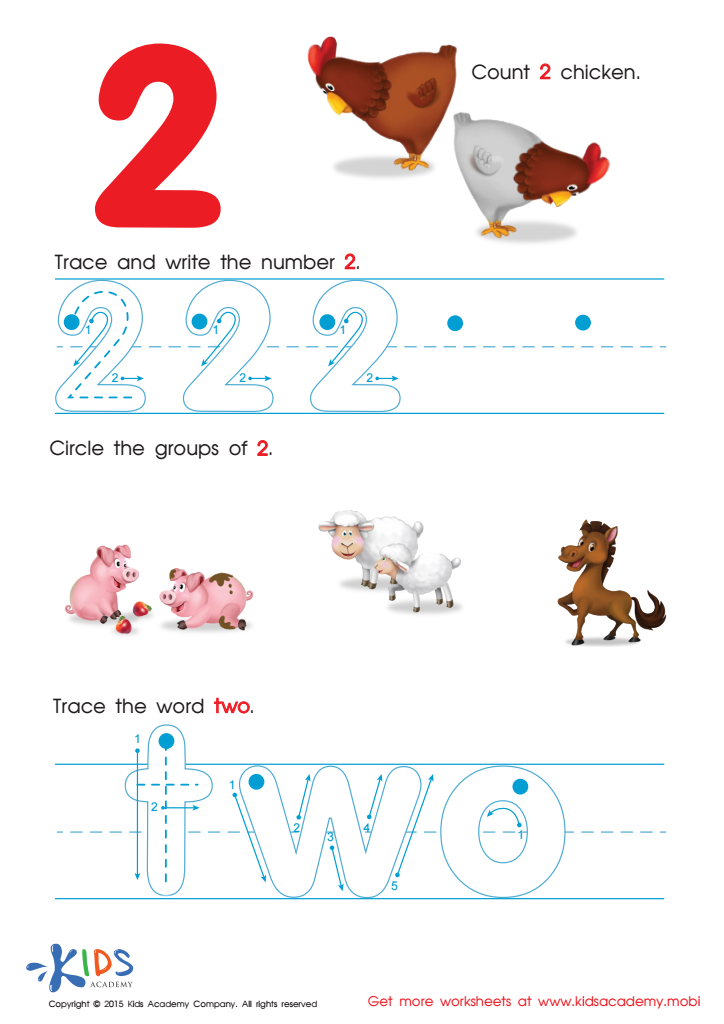
Learn to Write the Number 2 Worksheet




Cognitive development is crucial for children aged 3-7, as it lays the foundation for their future learning and overall development. During these formative years, children's brains undergo rapid growth, making this the perfect time to nurture their cognitive skills. Parents and teachers should care about promoting cognitive development through English for beginners because it enhances critical thinking, problem-solving abilities, and language proficiency.
Language is a fundamental tool for learning; it allows children to express themselves, understand others, and engage with their surroundings. By introducing English at this early age, children can build vocabulary, develop communication skills, and improve their ability to comprehend and share ideas. This not only fosters academic success but also improves their social interactions and emotional expression.
Moreover, cognitive development activities, such as storytelling and interactive games, stimulate intellectual curiosity and creativity. They help children form connections and understand concepts, setting the stage for advanced learning in science, math, and other subjects.
Ultimately, investing in cognitive development through early English education helps create lifelong learners who can adapt to the complexities of the world. Thus, both parents and teachers play a vital role in embracing this critical aspect of early childhood development.