Basic math application Worksheets for Ages 3-7
5 filtered results
-
From - To
Discover engaging Basic Math Application Worksheets designed for children ages 3-7! Our worksheets are perfect for young learners to practice essential math skills, including counting, addition, subtraction, and simple problem-solving. Aligned with educational standards, these exercises not only enhance mathematical understanding but also promote cognitive development through fun and interactive activities. Each worksheet is colorful and inviting, making learning enjoyable for kids. Parents and teachers can easily download and print these resources to support at-home learning or classroom activities. Start building a strong mathematical foundation for your child today with our comprehensive collection of worksheets!
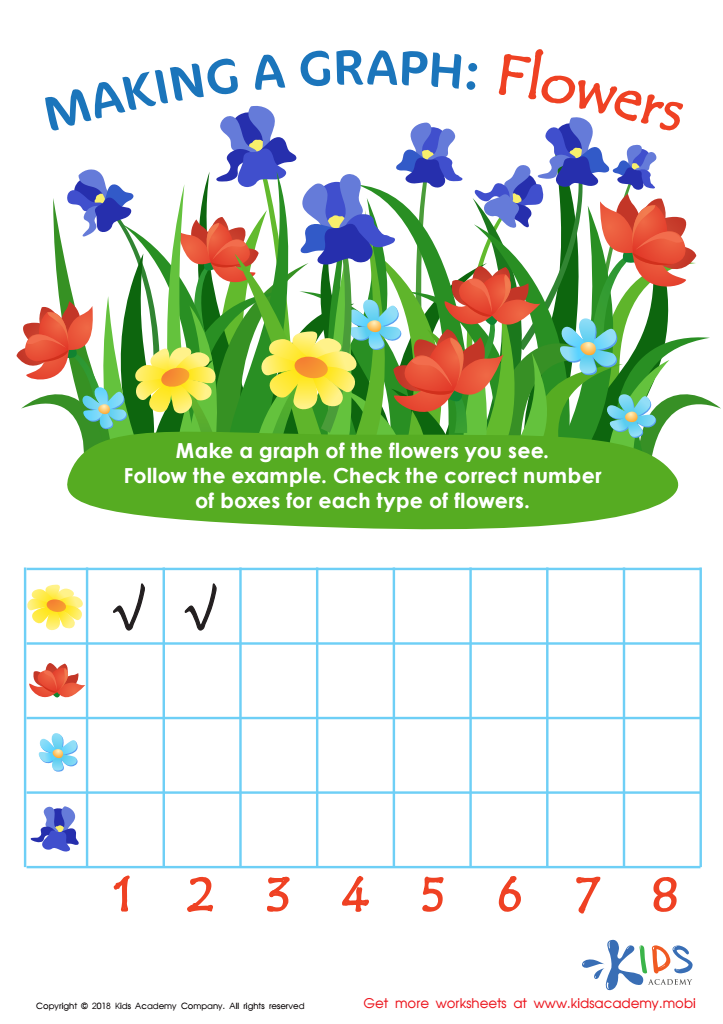
Making a Graph: Flowers Worksheet
 Assign to My Students
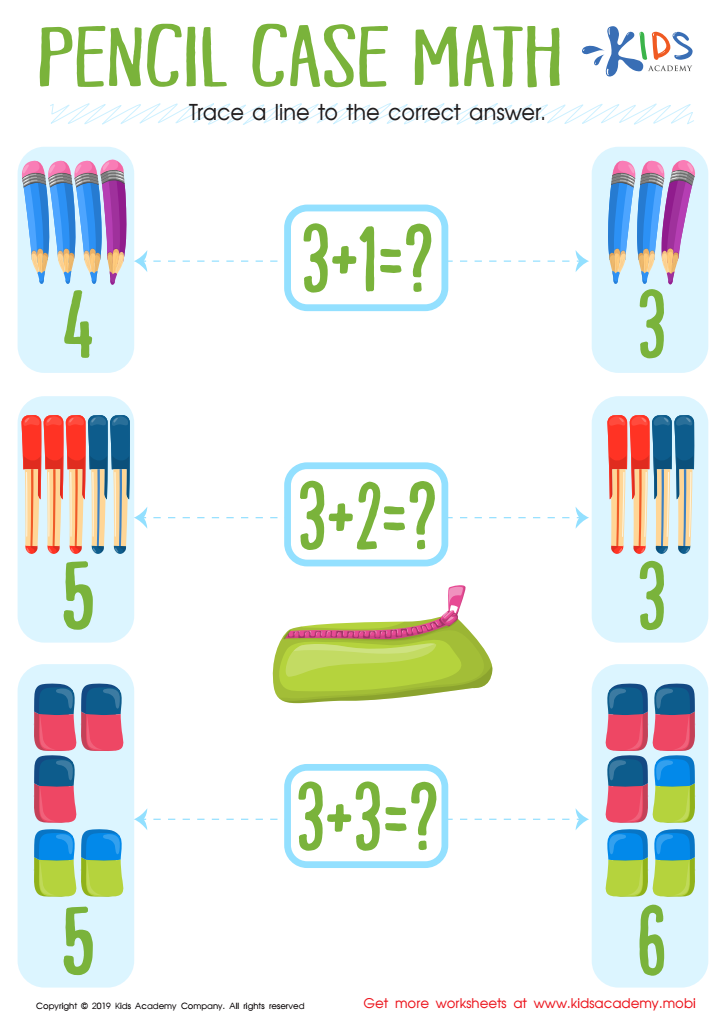
Pencil Case Math Worksheet
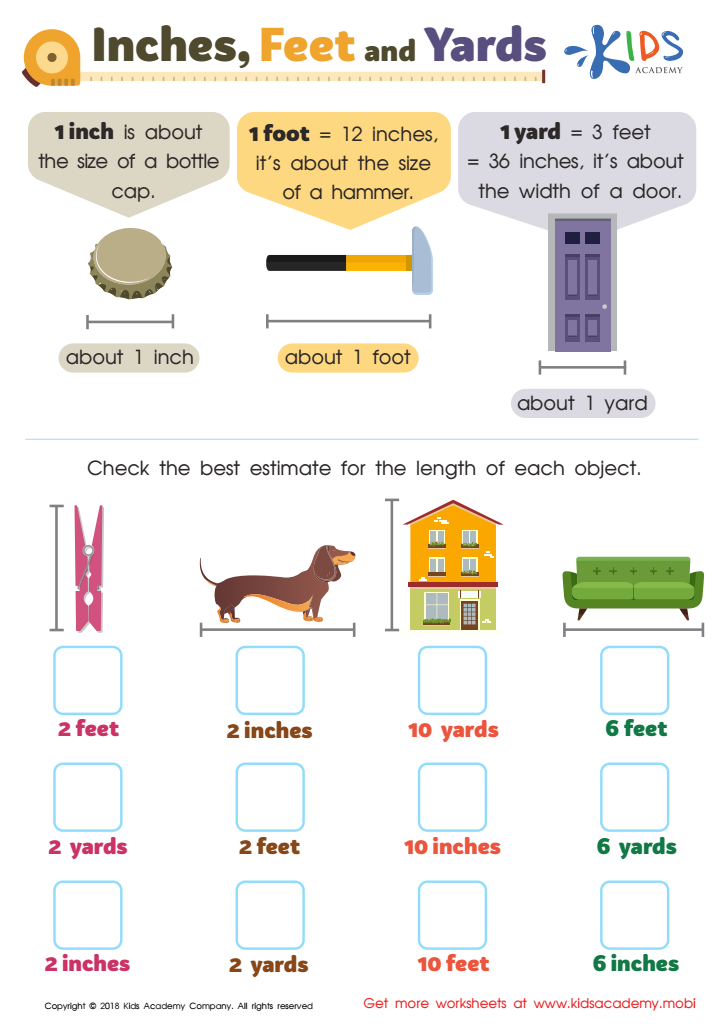
Inches, Feet and Yards Worksheet
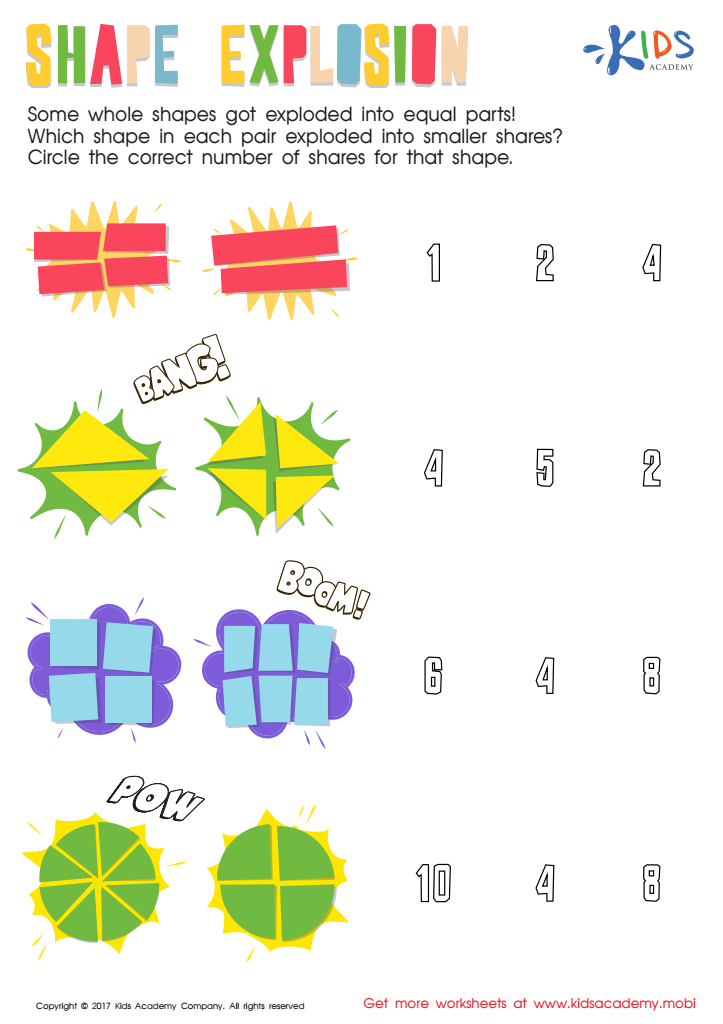
Shape Explosion Worksheet
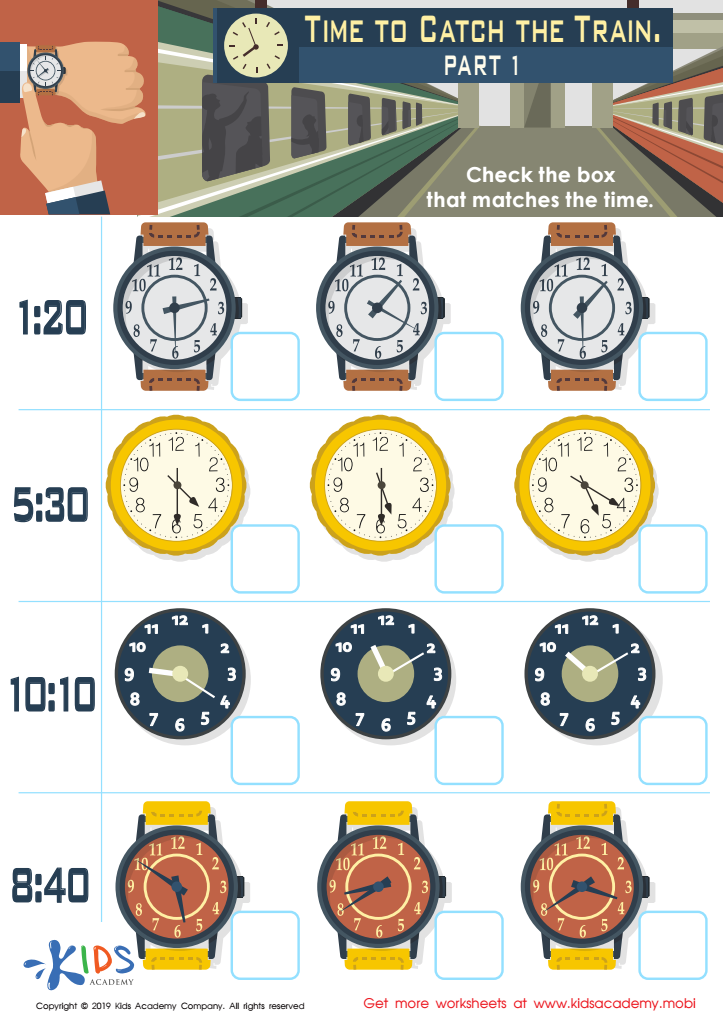
Time to Catch the Train Part 1 Worksheet





.jpg)
Parents and teachers of children aged 3 to 7 should care about basic math applications because this foundational stage significantly impacts a child's cognitive development. Early exposure to math concepts—such as counting, number recognition, and understanding patterns—provides vital skills that children will build upon throughout their education and lives. Engaging with math in a playful, age-appropriate manner fosters a positive attitude towards the subject, making it less intimidating as the child progresses.
Moreover, math skills contribute to problem-solving abilities, critical thinking, and logical reasoning, which are essential in everyday situations. By incorporating math into daily activities, like cooking or shopping, parents and teachers help children see the relevance of math in their world. This practical application not only reinforces learning but also shows kids that math is a useful tool in various scenarios.
Additionally, early math proficiency is linked to future academic success. Research has shown that children who develop strong early math skills are more likely to excel in higher-level math as they grow. By prioritizing basic math applications now, parents and teachers lay a solid foundation that supports lifelong learning and success.








