Color Identification Worksheets for Ages 3-7 - Page 3
72 filtered results
-
From - To
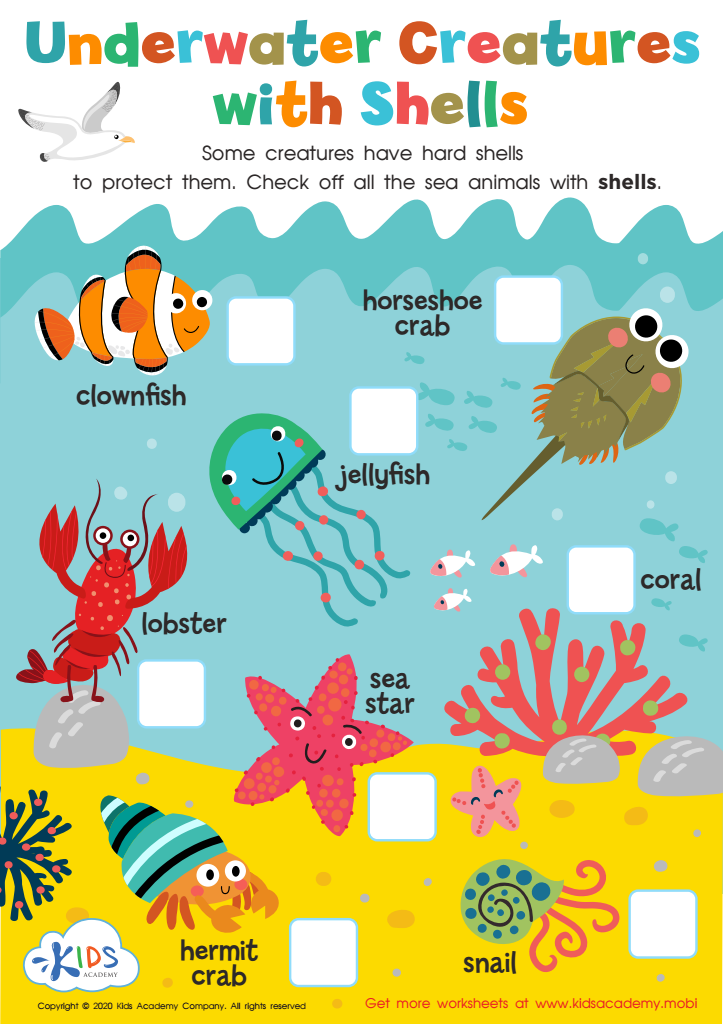
Underwater Creatures with Shells Worksheet
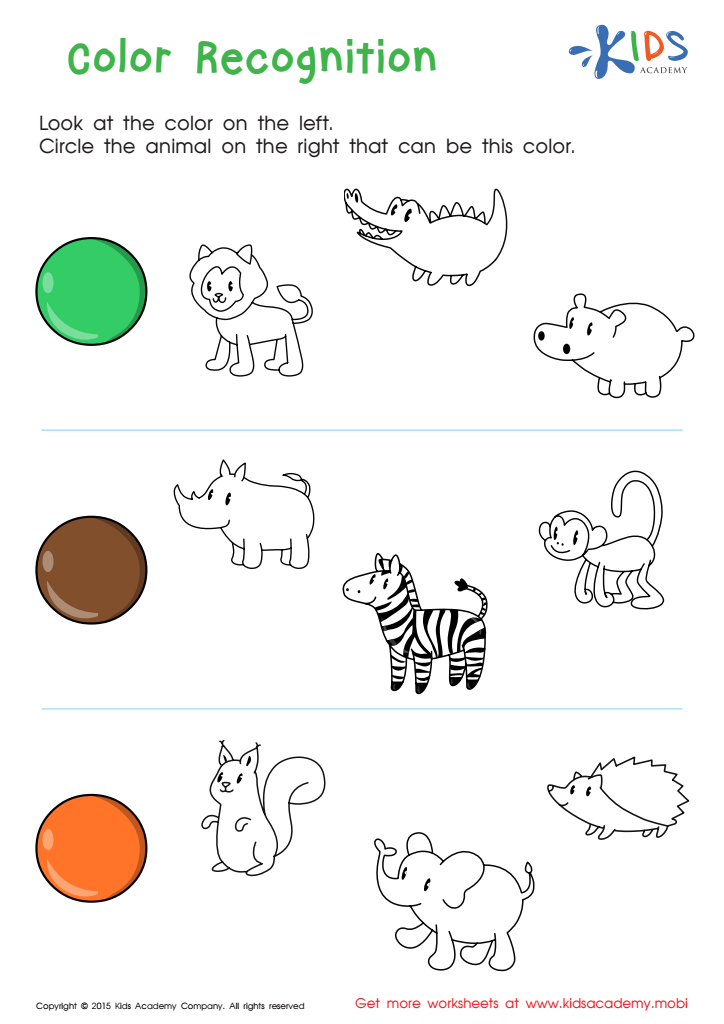
First Words: Color Recognition Worksheet
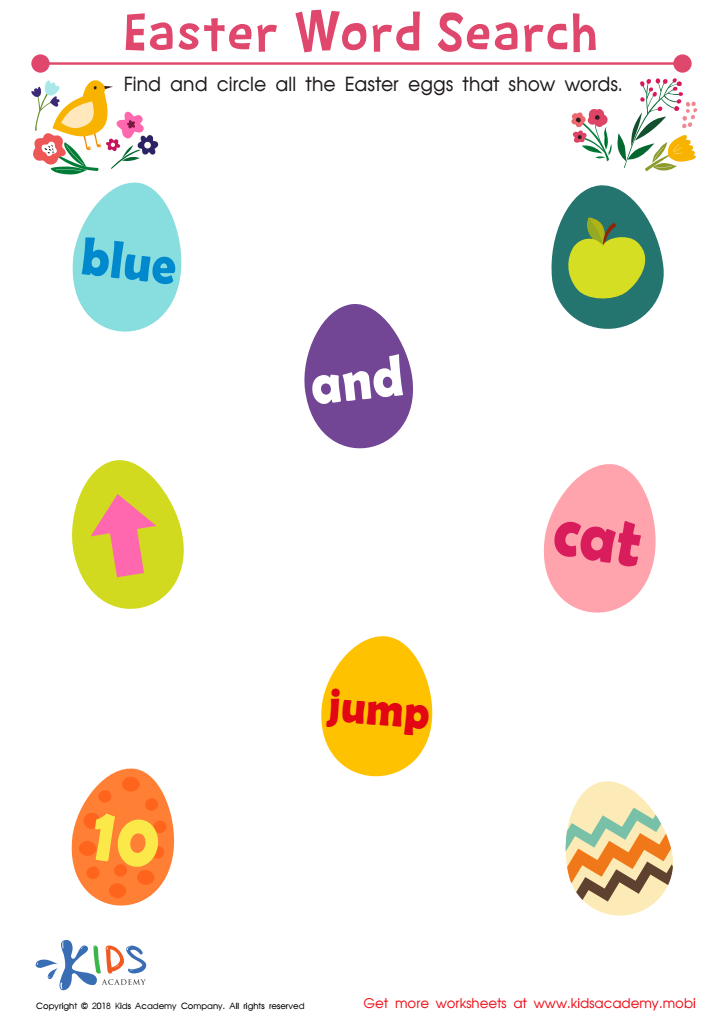
Easter Word Search Worksheet
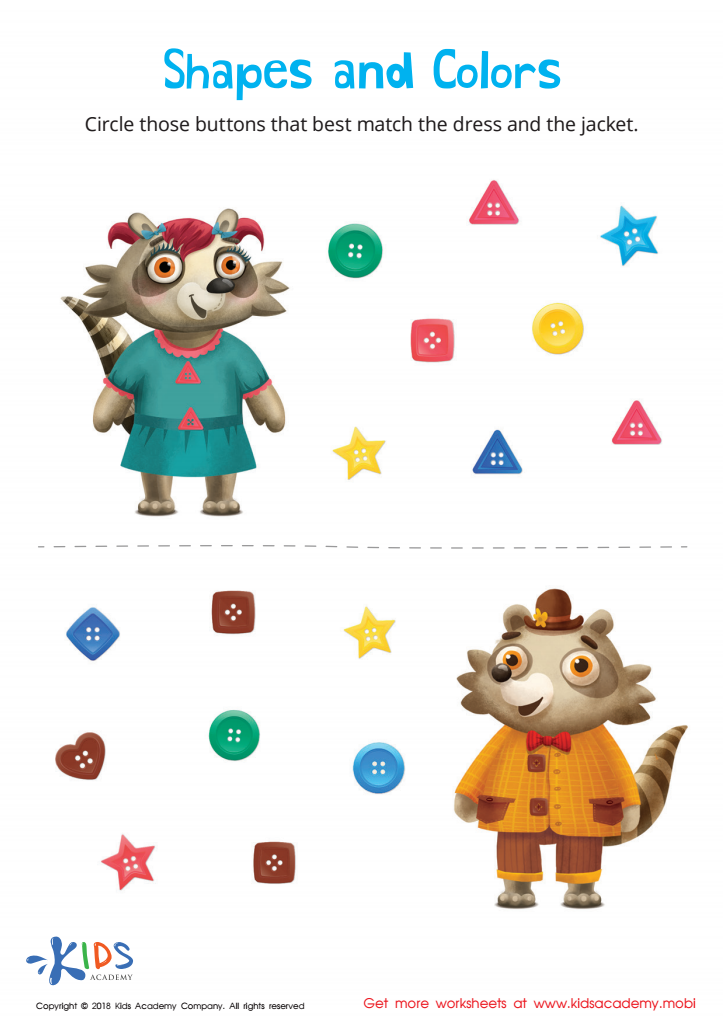
Shapes and Colors Worksheet
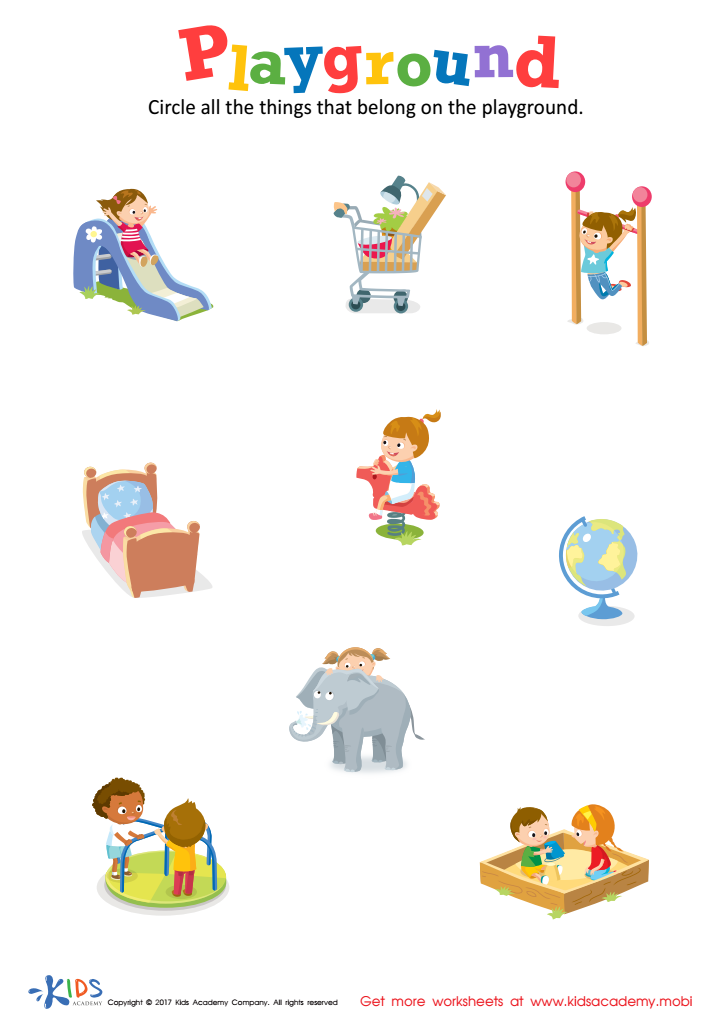
Playground Worksheet
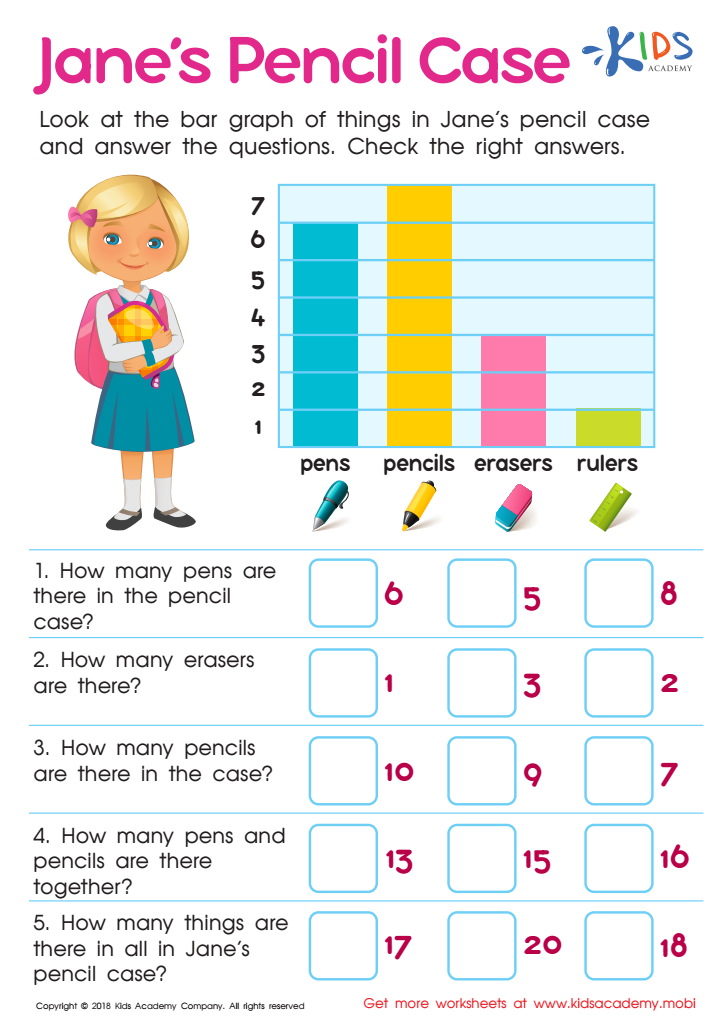
Jane's Pencil Case Worksheet
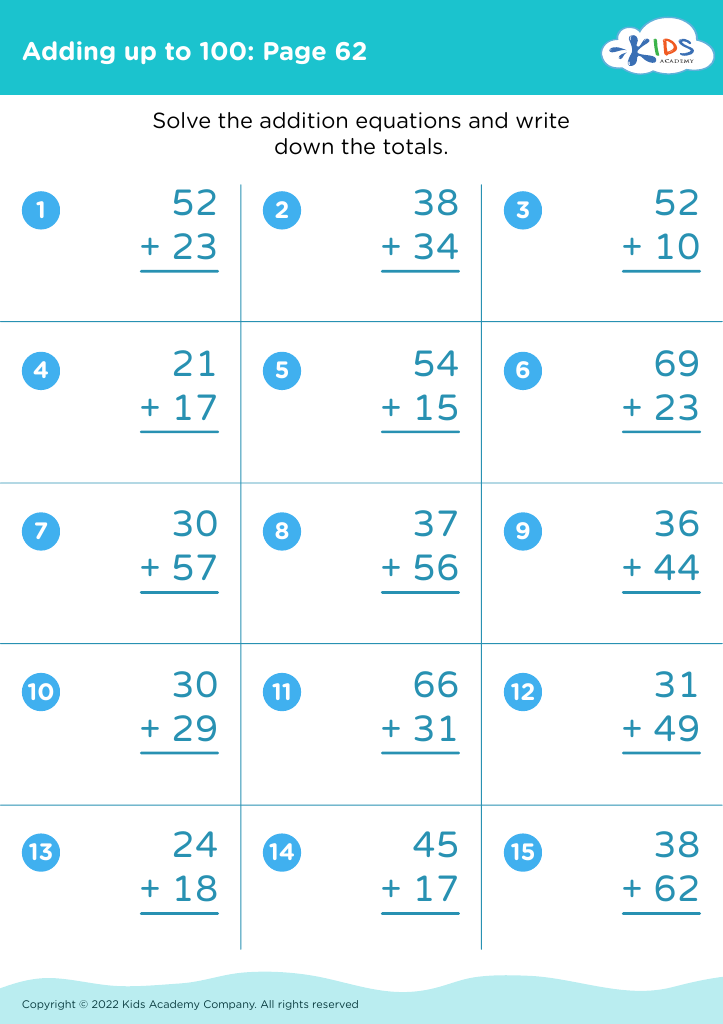
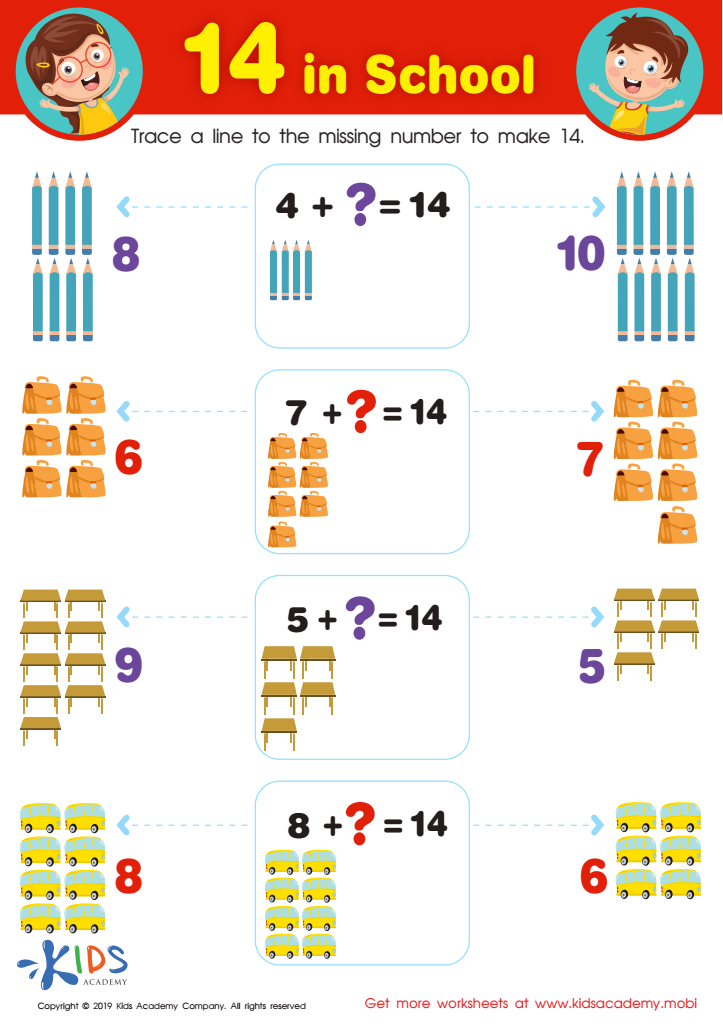
14 in School Worksheet
Christmas: Christmas Tree Printable
 Assign to My Students
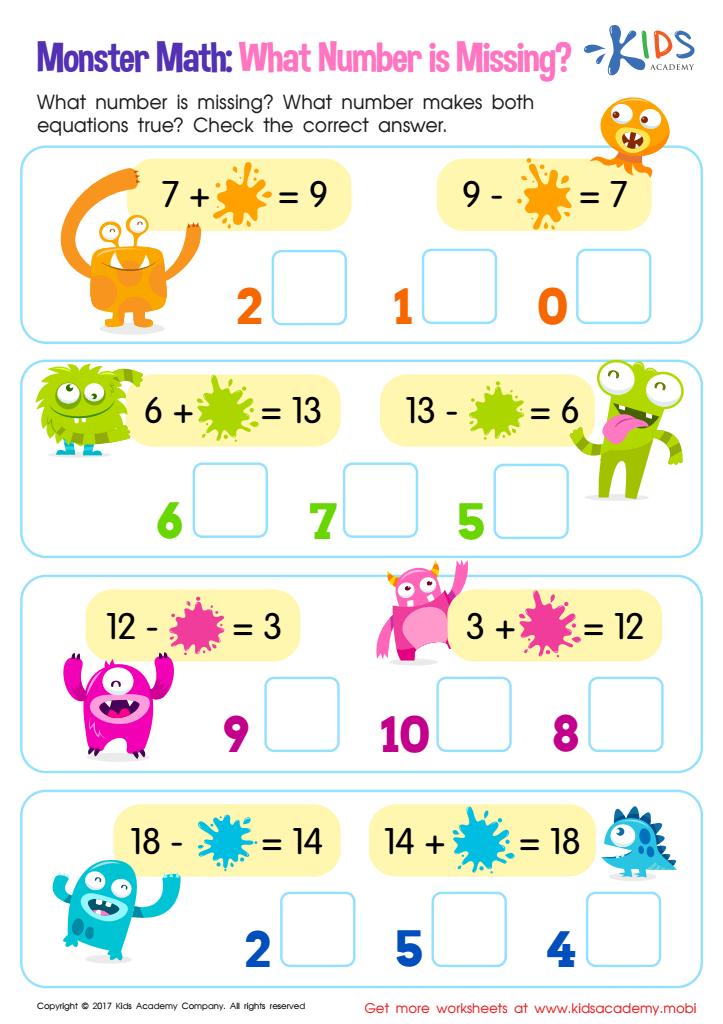
Missing Number: Monster Math Worksheet
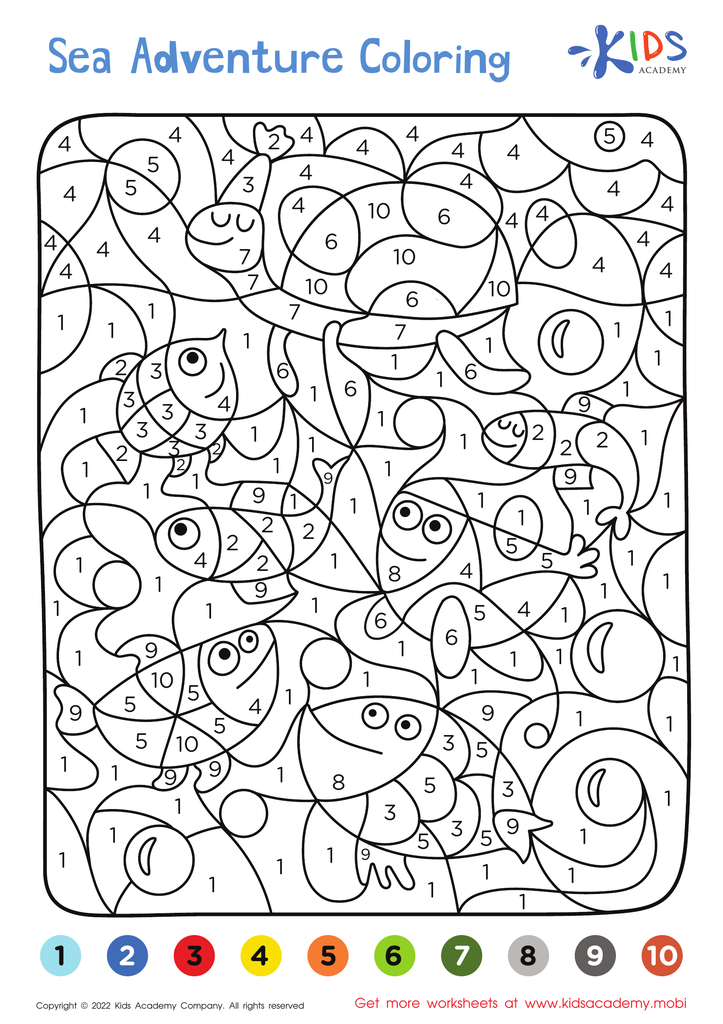
Sea Adventure – Coloring by Numbers
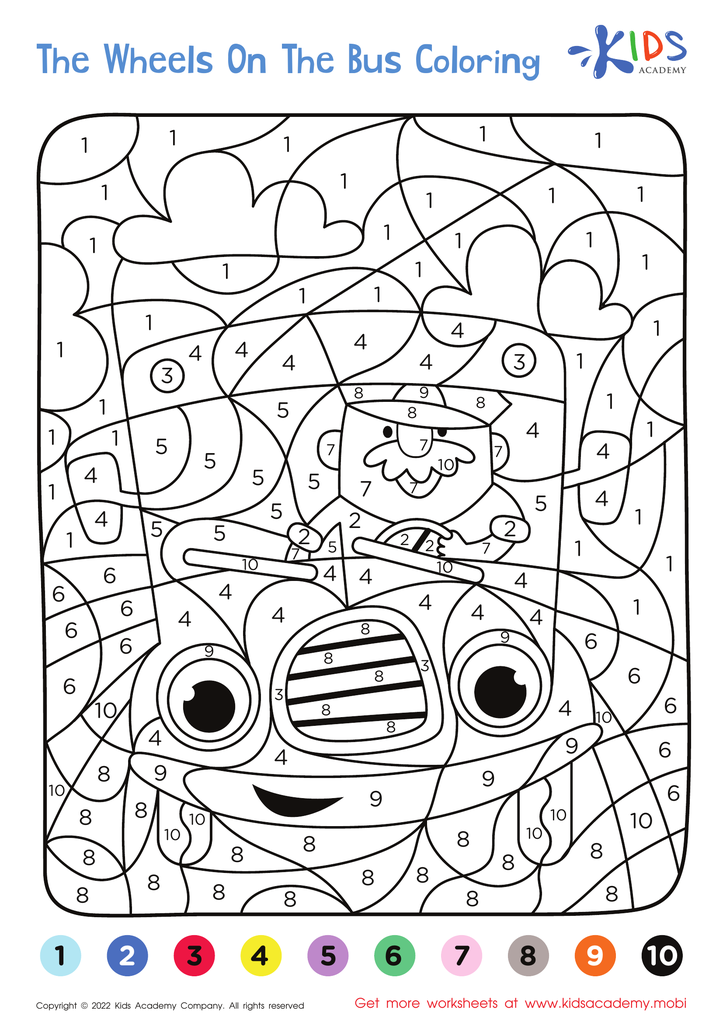
Wheels on the Bus – Coloring by Numbers
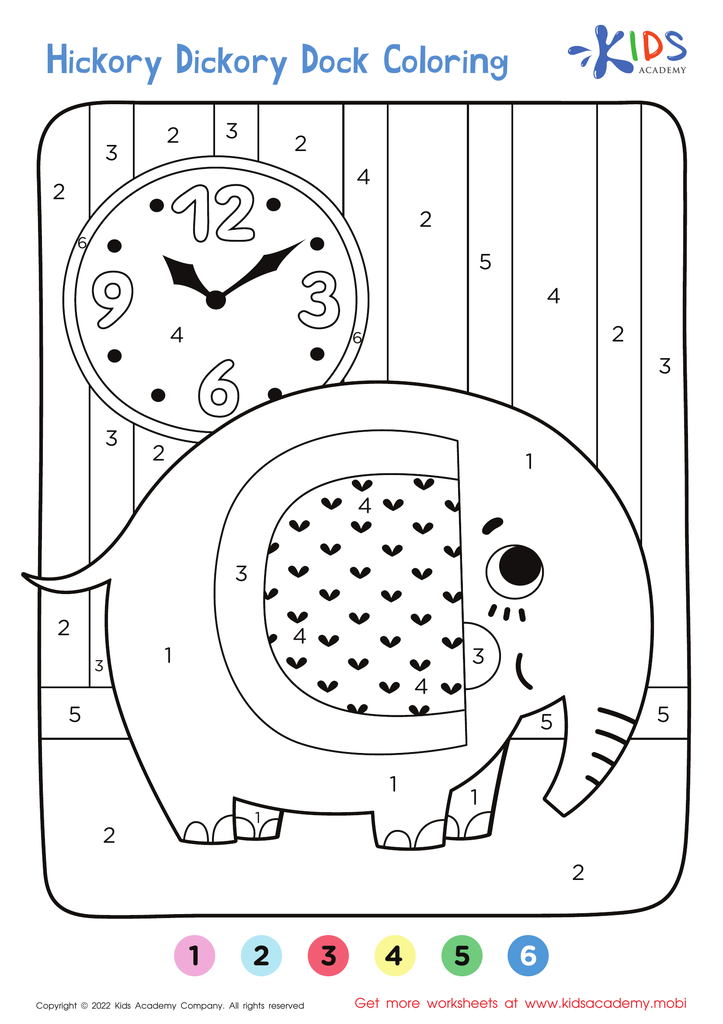
Hickory Dickory Dock – Coloring by Numbers
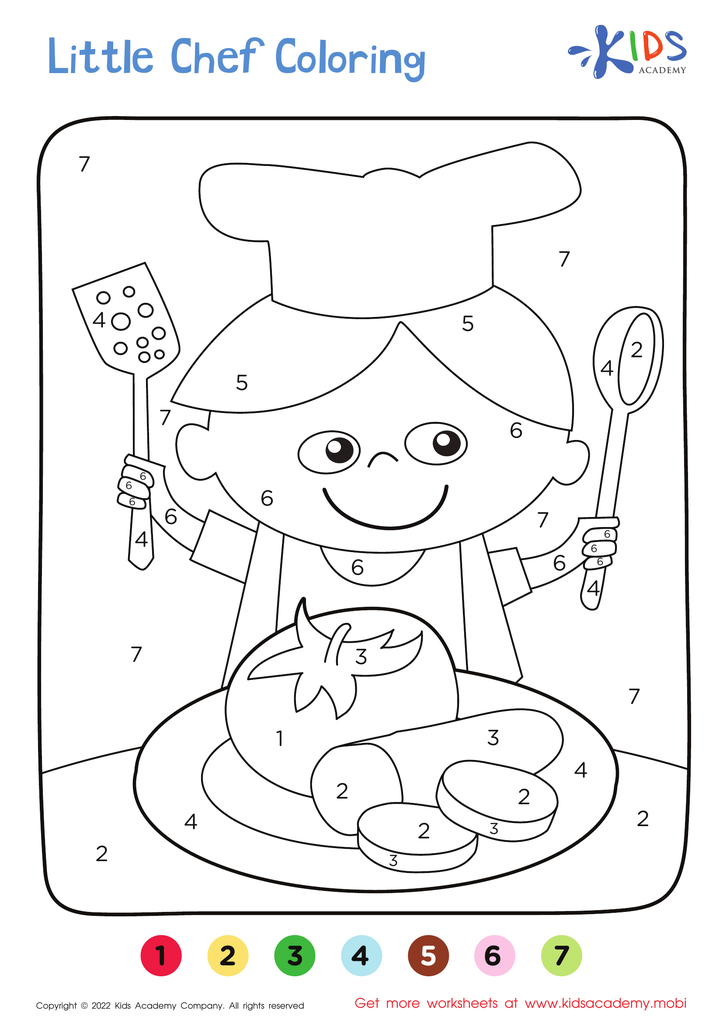
Little Chef – Coloring by Numbers
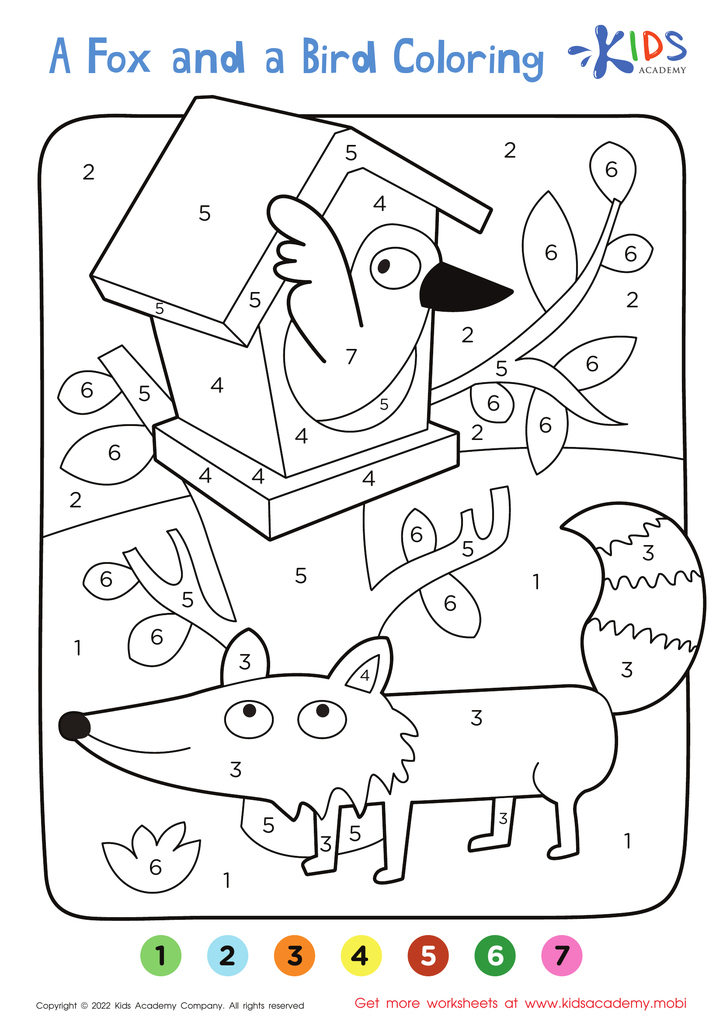
A Fox and a Bird – Coloring by Numbers







Color identification is a fundamental skill for children aged 3-7 that significantly impacts their cognitive and social development. First, it's essential for early literacy and math skills; recognizing colors helps children sort objects, understand patterns, and even enhance their vocabulary. Color names provide descriptive language that enriches communication skills, allowing children to express themselves more clearly.
Equally important, color recognition plays a role in emotional development. Colors evoke specific feelings, and teaching children to associate emotions with colors helps them communicate their feelings more effectively and develop empathy for others. Additionally, understanding colors can foster creativity and self-expression as children experiment with art and imaginative play.
From a classroom perspective, color identification aids organization and makes learning interactive. For educators, using colors in lesson plans can help hold students' attention and can serve as helpful cues during instruction. For parents, engaging in playful color-related activities at home strengthens learning and relationships through shared experiences.
Overall, nurturing color identification in young children not only boosts foundational skills but also supports their emotional growth and creative exploration, making it a vital focus for both parents and teachers.








