
Develop logical thinking Worksheets for Ages 3-7
9 filtered results
Difficulty Level
Grade
Age
-
From - To
Subject
Activity
Standards
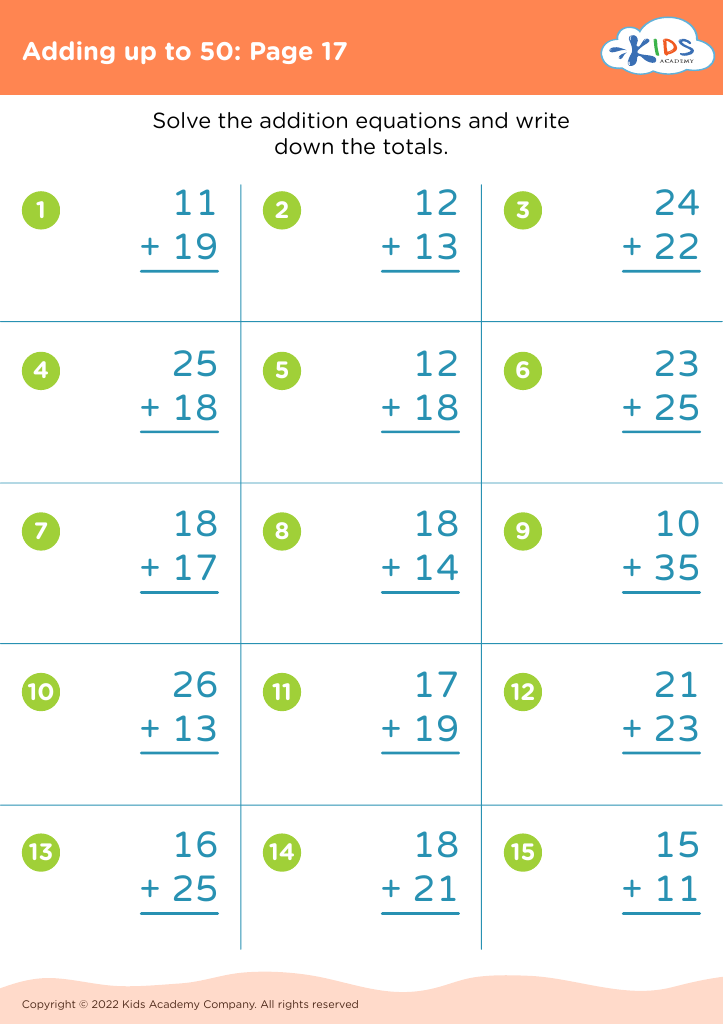
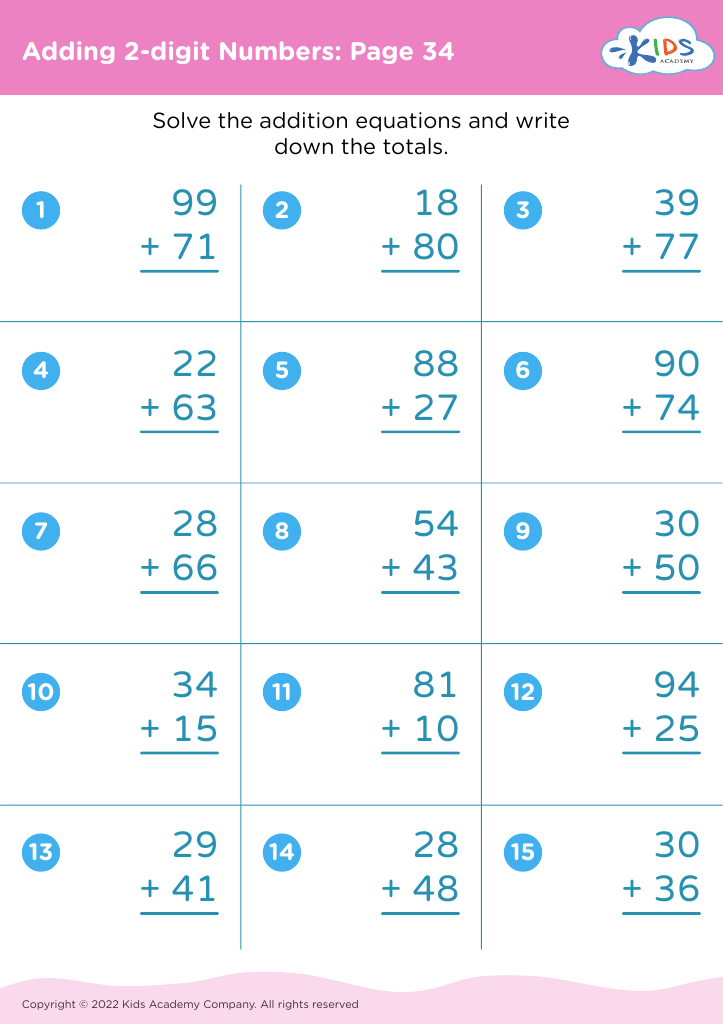
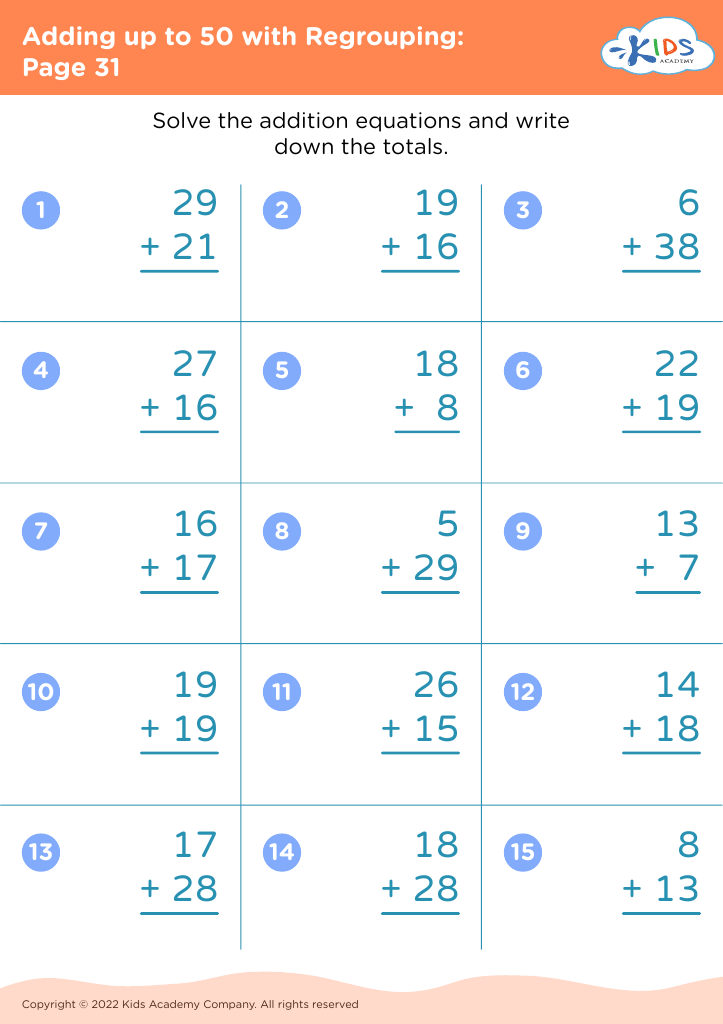
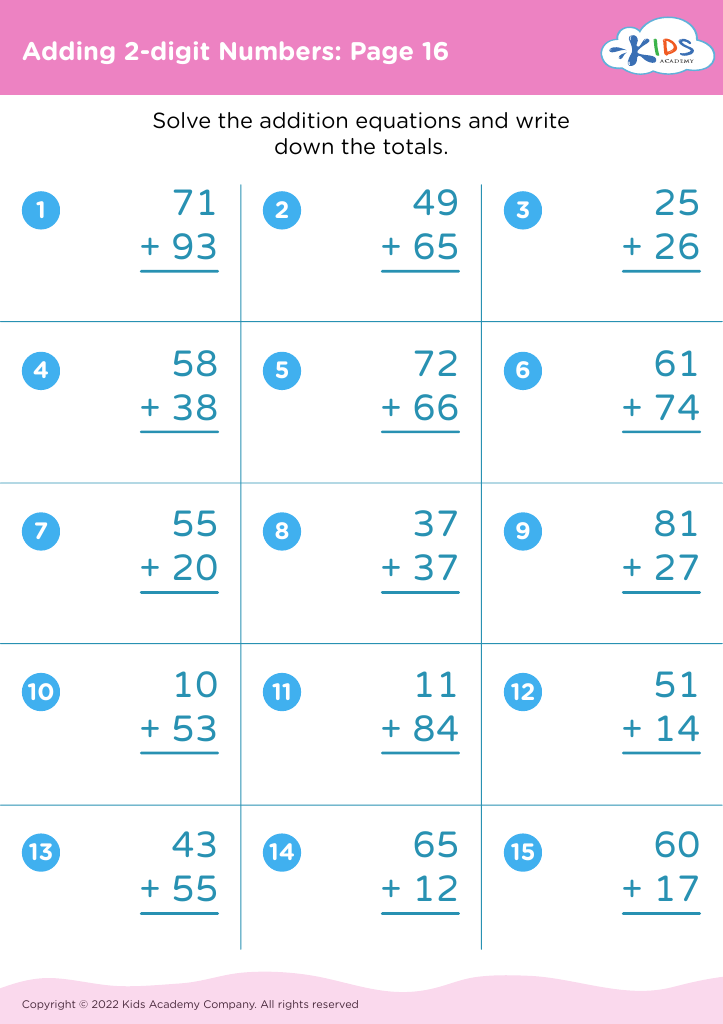
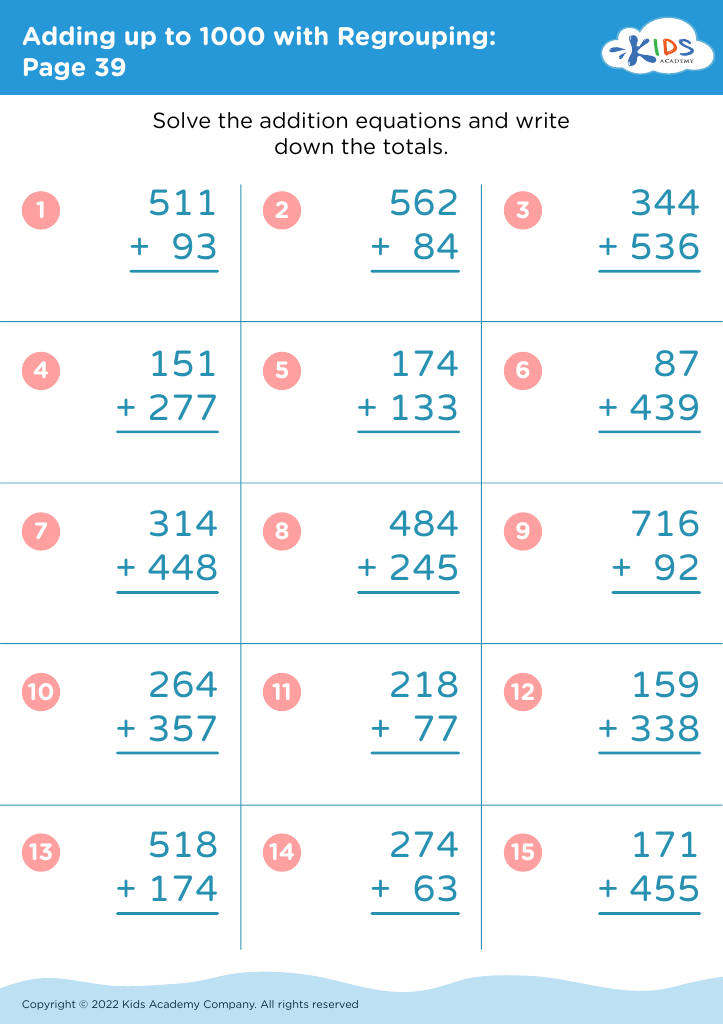
Unlock the potential of young minds with our engaging worksheets designed to develop logical thinking skills for children aged 3-7. Each worksheet offers fun, interactive activities that enhance problem-solving abilities, pattern recognition, and critical thinking. Tailored to suit early learners, these resources encourage exploration through puzzles, sequencing tasks, and visual exercises. Our materials foster creativity while teaching essential logic skills, making learning both enjoyable and effective. Perfect for parents, educators, or caregivers seeking to enrich children's cognitive development, these worksheets support essential foundational skills for future academic success. Visit our site today and watch your child’s logical thinking flourish!
Favorites
With answer key
Interactive
Join Kids Academy for Free
Who is primarily going to use this learning content?




.jpg)


Developing logical thinking in children aged 3-7 is crucial for their overall cognitive and social development. During these formative years, children begin to make sense of the world around them, and fostering their logical thinking skills can enhance their problem-solving abilities, critical thinking, and decision-making. Engaging children in activities that encourage reasoning—like puzzles, matching games, and storytelling—promotes understanding of concepts like sequences, cause and effect, and categorization.
Parents and teachers play a vital role in nurturing these skills, as they lay the foundation for future academic success and interpersonal relationships. Children who think logically are better equipped to navigate challenges, understand complex subjects in school, and develop empathetic perspectives by considering various viewpoints.
Furthermore, teaching logical thinking helps children articulate their thoughts clearly, engage in meaningful conversations, and express their emotions effectively. This contributes to their self-esteem and social interactions, fostering a positive learning environment. Encouraging logical thinking not only supports academic preparedness but also cultivates curious, innovative, and resilient learners who are better equipped for the future. Thus, investing time and resources into promoting these skills should be a priority for both parents and educators.








