Develop problem-solving skills Worksheets for Ages 3-7
10 filtered results
-
From - To
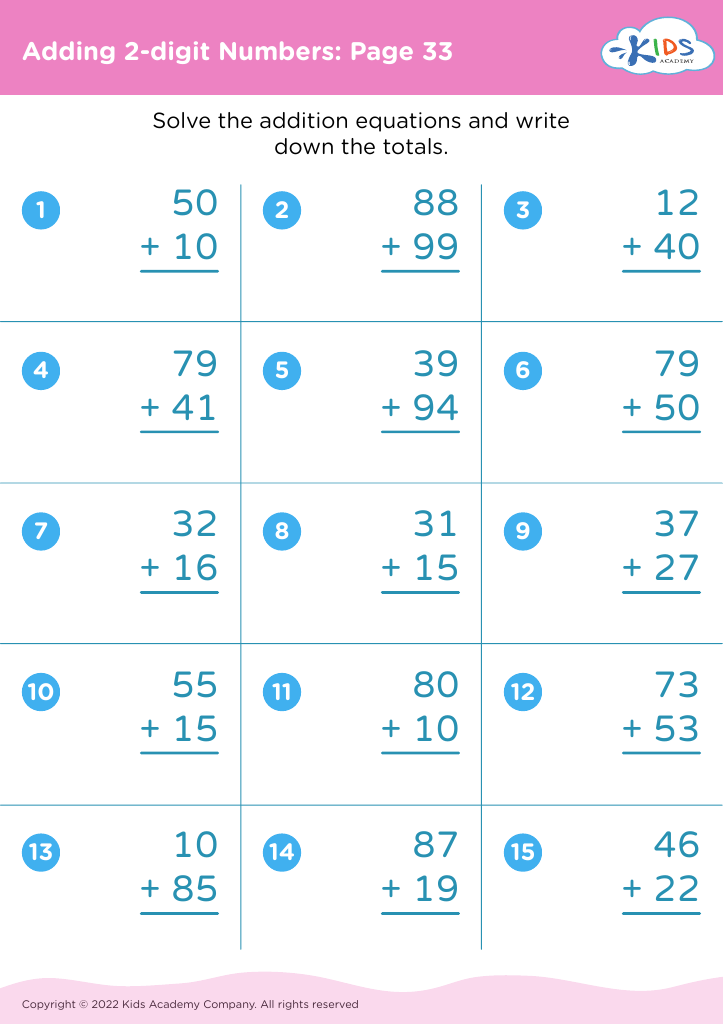
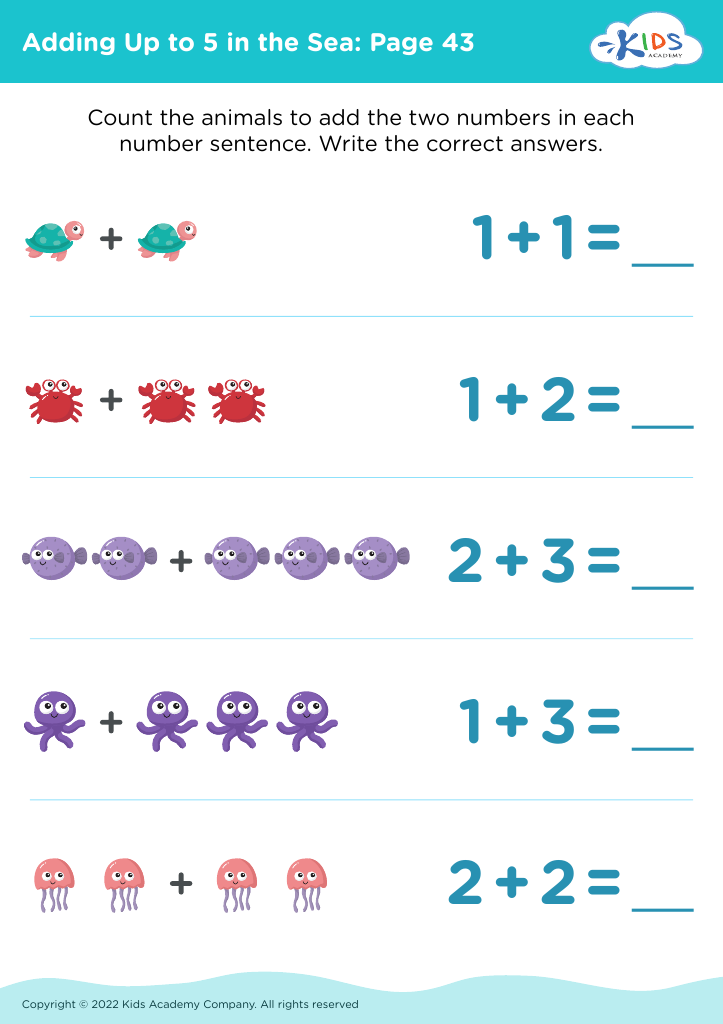
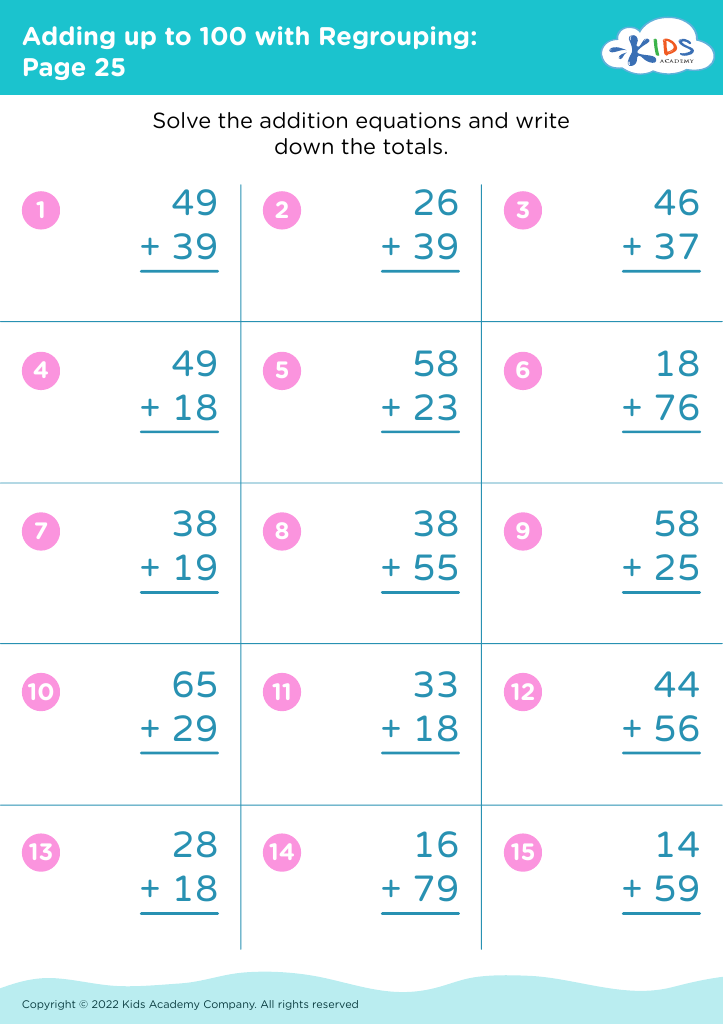
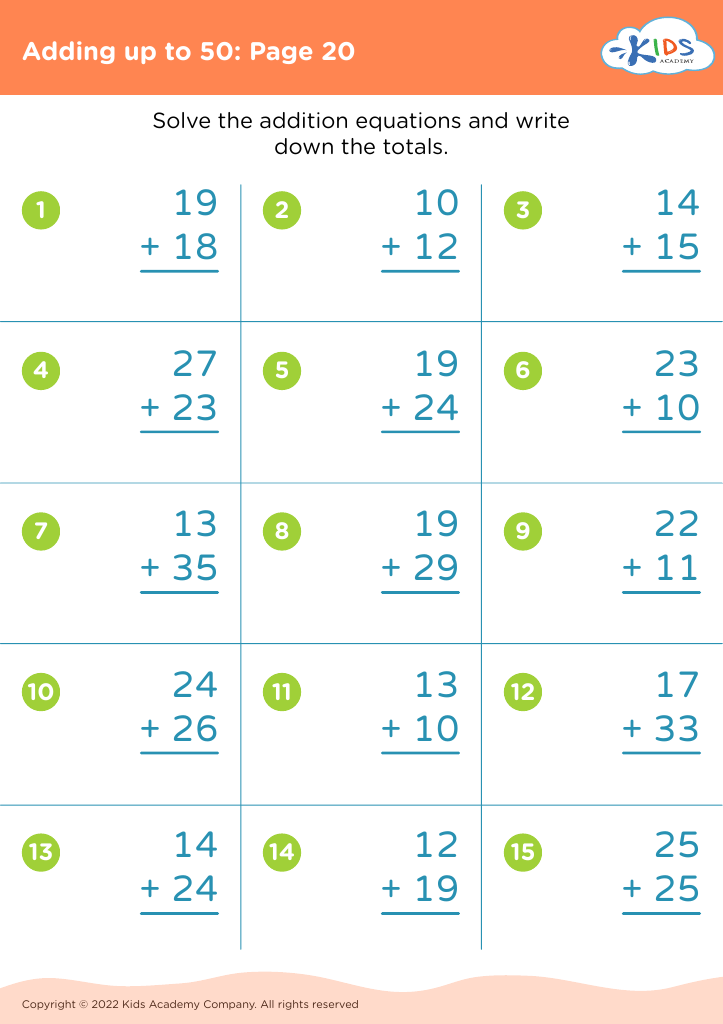
Boost your child's cognitive growth with our "Develop Problem-Solving Skills Worksheets for Ages 3-7" from Kids Academy. Designed by education experts, these worksheets cater to early learners, making problem-solving engaging and fun. Each activity encourages critical thinking, logical reasoning, and decision-making skills through puzzles, matching games, pattern recognition, and more. Perfect for preschool through early elementary, our resources help build a strong foundation for lifelong learning. The colorful, interactive designs keep children entertained while they explore new concepts. Set the stage for academic success and strengthen essential brain development with our expertly tailored worksheets.
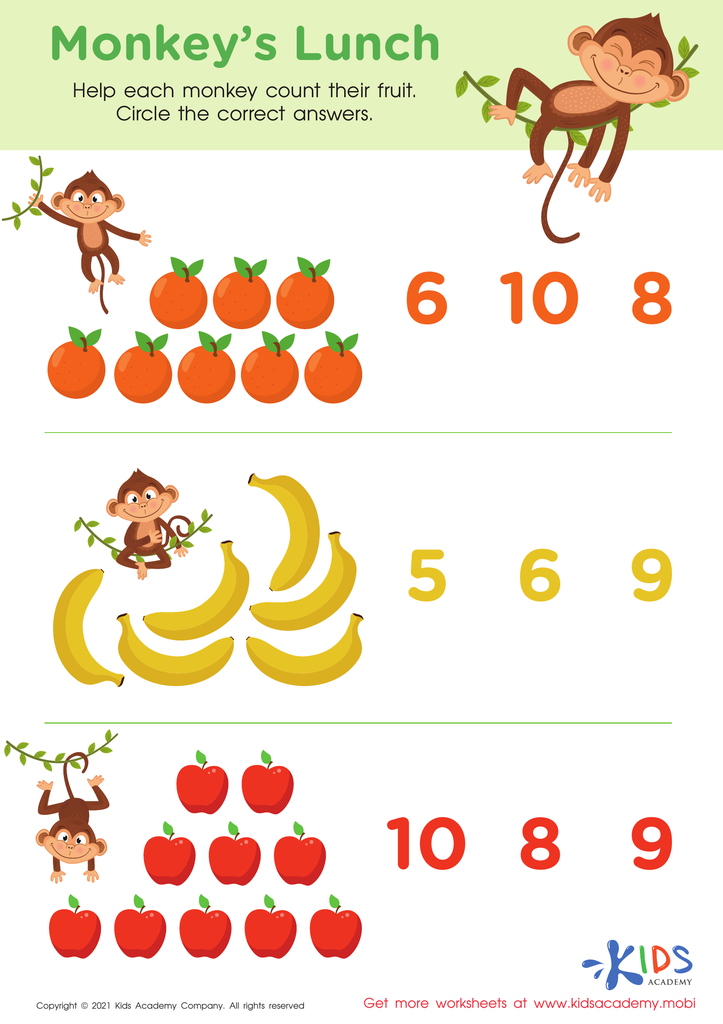
Monkey’s Lunch Worksheet
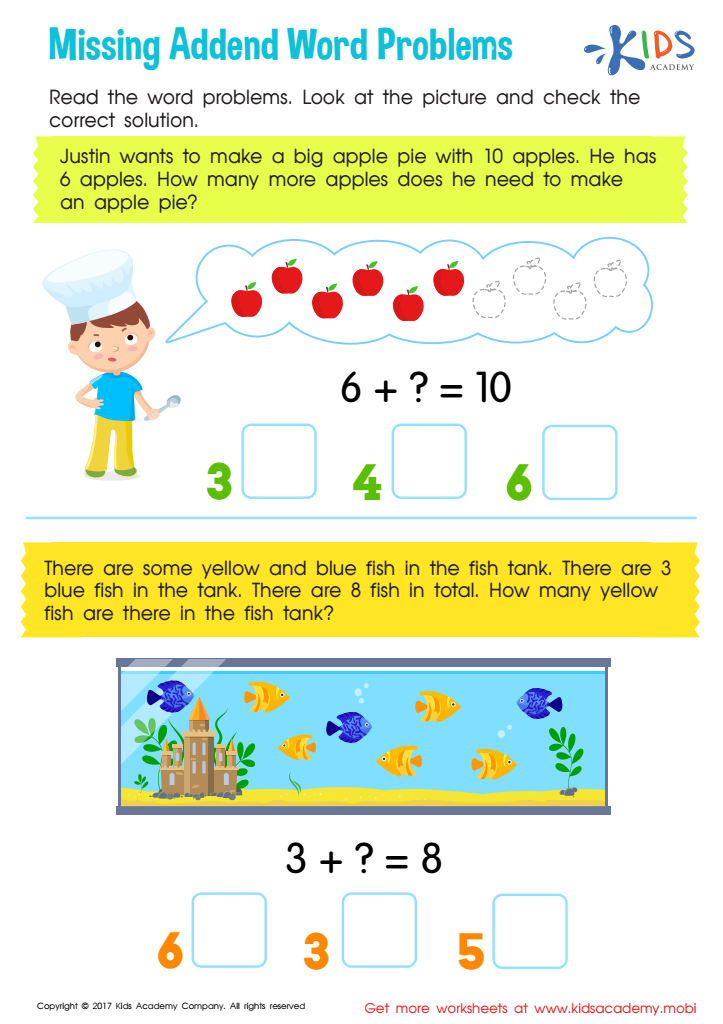
Missing Addend Word Problems Worksheet
 Assign to My Students
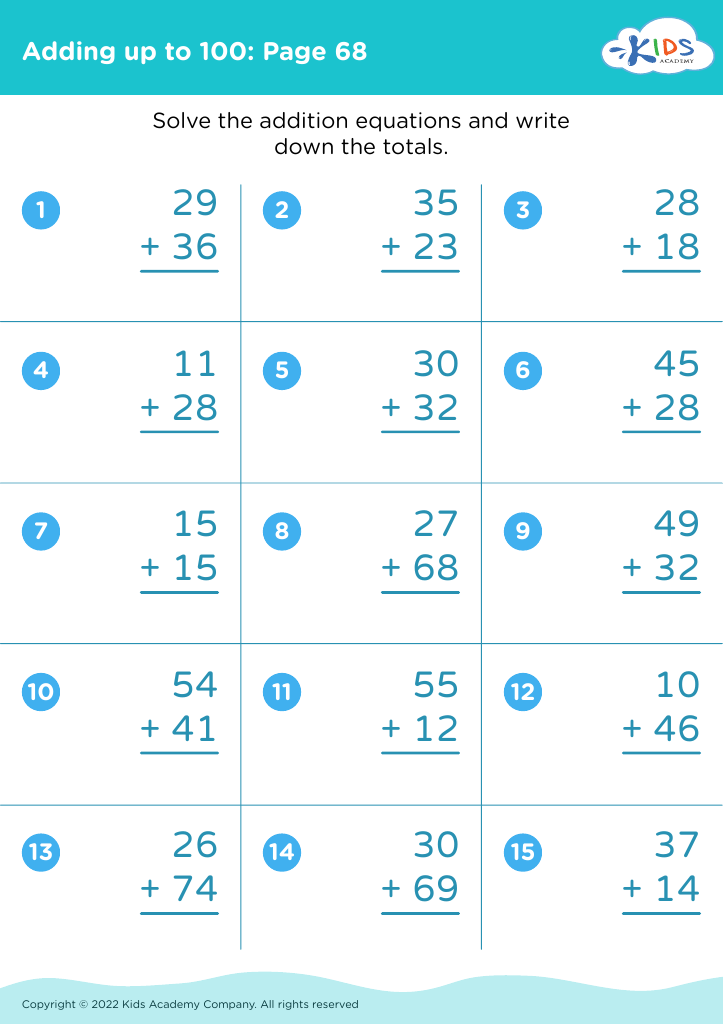
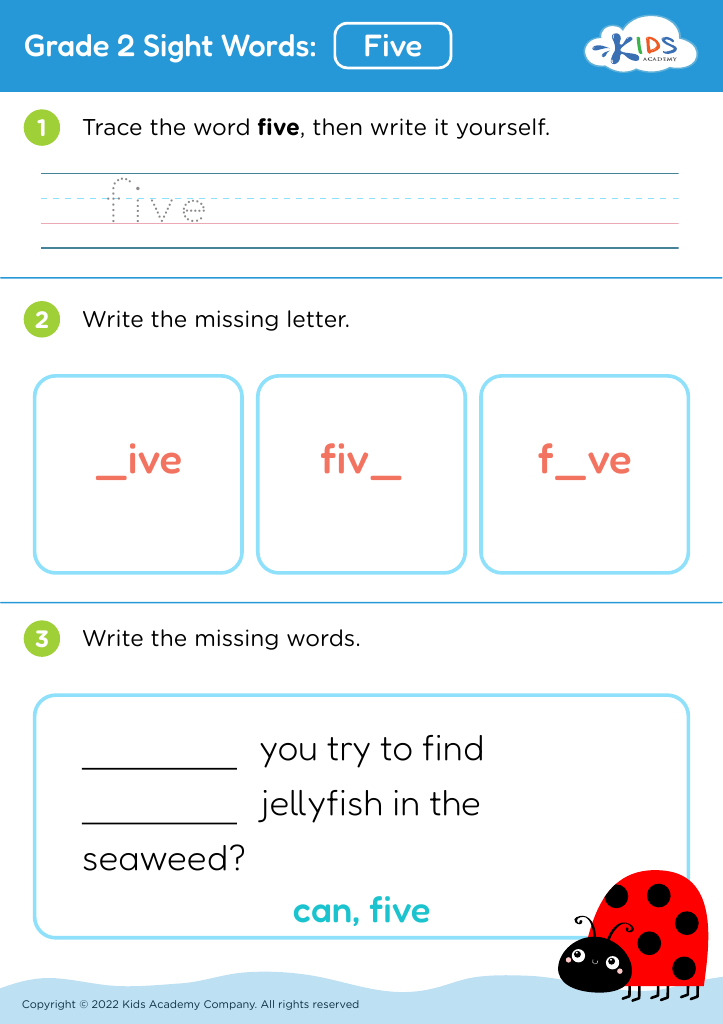








Developing problem-solving skills in children ages 3-7 is crucial as it lays a strong foundation for their cognitive and social development. At this tender stage, children are naturally curious and eager to explore, making it the ideal time to nurture their ability to solve problems independently and creatively.
Firstly, problem-solving skills foster critical thinking. When faced with challenges, children learn to analyze situations, consider various outcomes, and make decisions. This enhances their brain development and prepares them for more complex cognitive tasks in the future.
Secondly, developing these skills boosts self-confidence. When children successfully solve problems, even simple ones, they gain a sense of accomplishment. This builds their confidence and encourages them to tackle new challenges without fear or hesitation.
Furthermore, these skills are essential for social interactions. Children learn to navigate social dynamics, resolve conflicts with peers, and collaborate effectively. This is indispensable for their emotional intelligence, ensuring they grow up to be empathetic and well-adjusted individuals.
Lastly, early problem-solving abilities are linked to better academic performance. They improve children’s ability to understand and apply concepts across various subjects, making learning an enjoyable and successful experience.
In summary, nurturing problem-solving skills in young children supports their intellectual growth, self-esteem, social harmony, and academic achievement, making it a vital focus for parents and teachers.








