Enhance problem-solving Worksheets for Ages 3-7
5 filtered results
-
From - To
Discover our comprehensive collection of Enhance Problem-Solving Worksheets for children aged 3-7. Tailored to spark curiosity and build critical thinking, these expertly-designed activities engage young learners in fun and educational tasks. From puzzles and matching games to pattern recognition, our worksheets help develop essential problem-solving skills in an enjoyable way. Created by educational experts, these resources are perfect for home or classroom use, providing a solid foundation for future learning. Watch as your child unlocks new levels of confidence and creativity while mastering age-appropriate challenges. Take the first step towards success with our Enhance Problem-Solving Worksheets!
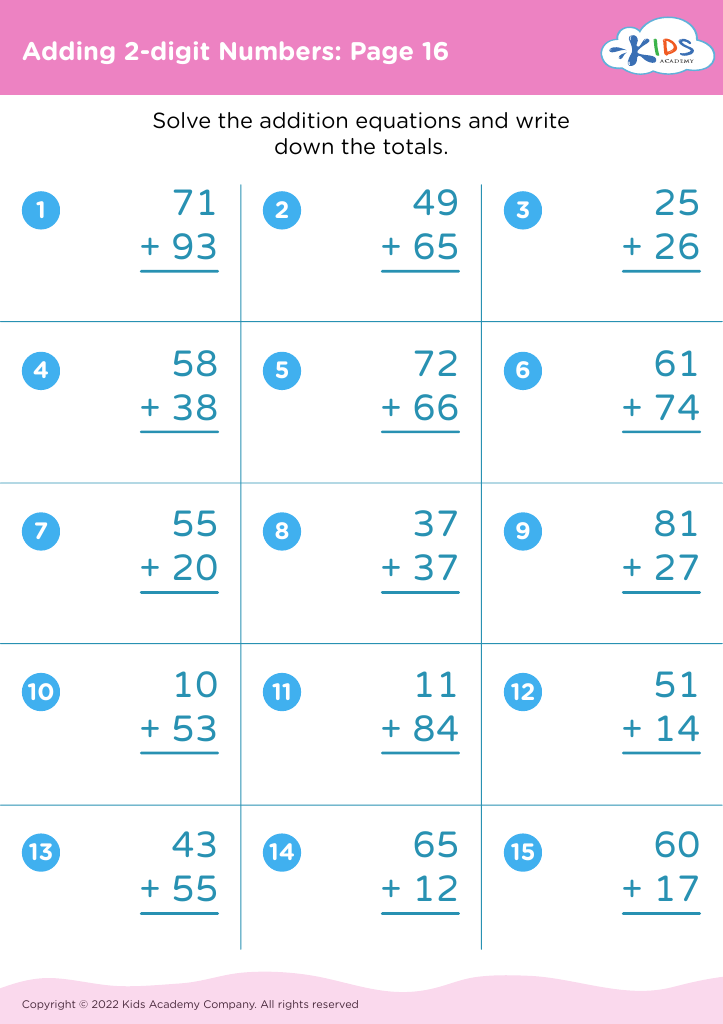

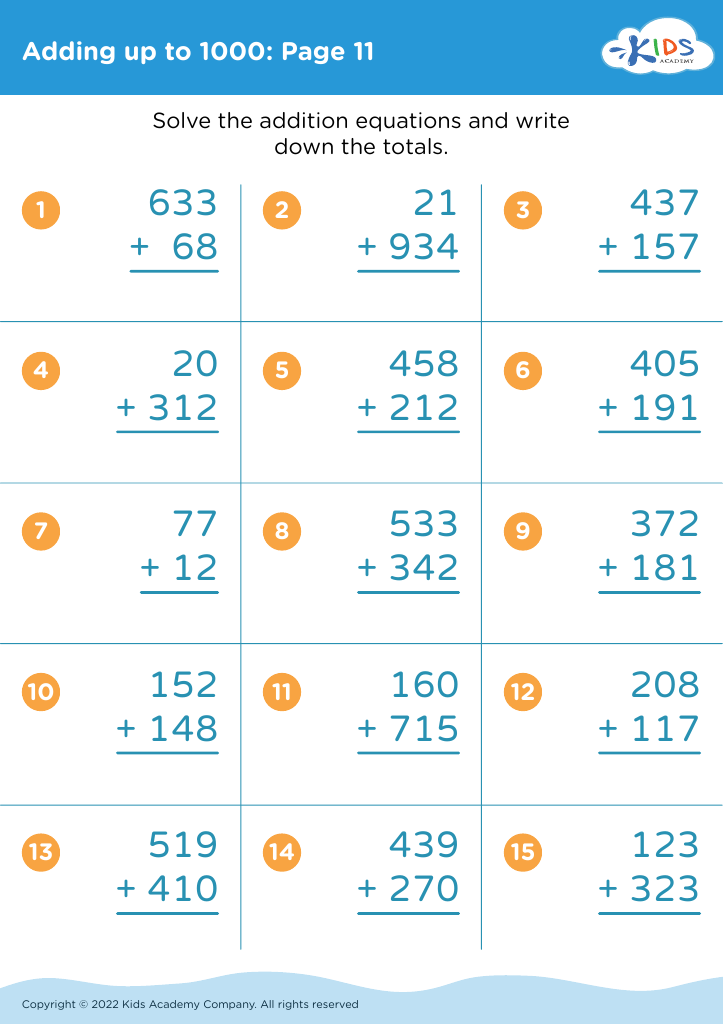
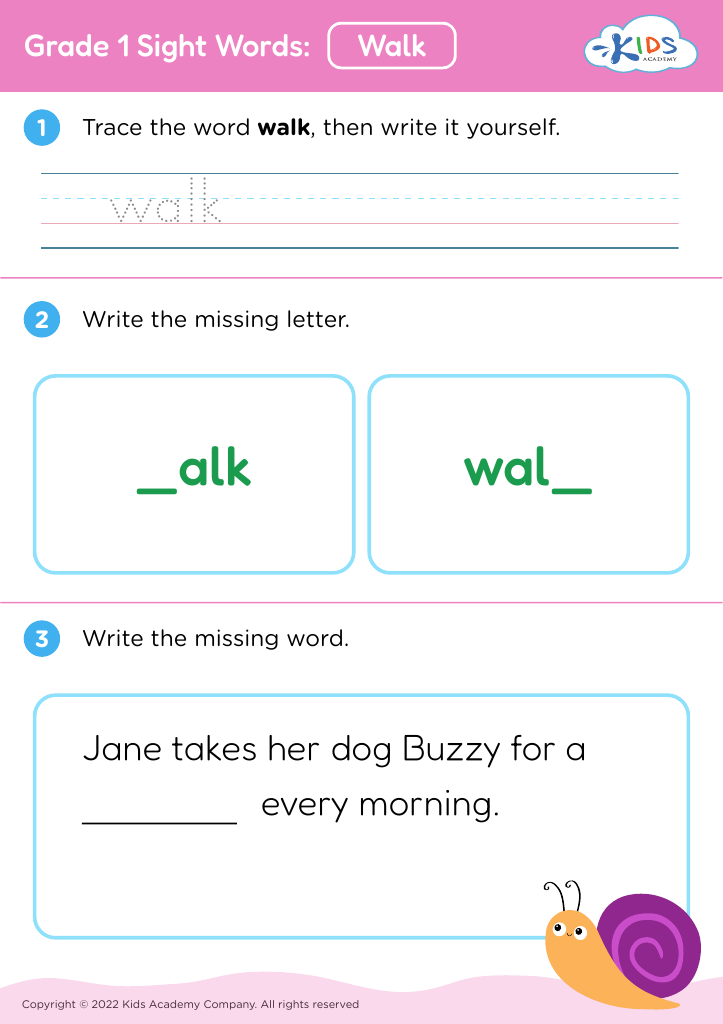
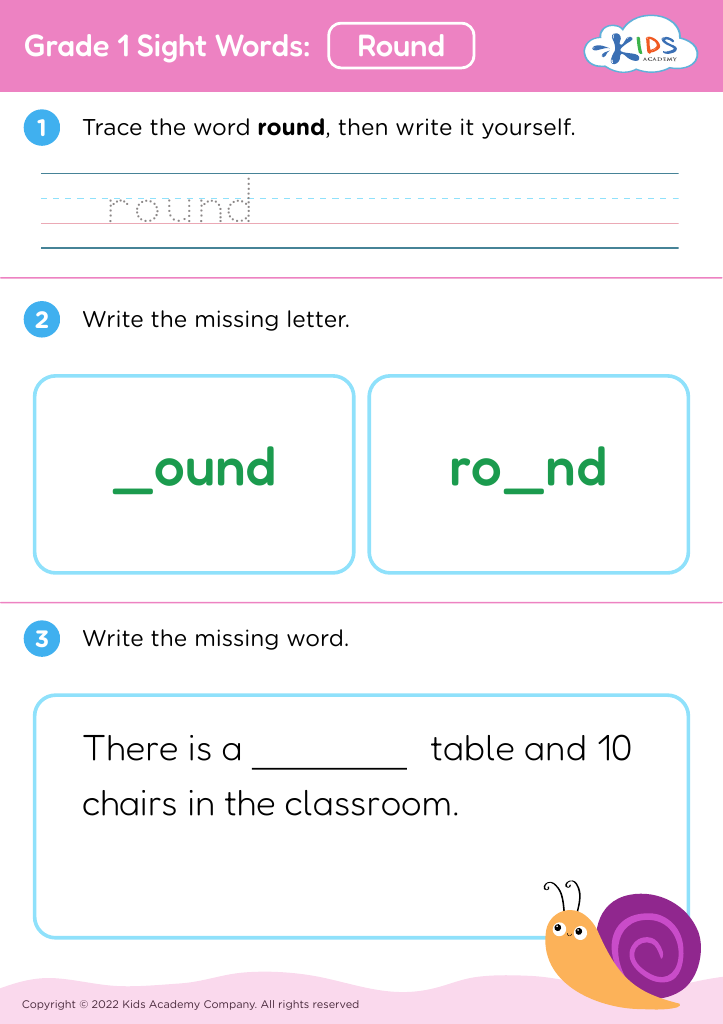








Enhancing problem-solving skills in children aged 3-7 is crucial for their cognitive and emotional development. At this formative stage, children begin to explore the world around them, and problem-solving activities stimulate curiosity and creativity, laying down the foundation for critical thinking. By encouraging these skills early on, parents and teachers help children build resilience and self-confidence; they learn that making mistakes is part of the growth process and develop persistence in the face of challenges.
Enhanced problem-solving abilities also improve academic readiness. Children who can approach problems from different angles tend to excel in subjects like math and science later on. These skills are not just academic; they extend to social interactions as children navigate sharing, taking turns, and resolving conflicts effectively. When young kids are proficient problem solvers, they can articulate their thoughts better, leading to improved communication skills that benefit classroom dynamics and peer relationships.
Moreover, fostering problem-solving in young children helps establish a strong sense of independence. Children learn to assess situations, make decisions, and implement solutions on their own. This empowerment is crucial for personal development, preparing them for future life challenges and setting a strong precedent for lifelong learning and adaptability. Therefore, both at home and in school, actively supporting problem-solving skills sets the stage for a well-rounded, capable, and confident individual.








