History knowledge Worksheets for Ages 3-7
4 filtered results
-
From - To
Discover enriching History Knowledge Worksheets designed specifically for young learners aged 3-7! Our engaging printable resources introduce children to fundamental concepts of history through fun activities and colorful illustrations. These worksheets encourage curiosity about the past, helping kids explore historical events, figures, and traditions in an age-appropriate manner. Ideal for parents and educators, our materials promote critical thinking and imagination, vital for early development. By integrating history into playful learning, we inspire a lifelong interest in exploration and discovery. Download our worksheets today and help your child embark on an exciting journey through time while enhancing their learning skills!
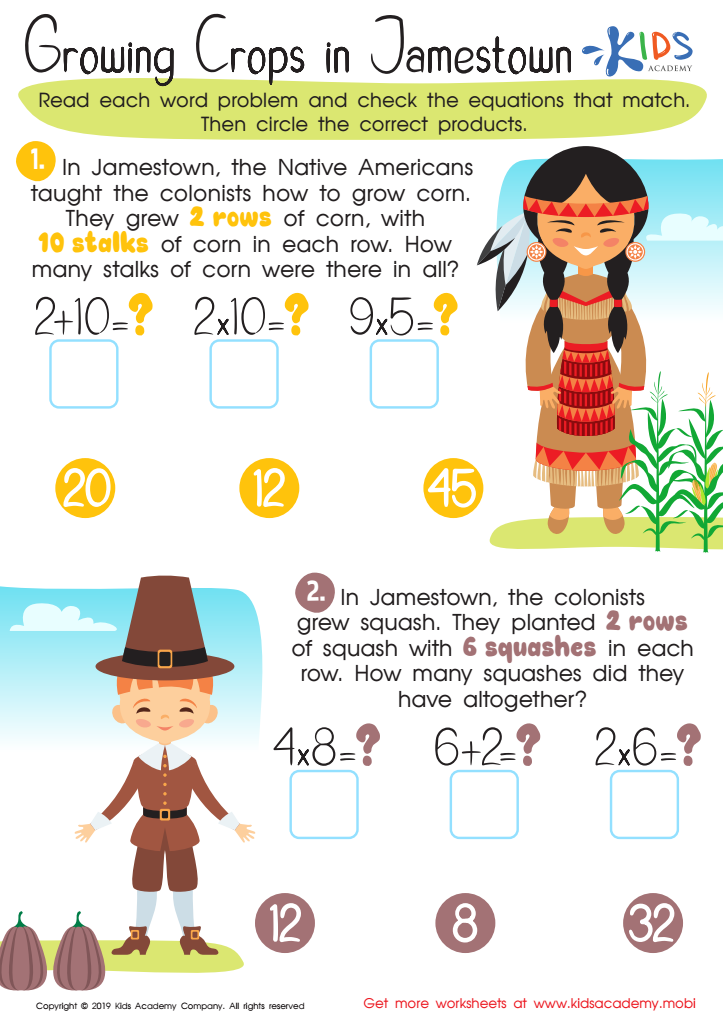
Growing Jamestown Worksheet
 Assign to My Students
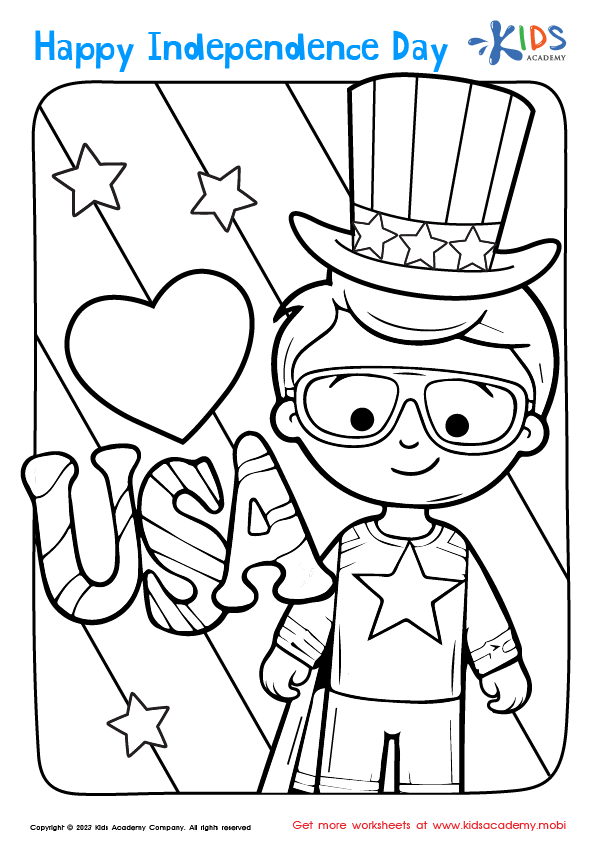
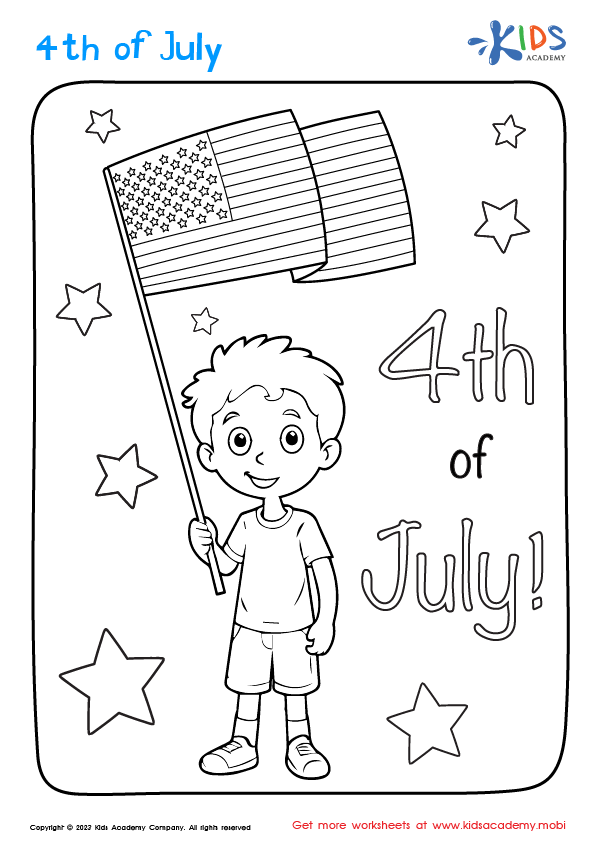
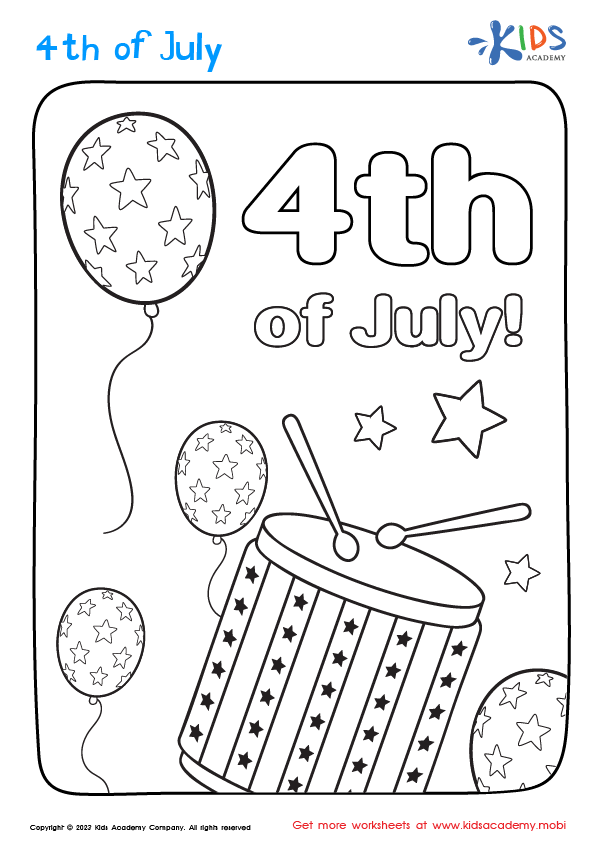








Teaching history to young children, ages 3-7, is foundational for their cognitive and emotional development. Early exposure to history fosters curiosity and a sense of identity, allowing children to understand their roots, culture, and the world around them. This knowledge helps children develop critical thinking skills, as they learn to make connections between past events and their present lives.
Moreover, history introduces children to diverse perspectives, promoting empathy and understanding of different cultures and experiences. This early comprehension of social interactions cultivates respect and inclusion, nurturing well-rounded and open-minded individuals.
History also enhances language skills as children engage with stories of the past, enriching their vocabulary and narrative abilities. These storytelling elements make learning more engaging and relatable, helping to cultivate a love for reading and communication.
For educators and parents, prioritizing history education serves as a key to holistic development, allowing young minds to form a broader perspective and a deeper appreciation for humanity. History lessons are not merely about dates and events; they are about life lessons and foundational values that shape good citizenship, making it vital for adults to support this learning journey.








