Identify colors Worksheets for Ages 3-7
4 filtered results
-
From - To
Explore our engaging "Identify Colors Worksheets" designed for children aged 3 to 7! These fun and interactive worksheets aim to enhance color recognition and cognitive skills through vibrant images and captivating activities. Tailored for early learners, each worksheet features colorful illustrations, stimulating exercises, and easy-to-follow instructions that promote independent learning. Students will enjoy identifying, matching, and sorting colors as they develop essential visual and motor skills. Perfect for preschool, kindergarten, or home use, our printable worksheets make learning colors a delightful experience. Join us in helping your child discover the colorful world around them while building their confidence and creativity!
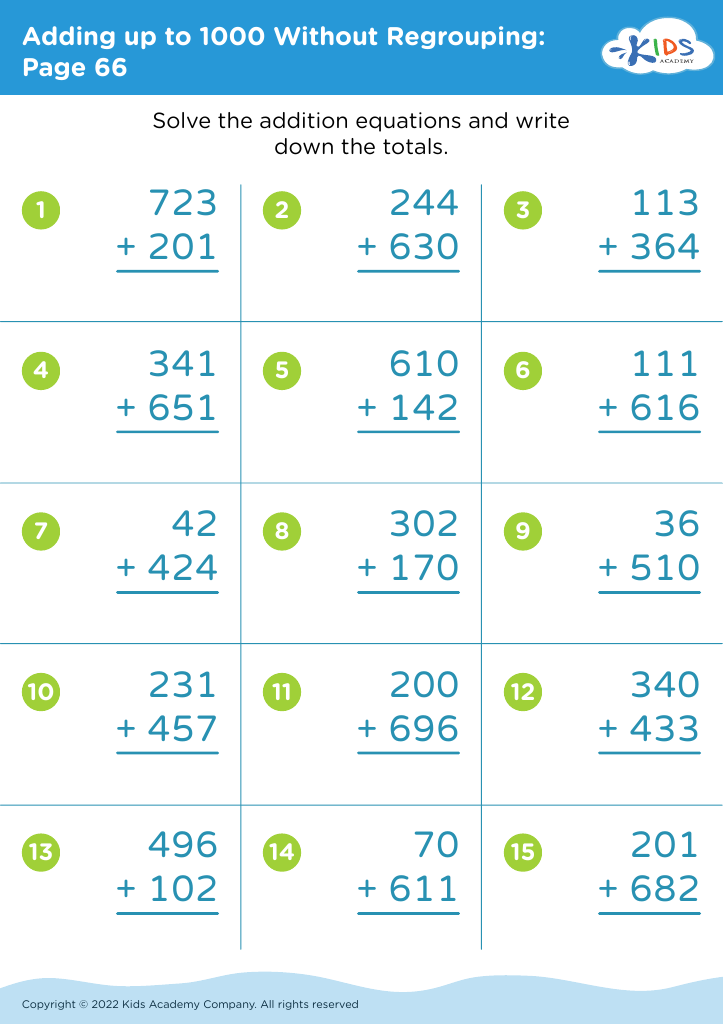
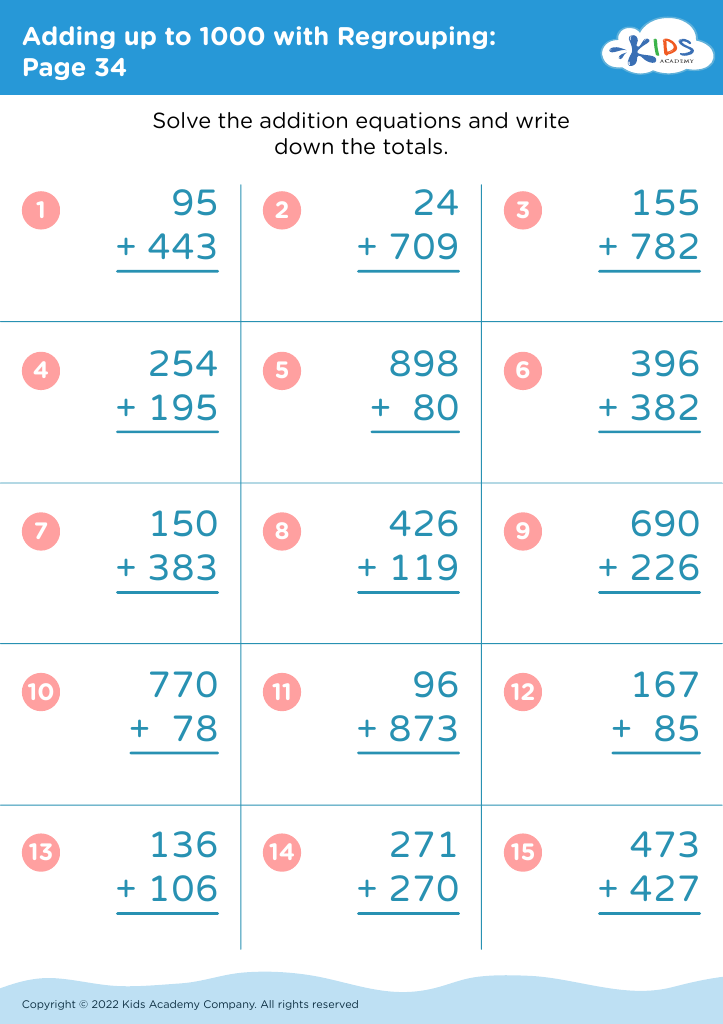
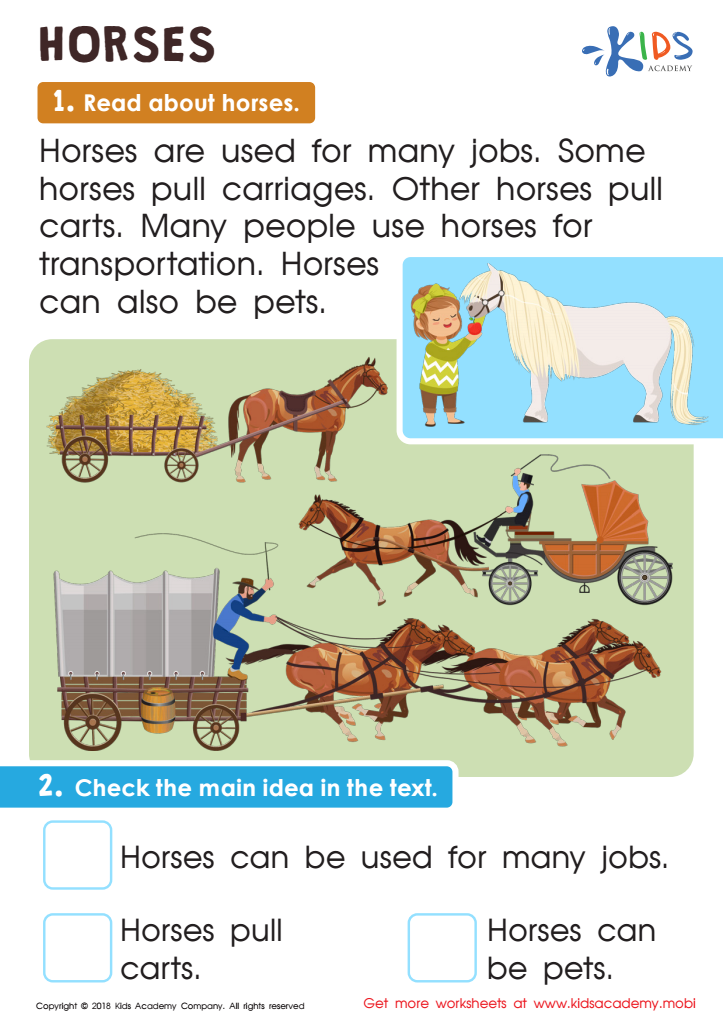
Horses Worksheet
 Assign to My Students


.jpg)
.jpg)
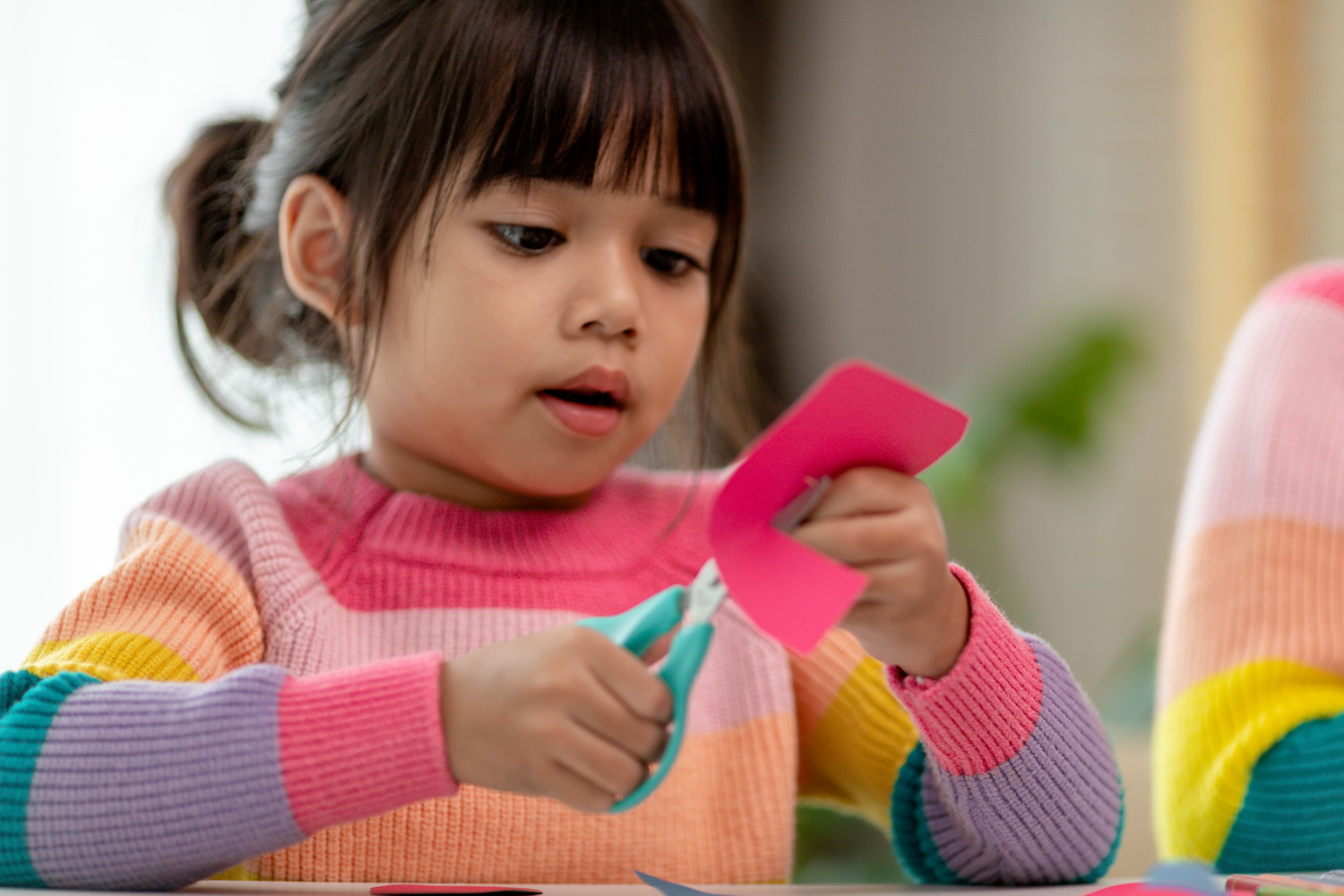



Identifying colors is a fundamental skill for children aged 3-7 that goes beyond merely recognizing hues. Understanding colors is integral to cognitive development, enhancing a child's ability to classify, categorize, and engage with the world around them. When children learn to identify colors, they improve their language skills as they describe objects, express their preferences, and engage in conversations, fostering social interactions.
Moreover, color recognition plays a pivotal role in creativity and self-expression. As children explore colors through art and play, they develop imaginative skills and learn to convey feelings and ideas visually. Engageing with colors can also aid in early math concepts, such as sorting and patterns, reinforcing critical thinking skills.
For parents and teachers, encouraging color recognition contributes to building a strong foundation for learning. Simple activities, like sorting colored blocks or painting, can make this learning active and enjoyable. This foundational skill serves not only as a cognitive stepping stone but also enriches daily life experiences, enhancing a child's educational journey. By prioritizing color identification, parents and teachers empower children, fostering curiosity, confidence, and a lifelong love for learning.








