Enhance your child's reading skills with our tailored Improve Reading Comprehension Worksheets for ages 3-7! Designed to foster early literacy, these engaging worksheets offer fun and interactive activities that promote understanding of key concepts and vocabulary. Our resources help children develop critical thinking skills, decoding strategies, and the ability to make inferences, all while enjoying colorful illustrations and relatable stories. Ideal for parents and educators alike, these worksheets are perfect for home practice or classroom use. Strengthen your child’s reading foundation and set them on the path to literacy success today! Explore our collection to make reading enjoyable!
Check out this FREE "Improve reading comprehension" Trial Lesson for age 3-7!

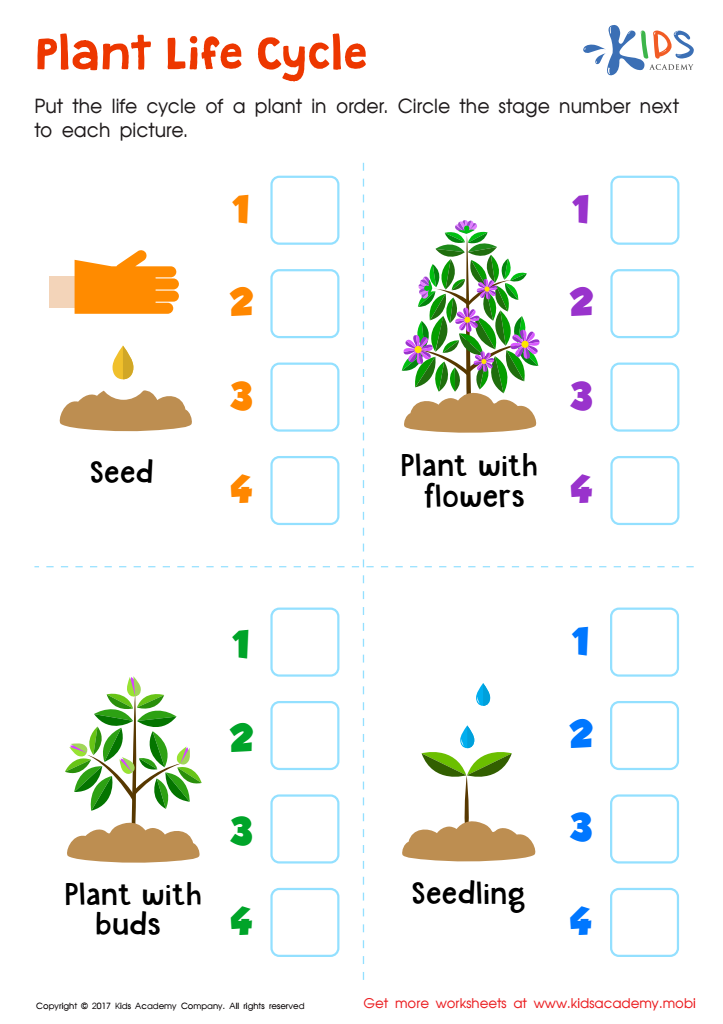
Plant Life Cycle

Favorites
With answer key
Interactive
  • 3-7
  • Improve reading comprehension
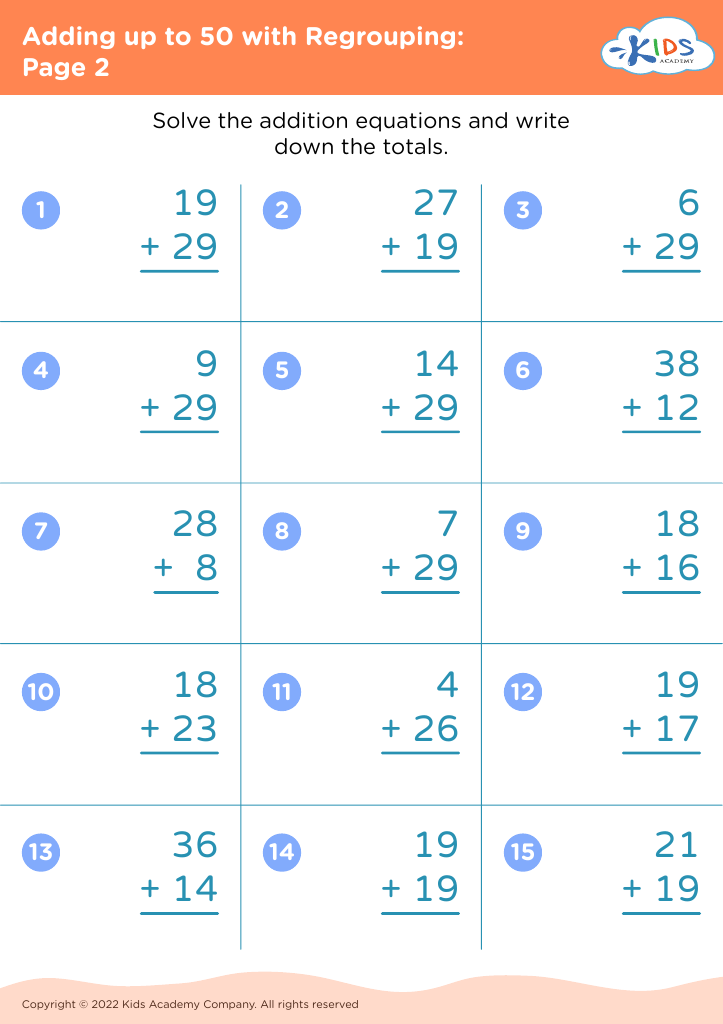
Adding up to 50 with Regrouping: Page 2
Worksheet
Severe Weather Worksheet

Severe Weather Worksheet

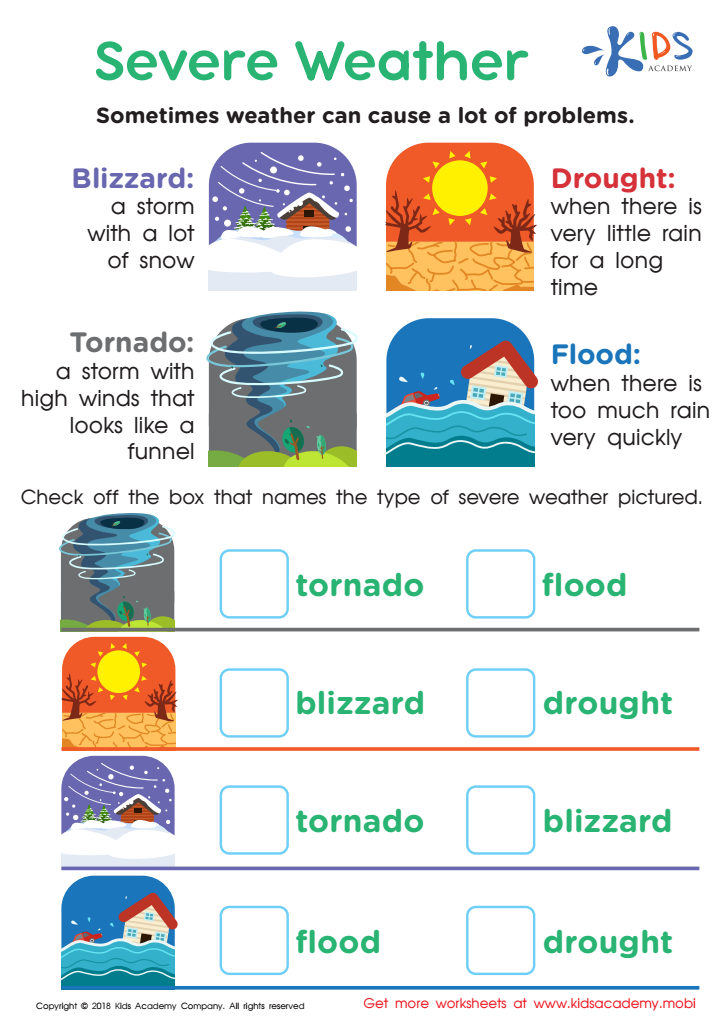
Weather can be dangerous, so teach your kids to stay safe with this interactive weather worksheet. Review the descriptions of tornadoes, blizzards, floods, and drought and match them with the colorful pictures. Tick the boxes to correctly identify each image and complete the sheet.
Severe Weather Worksheet
Worksheet
Plant life cycle worksheet

Plant Life Cycle Printable

Let kids explore plants' growth stages with this fun plant life cycle worksheet! They'll strengthen their sequencing skills by ordering the cycle from seed to flower. Make the learning experience even more memorable by growing a flower afterward.
Plant Life Cycle Printable
Worksheet
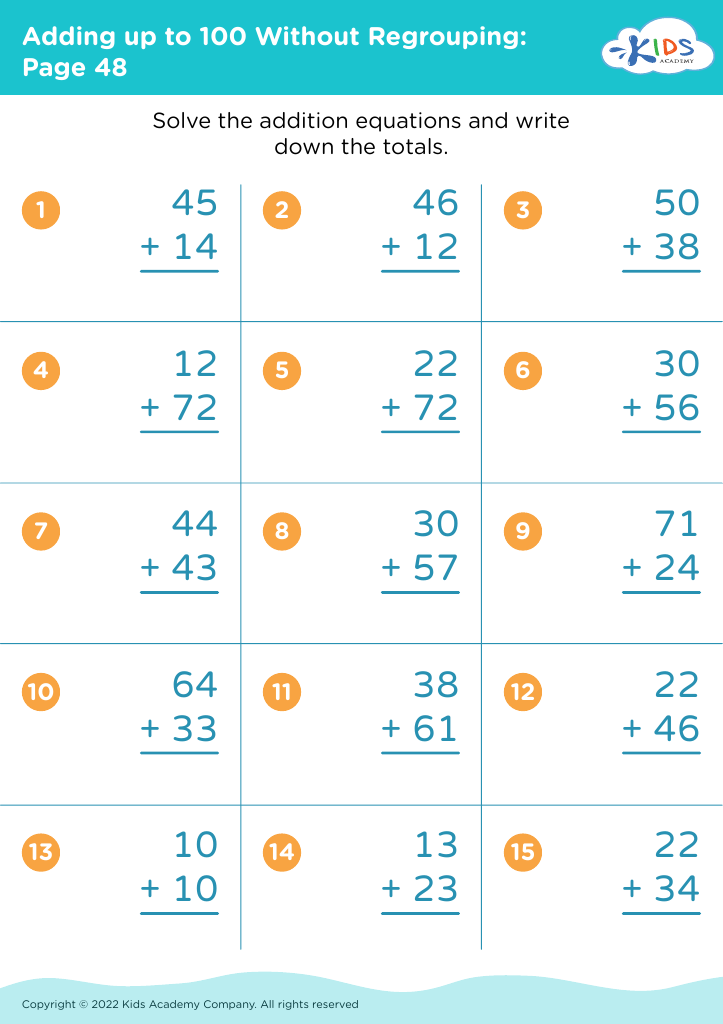
Adding up to 100 Without Regrouping: Page 48
Worksheet
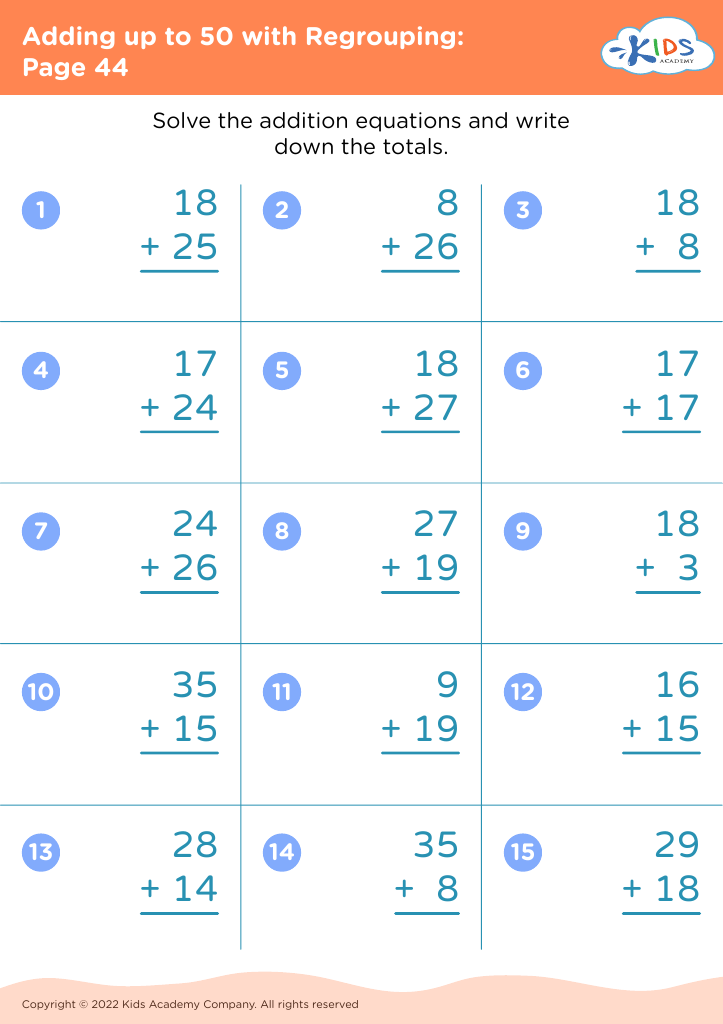
Adding up to 50 with Regrouping: Page 44
Worksheet
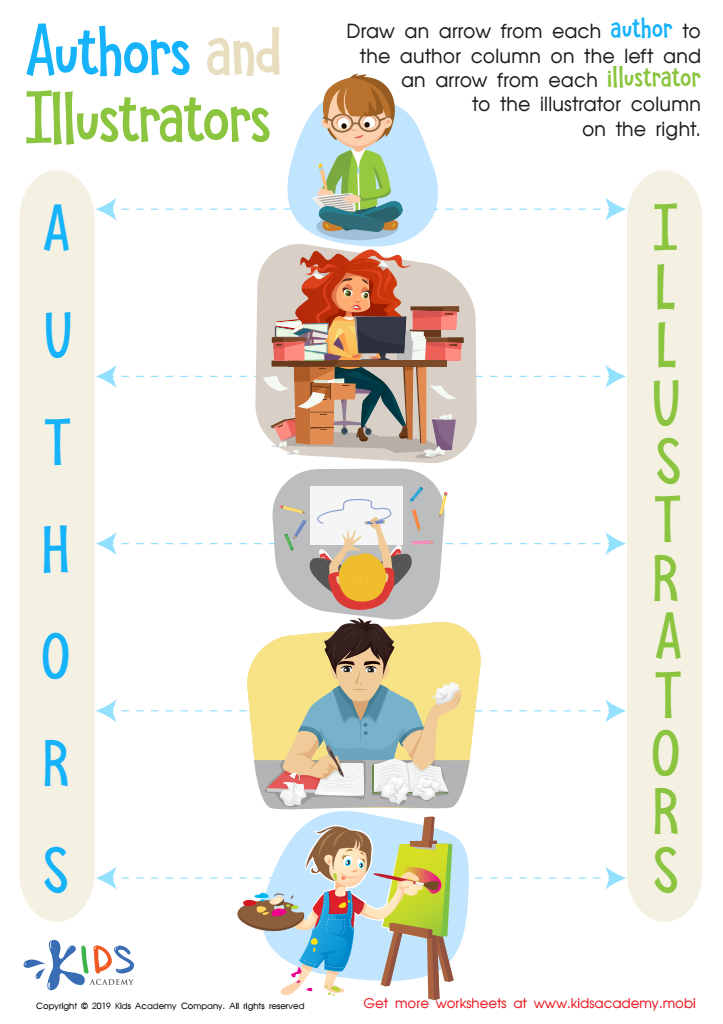
Authors and Illustrators Worksheet

Authors and Illustrators Worksheet

This free PDF provides a simple and fun way to understand the roles of authors and illustrators for beginning readers. It offers concrete pictures of what each one does and traceable lines for children to decide whether they are an author or an illustrator. It will help build their critical thinking skills and foster a better understanding of the book-making process.
Authors and Illustrators Worksheet
Worksheet
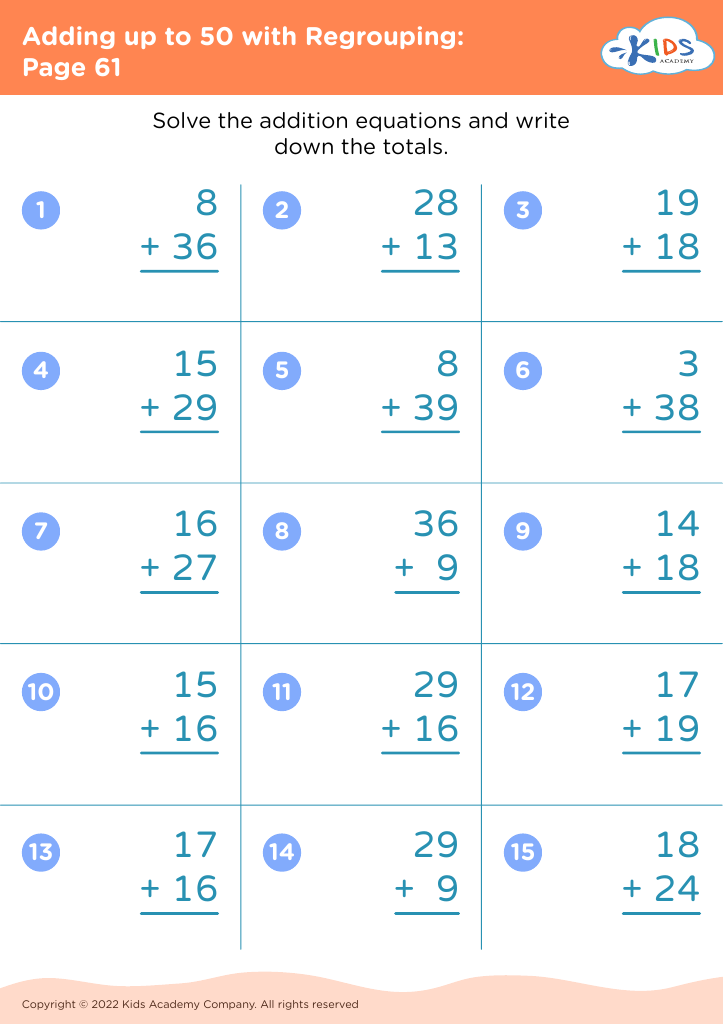
Adding up to 50 with Regrouping: Page 61
Worksheet
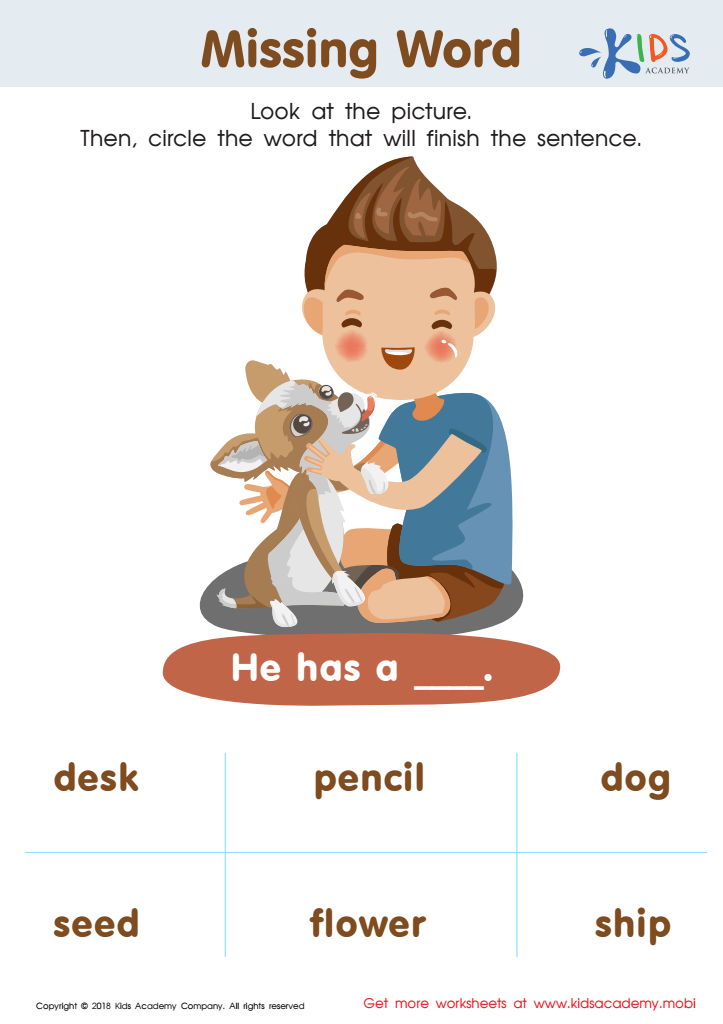
Missing Word Worksheet

Missing Word Worksheet

Help your child advance their reading skills with Kids Academy! Get your little learner to look at the boy and his canine pal, then have them read the sentence and pick the right sight word from the word bank. Practicing this way can help improve fluency and further reading skills.
Missing Word Worksheet
Worksheet
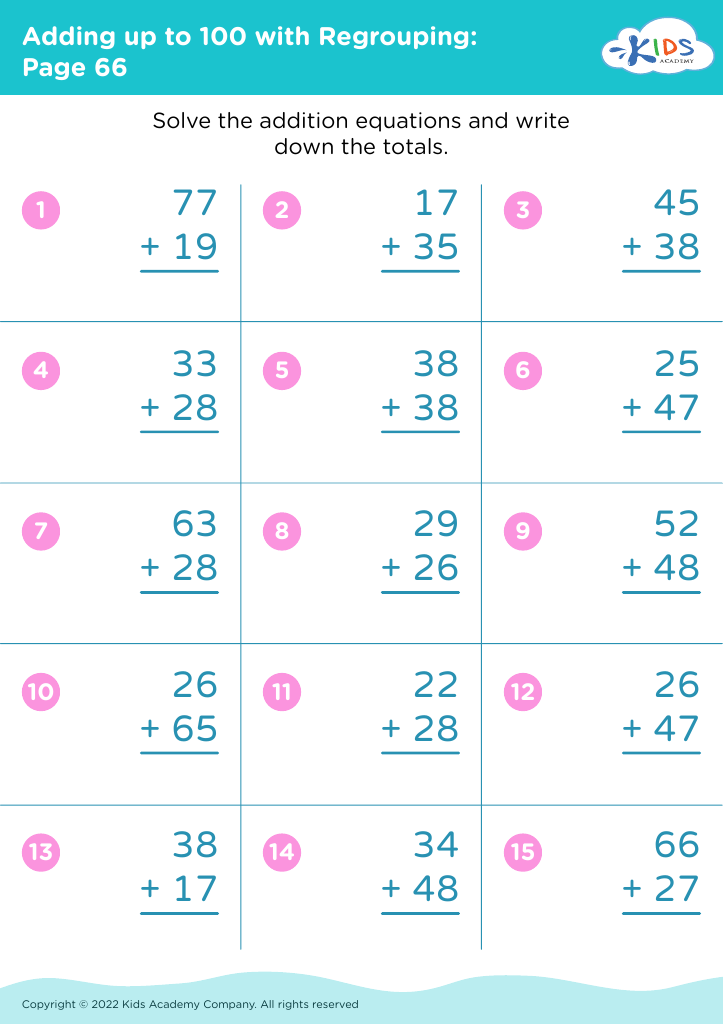
Adding up to 100 with Regrouping: Page 66
Worksheet
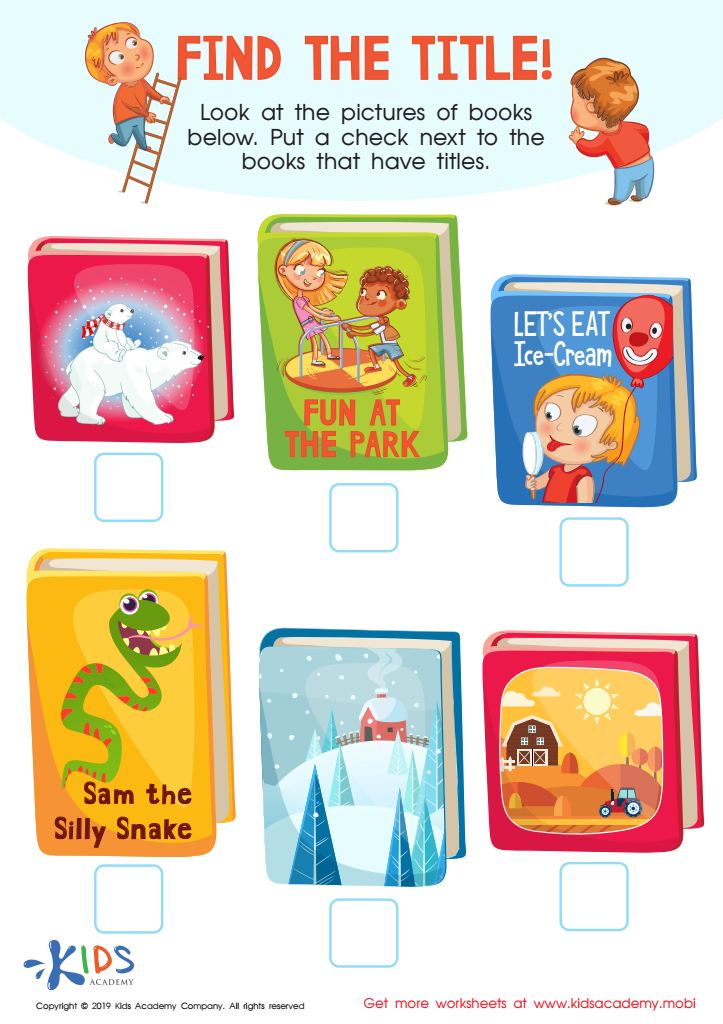
Find the Title Worksheet

Find the Title Worksheet

Help your kids to identify the colors of the books on this worksheet. Ask them to spot the differences between the six books, such as which ones have titles printed on their covers. Ask them to put a check next to the books with titles. This activity will promote your kids' thinking skills.
Find the Title Worksheet
Worksheet
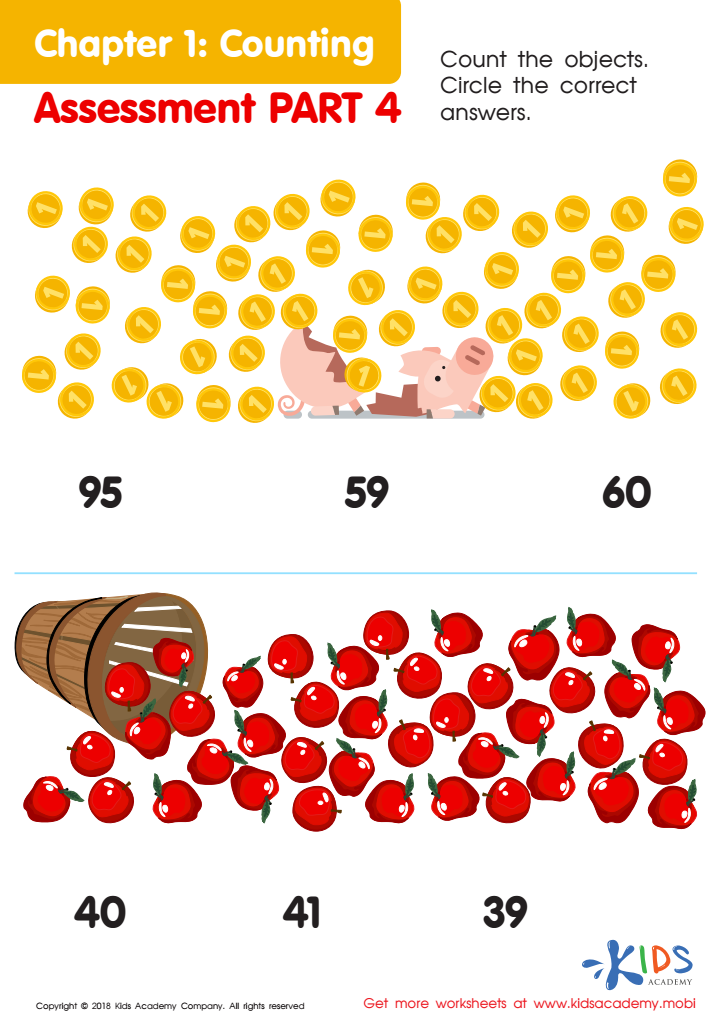
Counting: Assessment 4 Worksheet
Counting: Assessment 4 Worksheet

Encourage your students to count objects in this colorful worksheet. Ask them to circle the correct answers from the options given. See how much their counting skills have improved with your guidance. Have fun!
Counting: Assessment 4 Worksheet
Worksheet
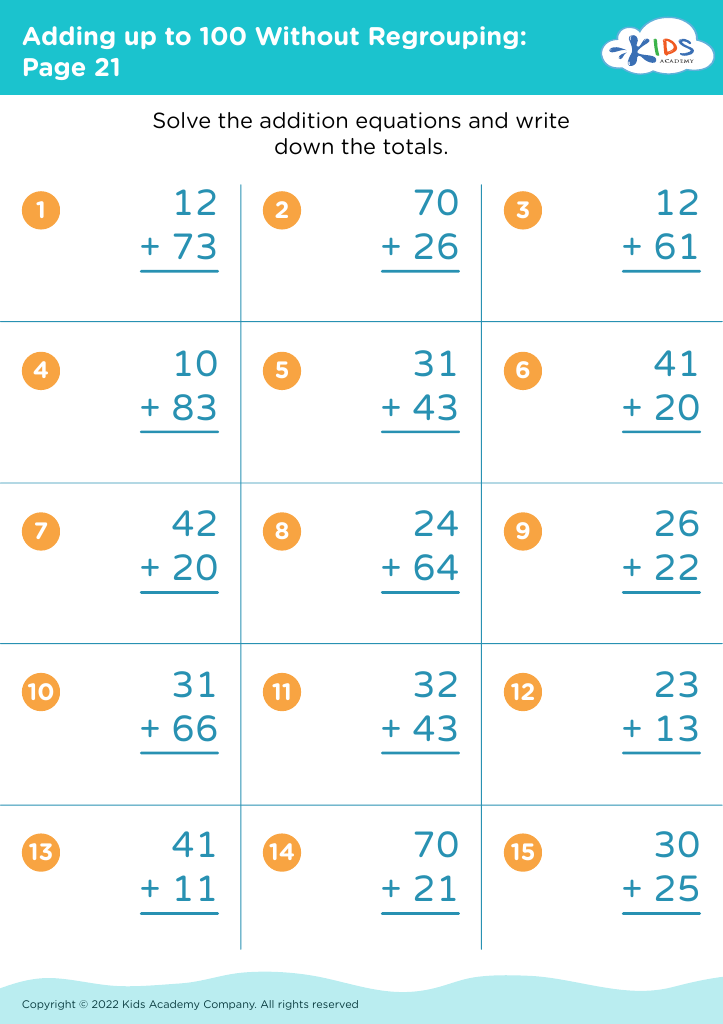
Adding up to 100 Without Regrouping: Page 21
Worksheet
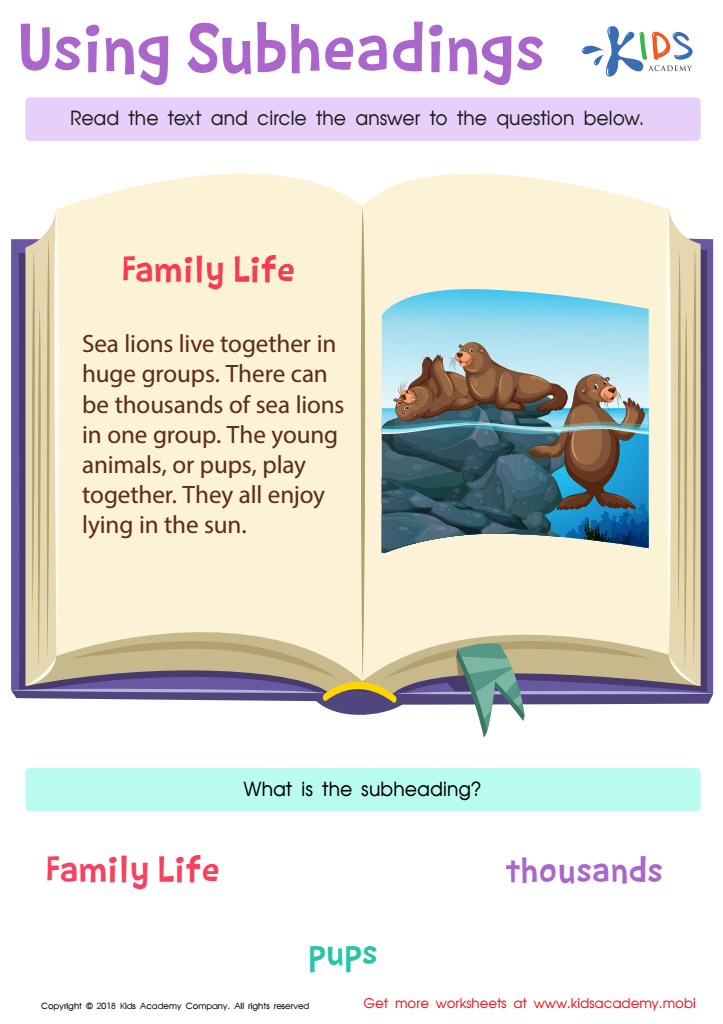
Using Subheadings Worksheet
Using Subheadings Worksheet

Writers must follow many rules to make their work organized and easier to read. Subheadings are usually in bold font and centered at the top of the page. Read the text to your kids and have them circle the correct answer.
Using Subheadings Worksheet
Worksheet
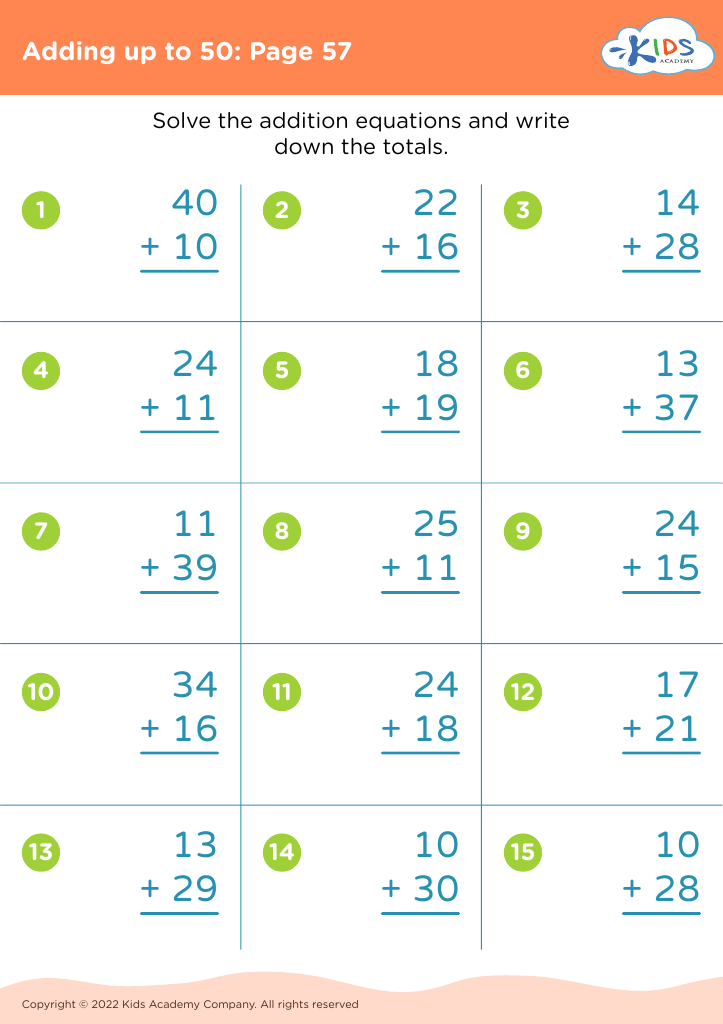
Adding up to 50: Page 57

Adding up to 50: Page 57

Adding up to 50: Page 57
Worksheet
Postman Harry: Picture Graph Worksheet

Postman Harry: Picture Graph Worksheet

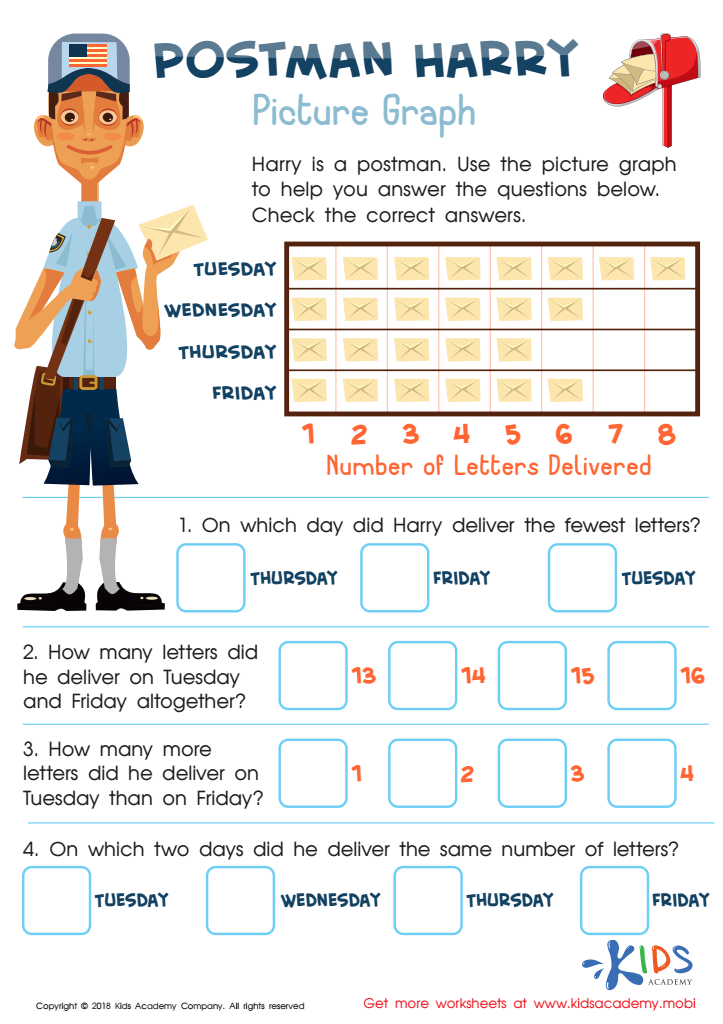
Show your kids a picture of Harry the Postman and ask if they can identify his profession. Then, with this simple picture graph worksheet, help Harry out by having your kids answer the questions below the picture graph. It shows the number of letters he delivered, and on what day. Get your kids to use the picture graph to solve it.
Postman Harry: Picture Graph Worksheet
Worksheet
Text Features Worksheet

Text Features Worksheet

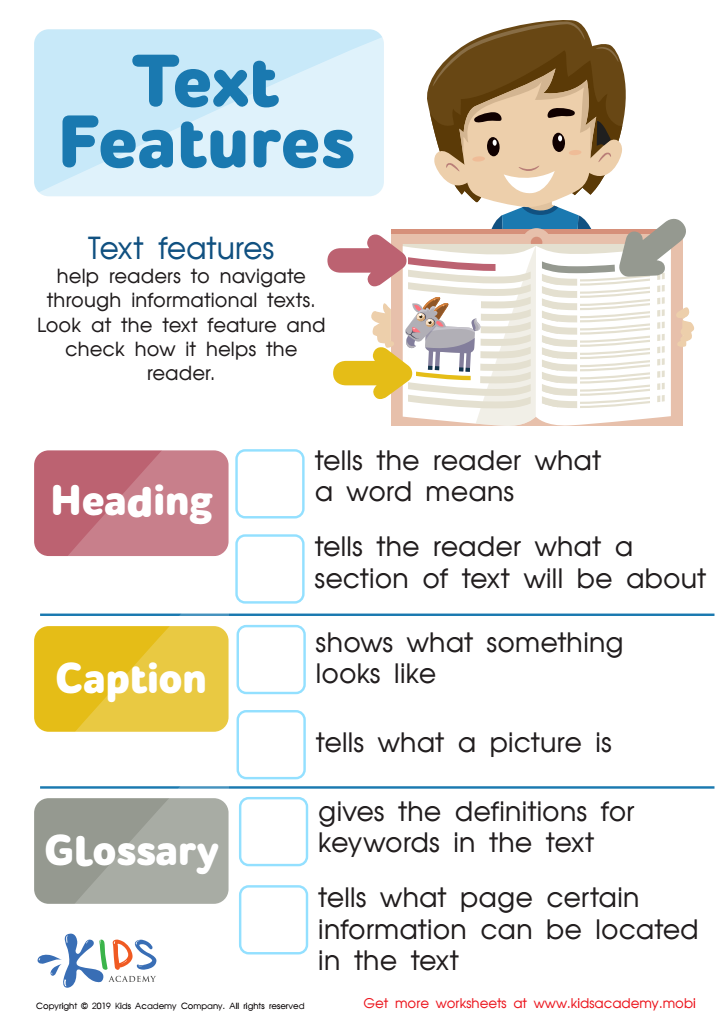
Help your kids get better at processing and analyzing texts by getting them to practice. Our worksheet with text features will help them find their way. This will help them understand how the features assist in finding information. Encourage practice, and they'll be able to improve quickly.
Text Features Worksheet
Worksheet
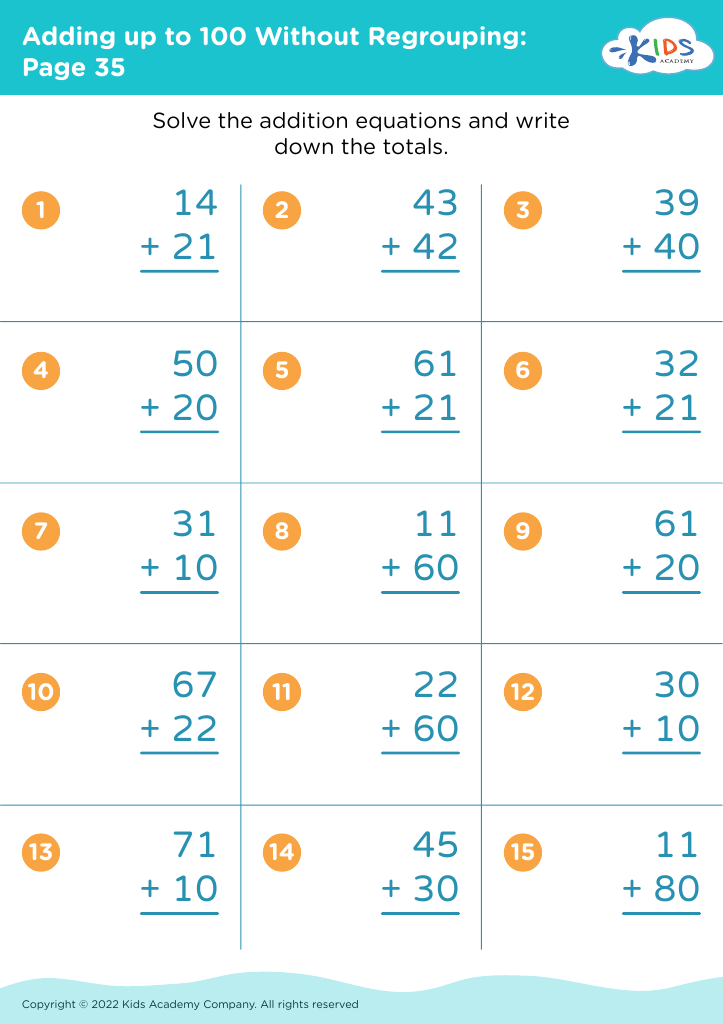
Adding up to 100 Without Regrouping: Page 35
Worksheet
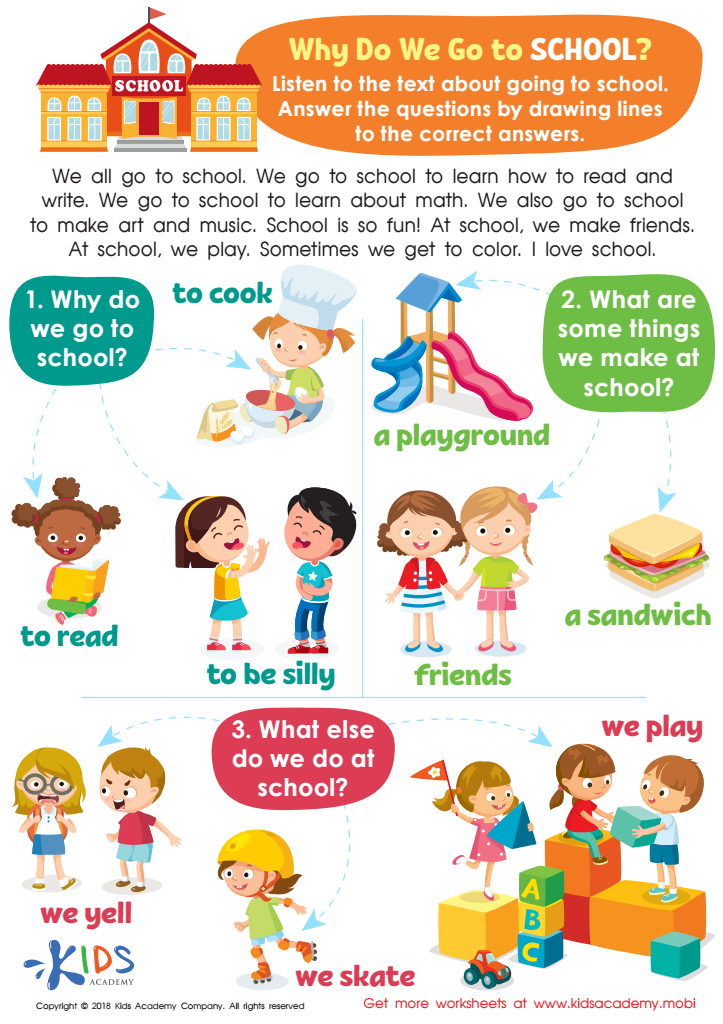
Why Do We Go To School? Worksheet

Why Do We Go To School? Worksheet

Ask your kids why they go to school and what they learn. Explain that some schools specialise in certain subjects like music or art. Show them the pictures and help them answer the questions by drawing lines to the correct answers. School is important and helps us learn, even though it may not feel enjoyable at times.
Why Do We Go To School? Worksheet
Worksheet
More About Abraham Lincoln Worksheet

More About Abraham Lincoln Worksheet

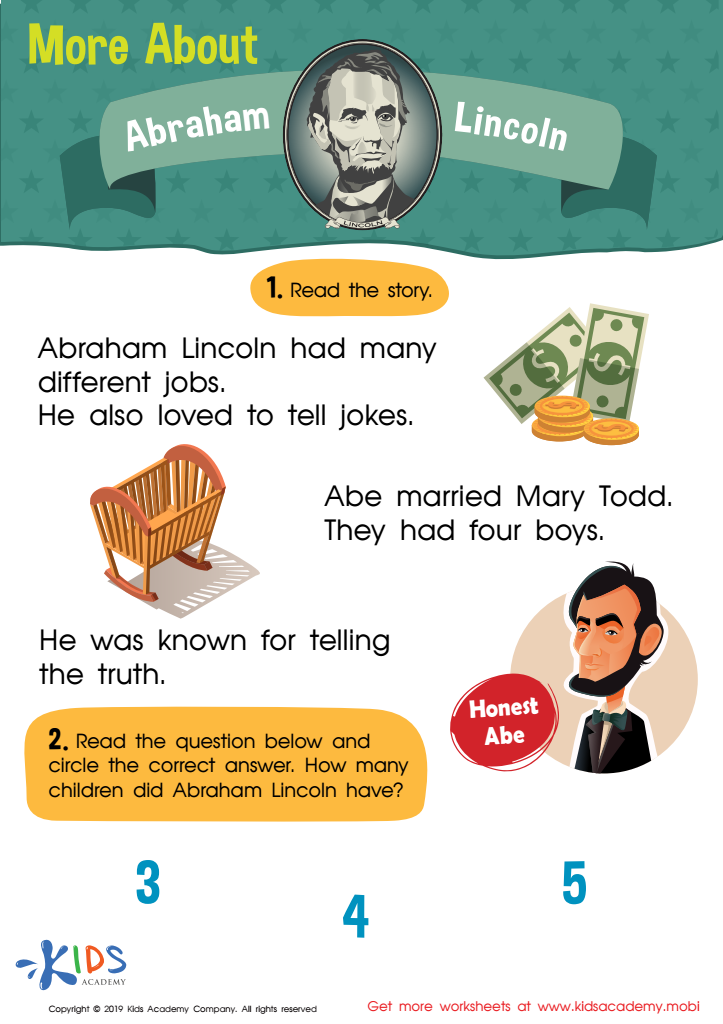
Read the short story in the worksheet with your kids. Show them the pictures representing the sentences, then ask the questions and help them circle the correct answer. Make sure they are actually paying attention and learning from the stories.
More About Abraham Lincoln Worksheet
Worksheet
First Person Worksheet

First Person Worksheet

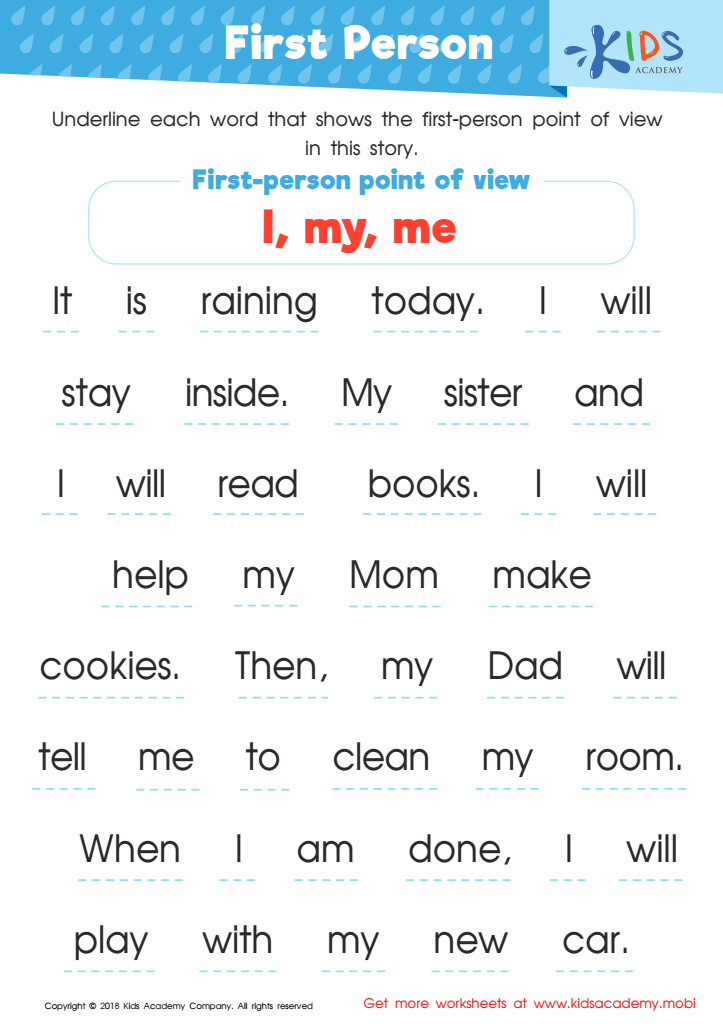
Teachers help students understand and recognize why authors choose different points of view. This worksheet focuses on first person point of view and its pronouns (I, me and my). Students will read a story, then circle each first-person pronoun. Through this activity, they'll practice identifying the POV in a text.
First Person Worksheet
Worksheet
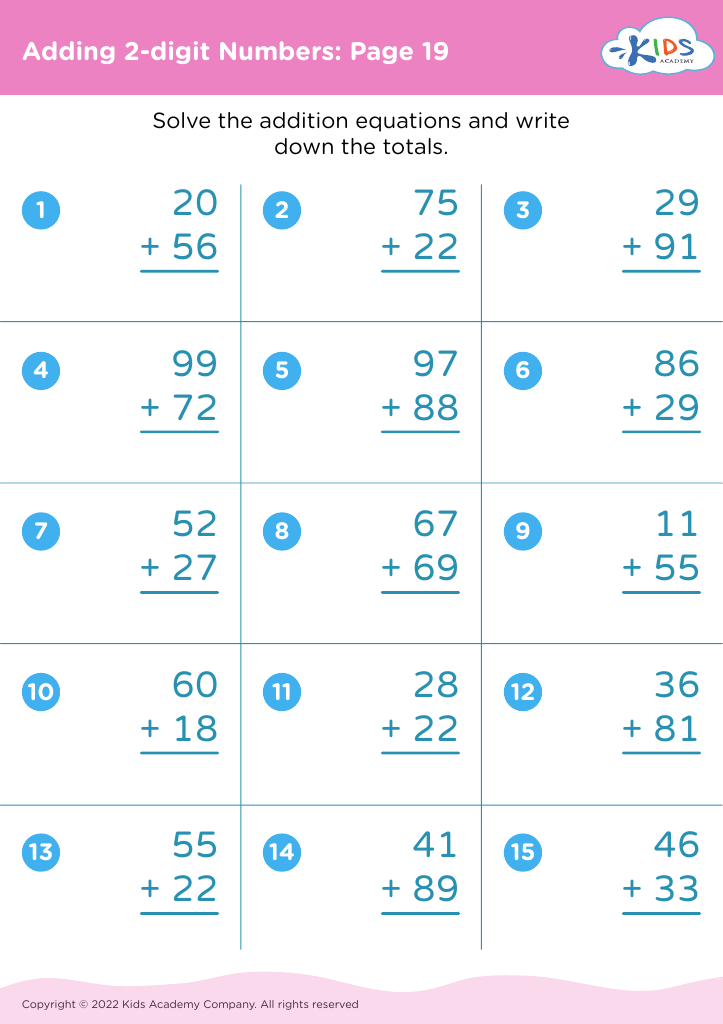
Adding 2-digit Numbers: Page 19

Adding 2-digit Numbers: Page 19

Adding 2-digit Numbers: Page 19
Worksheet
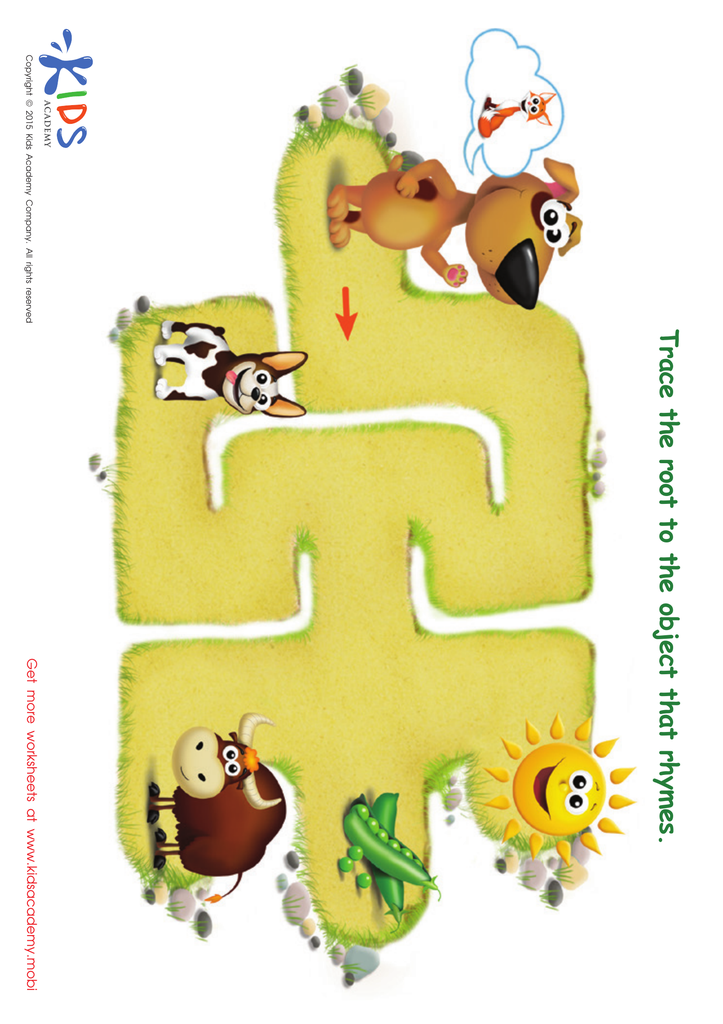
Rhyming Words PDF Worksheets, Fox

Fox Rhyming Words Worksheet

Can your child rhyme a fox? Listen carefully and see if it's sun, beans, or ox! Help your child recognize rhymes with a pencil or crayon maze. Travel from the dog to the picture that rhymes. This worksheet builds pre-reading skills - a great way to learn!
Fox Rhyming Words Worksheet
Worksheet
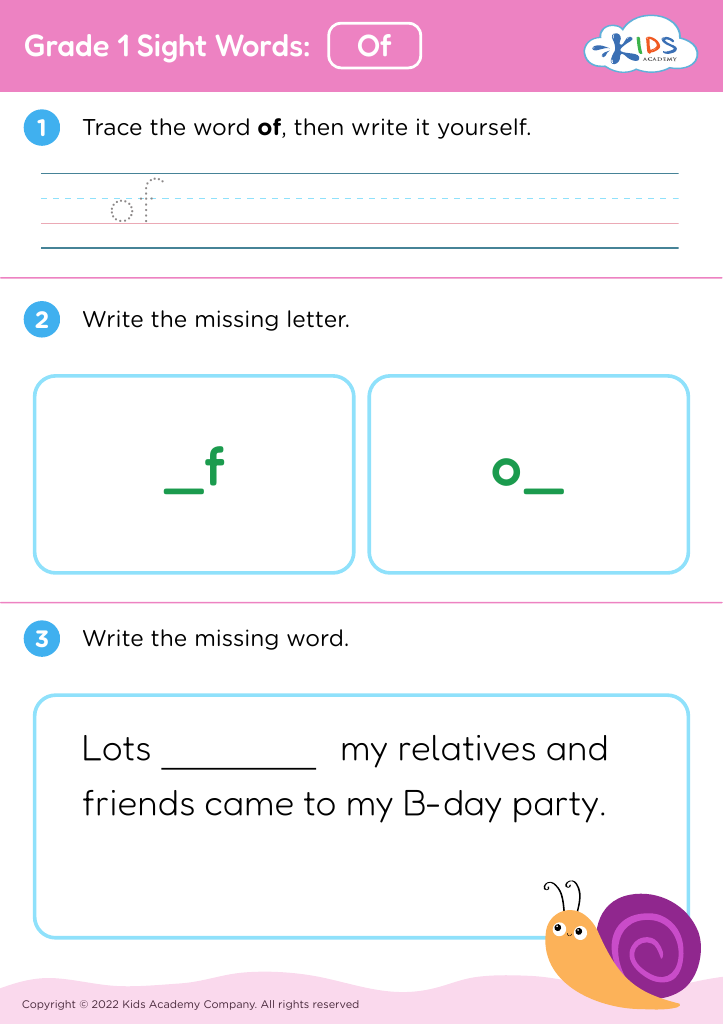
Grade 1 Sight Words: Of

Grade 1 Sight Words: Of

Grade 1 Sight Words: Of
Worksheet
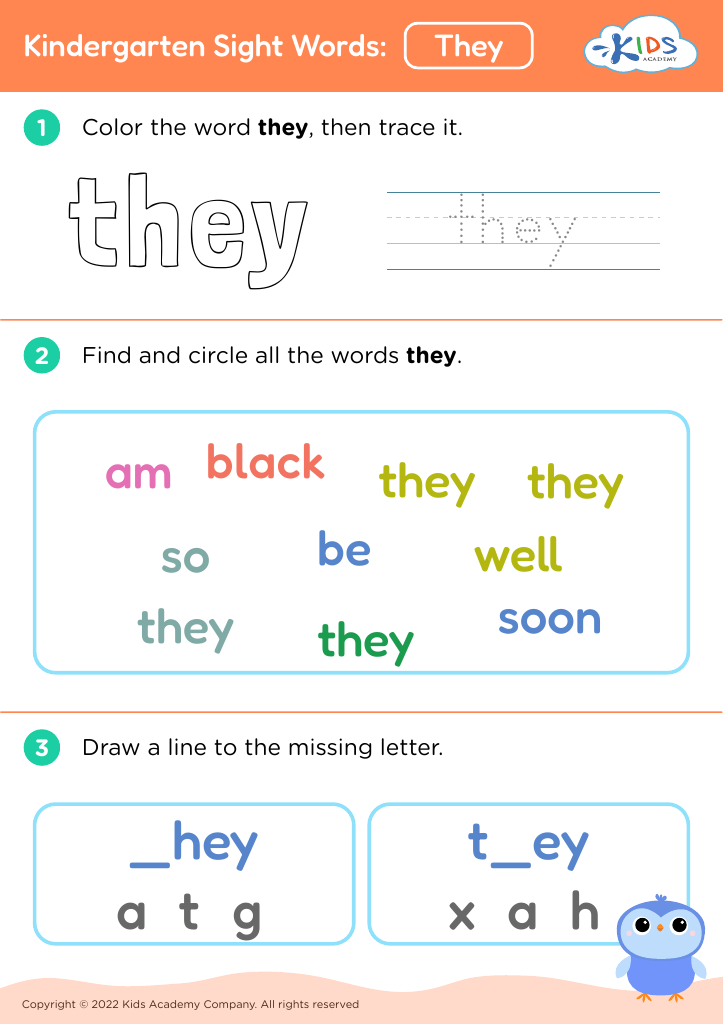
Kindergarten Sight Words: They

Kindergarten Sight Words: They

Kindergarten Sight Words: They
Worksheet


Improving reading comprehension for children ages 3-7 is crucial for their overall academic success and lifelong learning. During these formative years, children develop foundational language skills and cognitive abilities that set the stage for future educational achievement. Enhanced reading comprehension not only helps them understand stories and information but also fosters critical thinking, vocabulary development, and communication skills.

Early comprehension skills enable children to make connections between texts and their experiences, develop empathy through understanding diverse perspectives, and bolster creativity through narrative exploration. Furthermore, children who grasp reading comprehension early are more likely to engage with reading independently, leading to increased motivation and a love for learning.

Parents and teachers are vital in this process; they create supportive environments that promote interactive reading experiences, encourage questions, and model expressive storytelling techniques. By emphasizing comprehension, adults can help children learn to predict outcomes, summarize content, and draw inferences, laying the groundwork for more complex reading strategies in later years.

Investing in improved reading comprehension now pays lifelong dividends, fostering confident readers who approach learning with curiosity and enthusiasm as they transition into more challenging academic settings.