Improve reading skills Worksheets for Ages 3-7 - Page 2
52 filtered results
-
From - To
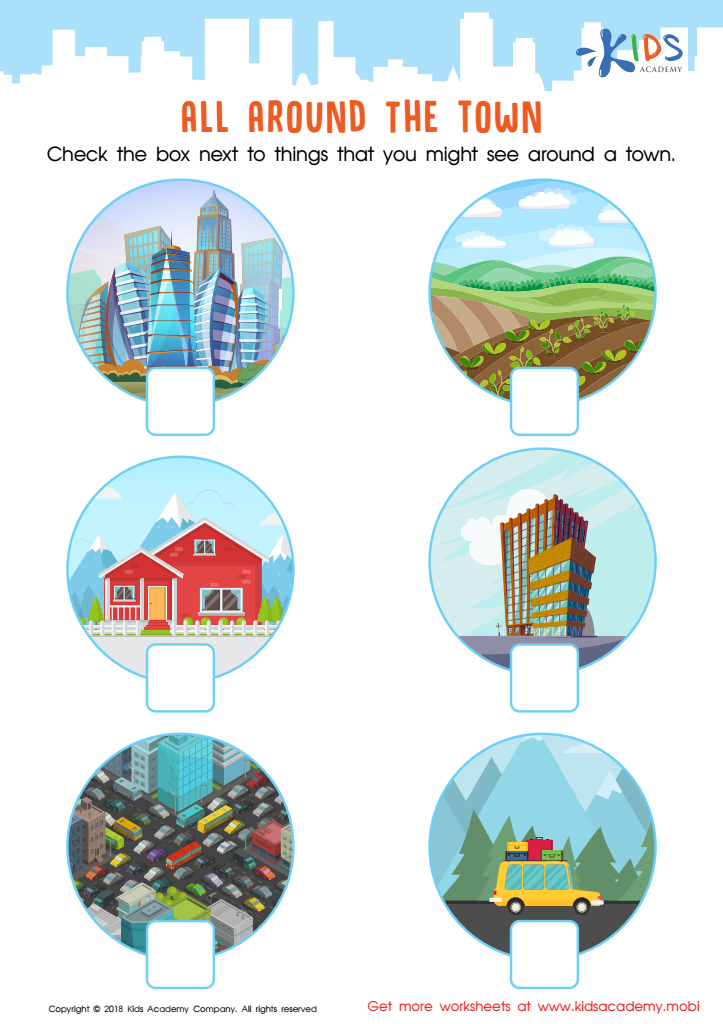
All Around the Town Worksheet
 Assign to My Students
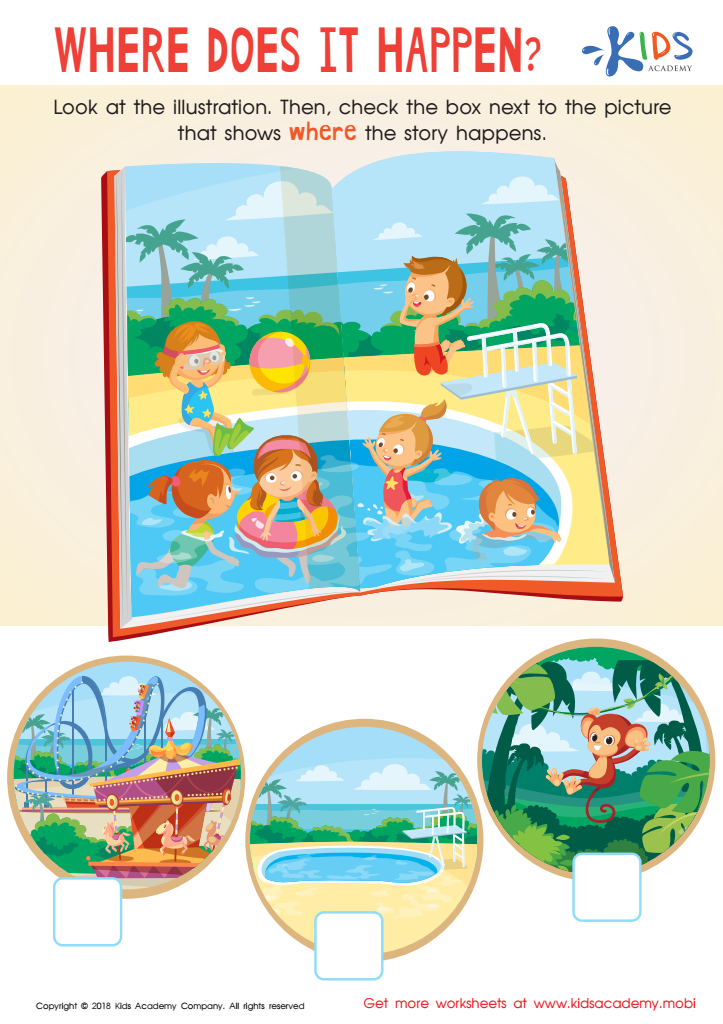
Where Does It Happen? Worksheet
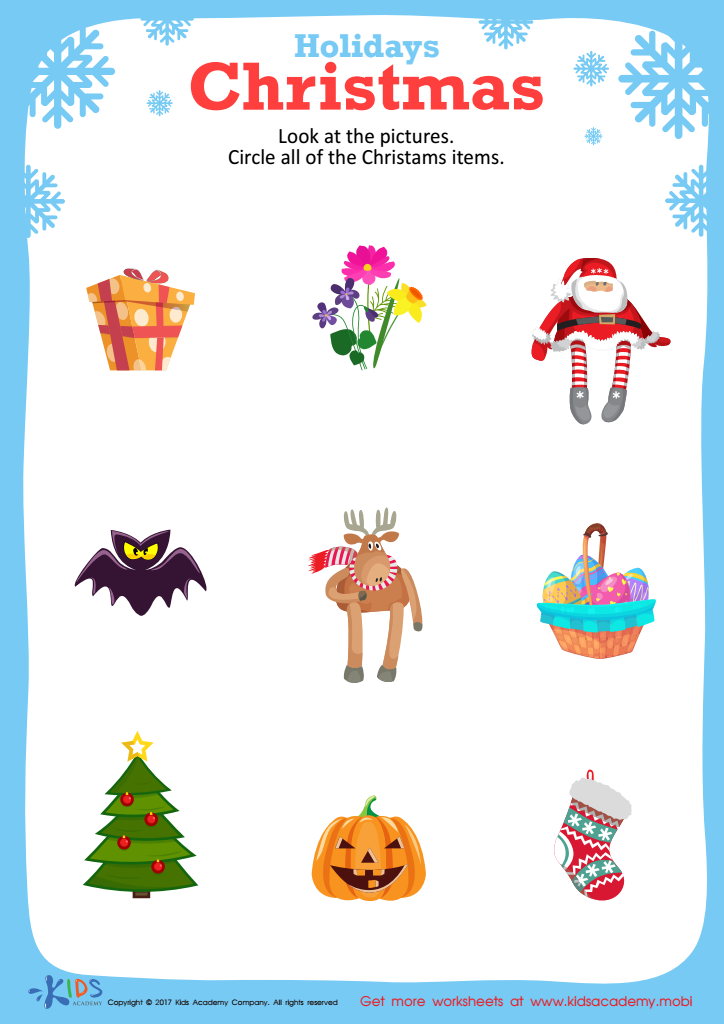
Christmas Holiday Worksheet
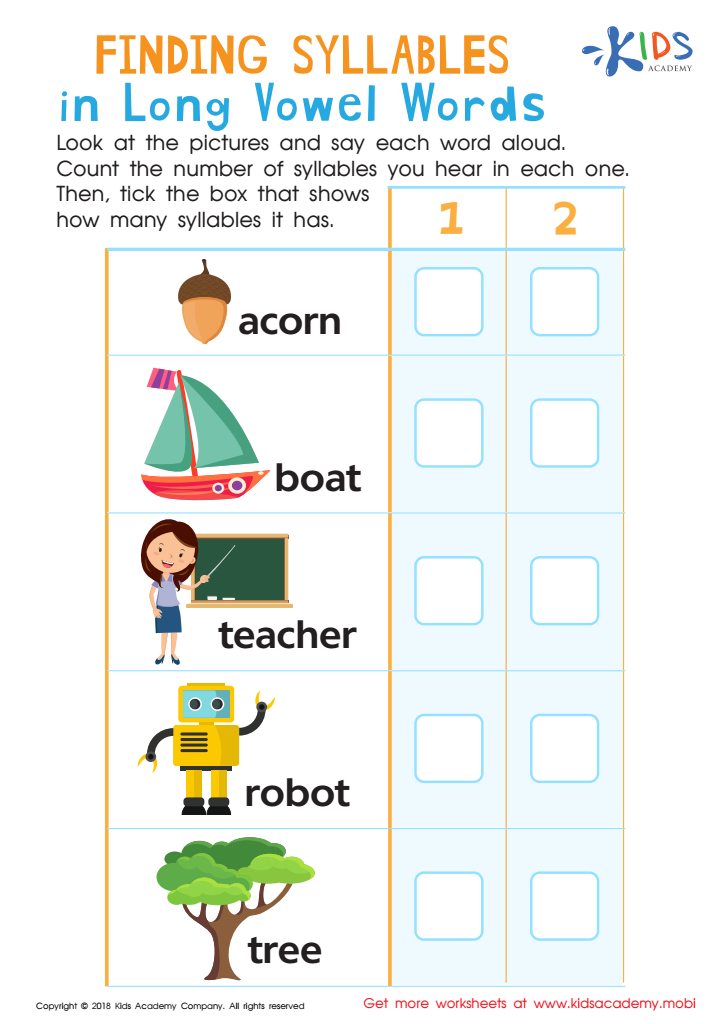
Finding Syllables in Long Vowel Words Worksheet
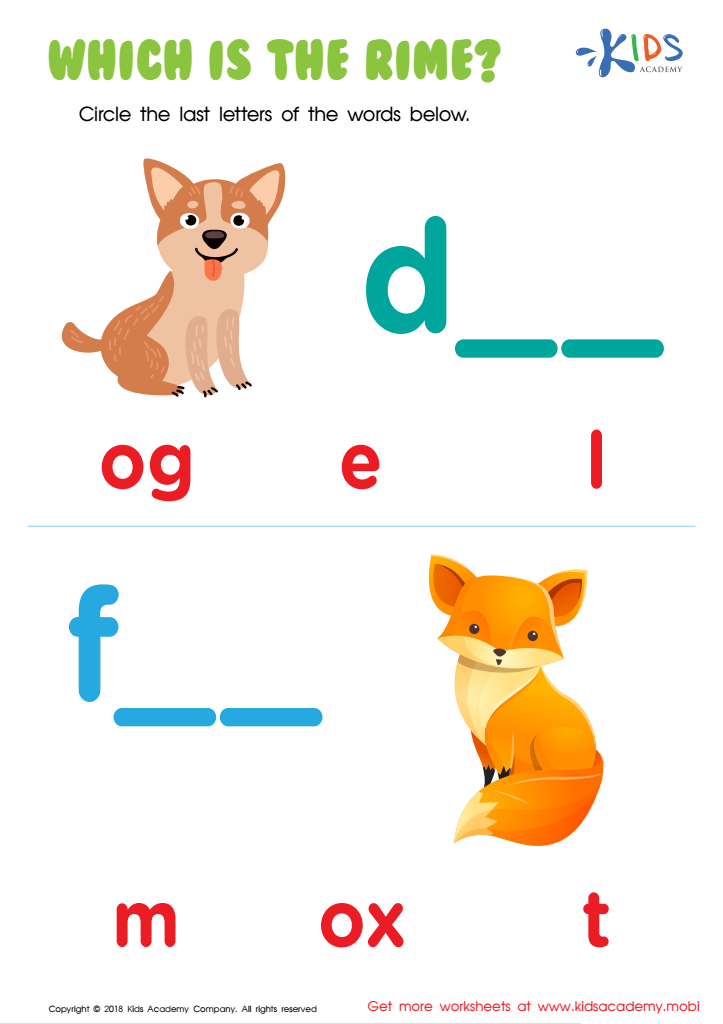
Which Is the Rime? Worksheet
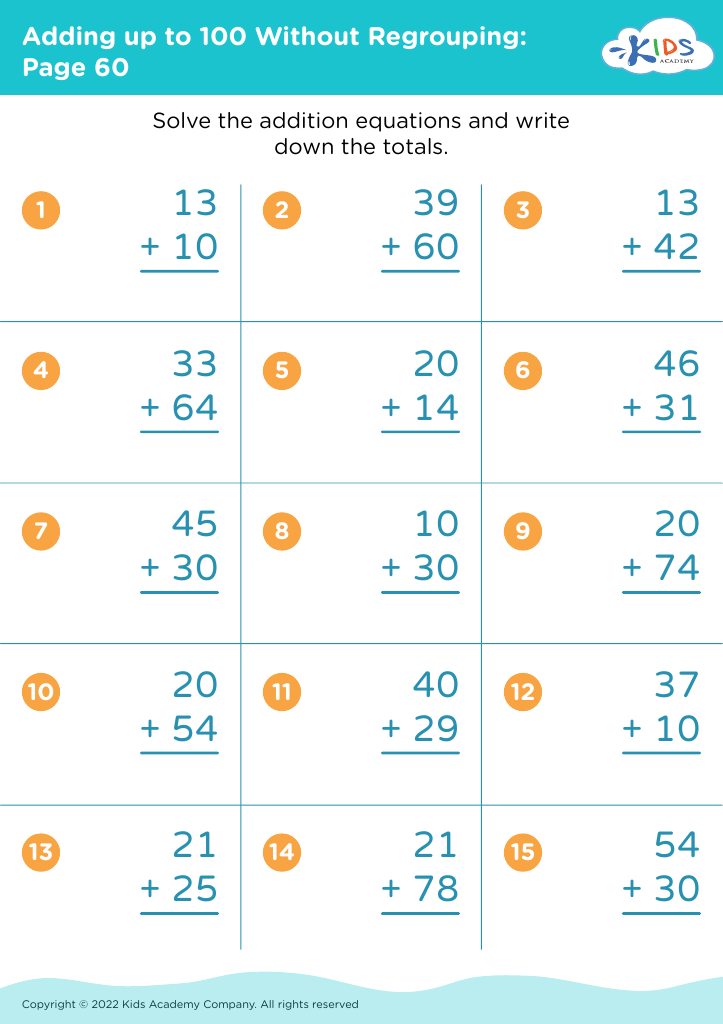
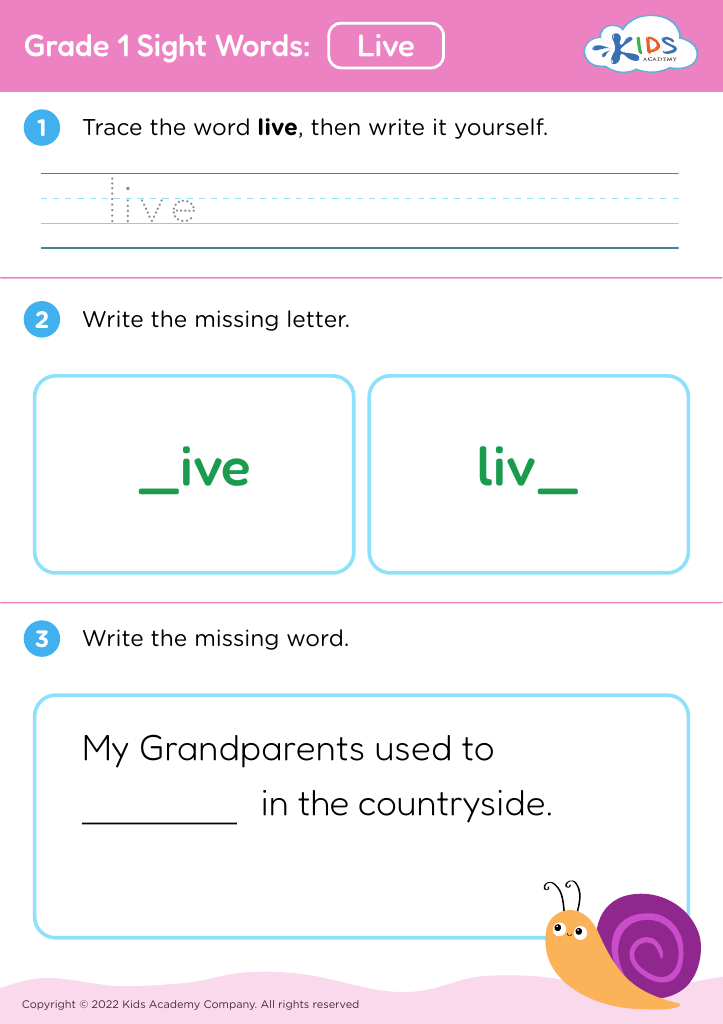
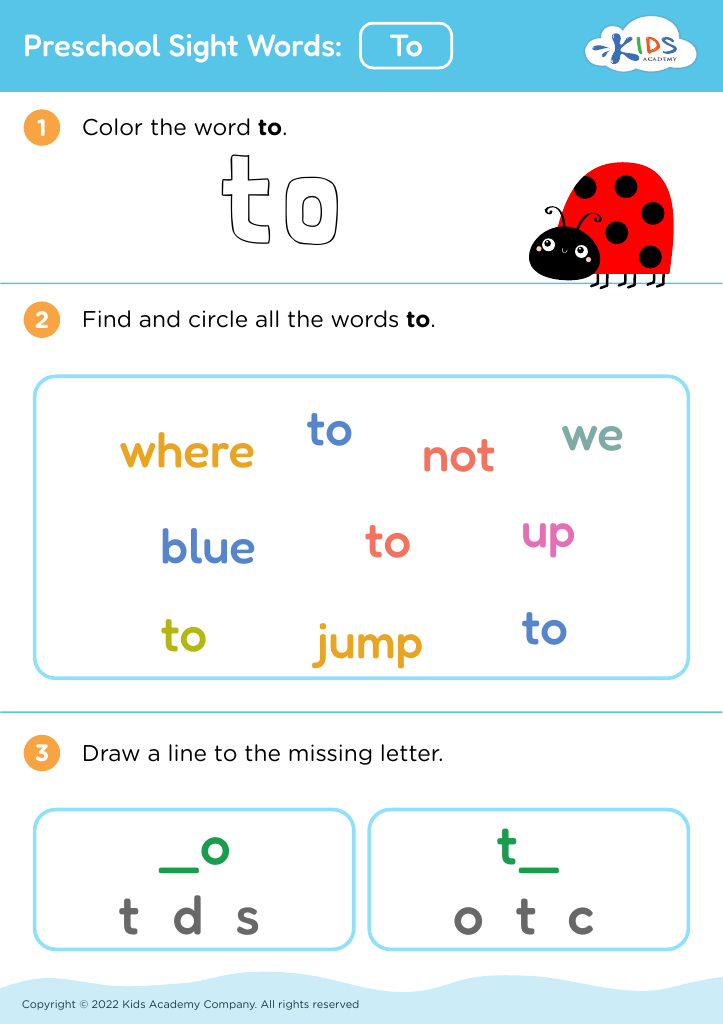
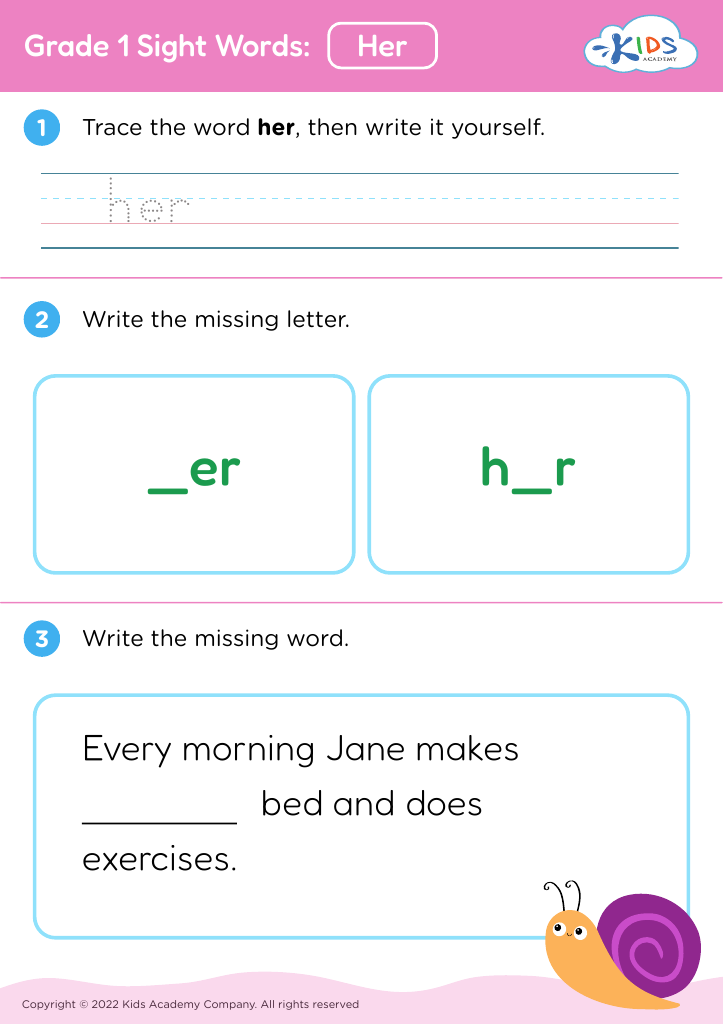
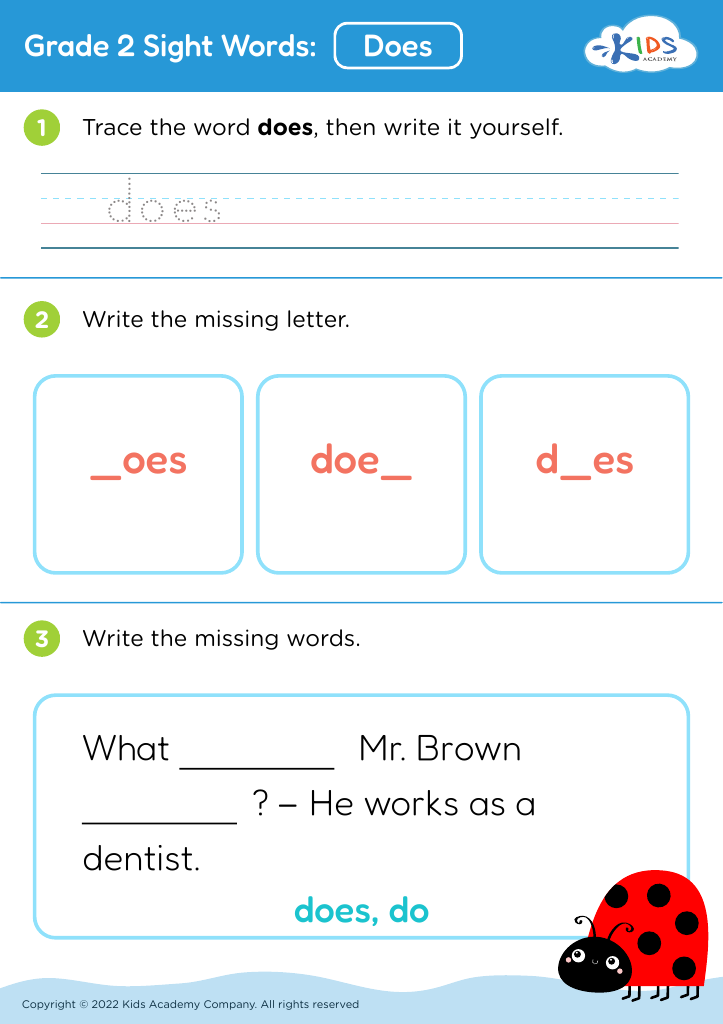
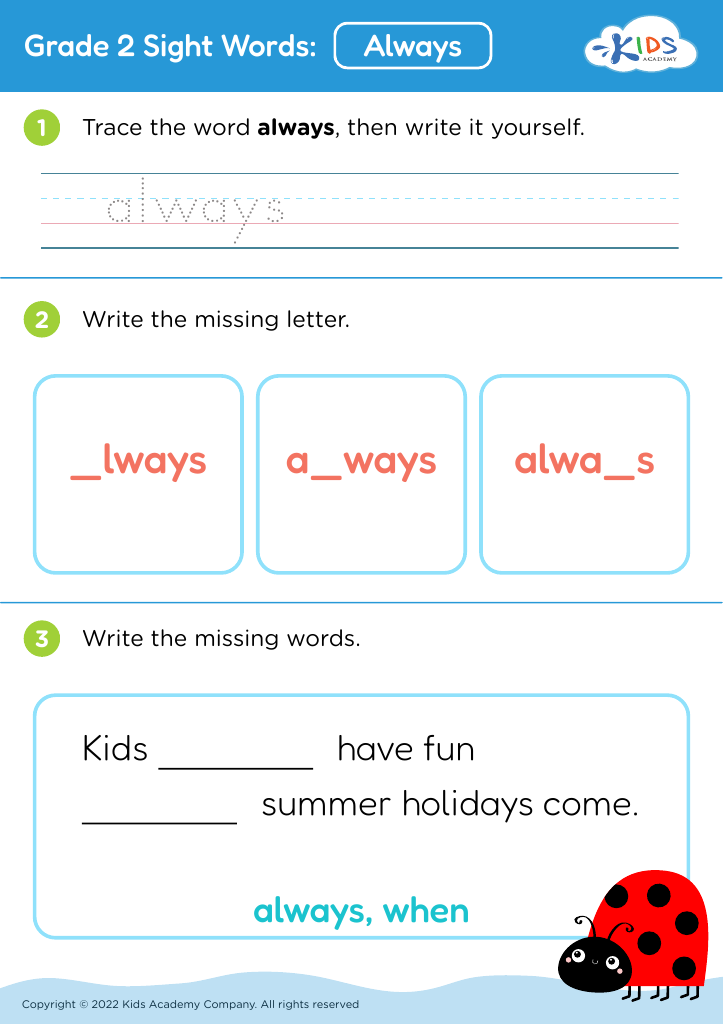







Improving reading skills for children aged 3-7 is crucial for their overall development and future academic success. During these early years, a child's brain is incredibly receptive and capable of absorbing new information at a remarkable rate. Establishing strong reading skills at this stage lays the foundation for lifelong learning and critical thinking.
For parents and teachers, ensuring that young children develop proficient reading abilities opens up numerous doors for their future. Children who read well are more likely to excel in other subjects, as reading comprehension is essential for understanding instructions and additional content. Furthermore, reading enhances vocabulary, language skills, and communication abilities, which are vital for both academic and social interactions.
Early reading experiences contribute to a child's cognitive development, including improved concentration, imagination, and memory. Reading also fosters emotional development by helping children understand different perspectives and empathize with characters' experiences.
Moreover, literacy skills developed early in life promote a love for learning and a curiosity about the world, traits that are beneficial throughout one's life. In contrast, children who struggle with reading early on may face challenges and frustrations, affecting their self-esteem and enthusiasm for school.
Therefore, parents and teachers should prioritize improving reading skills in young children to provide them with essential tools for long-term success and personal growth.








