Improving analytical skills Worksheets for Ages 3-7
6 filtered results
-
From - To
Unlock your child's potential with our "Improving Analytical Skills Worksheets" designed for ages 3-7! These engaging worksheets foster critical thinking and problem-solving abilities in young learners. Through fun activities like pattern recognition, shape sorting, and logic puzzles, children develop vital analytical skills essential for academic success. Our resources are tailored to promote creativity and curiosity, making learning enjoyable. With easy-to-follow instructions and colorful illustrations, these worksheets are perfect for homeschooling or supplementary practice. Empower your child to think critically and enhance their learning experience today with our thoughtfully crafted worksheets! Explore our collection and watch your child thrive!
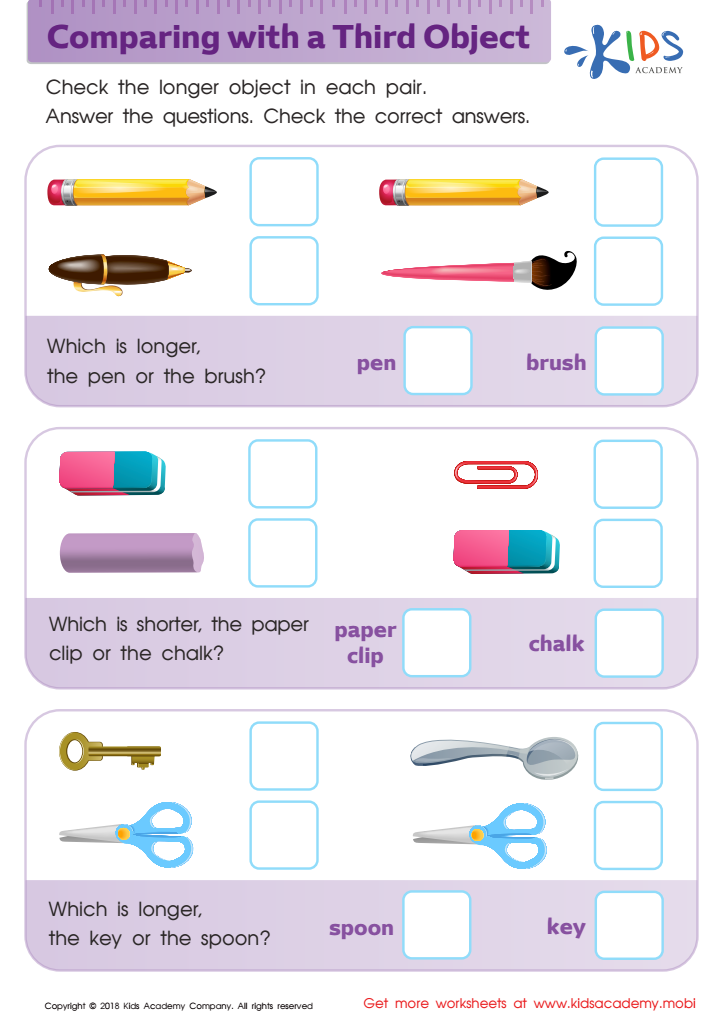
Comparing with a Third Object Worksheet
 Assign to My Students
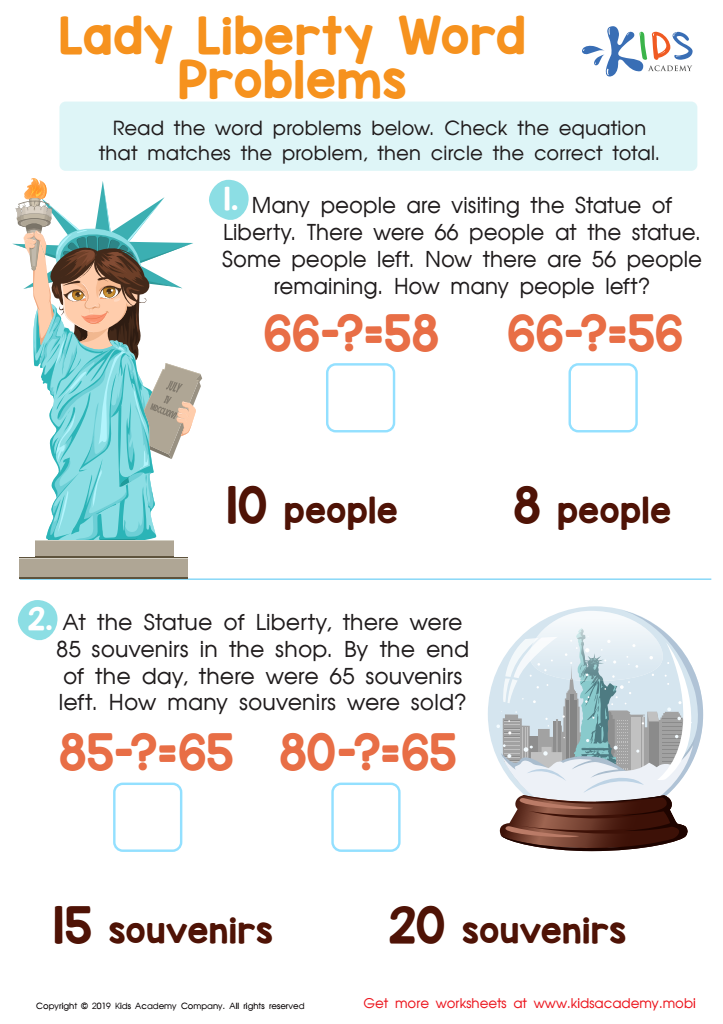
Lady Liberty Worksheet
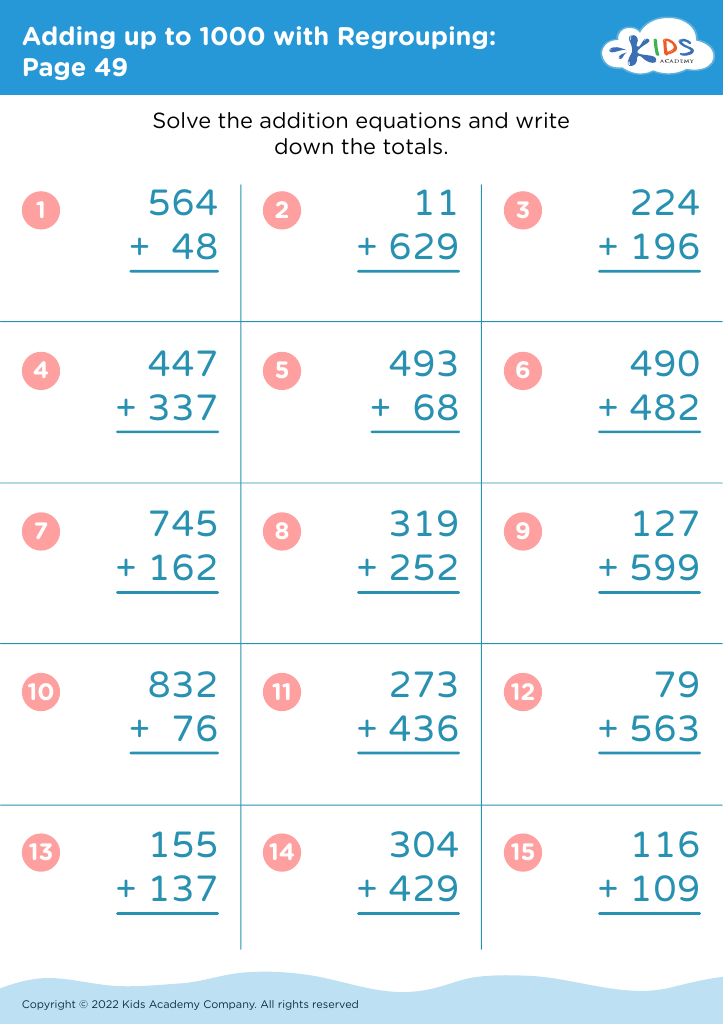
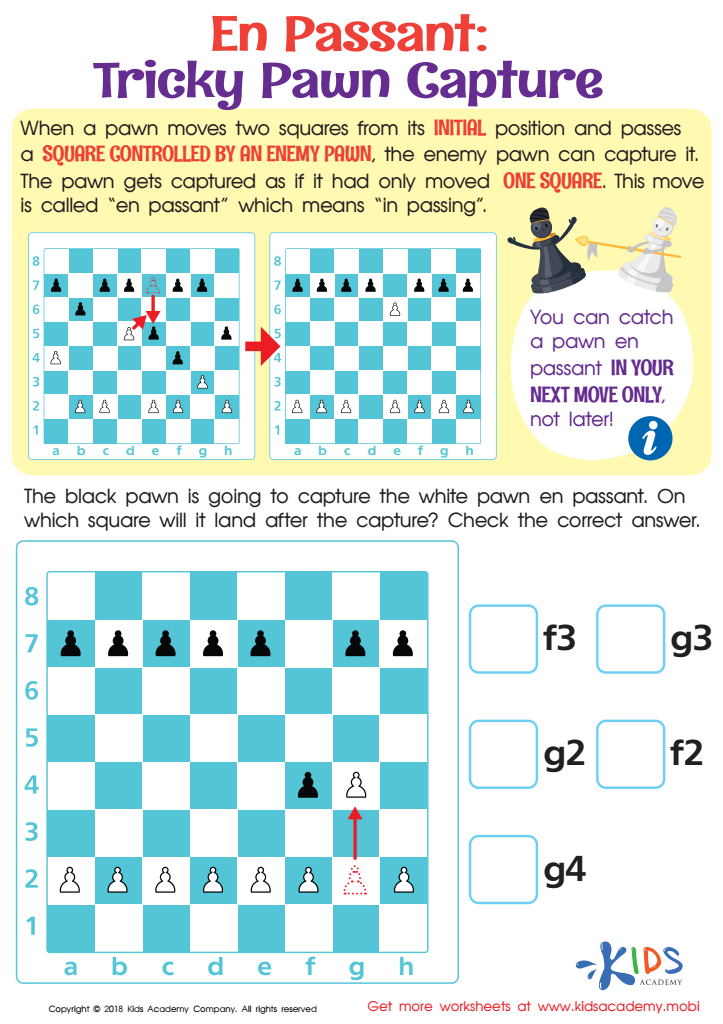
En Passant: Tricky Pawn Capture Worksheet

Matching and Sorting for Preschool: Assessment 3 Worksheet
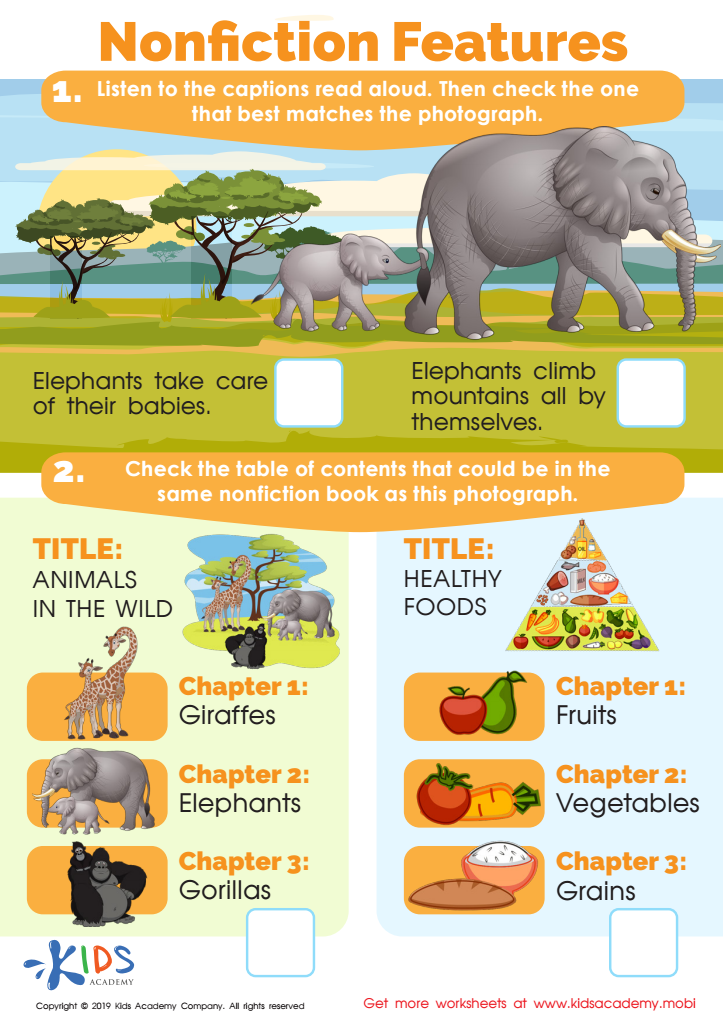
Nonfiction Features Worksheet








Improving analytical skills for children aged 3-7 is crucial for several reasons. At this early age, children are naturally curious, and fostering their analytical abilities enhances that curiosity by encouraging them to observe, question, and experiment. Analytical skills lay the foundation for critical thinking, which is necessary for problem-solving and decision-making later in life. By engaging in activities that promote these skills, such as puzzles, games, and storytelling, children learn to categorize information, recognize patterns, and make connections.
Parents and teachers play significant roles in nurturing these abilities. Enhanced analytical skills lead to improved academic performance as children progress through school. Moreover, these skills foster creativity and innovation, crucial for adapting to an increasingly complex world. When children develop the ability to think analytically, they become more independent learners, equipped to tackle challenges with confidence.
Additionally, cultivating these skills in the early years aids emotional and social development, as children learn to articulate their thoughts and consider different perspectives. As lifelong learners, the groundwork for successful futures is laid when children possess strong analytical skills. Thus, investing time and effort in cultivating these abilities is beneficial for individual children and society as a whole.








