
Improving analytical thinking Worksheets for Ages 3-7
3 filtered results
Difficulty Level
Grade
Age
-
From - To
Subject
Activity
Standards
Enhance your child's analytical thinking skills with our engaging worksheets designed for ages 3-7! Our carefully curated resources focus on developing critical thinking through exciting activities that spark creativity and problem-solving. From puzzles and patterns to sorting and classification exercises, each worksheet encourages young learners to explore concepts, analyze information, and draw conclusions. Our materials are age-appropriate, colorful, and fun, ensuring that your child stays motivated while learning essential cognitive skills. These worksheets are perfect for homeschool settings, supplementary practice, or classroom use. Explore our collection today and empower your child to think analytically, preparing them for future learning challenges!
Favorites
With answer key
Interactive
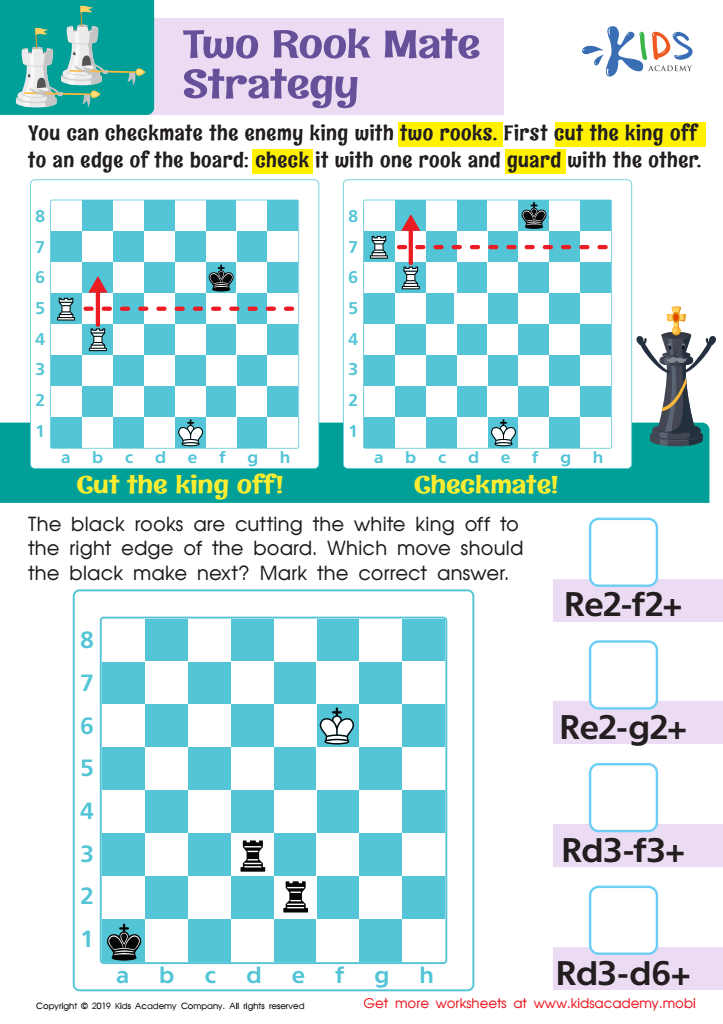
Two Rook Mate Strategy Worksheet
Kids who can play stress gain better reasoning, logic and critical thinking skills. This worksheet can teach kids the Two Rook Mate strategy to checkmate their opposite king. They'll discover how to close in the enemy king and protect with another rook, all the while enjoying a screen-free activity!
 Assign to My Students
Two Rook Mate Strategy Worksheet
Worksheet
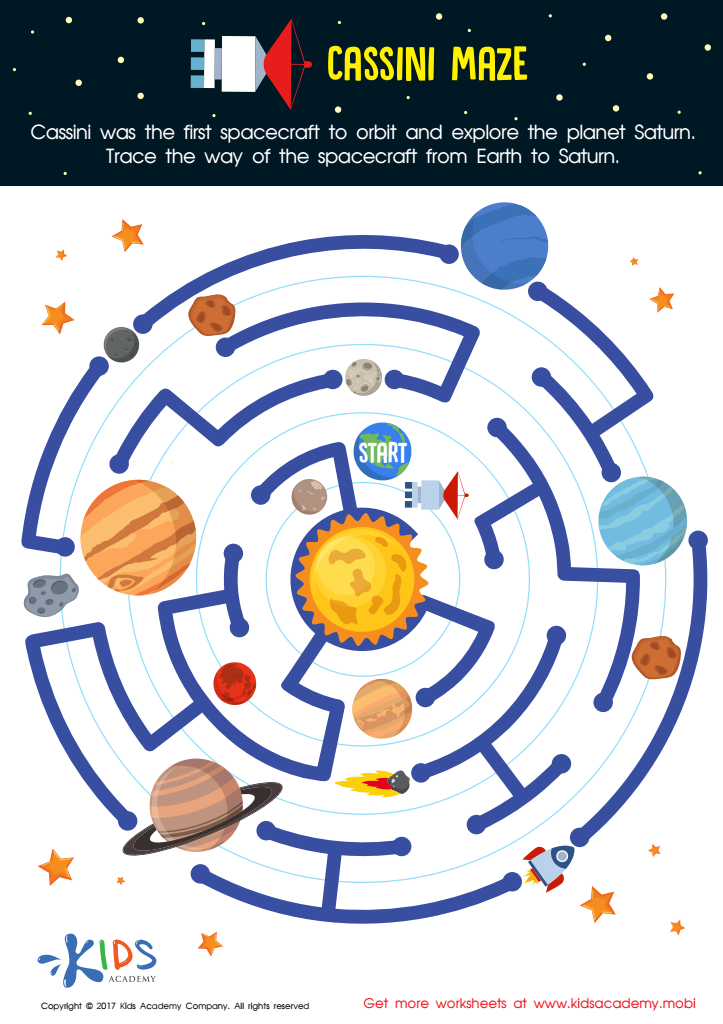
Cassini Printable Worksheet
Solve the Cassini maze and blast off to Saturn! Your child will love learning about the first spacecraft to orbit this beloved planet while navigating the tricky maze to find it.
Cassini Printable Worksheet
Worksheet
Join Kids Academy for Free
Who is primarily going to use this learning content?






.jpg)

Improving analytical thinking in children ages 3-7 is crucial for their overall development and future success. During these formative years, children's brains are especially receptive to learning patterns, problem-solving, and critical thinking skills. By fostering analytical thinking, parents and teachers equip children with the ability to approach problems logically and develop reasoning skills essential for academic success and everyday life.
Supporting this skill in young children encourages curiosity and inquiry. When children learn to ask questions, explore various solutions, and assess outcomes, they not only enhance their understanding of the world but also build resilience through trial and error. Early experiences with analytical thinking lead to improved decision-making abilities, allowing them to evaluate situations and make informed choices as they grow.
Moreover, analytical thinking facilitates social development; children learn to communicate their thoughts, consider different perspectives, and collaborate with others. Parents and teachers play a critical role in providing a stimulating environment, where questioning and exploration are encouraged.
Ultimately, prioritizing analytical thinking in early education lays a strong foundation for lifelong learning, equipping children with skills necessary for navigating challenges in an increasingly complex world. Thus, fostering these abilities should be a shared goal for both parents and educators.








