Learning addition Worksheets for Ages 3-7
7 filtered results
-
From - To
Explore our engaging "Learning Addition Worksheets for Ages 3-7" designed to make early math fun and interactive! Perfect for young learners, these colorful worksheets introduce fundamental addition concepts through playful activities and visual aids. Children can practice simple equations, learn to count with object-based problems, and enhance their critical thinking skills. Tailored for both classroom and home use, these worksheets cater to various learning styles, ensuring each child grasps the basics of addition at their own pace. Make math a joyful experience for your little ones while building their confidence in arithmetic. Start your addition journey today!
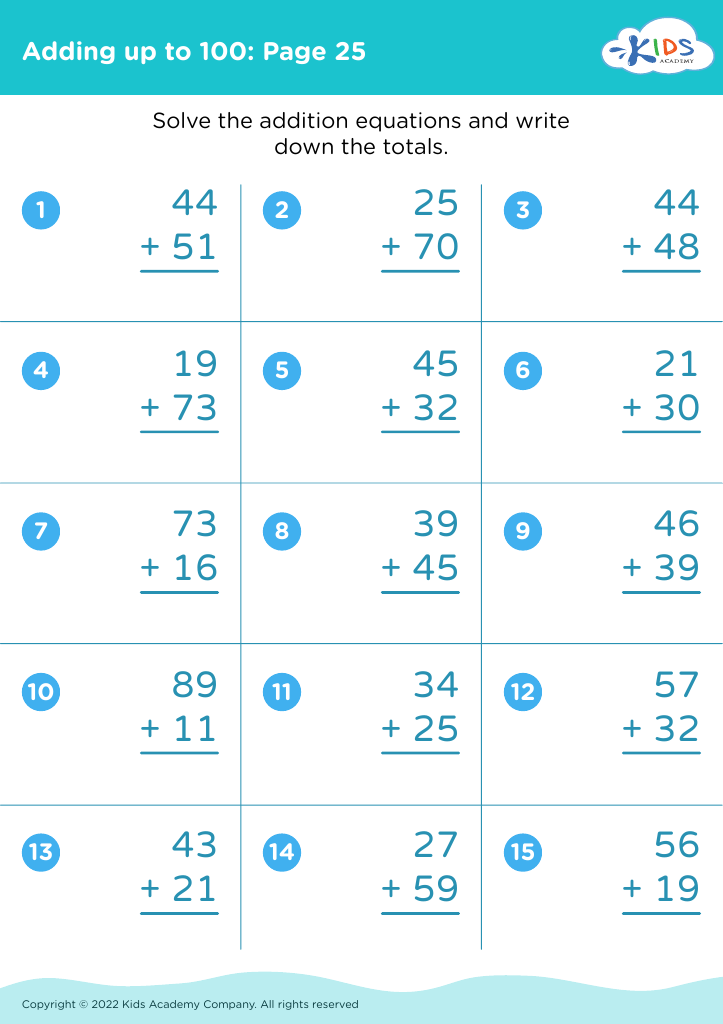
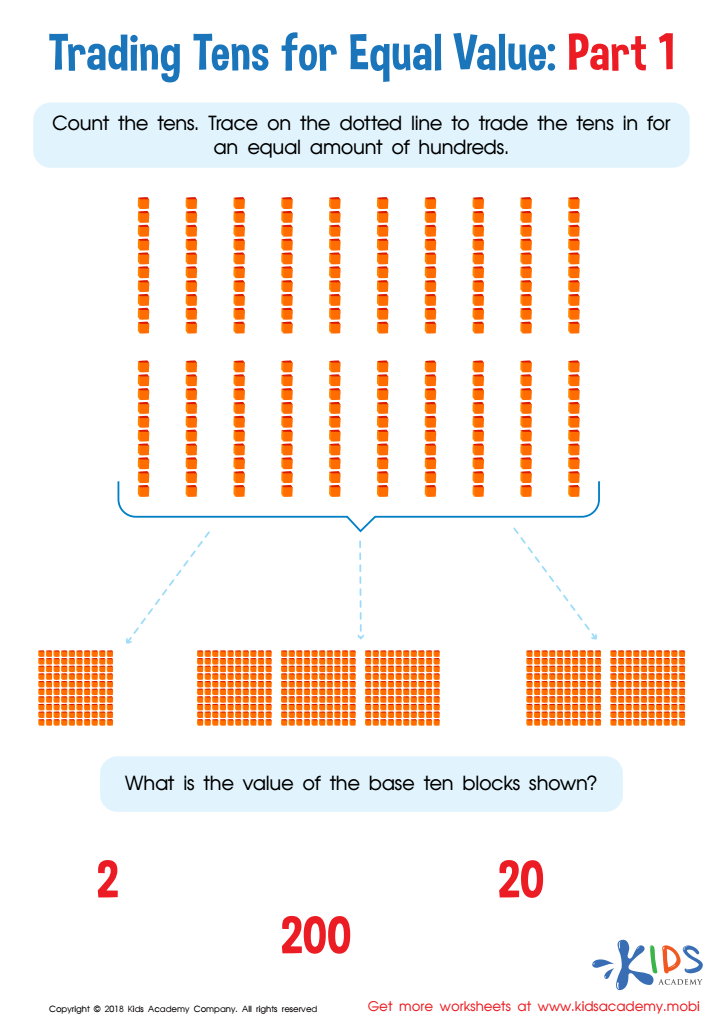
Trading Tens for Equal Value Worksheet: Part 1
 Assign to My Students
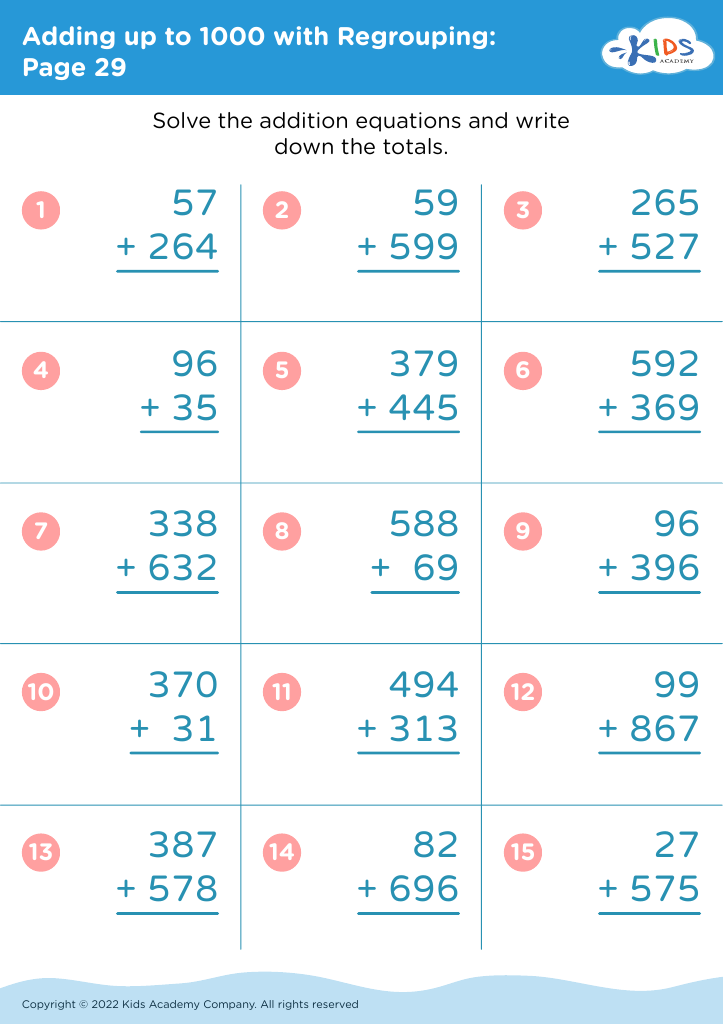
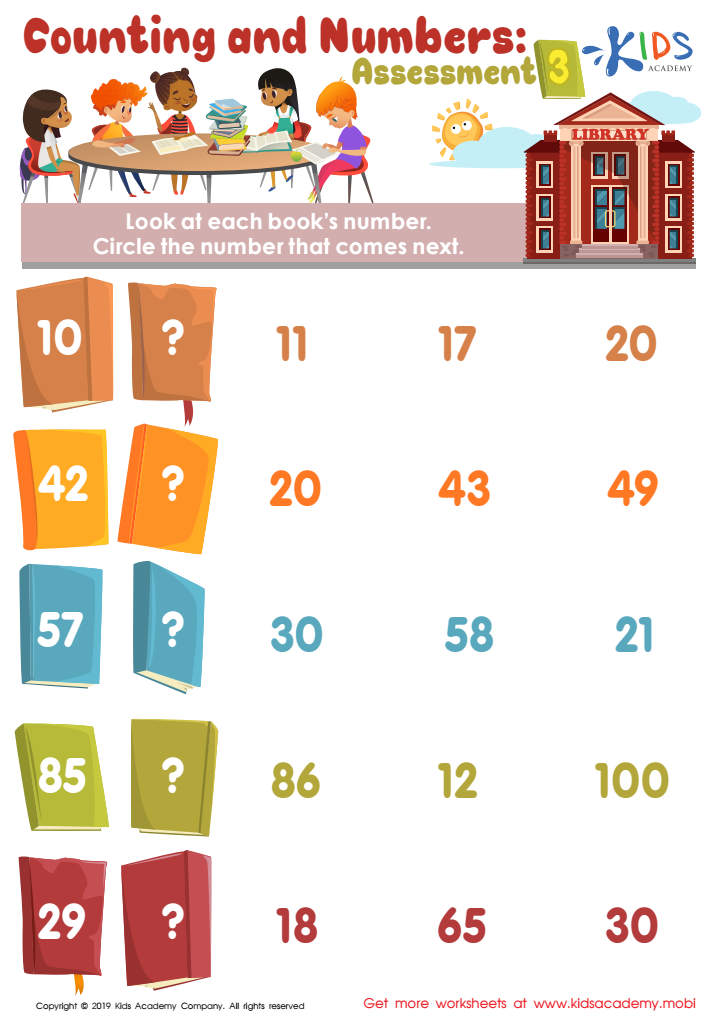
Counting and Numbers: Assessment Worksheet
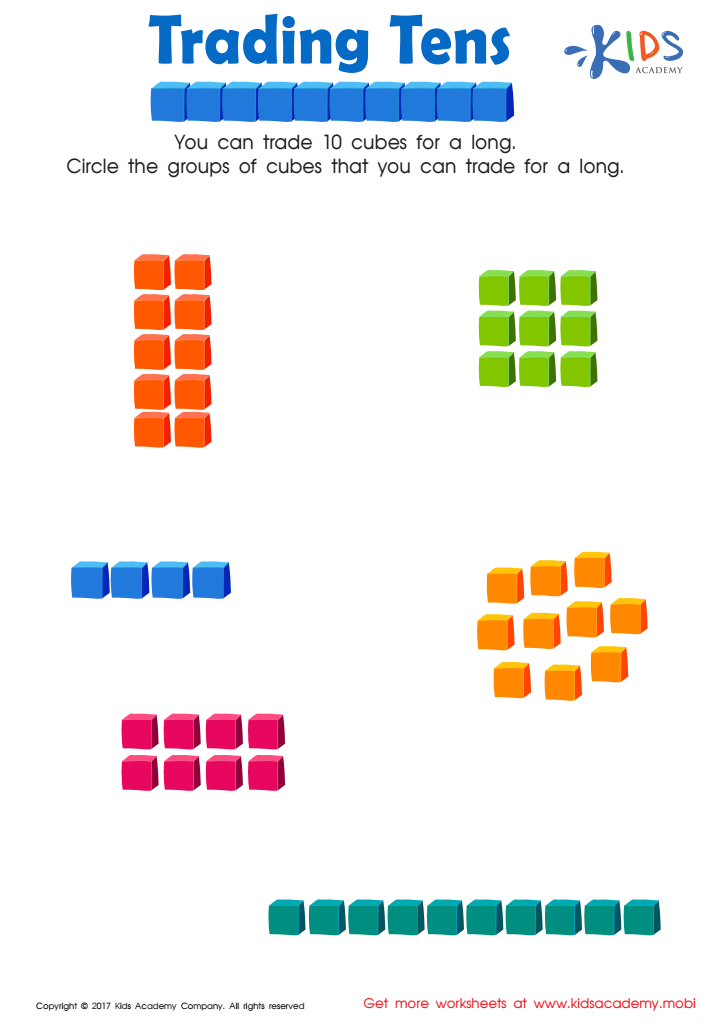
Trading Tens Worksheet
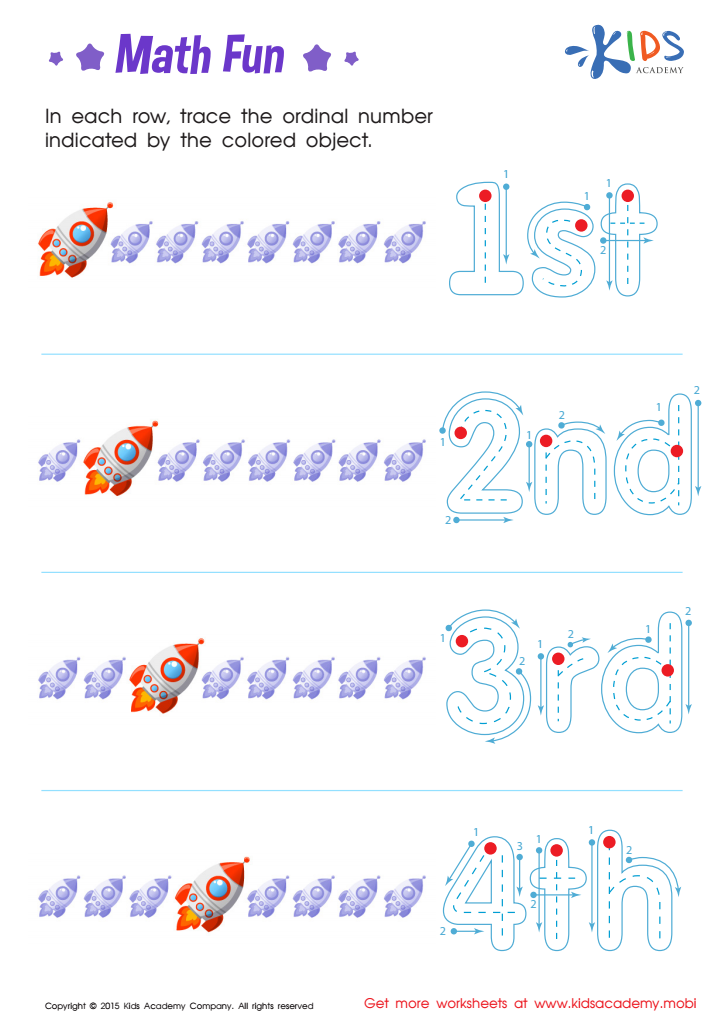
Ordinal Numbers: Math Fun Worksheet
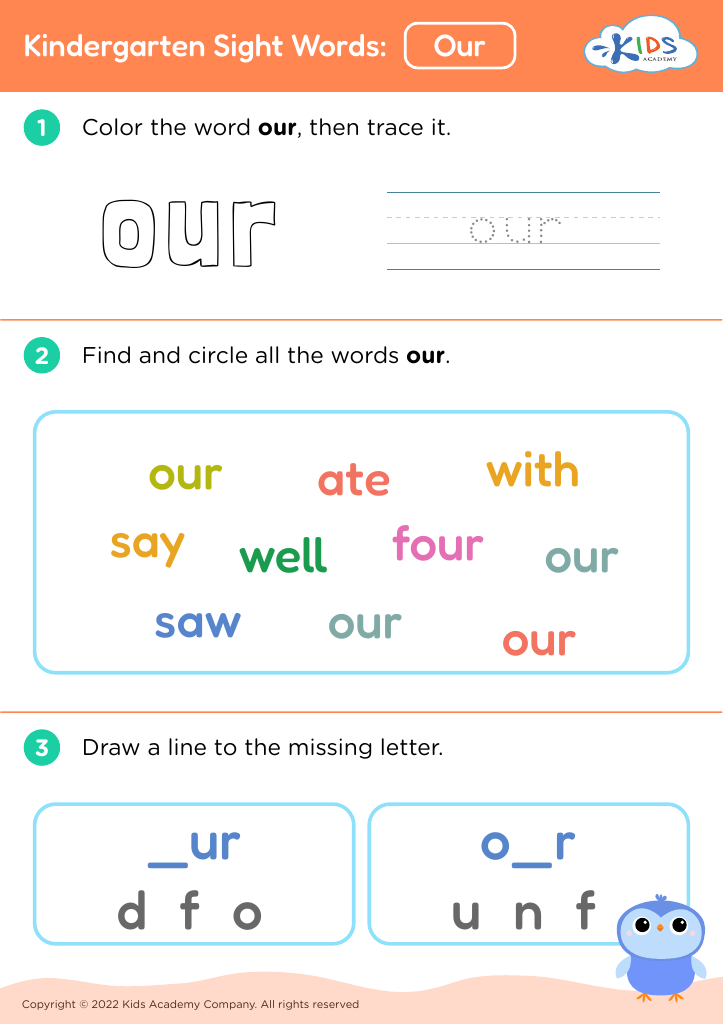



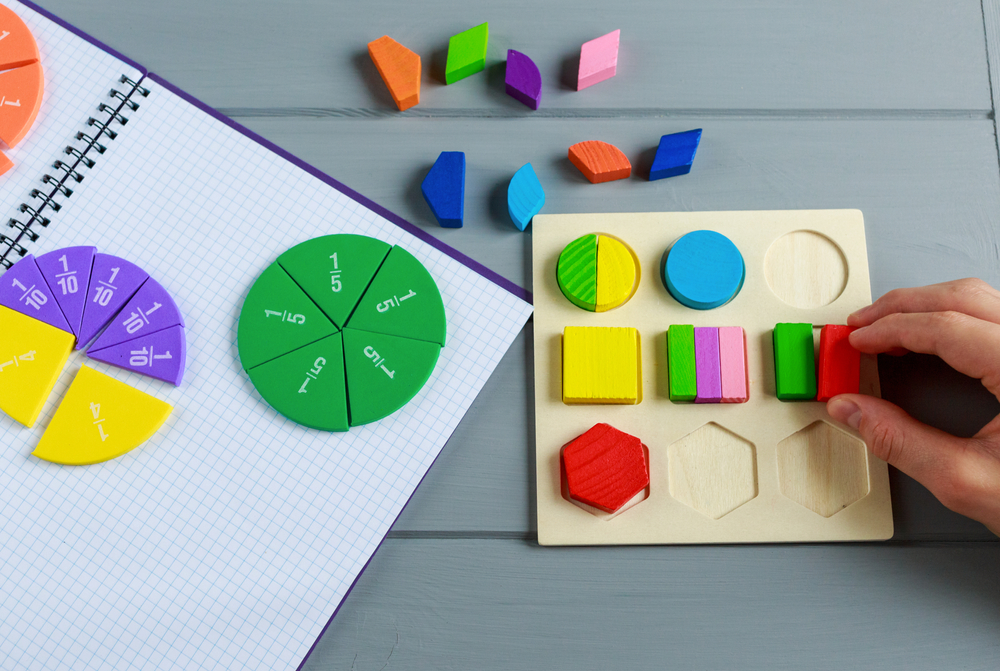

Learning addition at an early age, particularly for children aged 3 to 7, lays a critical foundation for future mathematical skills and overall cognitive development. During these formative years, children are naturally curious and absorb information rapidly. Introducing them to basic addition concepts promotes number sense and supports the development of logical thinking and problem-solving abilities.
Parents and teachers should prioritize teaching addition because it fosters confidence and a positive attitude toward math. Mastery of simple arithmetic can motivate children to tackle more complex mathematical concepts later on. Additionally, early experiences with math can reduce anxiety and challenges related to mathematics, which is a common issue as children advance in their education.
Moreover, adding fun and engaging activities related to addition—like games, songs, and hands-on learning—can create rich learning experiences that build social skills and a love for learning. Connecting math to everyday situations, such as counting fruits during snack time, enhances relevance and retention. By encouraging early math skills, parents and teachers ensure that children are equipped not only for academic success but also for practical life skills that require calculations and reasoning, setting them on a path to lifelong learning and success.








