Logical reasoning skills Worksheets for Ages 3-7
5 filtered results
-
From - To
Enhance your child's cognitive development with our engaging Logical Reasoning Skills Worksheets for ages 3-7! Designed to promote critical thinking, problem-solving, and analytical abilities, these worksheets offer a captivating way for young learners to practice identifying patterns, sorting objects, and completing puzzles. With vibrant illustrations and age-appropriate tasks, children will find fun in learning while boosting their logic skills. Perfect for both classroom and home use, our worksheets are an excellent resource for parents and teachers aiming to foster essential reasoning skills in early childhood. Download now to support your child's educational journey and watch their confidence soar!
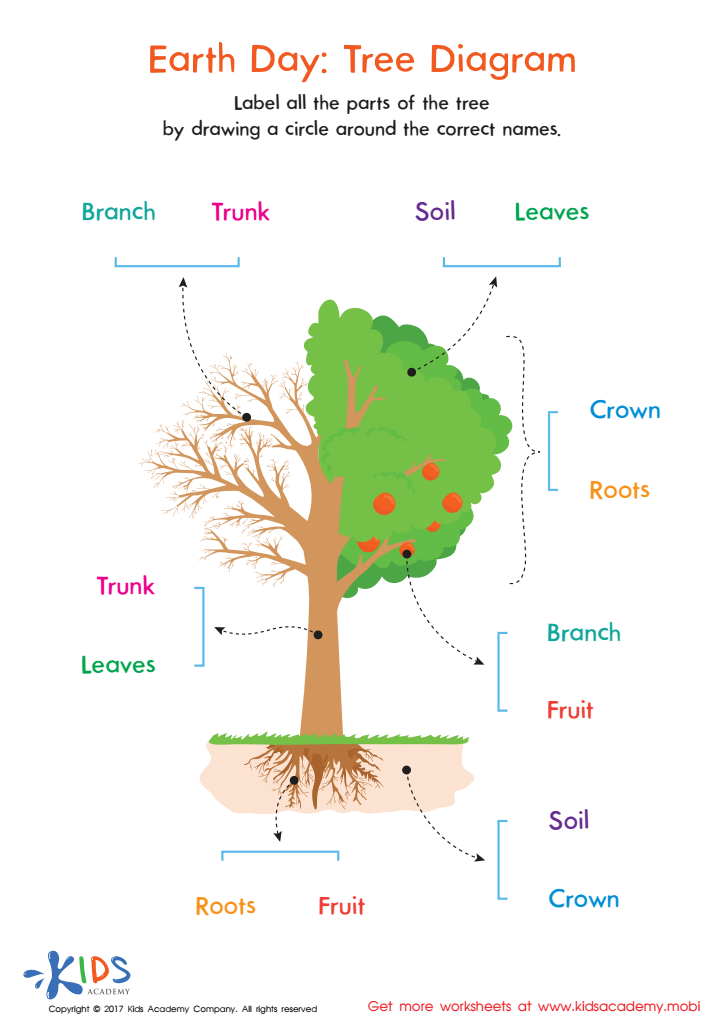
Earth Day: Tree Diagram Worksheet
 Assign to My Students
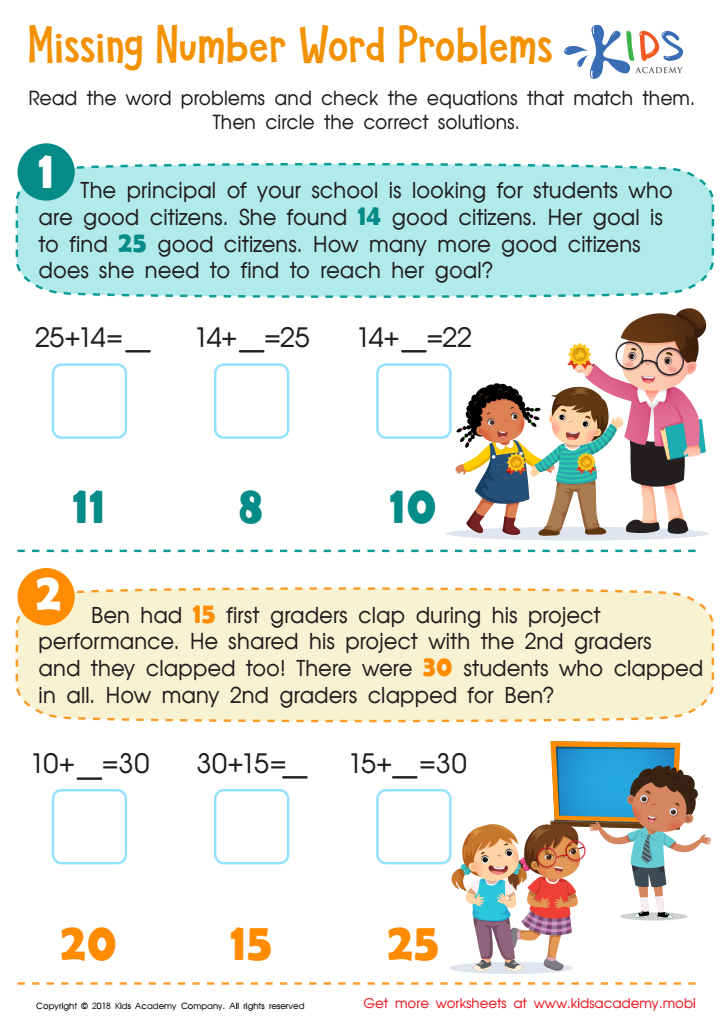
Missing Number Word Problems Worksheet
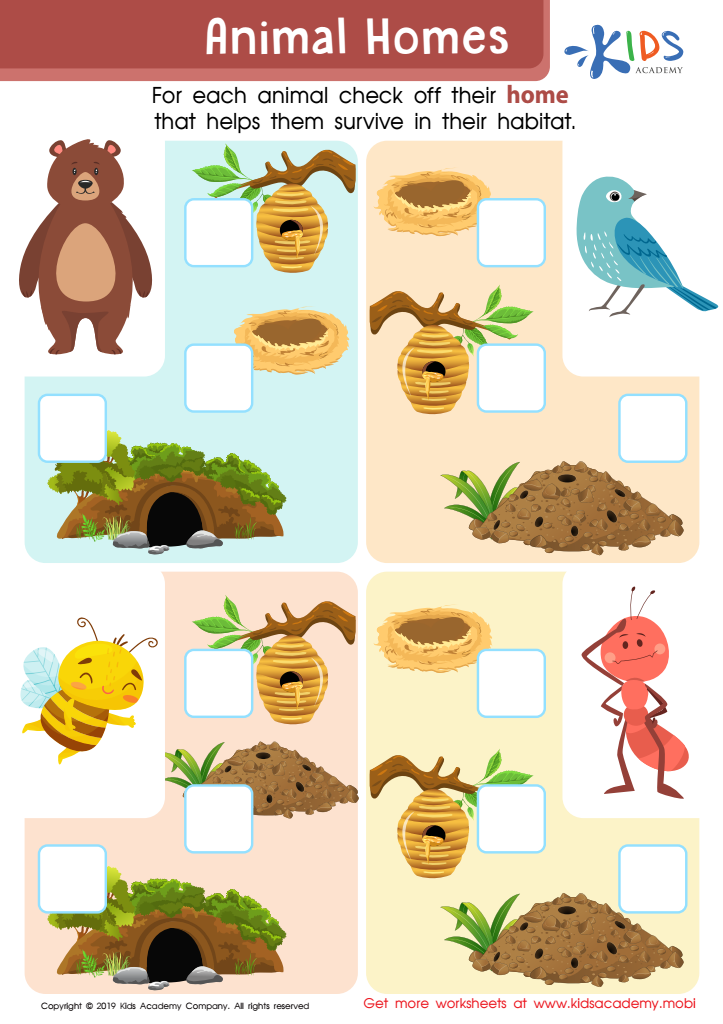
Animal Homes Worksheet
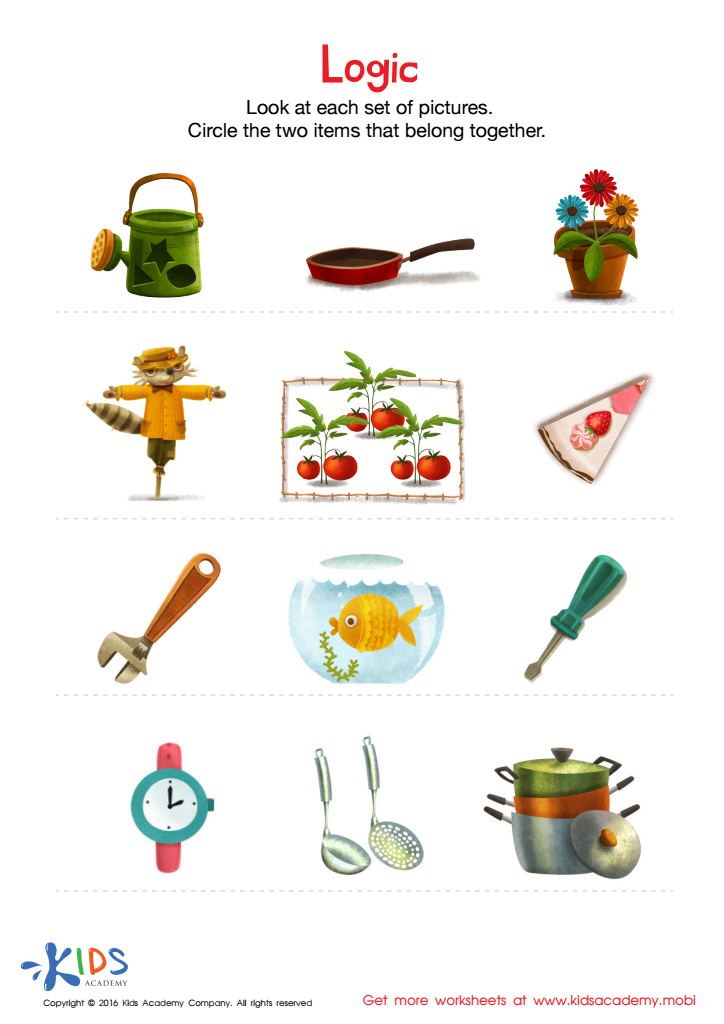
Logic Game Sorting Worksheet

Sudoku Worksheet








Logical reasoning skills are crucial for children ages 3-7, as they form the foundation for critical thinking and problem-solving abilities that will benefit them throughout their lives. During these formative years, children are rapidly developing cognitive skills, and fostering logical reasoning can enhance their ability to understand concepts, categorize information, and make connections between ideas.
Developing these skills early helps kids approach challenges with confidence. Children learn to identify patterns, make predictions, and think sequentially, which enriches their understanding of mathematics, science, and language. For instance, engaging in activities like puzzles, sorting games, or simple sequential storytelling not only fosters fun but also encourages analytical thinking.
Furthermore, strong logical reasoning promotes better decision-making and social interactions as children navigate relationships and rules within play. When educators and parents emphasize these skills through playful learning and structured activities, they are laying the groundwork for future academic success and resilience.
In summary, prioritizing logical reasoning in early childhood education cultivates inquisitive minds, prepares children for academic challenges, and nurtures essential life skills that will help them navigate their world effectively. Investing in these capabilities in toddlers and preschoolers is vital for holistic development and lifelong learning.








