Mental arithmetic Worksheets for Ages 3-7
6 filtered results
-
From - To
Discover our engaging Mental Arithmetic Worksheets designed specifically for children aged 3-7! These worksheets provide a fun and interactive way for young learners to develop essential math skills, enhance their cognitive abilities, and build a strong foundation for future mathematics. With colorful illustrations and age-appropriate activities, toddlers and preschoolers will enjoy practicing addition, subtraction, and number recognition. Our resources promote critical thinking and problem-solving in a playful manner, ensuring that learning is both effective and enjoyable. Perfect for use at home or in the classroom, these worksheets make mastering mental arithmetic a delightful adventure for early learners!
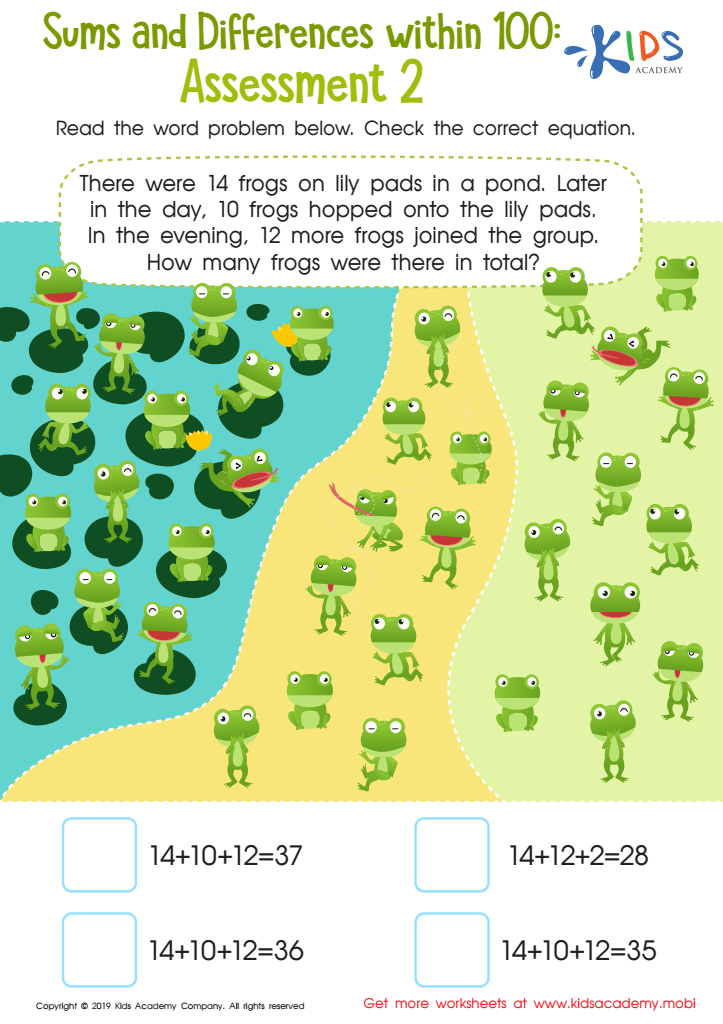
Sums and Differences Within 1 - Assessment 2 Worksheet
 Assign to My Students
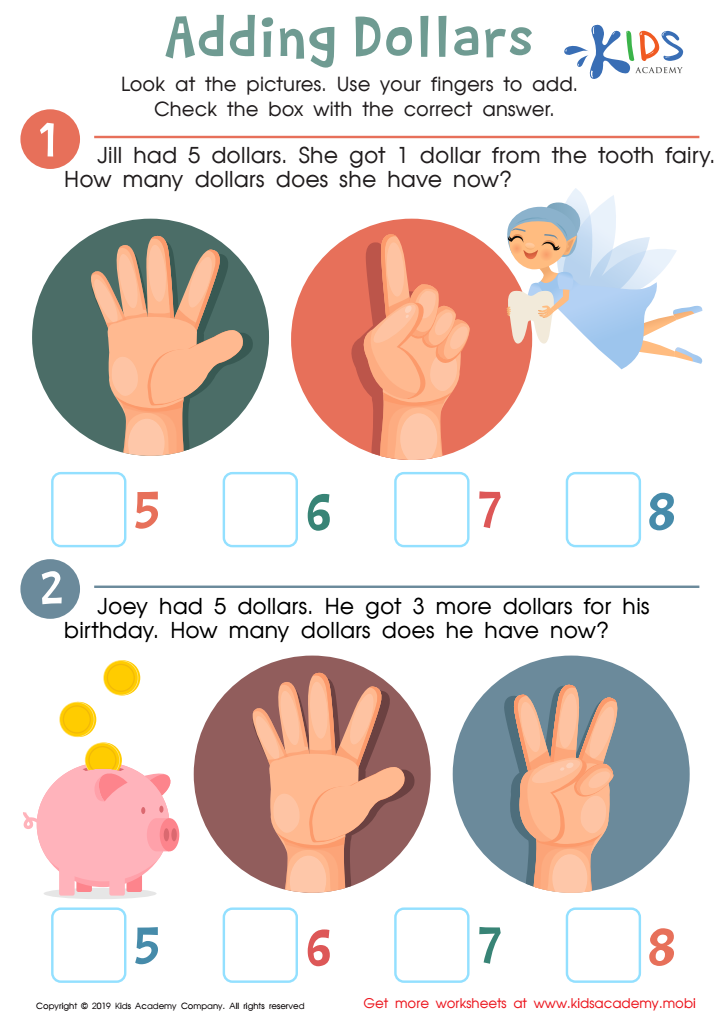
Tooth Fairy Addition Worksheet
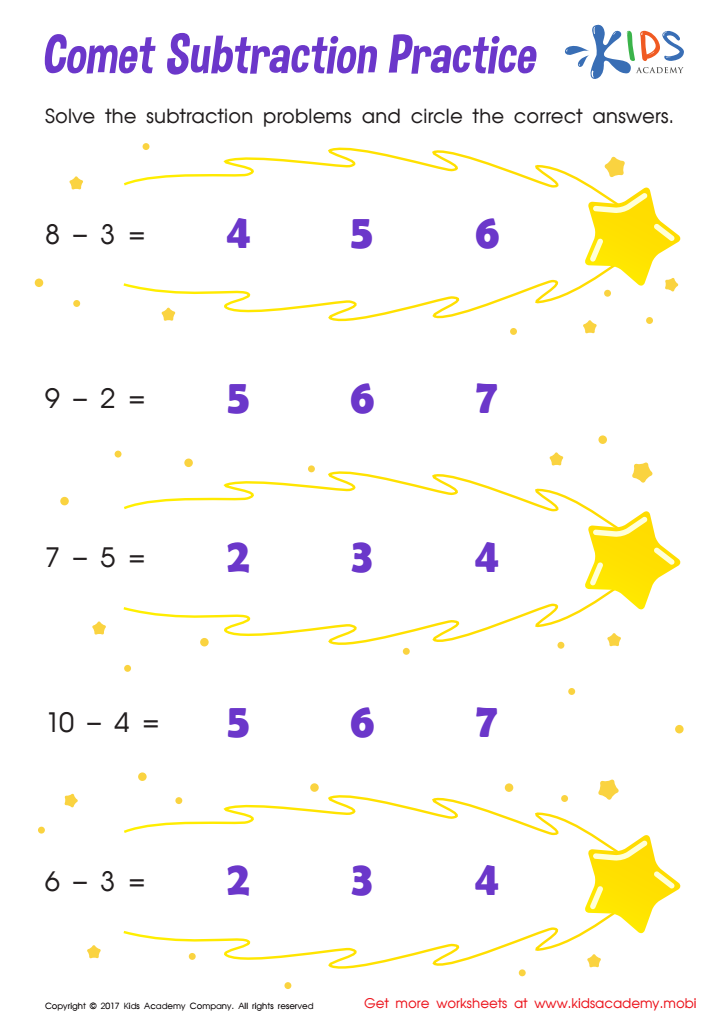
Comet Subtraction Practice Substraction Worksheet
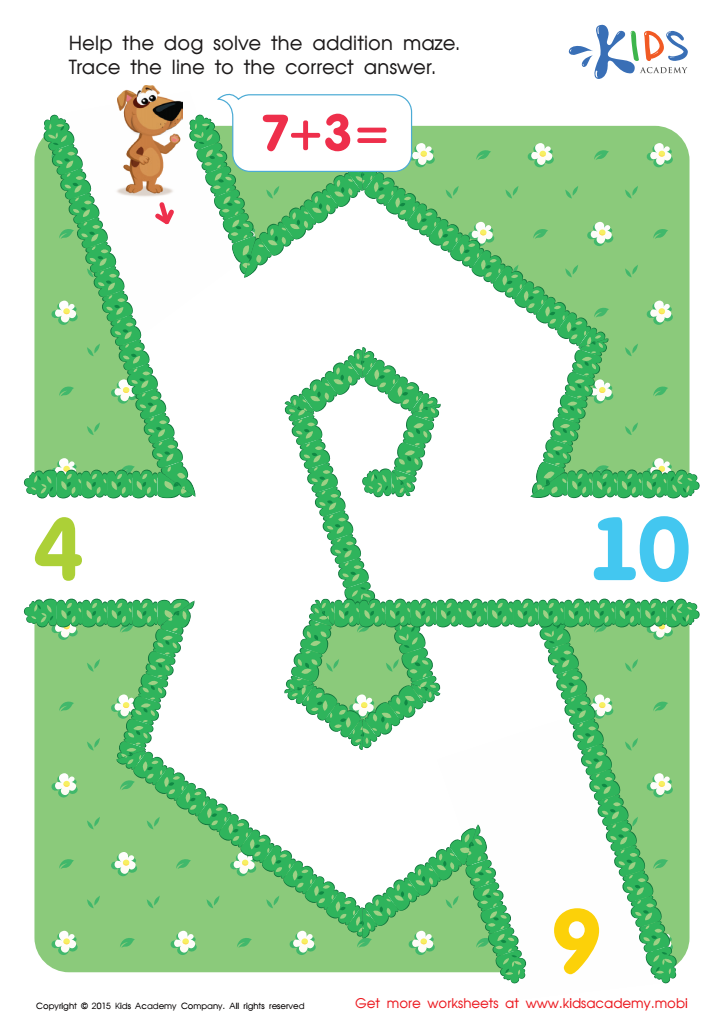
Seven Plus Three Worksheet
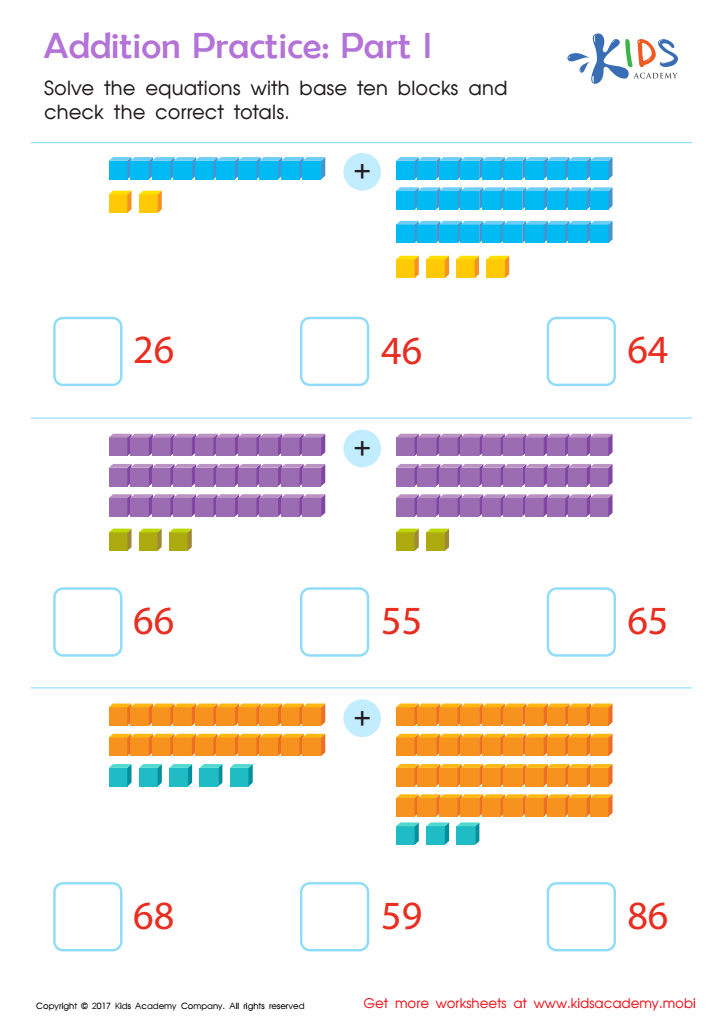
Addition Practice Sheet: Part 1
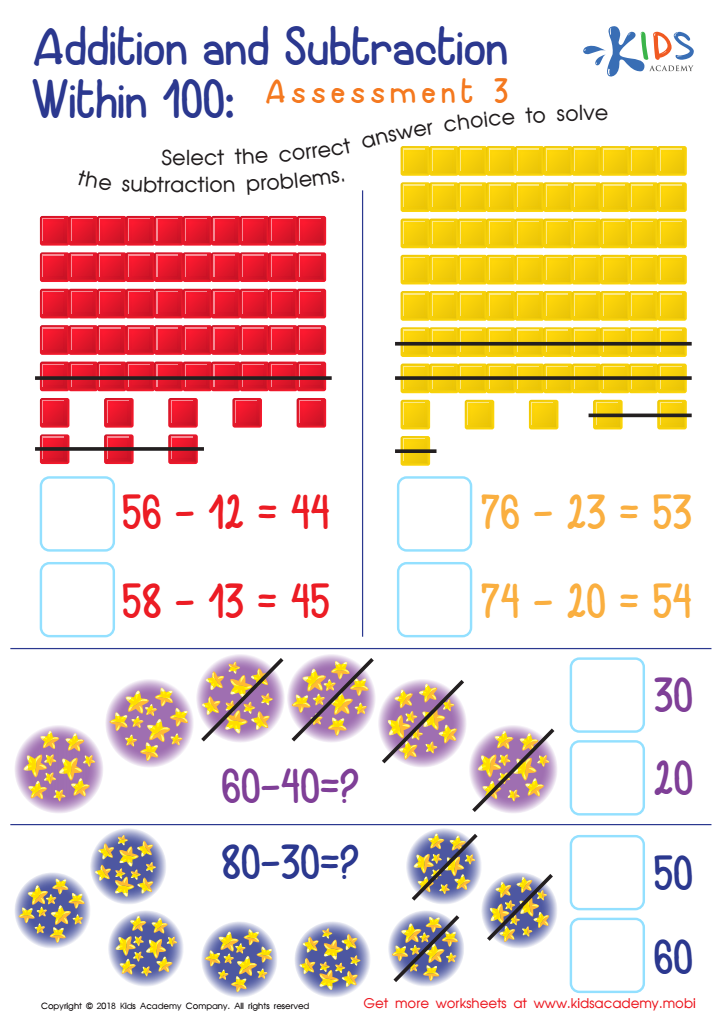
Addition and Subtraction Within 1: Assessment 3 Worksheet







Mental arithmetic is a crucial skill for children aged 3 to 7, as it lays the foundation for their mathematical understanding and problem-solving abilities. During this developmental stage, children are particularly receptive to learning, and engaging them in mental arithmetic can foster a positive attitude towards mathematics. It not only enhances their numerical skills but also builds cognitive capabilities such as memory, concentration, and critical thinking.
Parents and teachers should care about mental arithmetic as it promotes self-confidence in young learners. When children can solve simple problems in their heads, they experience a sense of accomplishment, helping them develop a growth mindset. Additionally, mental math encourages quick thinking, which is essential in everyday situations and more complex mathematical concepts in later years.
Moreover, integrating mental arithmetic into playful and engaging activities can make learning enjoyable, enhancing overall educational experiences. This approach nurtures curiosity and creativity while ensuring that children remain eager to learn. By prioritizing mental arithmetic, parents and teachers set the stage for long-term academic success and equip children with the tools necessary for future learning, ultimately helping them thrive in school and beyond.








