Phonics development Worksheets for Ages 3-7
5 filtered results
-
From - To
Unlock your child's reading potential with our engaging Phonics Development Worksheets for Ages 3-7! Our thoughtfully designed resources help young learners master essential phonics skills through fun and interactive activities. From letter recognition to blending sounds, these worksheets provide a solid foundation for early reading success. Tailored for little learners, each activity promotes phonemic awareness while keeping kids entertained. Perfect for both home and classroom use, our printable worksheets make learning to read an enjoyable adventure. Equip your child with essential literacy skills that will last a lifetime! Dive into our collection today and watch your child flourish in their reading journey!
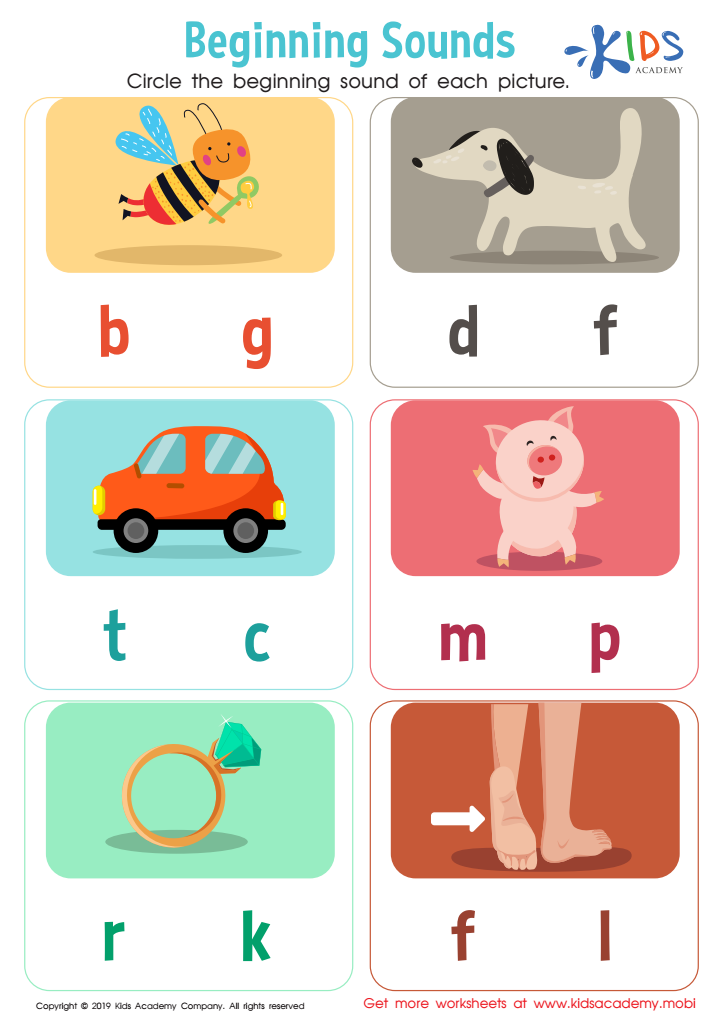
Beginning Sounds Worksheet
 Assign to My Students
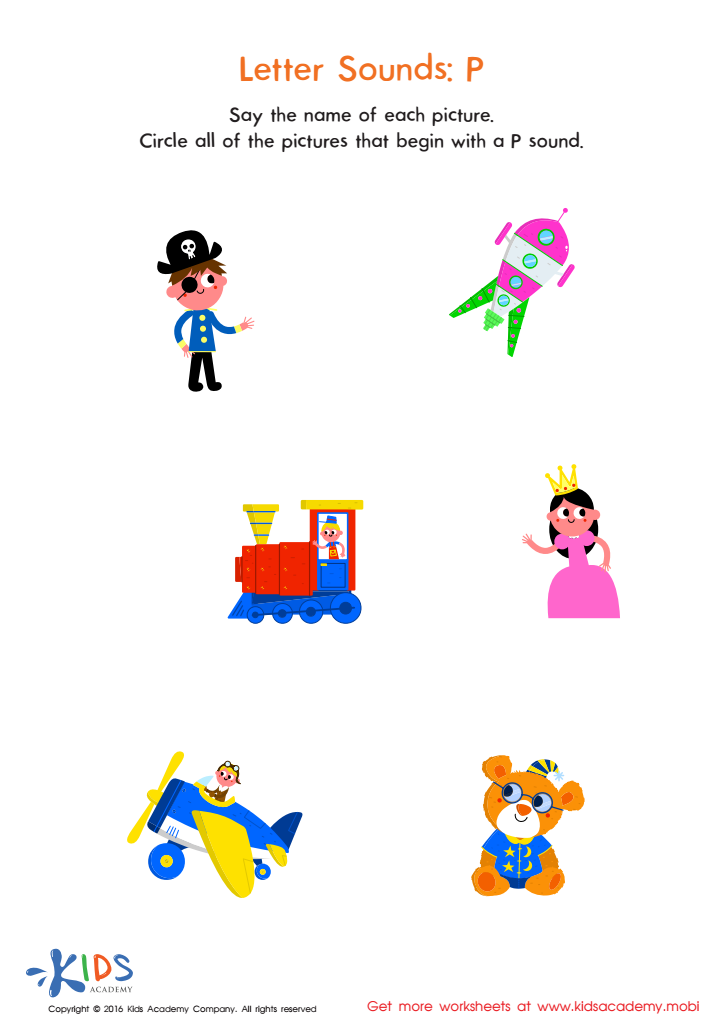
Letter P Sound Worksheet
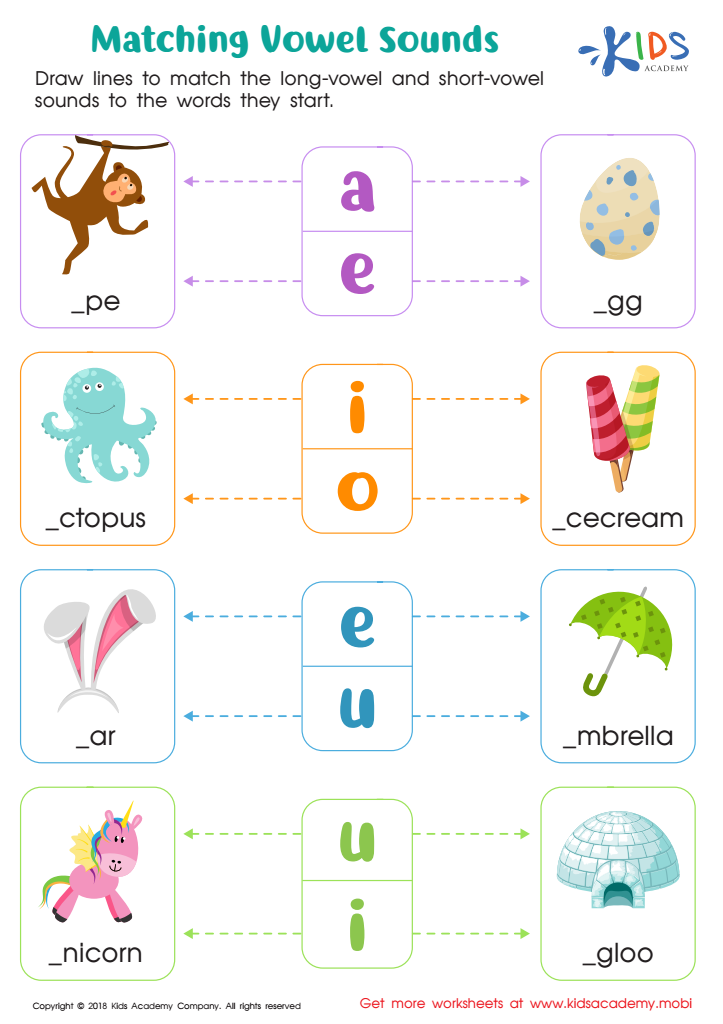
Matching Vowel Sounds Worksheet
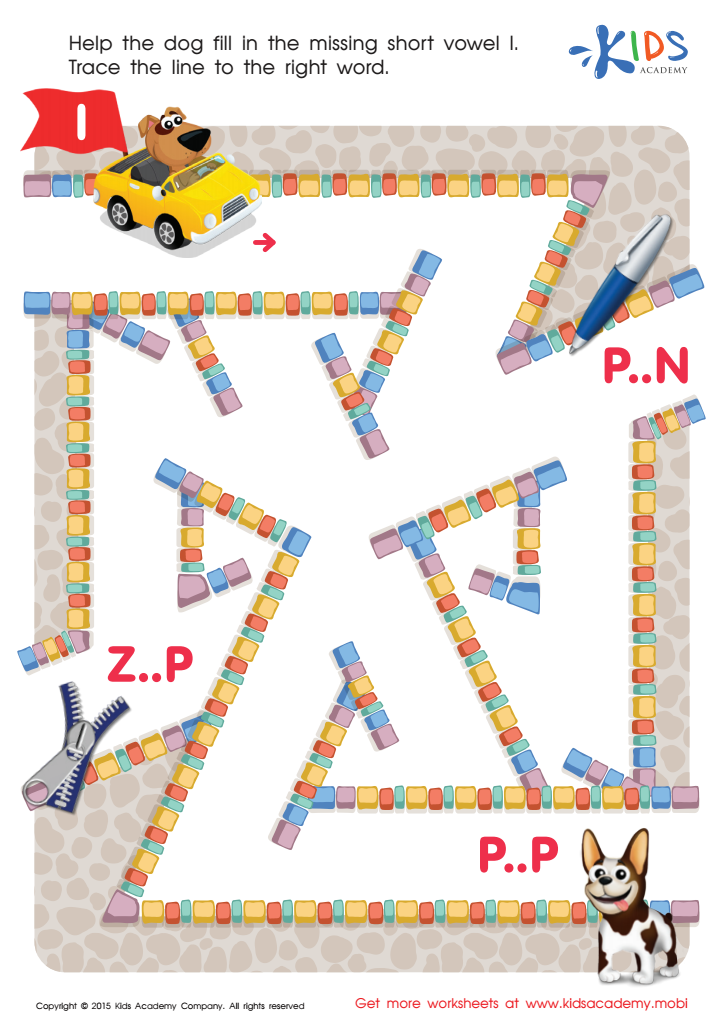
Short Vowel Sound I Worksheet
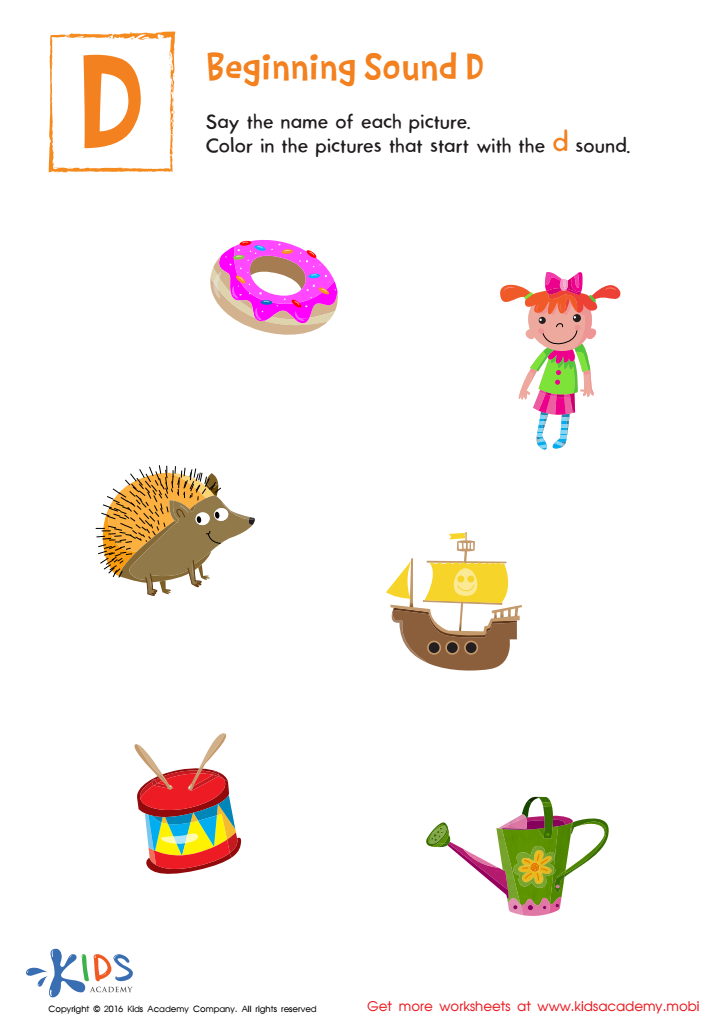
Beginning Sound D Worksheet


.jpg)

.jpg)
.jpg)


Phonics development is crucial for children aged 3-7 because it lays the foundational skills for reading and writing. During this critical period, children develop letter-sound relationships that enable them to decode words effectively. Mastering phonics enhances their confidence in reading, which is essential for academic success.
When parents and teachers focus on phonics, they actively contribute to children's literacy skills. Understanding sounds helps with spelling and writing, promoting clear communication. Additionally, proficient phonics skills allow children to engage with texts more independently, nurturing a lifelong love for reading.
Moreover, early phonics instruction is linked to improved vocabulary acquisition and comprehension skills. Children who master phonics tend to perform better across all subjects, as reading is integral to learning. Furthermore, phonics can help identify children who may struggle with reading early on, allowing for timely intervention to address potential learning difficulties.
In essence, prioritizing phonics development during these formative years is vital; it equips children with the necessary tools for effective communication, enhances cognitive skills, and fosters a strong foundation for lifelong literacy and learning. This investment in early education yields significant benefits for both children’s personal and academic growth.








