Practice addition Worksheets for Ages 3-7
8 filtered results
-
From - To
Unlock your child's mathematical potential with our Practice Addition Worksheets for ages 3-7! Aimed at fostering foundational arithmetic skills, these interactive worksheets feature engaging exercises to make learning fun and effective. From counting objects to simple additions, each activity is tailored to boost confidence and make numbers delightful companions. Perfect for early learners, our worksheets are designed to fit seamlessly into both classroom and home settings. Empower your young learner with the tools they need to excel. Start their journey towards math mastery today with our comprehensive and entertaining addition worksheets!
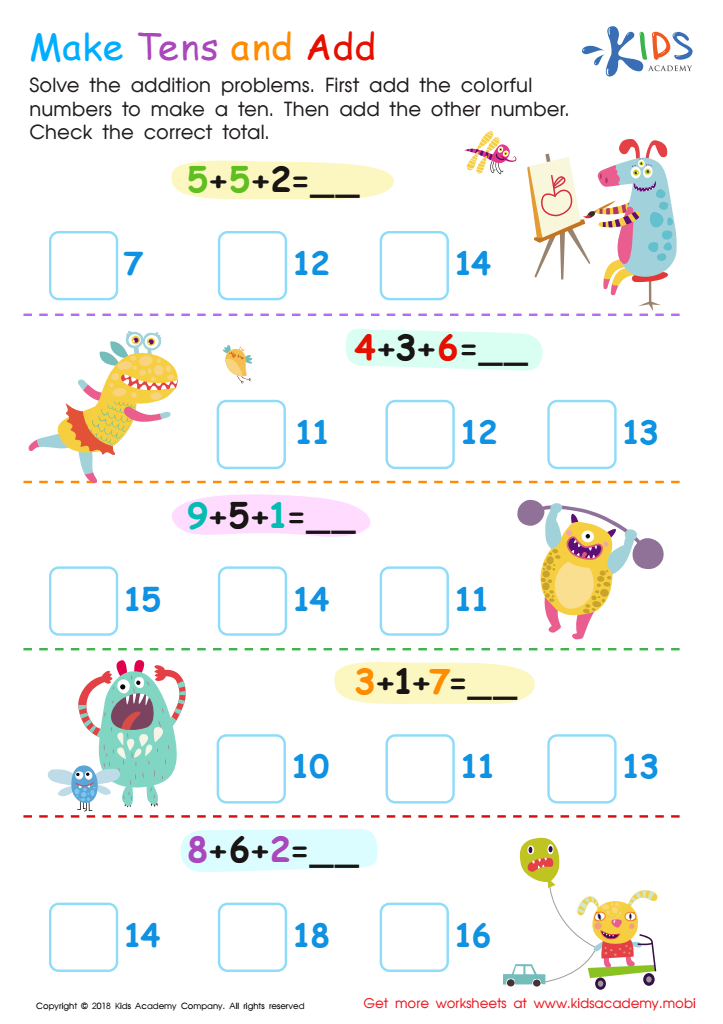
Make Tens and Add Worksheet
 Assign to My Students
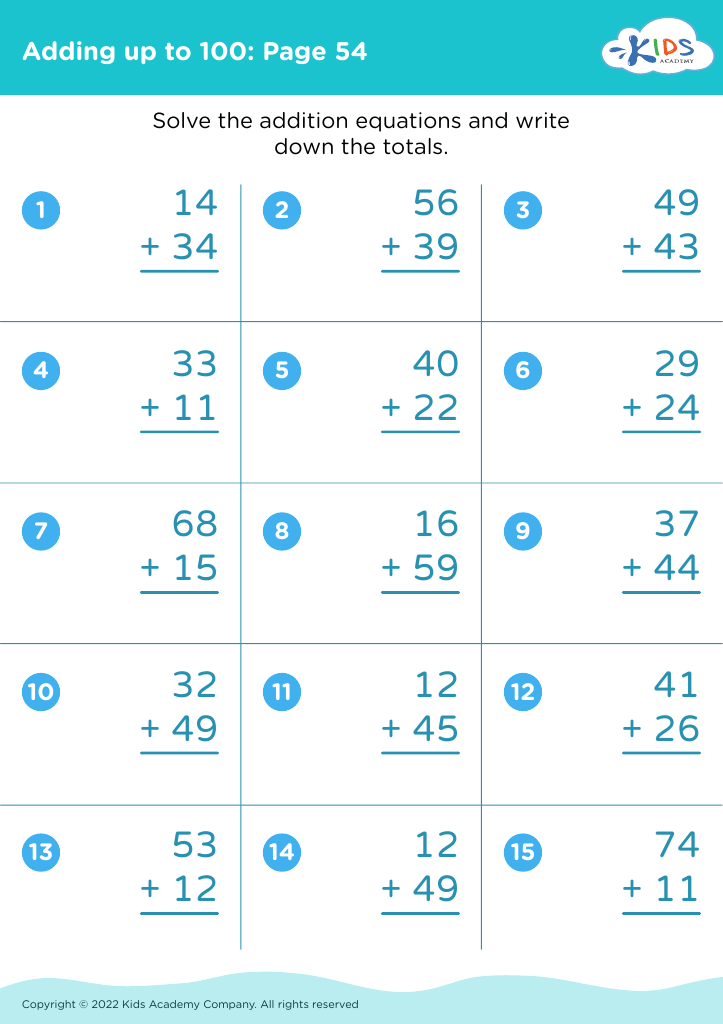
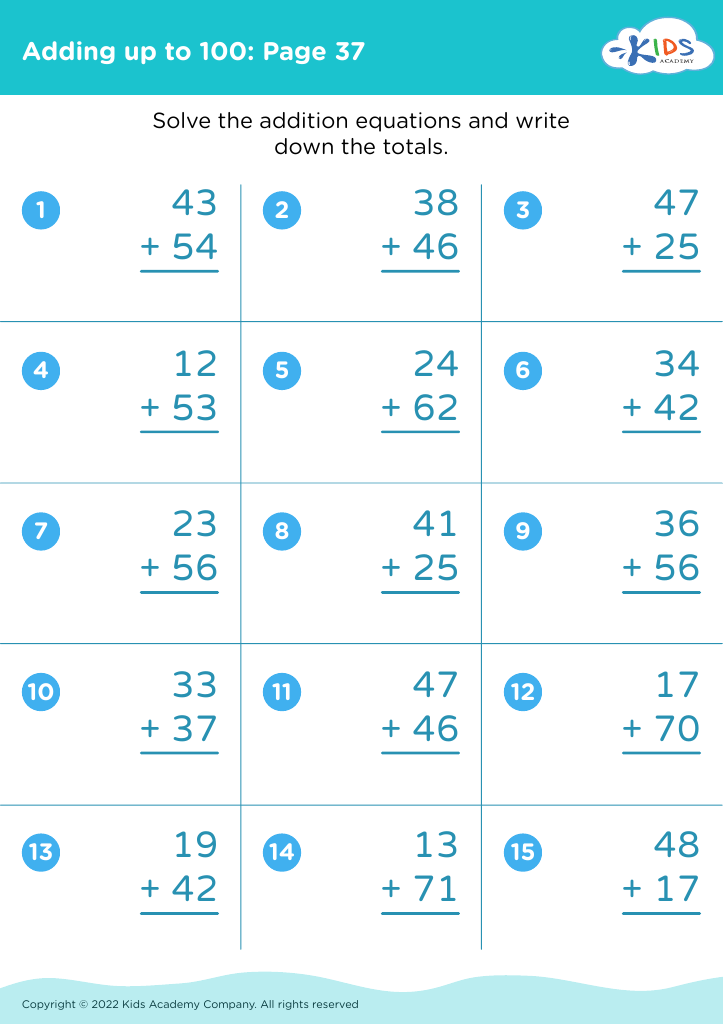
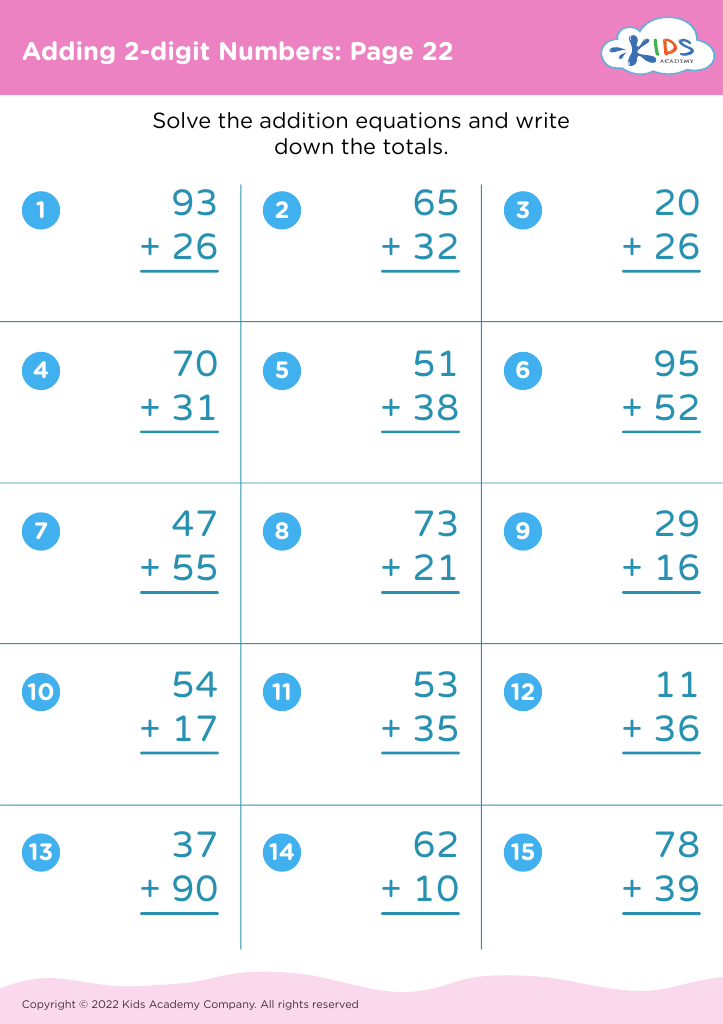
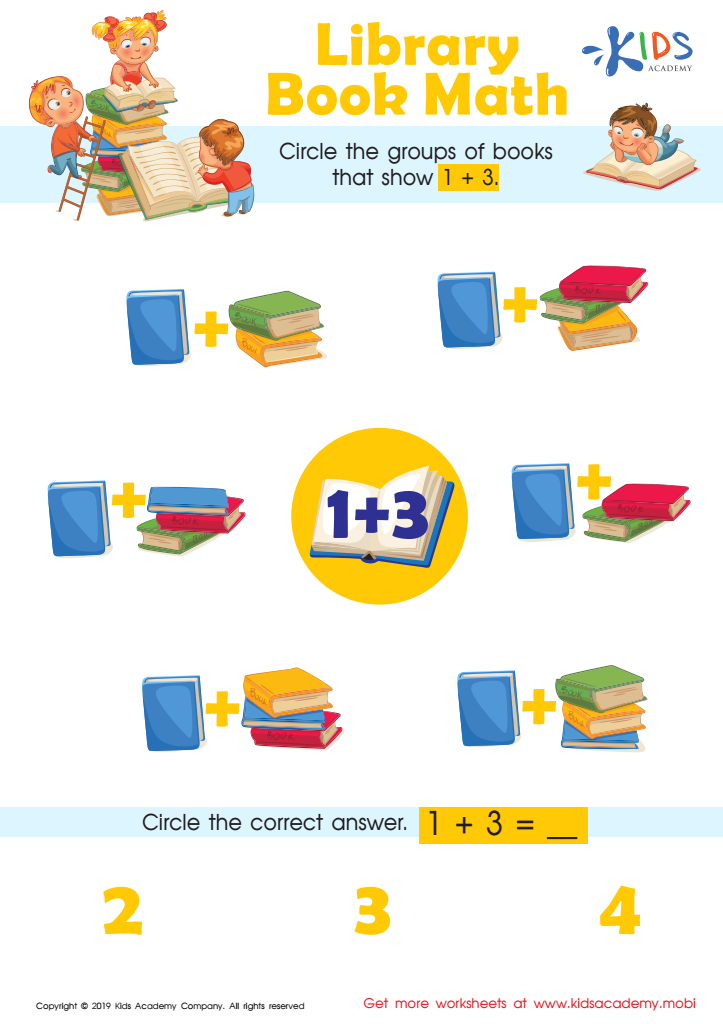
Library Book Math Worksheet
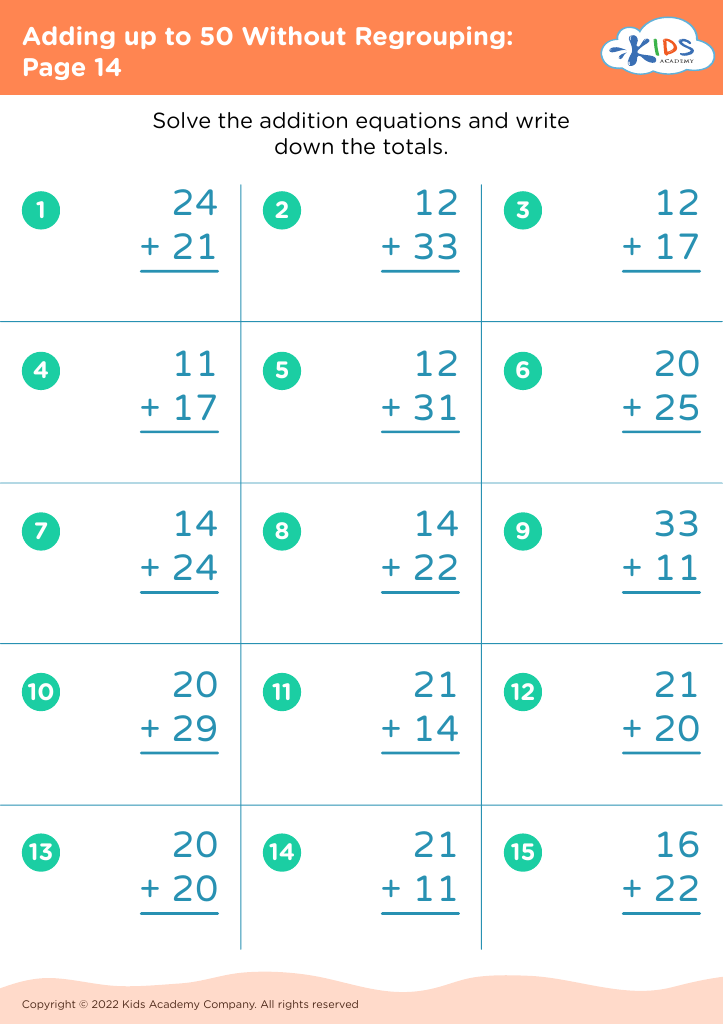
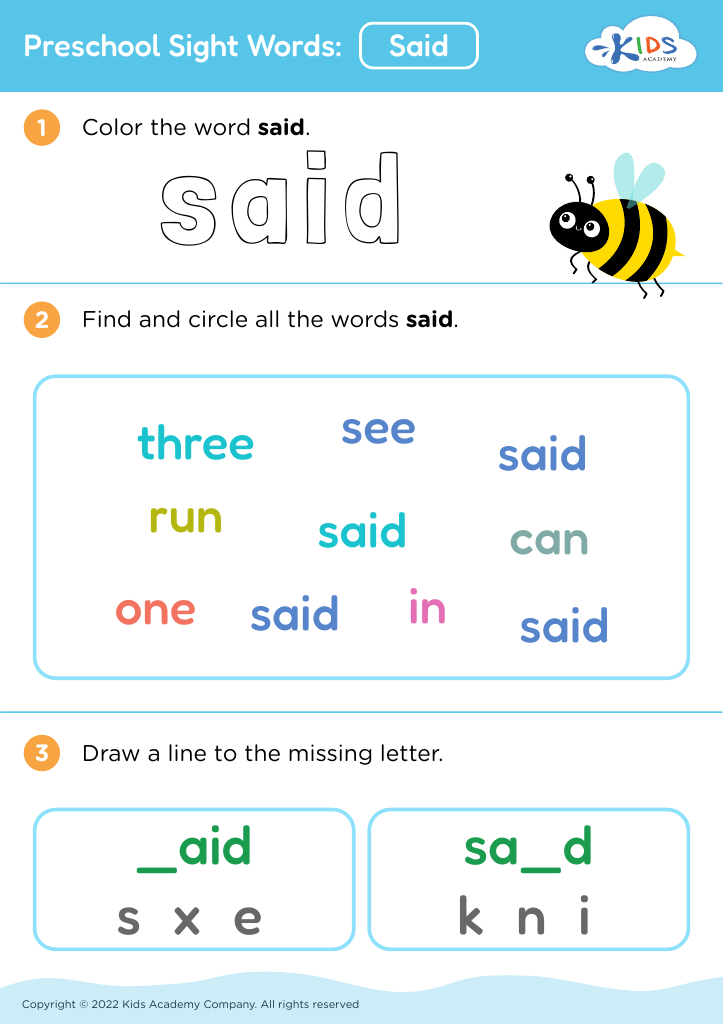
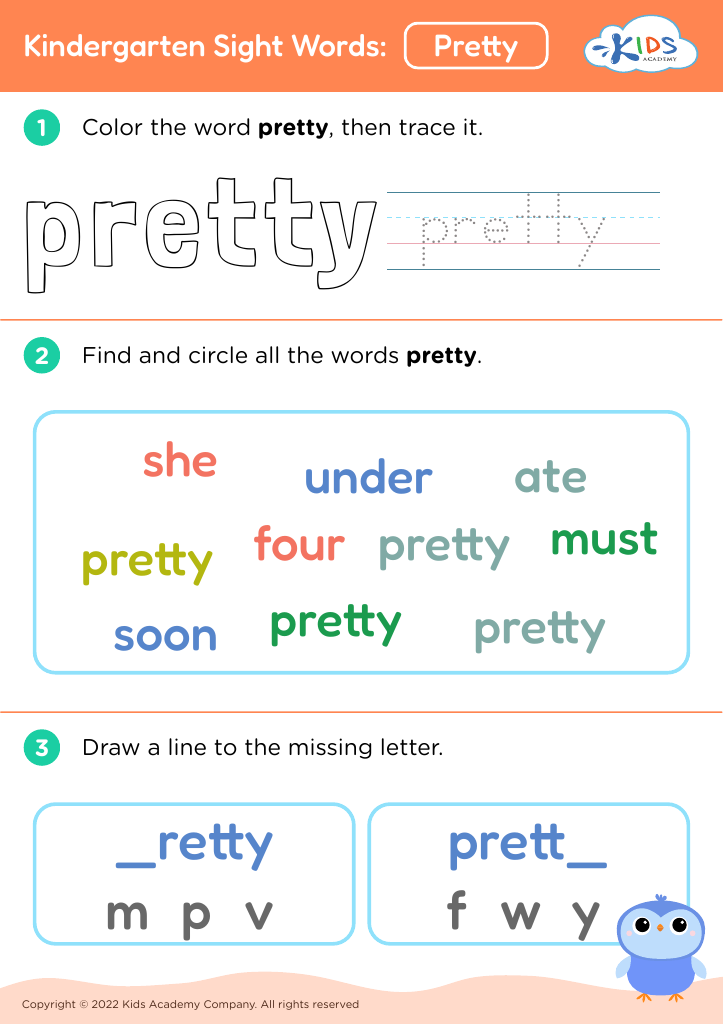







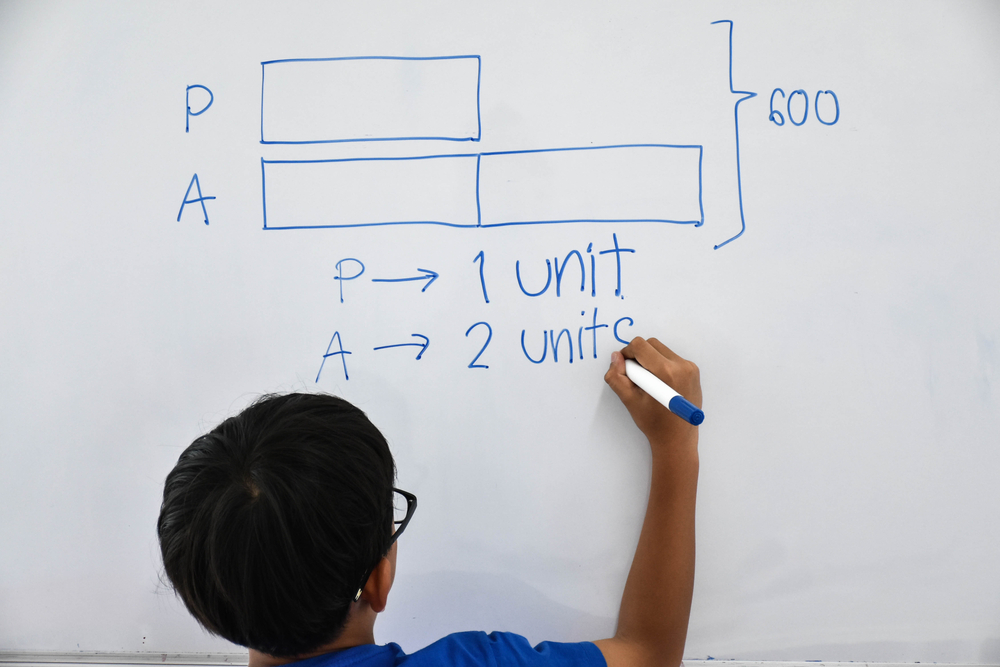
Introducing practice addition to children aged 3-7 is pivotal for several reasons, benefiting both their immediate and long-term educational development. First, early math skills form the foundation for future mathematical learning, making complex later concepts more comprehensible and manageable. Establishing a strong number sense through addition aids in understanding broader math principles, including subtraction, multiplication, and division.
Practicing addition reinforces critical cognitive skills, such as memory, patterns, and logical reasoning. These mental exercises improve overall brain function and can translate into enhanced performance in other academic areas. Moreover, mastering addition at an early age boosts a child's confidence. Achieving small, incremental successes fosters a positive attitude toward learning and builds self-esteem.
Addition practice also involves counting, number manipulation, and problem-solving—all activities that strengthen fine motor skills, patience, and concentration. These skills are essential not only for academics but also for everyday tasks and decision-making.
For parents and teachers, incorporating playful and engaging addition activities into daily routines ensures that learning is enjoyable and effective. This holistic approach nurtures a lifelong love of learning and curiosity in children. As early exposure makes math less intimidating, kids are better prepared and more eager to explore other educational challenges in the future.








