Reading analog clocks Worksheets for Ages 3-7
9 filtered results
-
From - To
Discover our engaging "Reading Analog Clocks Worksheets" designed for children aged 3 to 7. These interactive printables make learning to tell time fun and exciting! Our worksheets include colorful visuals and age-appropriate activities that foster essential skills such as number recognition and time-telling. Children will gain confidence as they practice reading hour and minute hands with enjoyable exercises. Perfect for home or classroom use, these resources align with early learning standards. Help your young learners master this vital life skill with ease and enthusiasm by exploring our thoughtfully created worksheets today! Start their journey to clock-reading talent now!
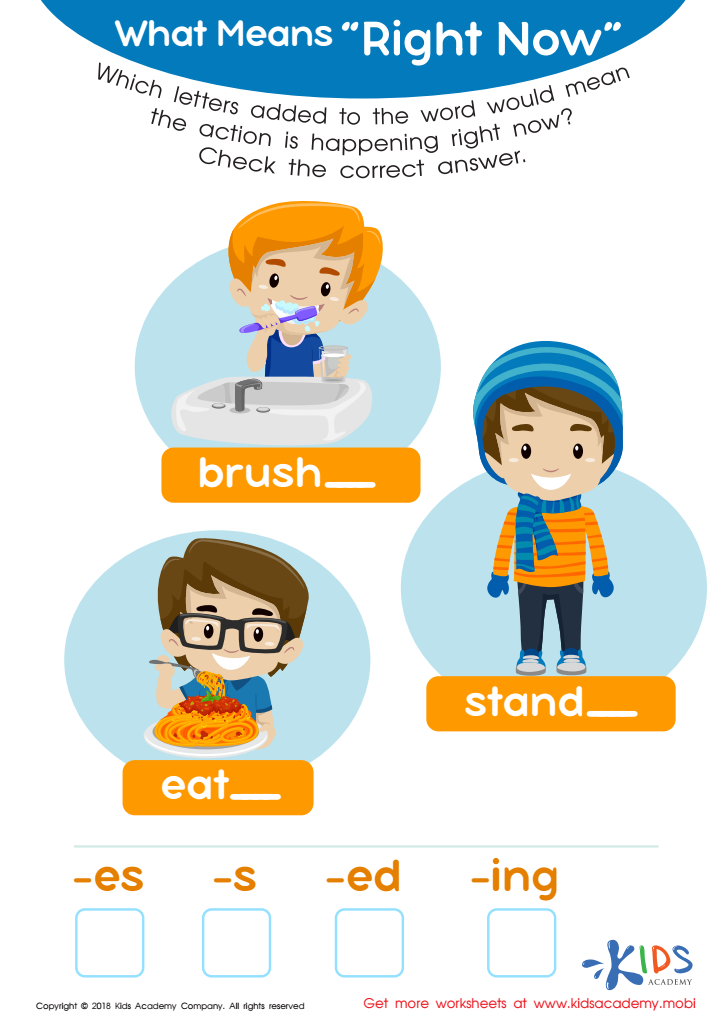
What Means "Right Now" Worksheet
 Assign to My Students
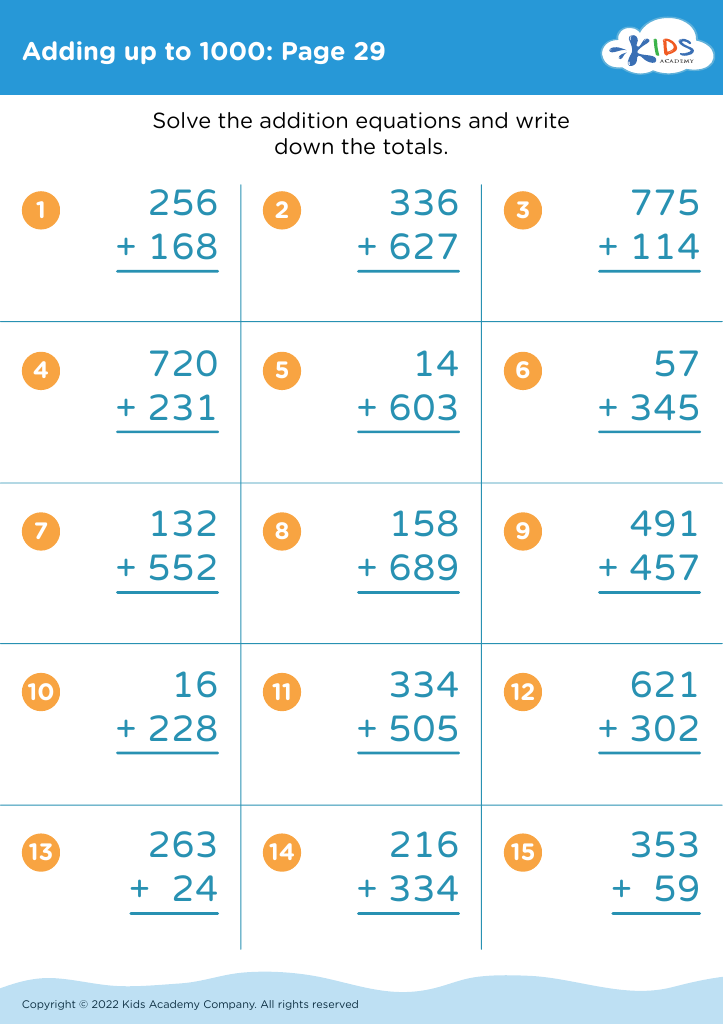
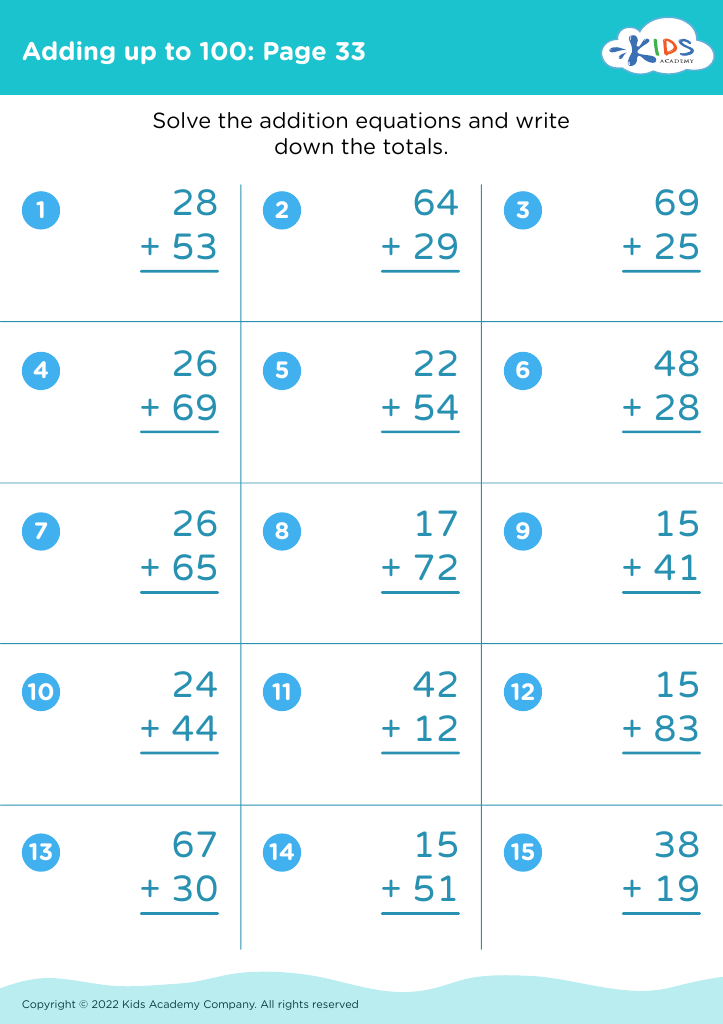
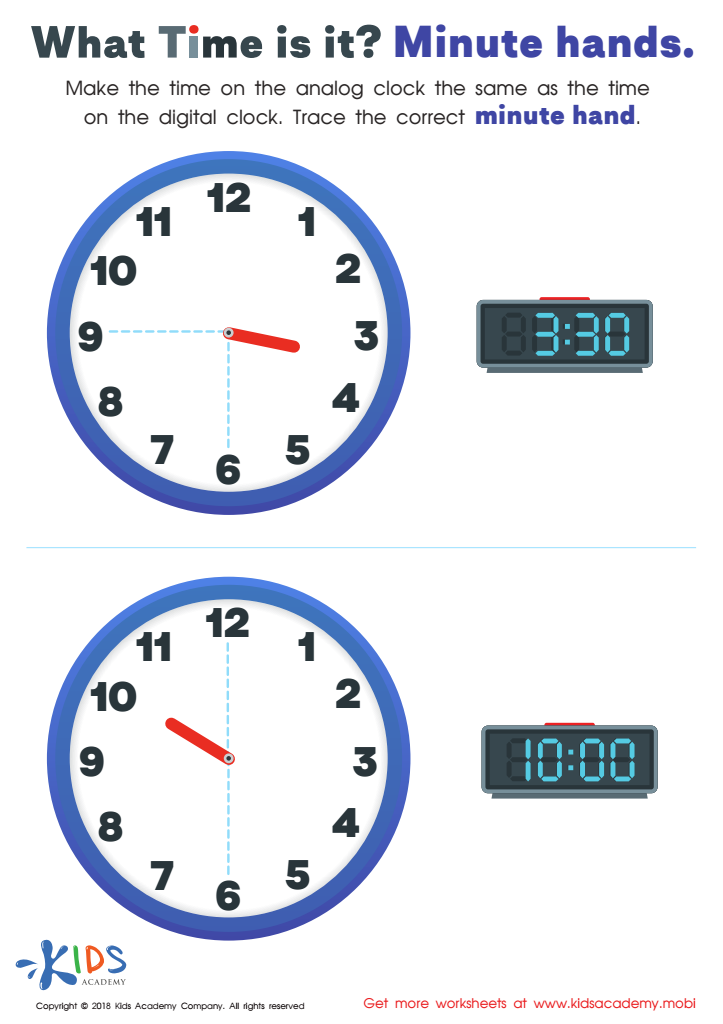
What Time Is it? Minute Hands Worksheet
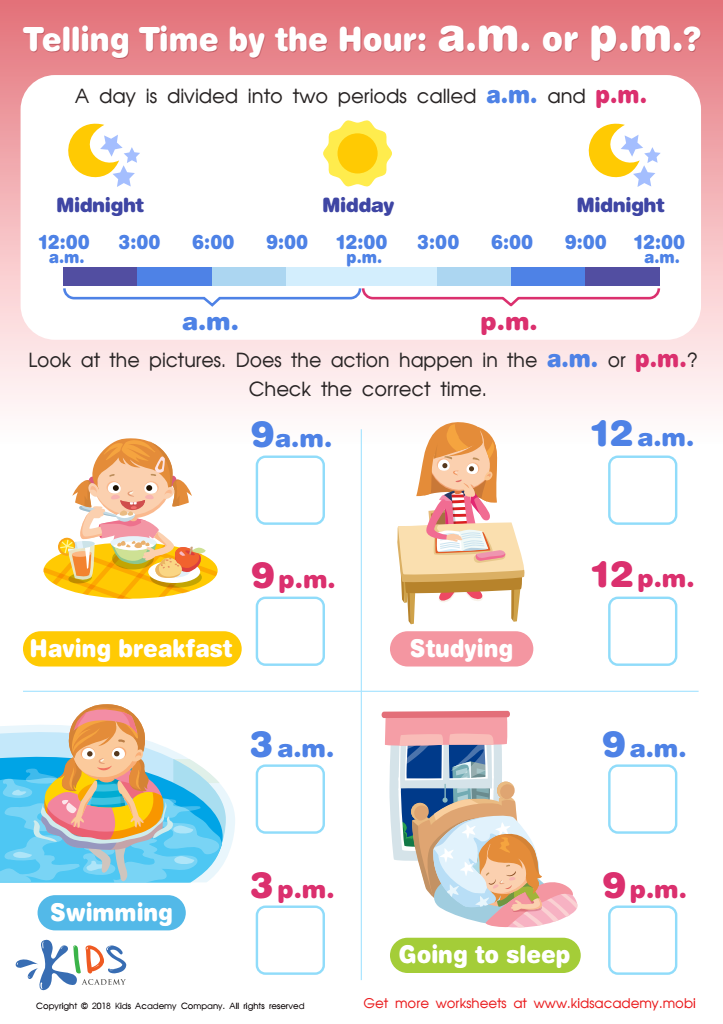
Tilling Time by the Hour: a.m. or p.m.? Worksheet
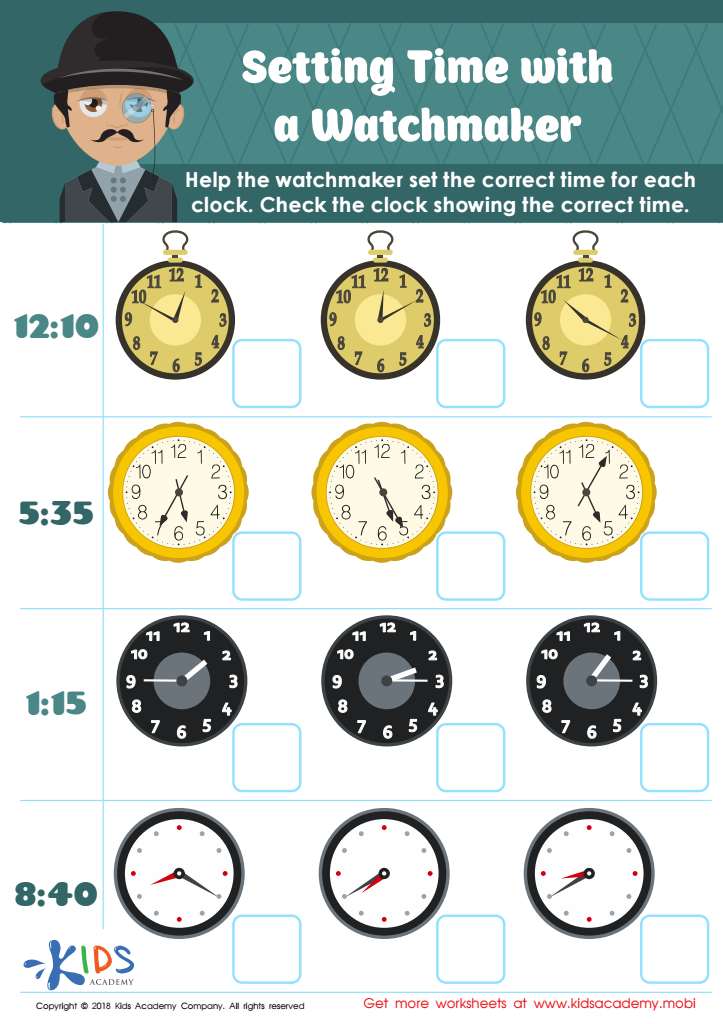
Setting Time with Watchmaker Worksheet
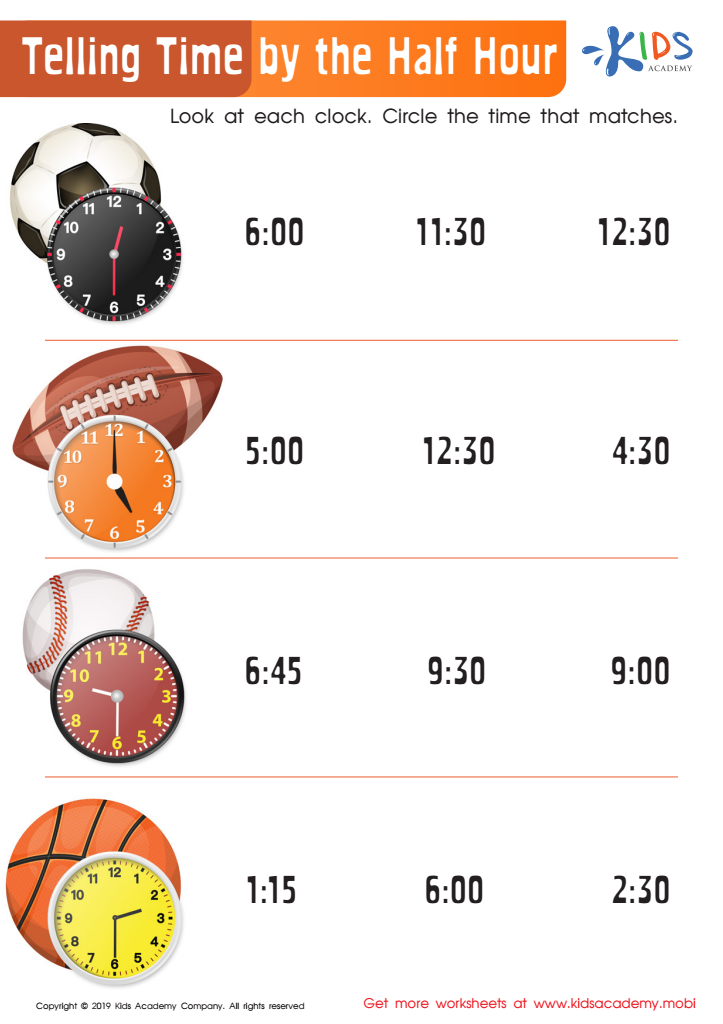
Telling Time by the Half Hour Worksheet








Teaching children aged 3-7 to read analog clocks is vital for several reasons. First, it promotes essential time-management skills, helping kids understand the concept of time in their daily routines, such as school schedules, meal times, and bedtime. This understanding fosters independence and responsibility as children learn to manage their activities accordingly.
Furthermore, reading analog clocks enhances cognitive development. It engages critical thinking and problem-solving skills as children simplify time intervals and relate them to their everyday experiences, such as counting hours and minutes. It also promotes number recognition and reinforces their counting skills, helping with overall numeracy.
Additionally, learning to tell time on an analog clock creates a connection with history and cultural practices, appreciation for traditional methods of keeping time, enriching a child's worldview. It contrasts with digital clocks, ensuring children can adapt to various environments and technology.
Lastly, by involving parents or teachers in this teaching process, it strengthens their relationship with children, promoting interactive learning. In essence, helping children recognize and understand the significance of reading analog clocks contributes to their cognitive, social, and emotional growth, laying a foundation for future learning achievements.








