Reading development Worksheets for Ages 3-7
5 filtered results
-
From - To
Welcome to our Reading Development Worksheets for Ages 3-7! Designed to nurture early literacy skills, these engaging worksheets motivate young learners through fun activities tailored to their developmental stage. Our collection includes a variety of exercises focusing on phonics, vocabulary building, sight words, and reading comprehension, all aimed at helping children develop a love for reading. Suitable for both home and classroom use, these printable resources make learning enjoyable and effective. Whether your child is just beginning to explore letters or ready to tackle simple sentences, our worksheets provide the perfect foundation for their reading journey. Start fostering a lifelong love of reading today!
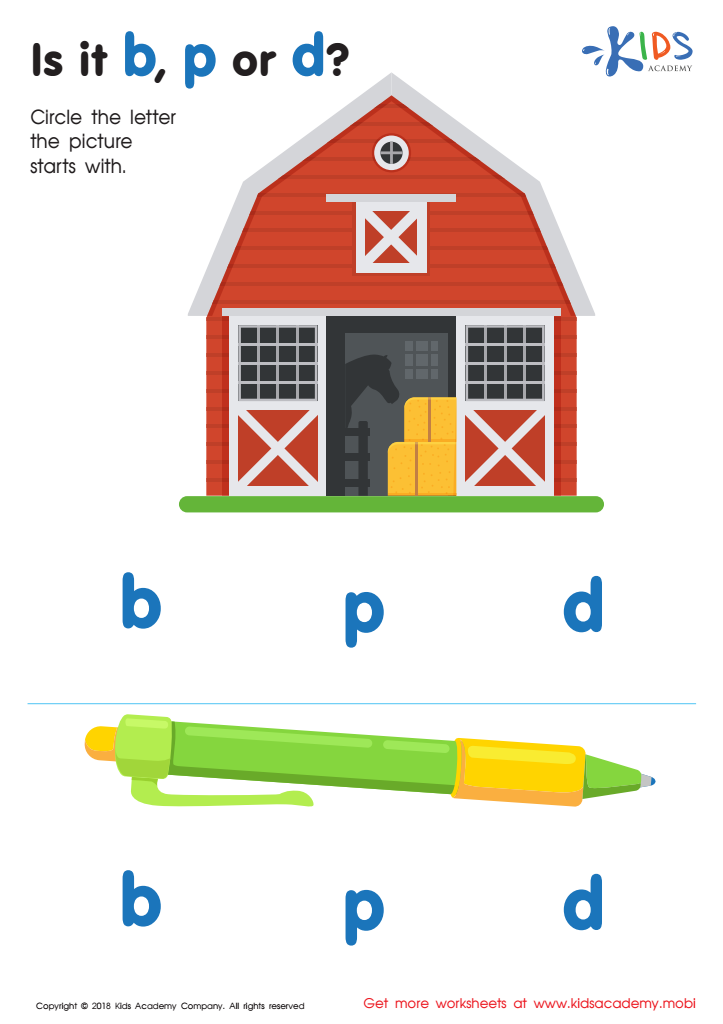
Is it b, p or d? Worksheet
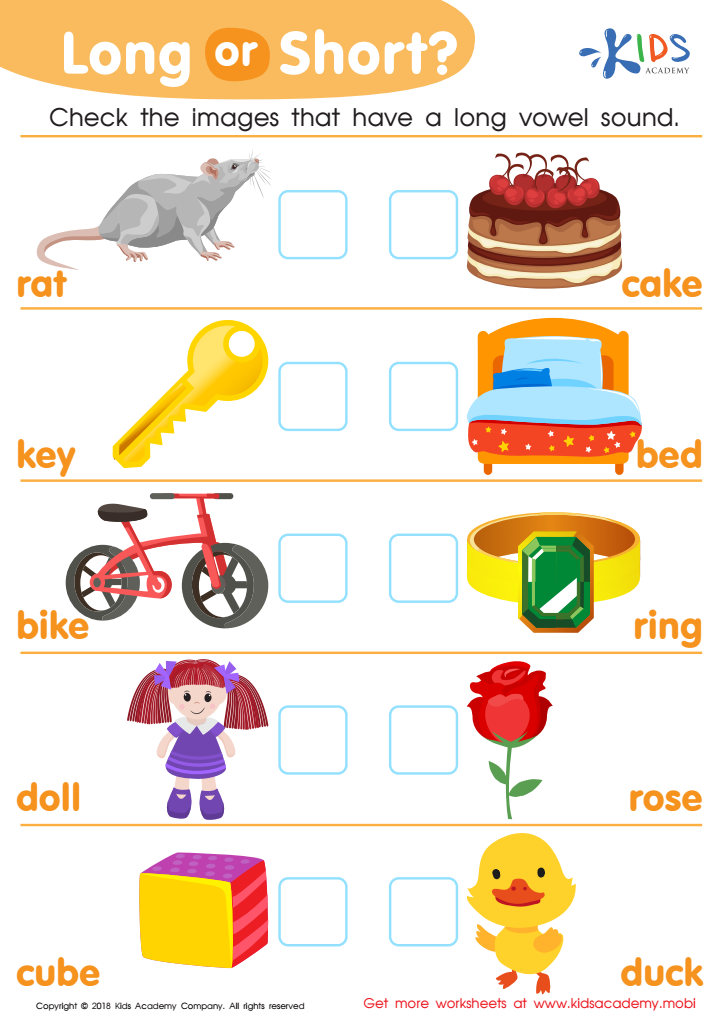
Long or Short Reading Worksheet
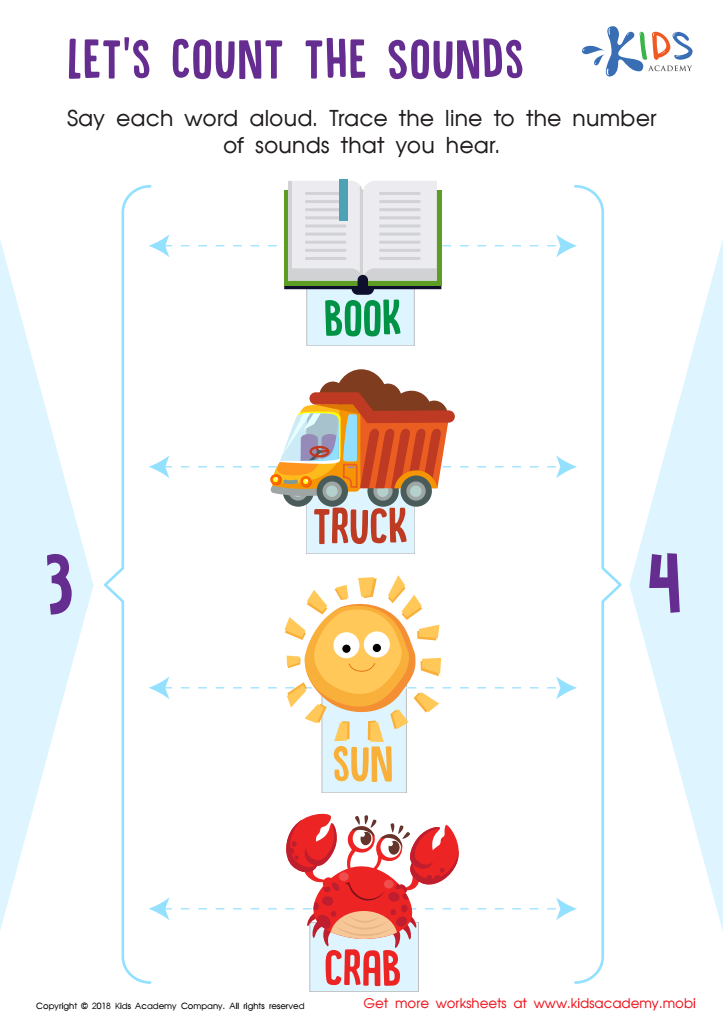
Let's Count the Sounds Worksheet
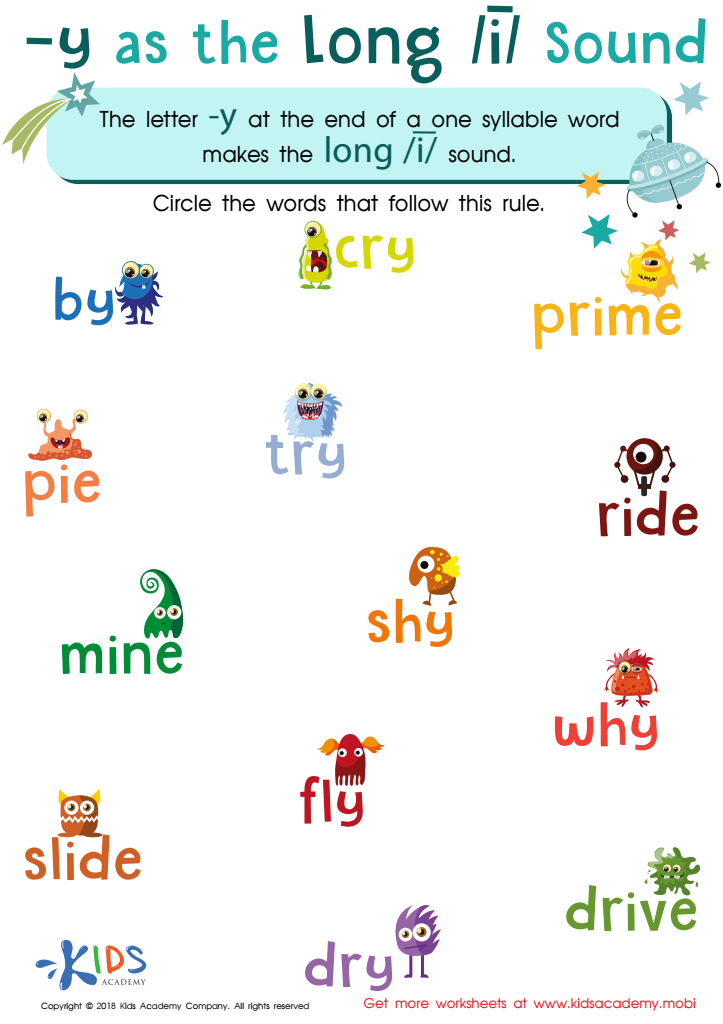
Reading: Y as Long I Worksheet
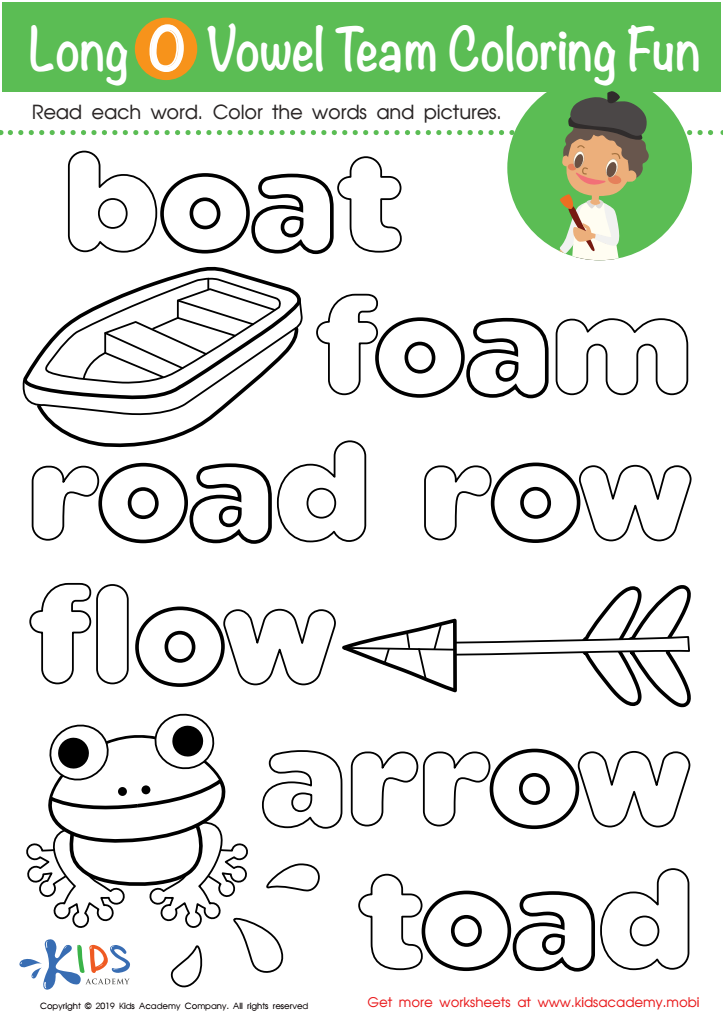
Long O Vowel Team Coloring Worksheet
 Assign to My Students





.jpg)


Reading development in children aged 3 to 7 is crucial for lifelong learning and overall development. At this stage, children are rapidly developing language and literacy skills, which form the foundation for future academic success. Engaging with reading early enhances vocabulary, comprehension, and critical thinking abilities, all of which are essential for navigating school and real-life situations.
Parents and teachers play vital roles in fostering a love for reading and supporting literacy development during these formative years. Research consistently shows that exposure to reading increases cognitive abilities and influences social skills. Children who engage with books are often better equipped to express themselves and understand the perspectives of others.
Moreover, reading development in early childhood is linked to success in later grades. Children who struggle with reading in the early years are at risk of falling behind in their overall academic progress. By cultivating a reading-rich environment, parents and teachers can spark curiosity and imagination, making learning an enjoyable experience.
In summary, prioritizing reading development in young children not only boosts their immediate academic skills but also sets the groundwork for a lifetime of learning, communication, and interpersonal relationships. Encouraging this growth is an investment in the whole child's future.








