Reading thermometers Worksheets for Ages 3-7
3 filtered results
-
From - To
Introduce your young learners to temperature reading with our engaging "Reading Thermometers" worksheets, designed for children aged 3-7. These educational resources make it fun and easy for kids to understand how to read thermometers accurately. Featuring colorful illustrations and simple, interactive exercises, our worksheets help develop essential math and science skills. Perfect for both classroom and at-home learning, they offer a hands-on approach to teaching temperature concepts. Watch your child’s confidence grow as they progress from recognizing basic temperatures to measuring more complex readings. Start your child’s journey to mastering thermometers now with Kids Academy!
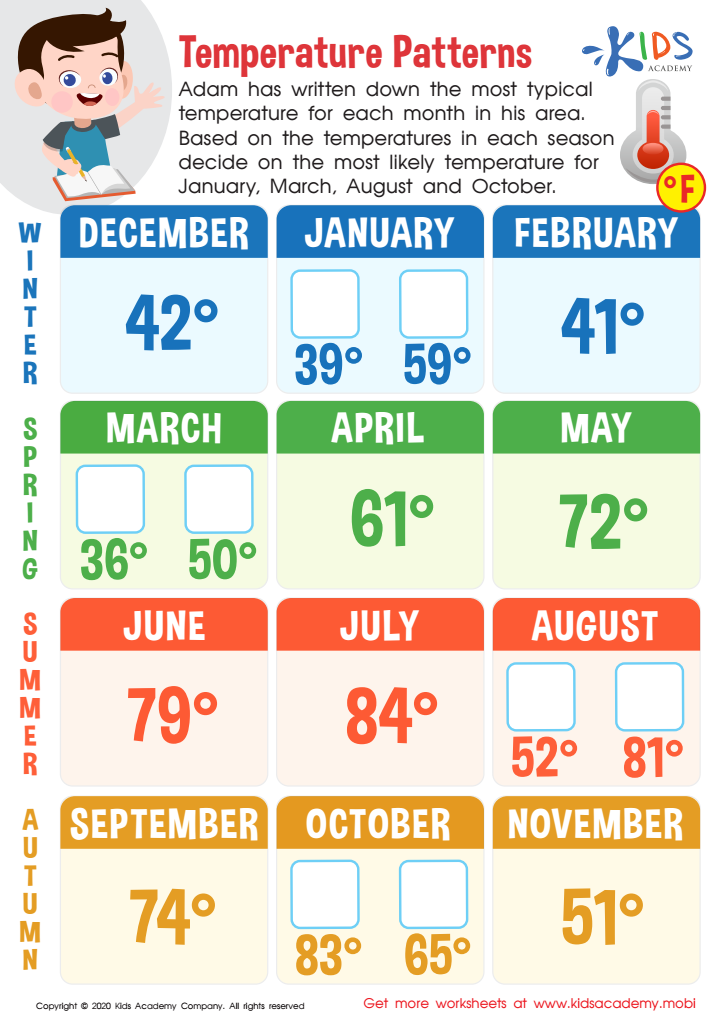
Temperature Patterns Worksheet
 Assign to My Students
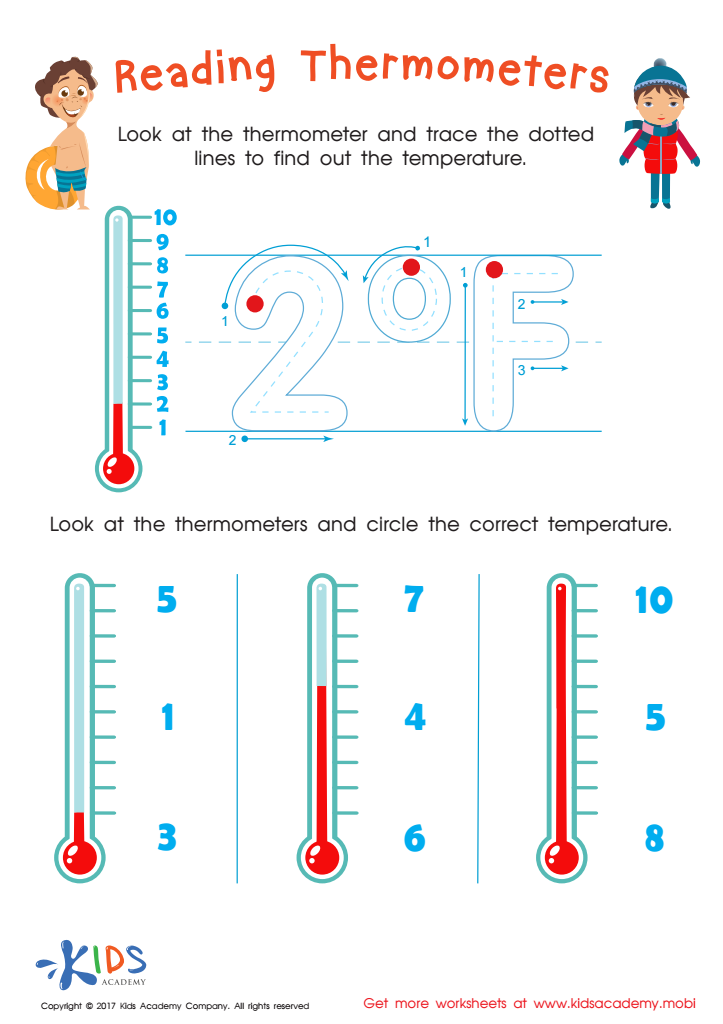
Reading Thermometers Printable
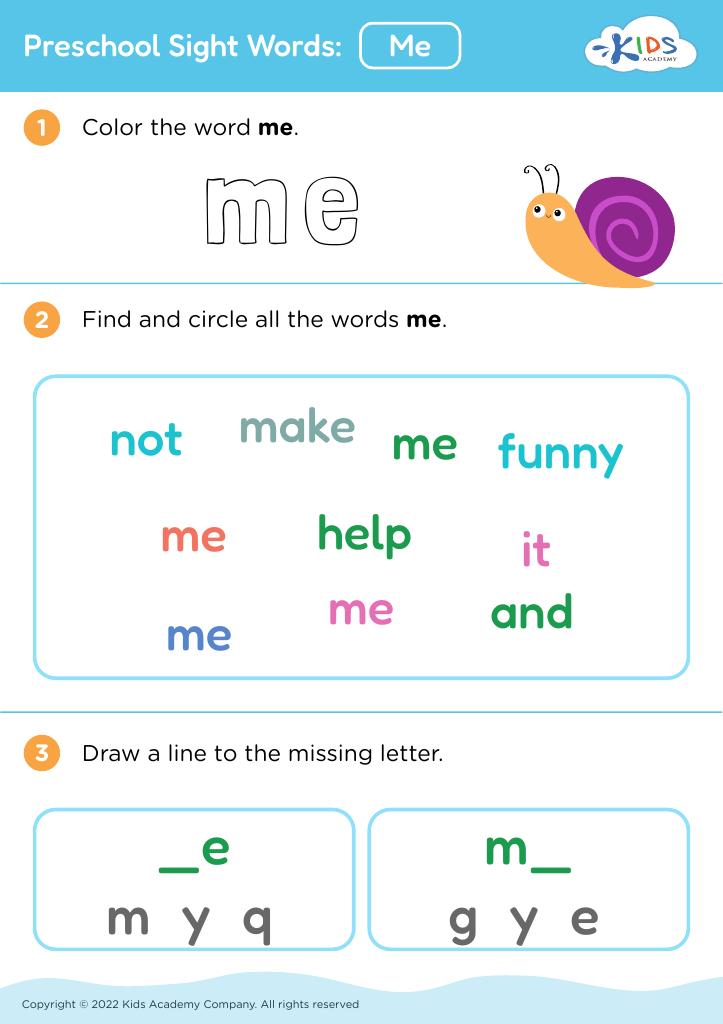





.jpg)

Reading thermometers is an essential skill that offers a valuable learning opportunity for children aged 3-7. At this developmental stage, kids are not only learning to read and recognize numbers, but they are also beginning to understand the basic concepts of measurement, science, and cause-and-effect relationships. As such, reading thermometers can nurture cognitive development and foundational math skills.
Understanding temperature helps children make sense of the world around them. For instance, recognizing whether it’s hot or cold can teach them how to dress appropriately for the weather. This helps foster independence and self-care from an early age.
Moreover, reading thermometers integrates seamlessly with early science education. Kids learn about states of matter (solid, liquid, gas) and weather patterns. Educators and parents can engage children through fun activities, like experimenting with ice and warm water or monitoring the daily weather on a thermometer, thus sparking curiosity and a love for scientific exploration.
Lastly, proficiency in reading thermometers is a practical life skill with lifelong benefits. From cooking and healthcare practices to safety in extreme temperatures, the ability to interpret temperature data is invaluable.
By emphasizing the importance of thermometers for young children, parents and teachers can enhance educational development and practical life knowledge, laying the groundwork for future academic success and well-being.








