Unlock your child's imagination and critical thinking with our Story Analysis Worksheets for Ages 3-7! Designed to engage young learners, these printable worksheets help kids dissect and analyze stories in a fun and educational way. With colorful visuals and simple instructions, children can easily identify characters, settings, plot elements, and more. Perfect for early grade teachers and parents, these activities develop essential comprehension skills and promote a love for reading. Transform storytime into an interactive learning adventure with our thoughtfully crafted worksheets from Kids Academy!

Check out this FREE "Story analysis" Trial Lesson for age 3-7!

Review

Favorites
With answer key
Interactive
  • 3-7
  • Story analysis
Hansel and Gretel Geometry Maze Worksheet

Hansel and Gretel Geometry Maze Worksheet

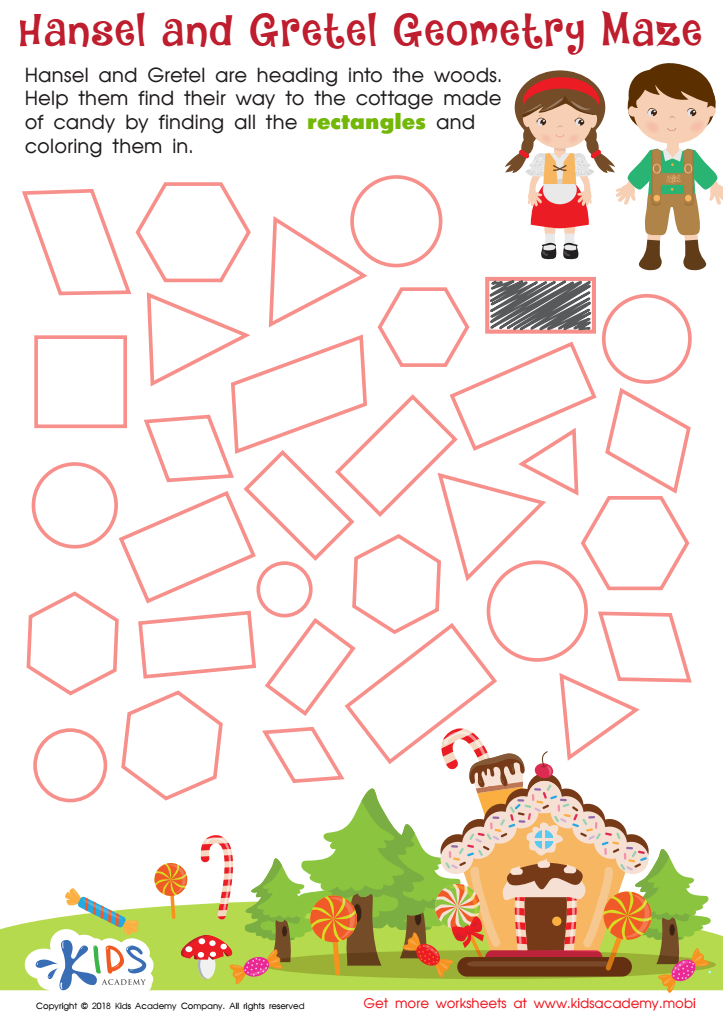
Your kids will have fun helping Hansel and Gretel get through a colorful forest of shapes! This free PDF reinforces the properties of rectangles, building skills in visual discernment and laying the foundations for geometry. They'll be too busy enjoying the story to realize they're learning!
Hansel and Gretel Geometry Maze Worksheet
Worksheet
Uppercase and Lowercase Letters: Assessment Worksheet

Uppercase and Lowercase Letters: Assessment Worksheet

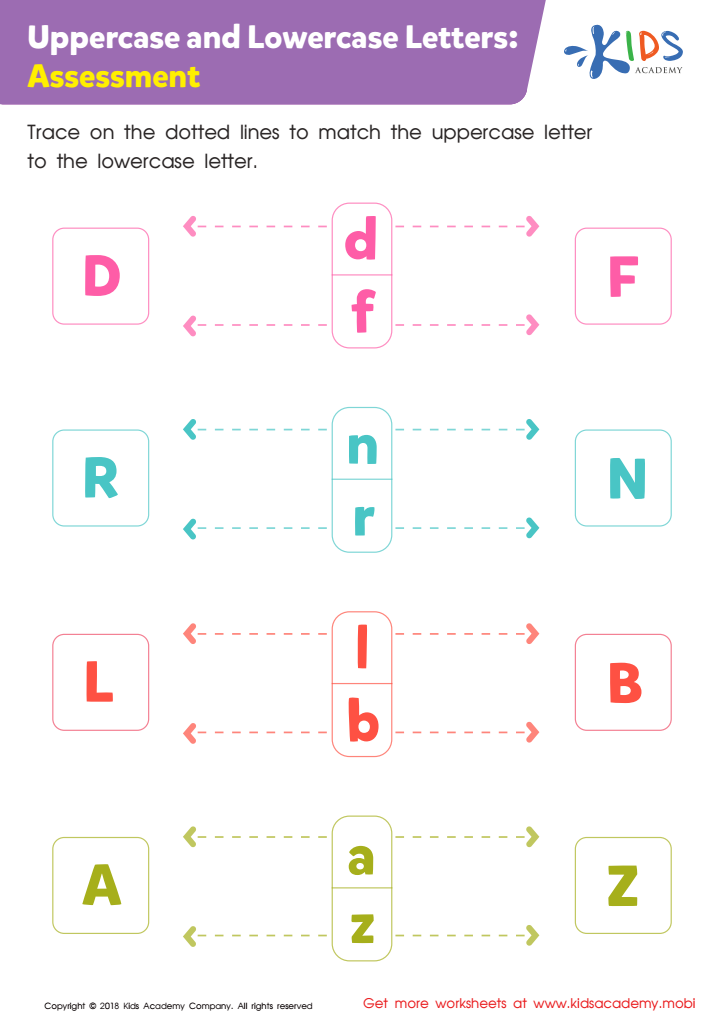
Assess your child's knowledge of upper- and lowercase letters with this worksheet. Have them trace the dotted lines to match the lowercase letters with their uppercase counterparts. This is a great way to gauge their progress and identify any areas of difficulty. Get a better understanding of your child's capabilities and encourage their development!
Uppercase and Lowercase Letters: Assessment Worksheet
Worksheet
Key Details from the Princess and the Pea Worksheet

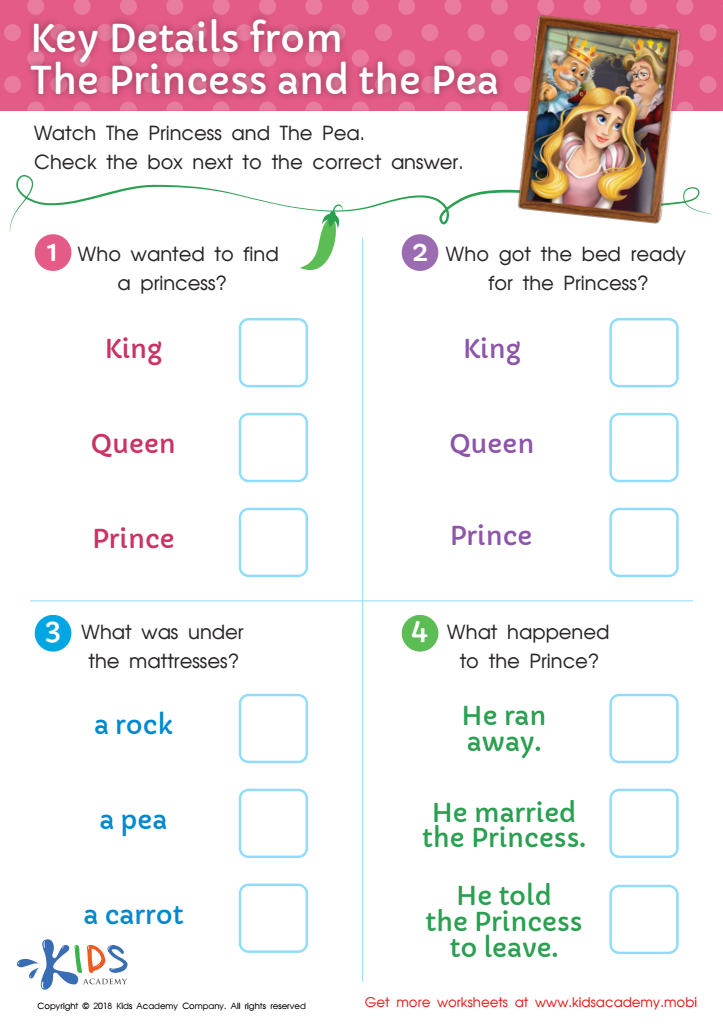
Key Details from the Princess and the Pea Worksheet

After reading The Princess and the Pea, ask your students questions to assess their comprehension of the story. Check their knowledge of key details. This printable can be used to help evaluate their understanding. Encouraging the recall of story events helps build important reading skills.
Key Details from the Princess and the Pea Worksheet
Worksheet
Questions About Stories: Assessment 3 Worksheet

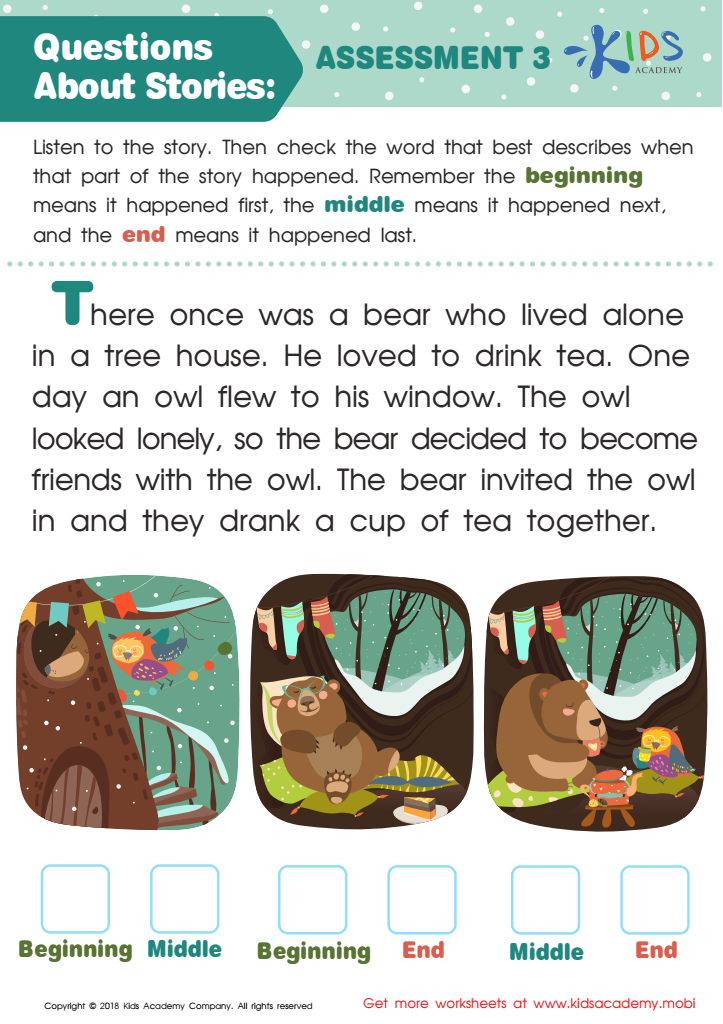
Questions About Stories: Assessment 3 Worksheet

Help kids understand stories by having them listen to a story and check boxes for the beginning, middle, and end. This worksheet makes it fun for even the youngest learners to recall story elements and sequence of events. Let them listen to the story from start to finish, then look at the pictures to check which part of the story they depict.
Questions About Stories: Assessment 3 Worksheet
Worksheet
Craft and Structure of Stories: Assessment 2 Worksheet

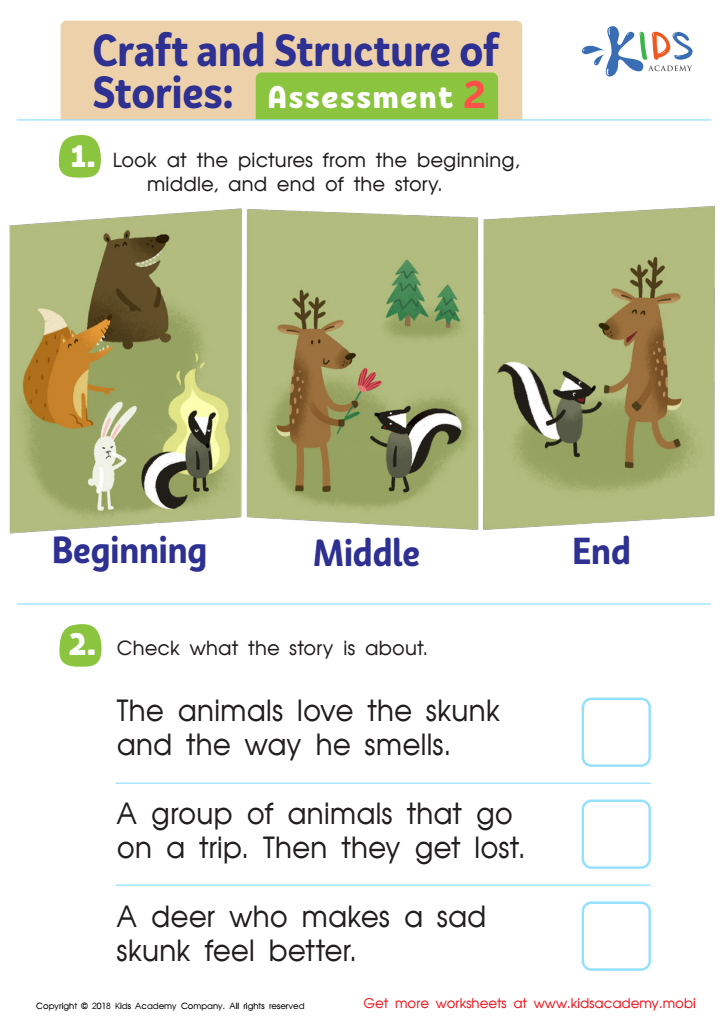
Craft and Structure of Stories: Assessment 2 Worksheet

Help your child assess their story sequencing and reading comprehension skills using this cute worksheet! It encourages them to look at the three pictures on the page, each representing a scene from the beginning, middle and end. Ask them what the story is about, then let them check the box next to the correct answer. This is a great way to ensure they understand the main events of a story.
Craft and Structure of Stories: Assessment 2 Worksheet
Worksheet
Picture Books Worksheet

Picture Books Worksheet

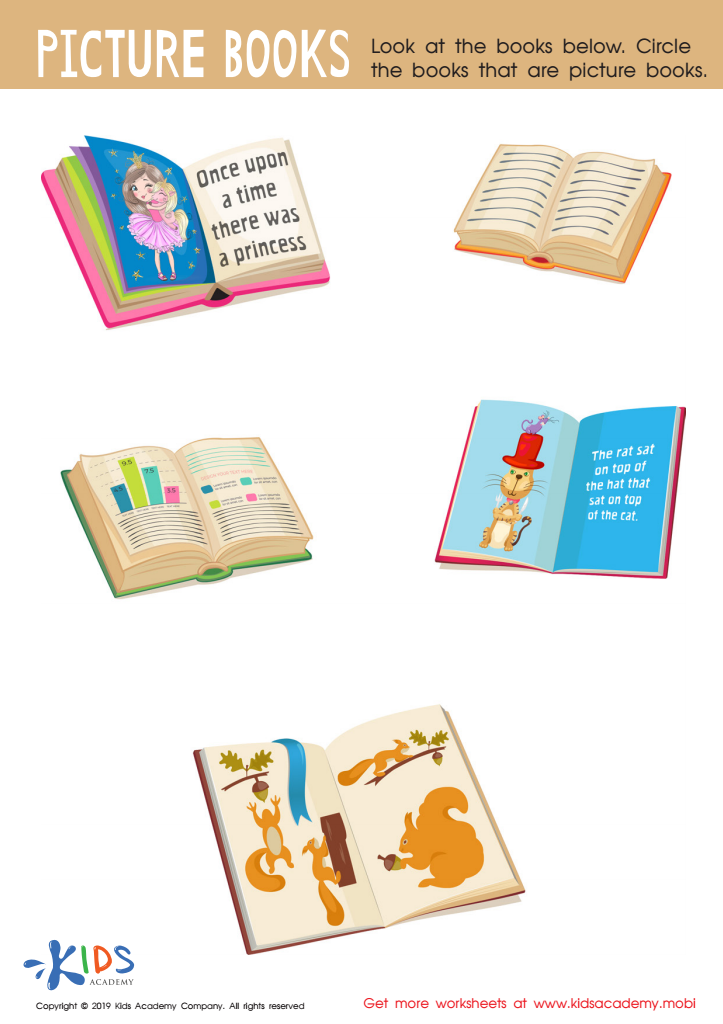
Kids will love this exercise! Get their imaginations going with five colorful picture books. Ask them to circle the books that are picture books and have them enjoy the exciting stories, along with the colorful images. Reading can become that much more enjoyable!
Picture Books Worksheet
Worksheet
Books For Kids PDF Worksheets: The Three Little Pigs

The Three Little Pigs Worksheet

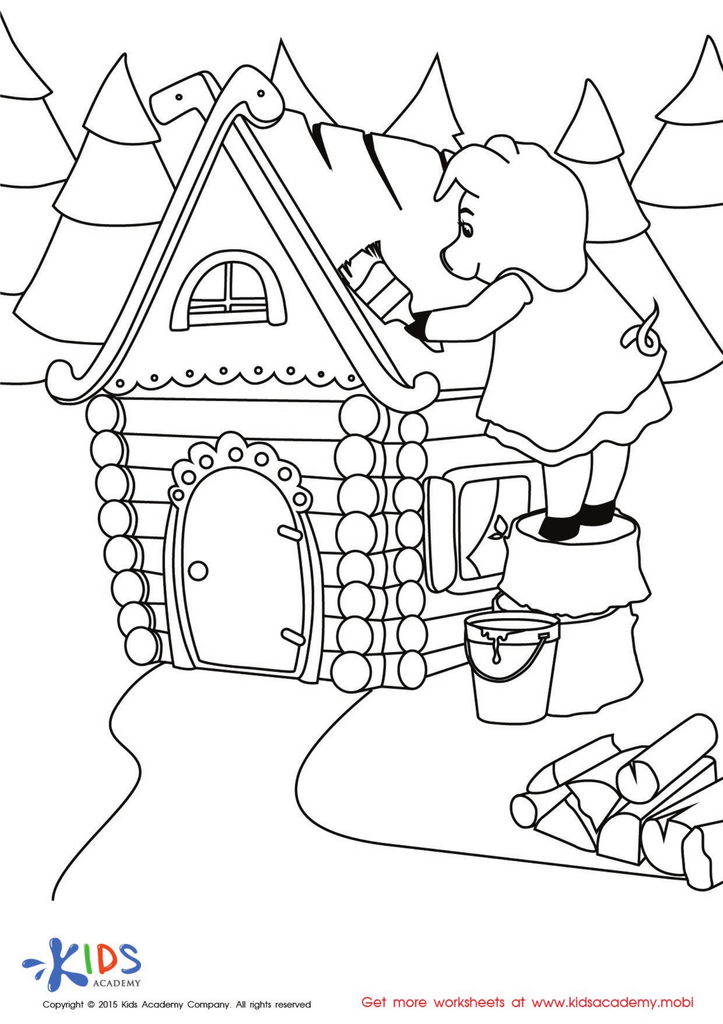
Print out this fun coloring page and unleash your creativity! It features a cute little pig painting her new sticks house. What color will you choose? Work those fine motor muscles and enjoy the picture come to life! See what happens next to the three little pigs.
The Three Little Pigs Worksheet
Worksheet
Who Are the Characters? Worksheet

Who Are the Characters? Worksheet

Original: The annual summer festival takes place on the last day of June and is celebrated with a parade and a carnival that features rides, games, and yummy food. Rewrite: Every June end marks the annual summer festival with a parade and carnival. Enjoy rides, games, and delicious food!
Who Are the Characters? Worksheet
Worksheet
Puss in Boots Vocabulary Worksheet


Puss in Boots Vocabulary Worksheet

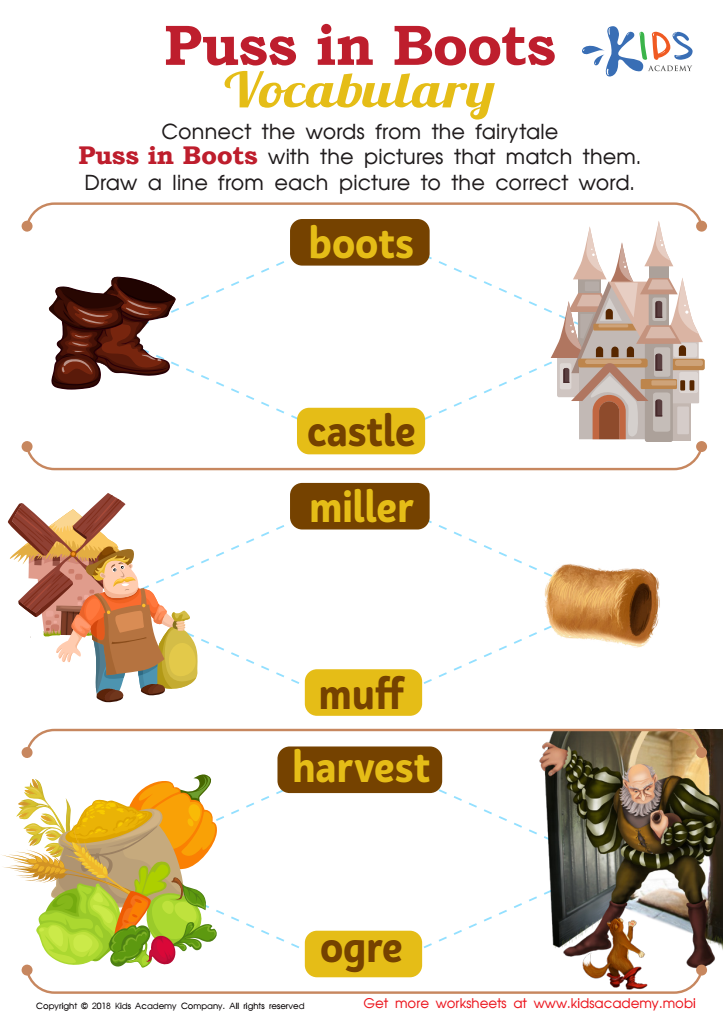
Let your kids enjoy story-telling while learning at the same time. Help them learn from the fairytale, Puss in Boots, by connecting words from the worksheet with the matching pictures. Ask them to draw a line between each picture and corresponding word to build their vocabulary.
Puss in Boots Vocabulary Worksheet

Worksheet


Story analysis is crucial for young children ages 3-7 because it contributes significantly to their cognitive and emotional development. Parents and teachers should care about this because analyzing stories fosters critical thinking and comprehension skills from an early age. When children discuss the characters, plot, and settings of a story, they learn to pay attention to details and think about cause and effect. This exercises their analytical abilities and enhances their vocabulary and understanding of language structure.

Additionally, story analysis promotes empathy and social skills. By examining characters' feelings and motivations, children learn to recognize and understand emotions, both their own and others'. This can lead to better peer relationships and conflict resolution skills.

Moreover, discussing stories and their elements also nurture curiosity and imagination. This is essential for fostering a lifelong love for reading and learning. When children are encouraged to think beyond the text and imagine alternative endings or additional adventures for favorite characters, they develop creative thinking skills.

Lastly, story analysis provides an opportunity for bonding and communication between adults and children. It opens doors for meaningful conversations and shared experiences that can strengthen relationships. Through these discussions, children feel valued and understood, boosting their self-esteem and enthusiasm for learning.