Time recognition Worksheets for Ages 3-7
6 filtered results
-
From - To
Welcome to our Time Recognition Worksheets for Ages 3-7! Designed to help young learners grasp the concept of time, these engaging worksheets are perfect for preschoolers and early graders. Young minds will benefit from a variety of fun activities, including matching clocks with correct times, coloring exercises, and reading analog clocks. Our resources boost cognitive skills and encourage an understanding of daily routines. Ideal for home or classroom use, these worksheets foster independence and creativity while making learning enjoyable. Explore our collection today and support your child’s journey towards mastering time with excitement and confidence!
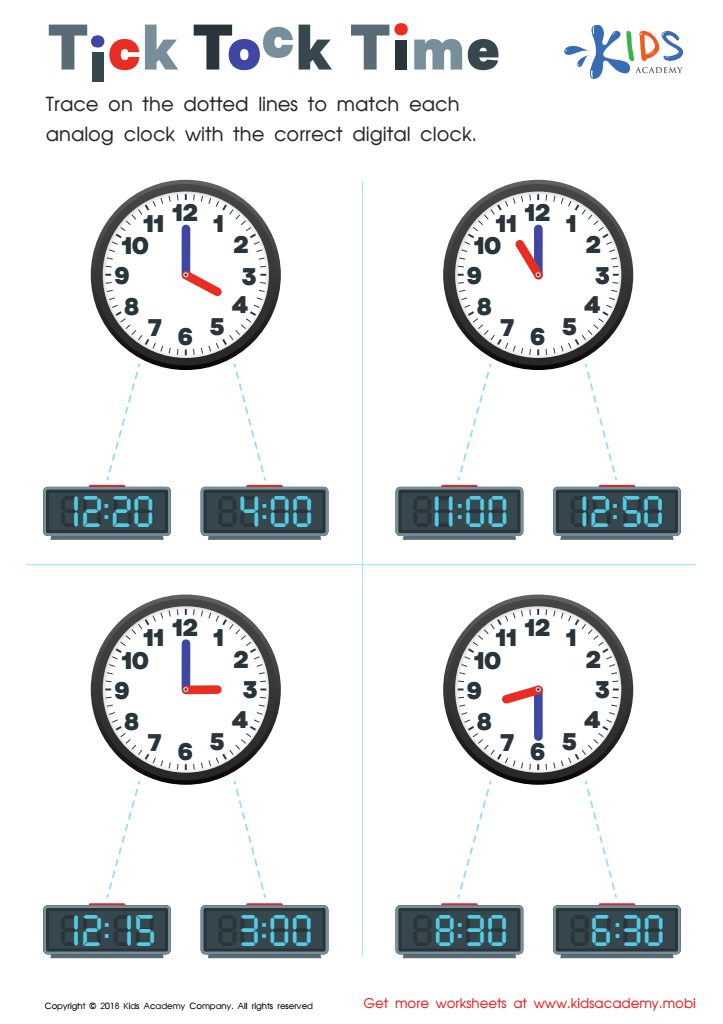
Tick Tock Time Worksheet
 Assign to My Students
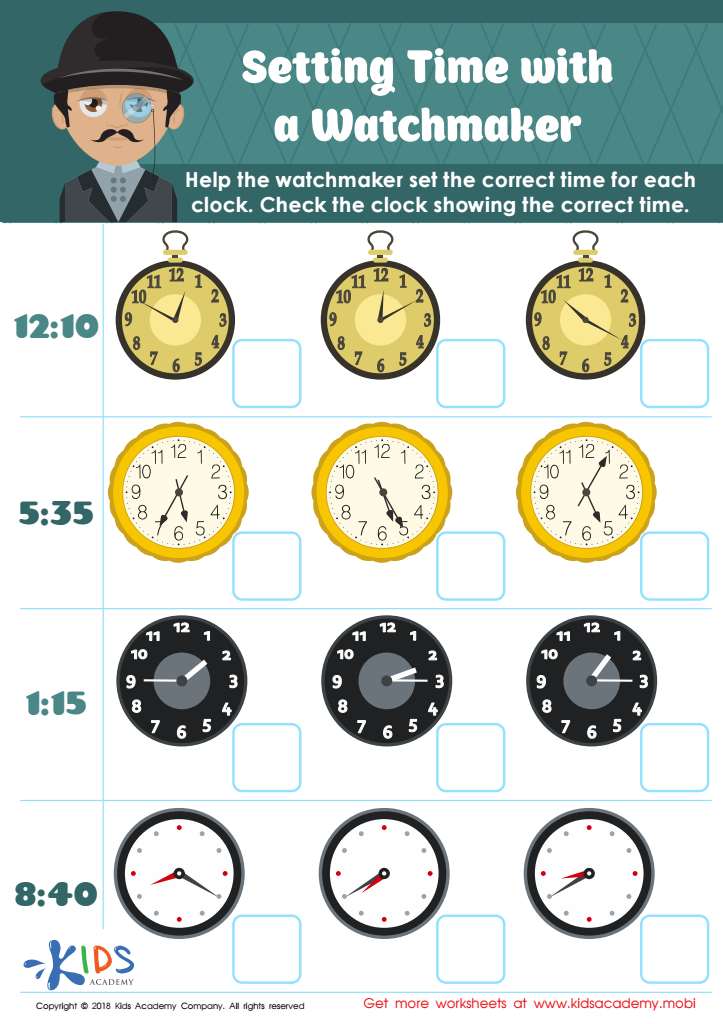
Setting Time with Watchmaker Worksheet
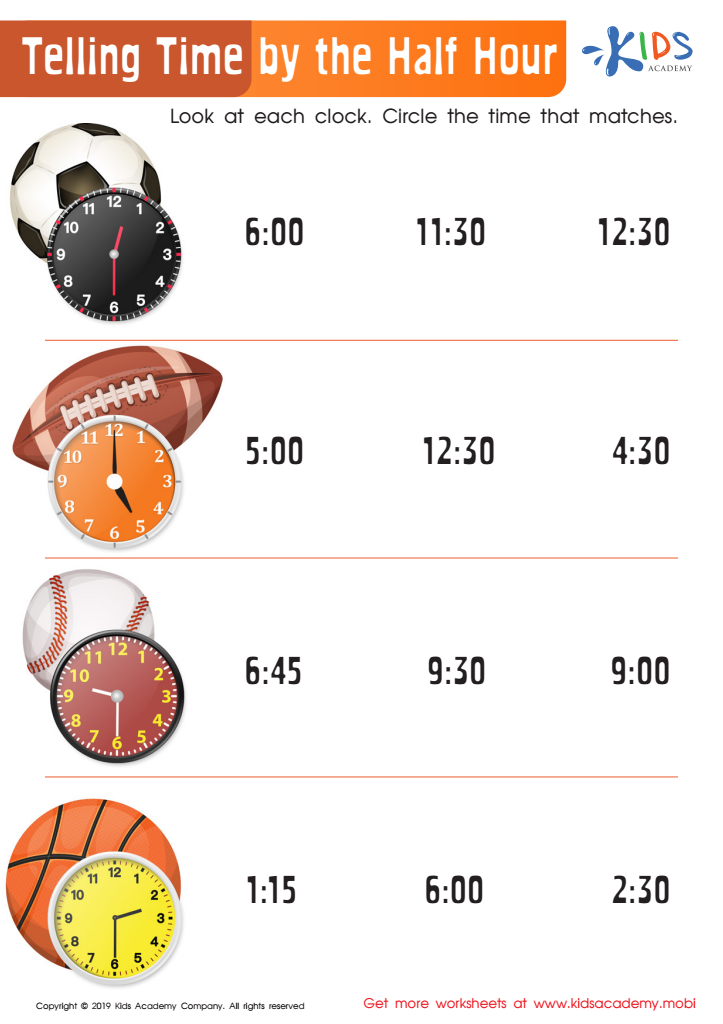
Telling Time by the Half Hour Worksheet
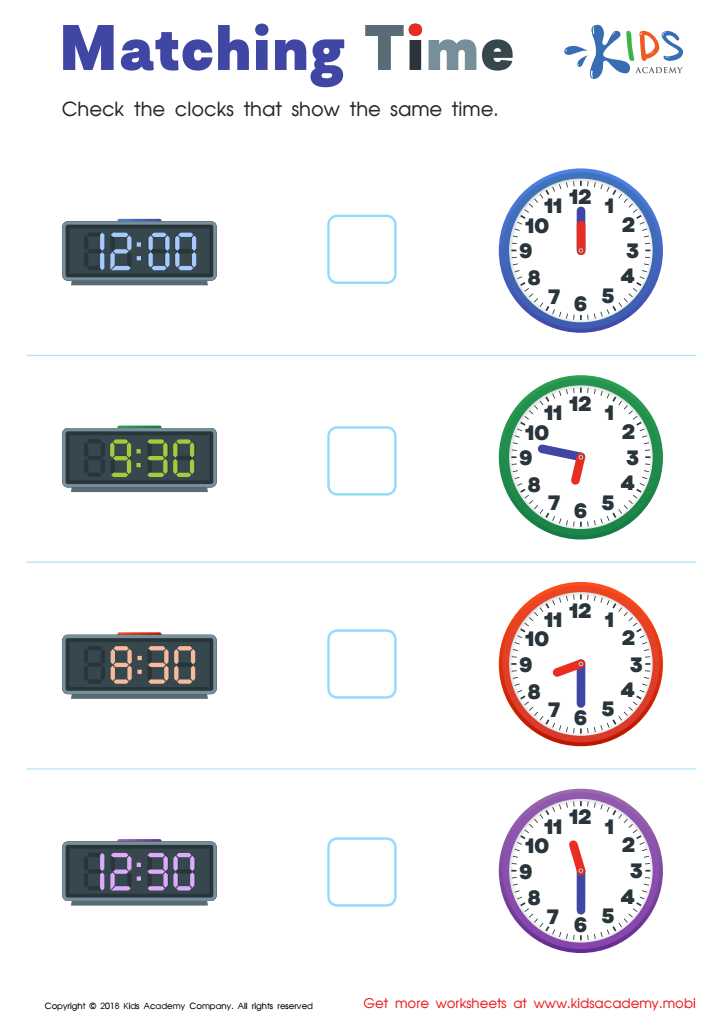
Matching Time Worksheet
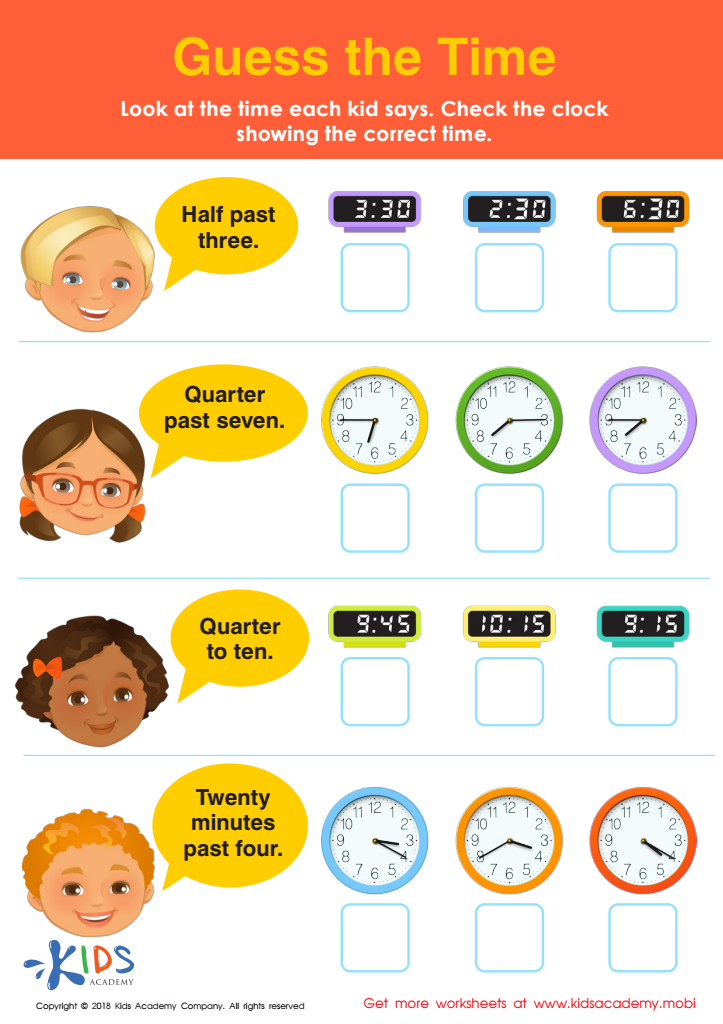
Guess the Time Worksheet
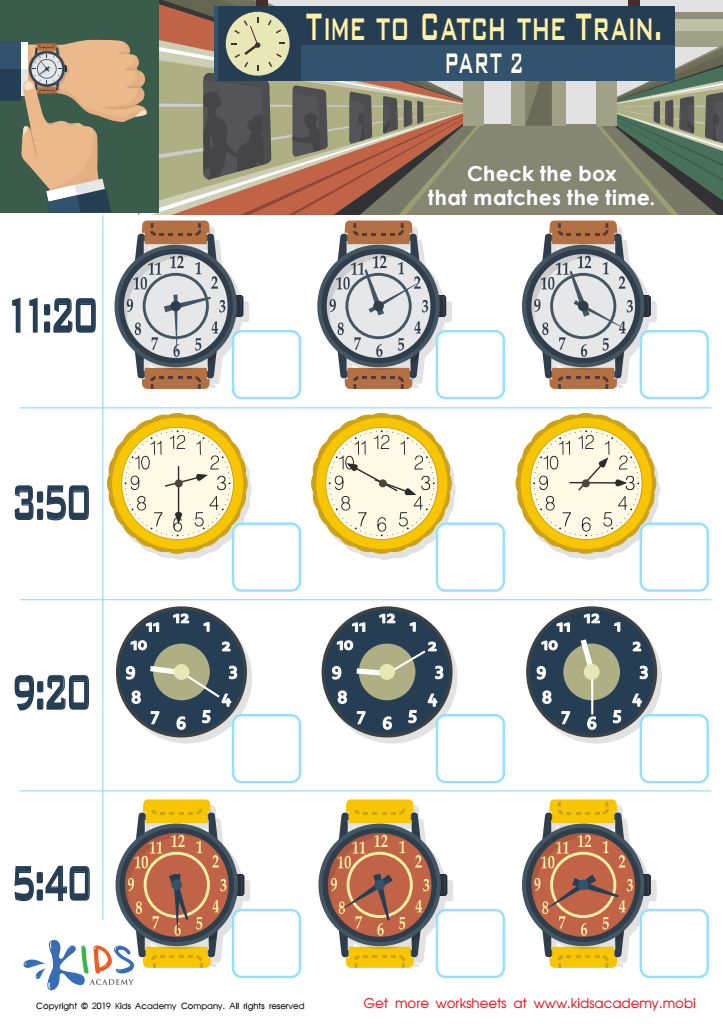
Time to Catch the Train Part 2 Worksheet








Time recognition is a fundamental skill that young children aged 3-7 need to develop as it lays the groundwork for essential life skills. Understanding the concept of time helps children learn about routines, schedules, and the environment around them, which is crucial for their overall development. Parents and teachers should care about time recognition because it aids in enhancing a child’s organizational skills and fosters independence.
By grasping how to read clocks and understand basic time concepts, children gain a sense of responsibility in managing their daily activities. They learn to appreciate punctuality and the value of routine, which can lead to improved behaviour and reduced anxiety. Moreover, as they progress in school, these time-related skills can support their learning in subjects like math, where time calculation plays a significant role.
Additionally, engaging children in discussions about time in fun, age-appropriate ways, such as through songs or games, creates a positive atmosphere around learning. This early exposure helps children build confidence and a foundational understanding that will benefit them throughout their educational journey and beyond. Ultimately, teaching time recognition nurtures cognitive skills that contribute to children's successful transition into structured environments like school.








