Understanding instructions Worksheets for Ages 3-7
5 filtered results
-
From - To
Unlock your child's learning potential with our "Understanding Instructions Worksheets" designed specifically for ages 3-7. These engaging resources help young learners develop critical listening and comprehension skills through fun and interactive activities. Each worksheet introduces clear, age-appropriate instructions that encourage kids to follow directions, enhancing their ability to process and respond accurately. By practicing these skills, children build confidence and a solid foundation for future learning. Explore a wide variety of colorful, themed worksheets that spark curiosity and make learning enjoyable. Perfect for classrooms or home learning, our worksheets are an essential tool for supporting early education!
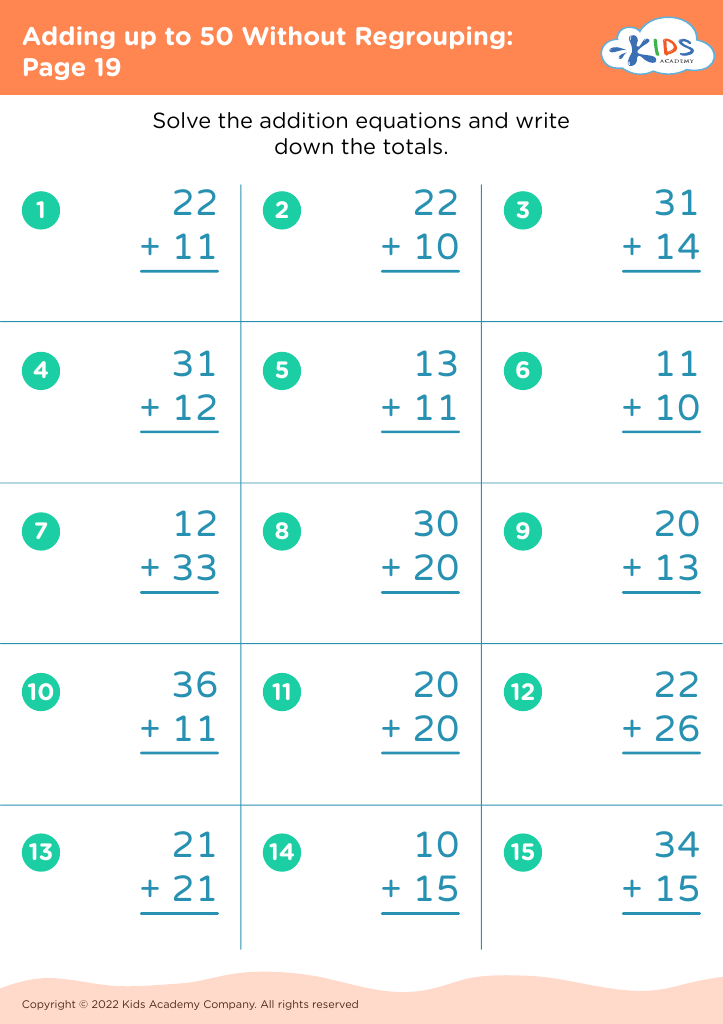
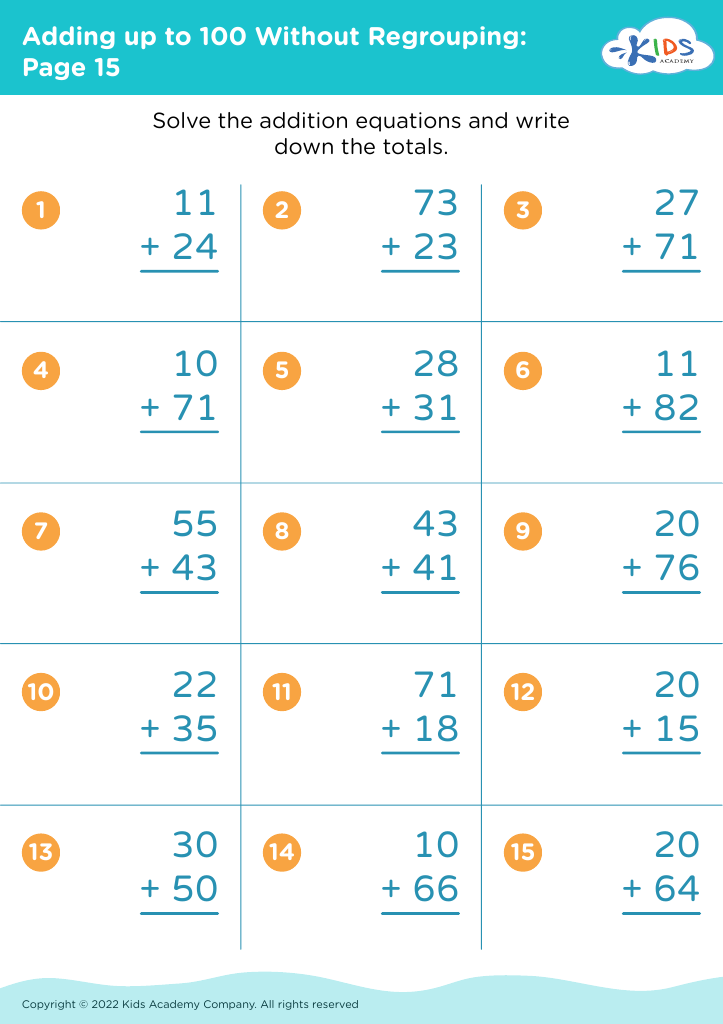
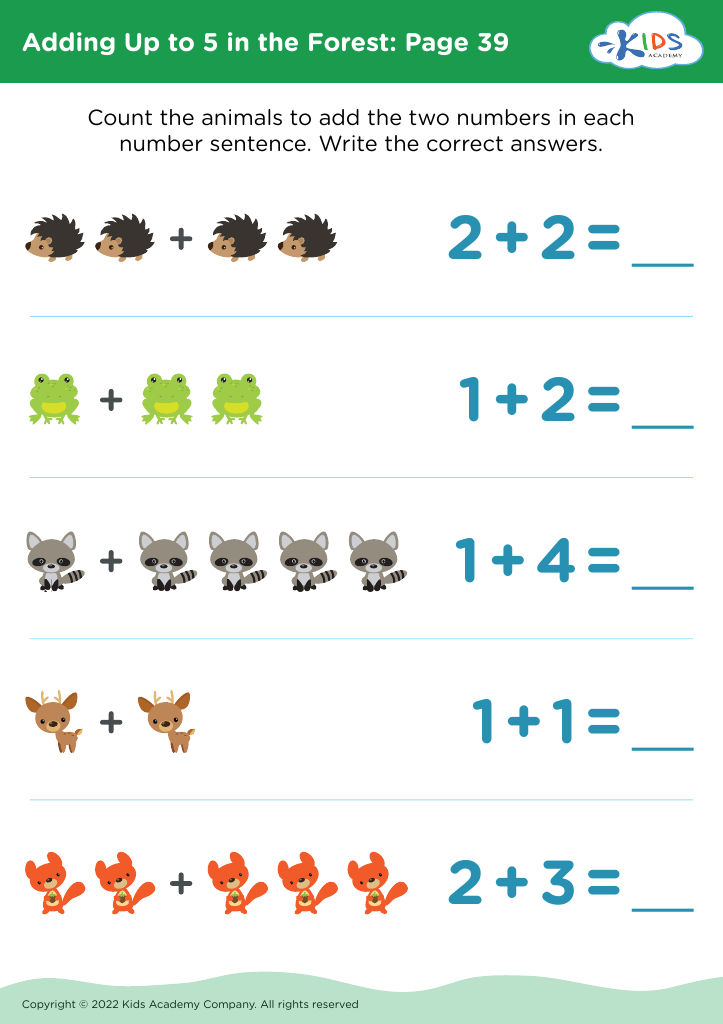
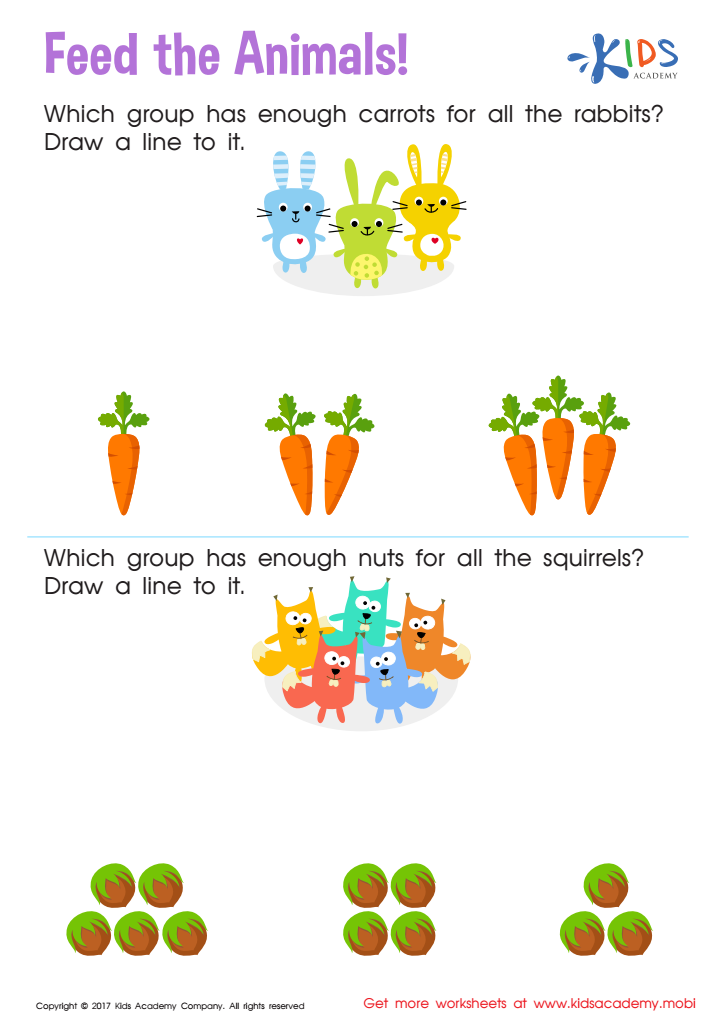
Count and Match: Feed the Animals Worksheet
 Assign to My Students
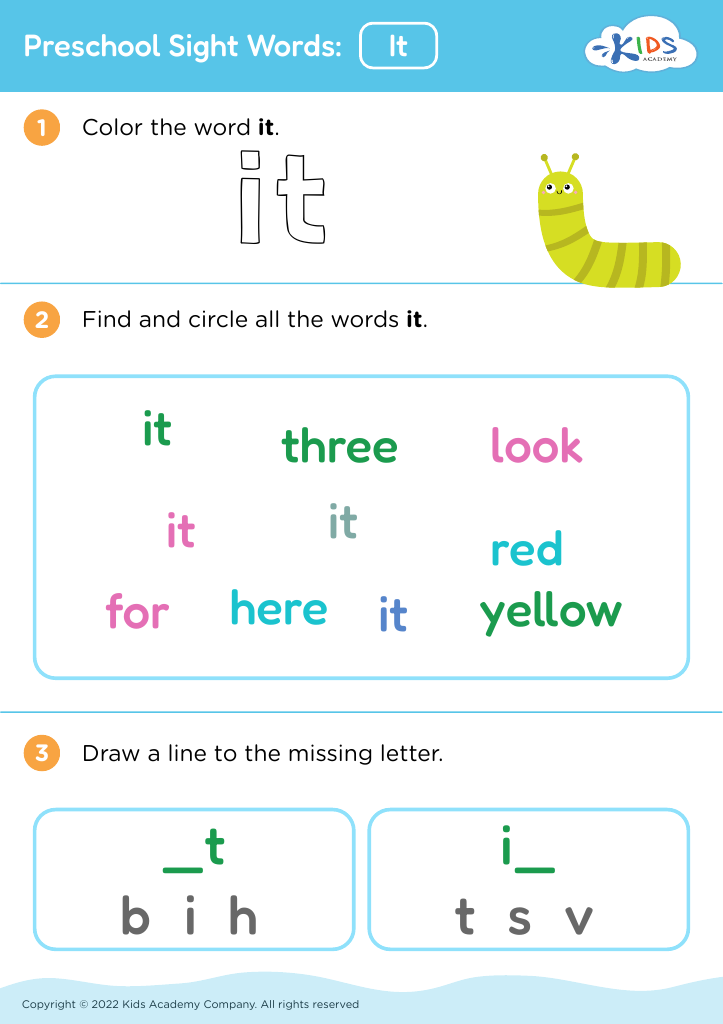








Understanding instructions is critical for children aged 3-7 as it lays the foundation for their educational journey and overall development. During this formative period, children are learning through play and structured activities, where clear instructions play a key role in their ability to comprehend and complete tasks effectively. When parents and teachers prioritize understanding instructions, they foster essential skills such as language development, listening, and critical thinking.
Children who grasp instructions are better equipped to follow routines, cooperate with peers, and engage in group activities, all of which are pivotal for socialization and establishing self-confidence. Moreover, comprehension of instructions aids in developing literacy and numeracy skills, as many academic tasks involve following multi-step directives.
Educators and parents should also be mindful that children's ability to understand instructions varies based on cognitive and linguistic development; personalizing instruction to meet individual needs can enhance learning experiences. Furthermore, this understanding nurtures independence and problem-solving abilities, empowering children to navigate various environmental challenges confidently. Teaching children to ask questions and seek clarification also promotes communication skills, ensuring they feel supported and understood. For these reasons, attention to understanding instructions is vital in facilitating children's growth in early childhood.








