Understanding ordinal numbers Worksheets for Ages 3-7
3 filtered results
-
From - To
Discover engaging ordinal numbers worksheets designed specifically for children ages 3-7. These educational resources help young learners grasp the concept of order and sequence through fun, interactive activities. Each worksheet focuses on identifying positions such as first, second, and third, making it easy for kids to relate to everyday situations. With colorful illustrations and simple instructions, our worksheets not only enhance math skills but also develop critical thinking. Perfect for homeschooling or classrooms, these materials support early numeracy development in a playful, enjoyable way. Get started today and empower your child with the foundational skills to understand ordinal numbers!
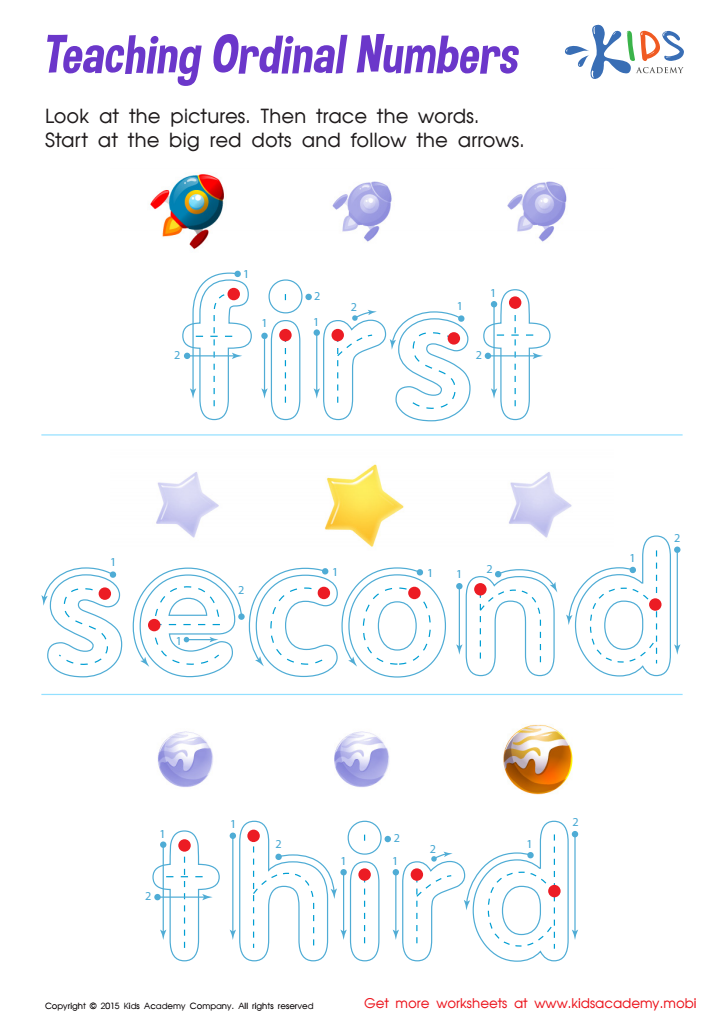
Ordinal Numbers: Teaching Ordinal Numbers Printable
 Assign to My Students
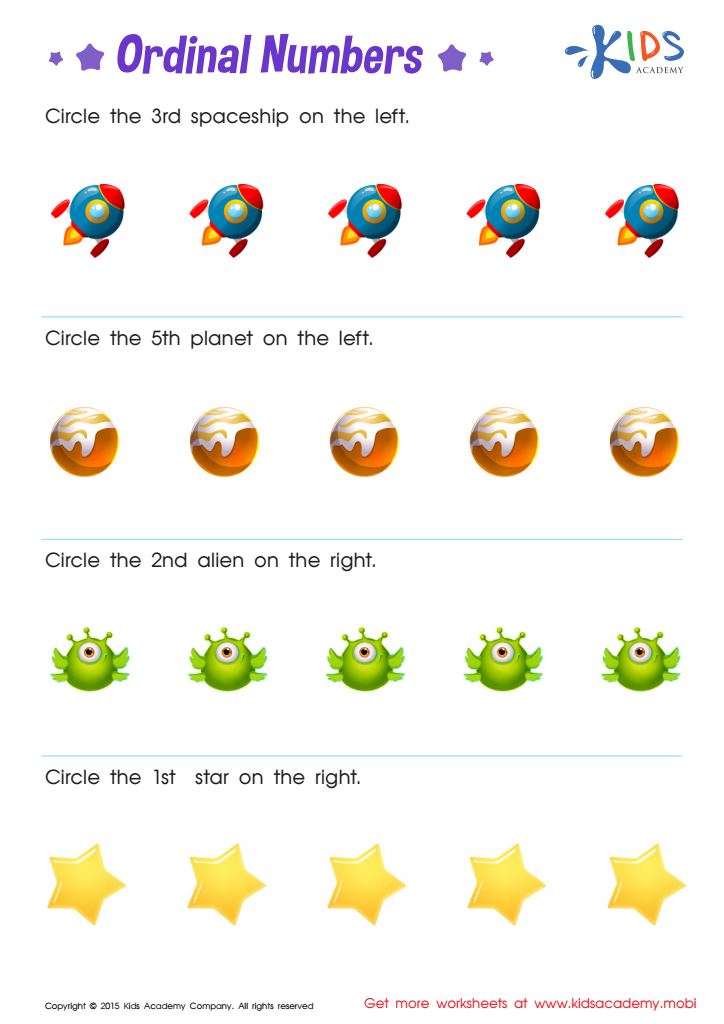
Ordinal Numbers: Space Ordinals Worksheet



.jpg)

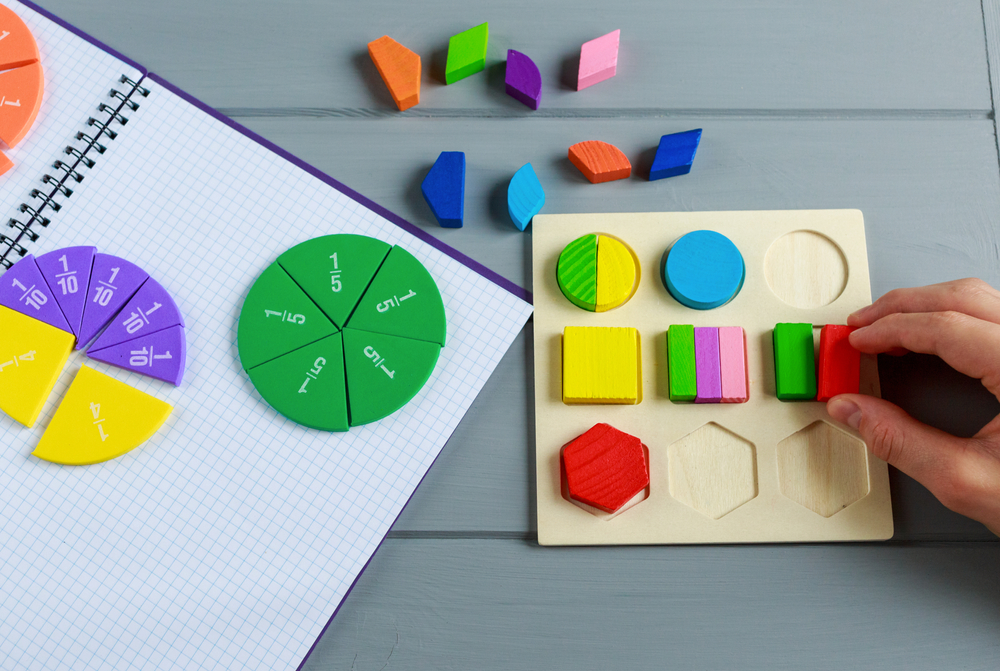
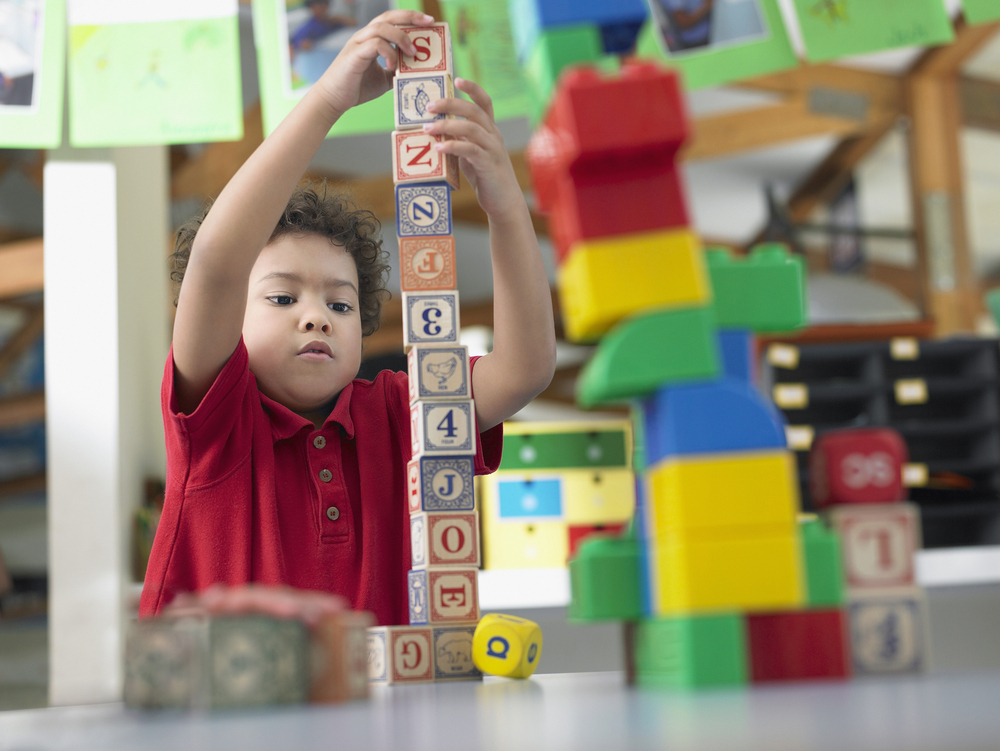
Understanding ordinal numbers is crucial for children aged 3-7 as it lays the foundation for essential cognitive and communication skills. Ordinal numbers, such as first, second, and third, help children organize information and make sense of their environment. For parents and teachers, fostering this understanding is important because it enhances language development and promotes early mathematical skills.
At this age, children engage in various activities that involve sequencing—like lining up their toys or taking turns during games. Recognizing the order in which items appear aids them in critical thinking and problem solving. Moreover, social interactions often rely on ordinal language, such as when discussing race placements or classroom roles, which helps children navigate relationships and expectations.
Establishing a grasp of ordinal numbers encourages a sense of order and helps children develop comparison skills, vital for later mathematical concepts. Through playful and practical experiences, educators and parents can make learning about ordinals enjoyable, which further cultivates a love for math and learning in general. This foundational knowledge not only supports academic success but also assists children in developing the necessary skills to comprehend and engage with the world around them.








