Understanding sequencing Worksheets for Ages 3-7
14 filtered results
-
From - To
Discover the importance of sequencing worksheets for young learners aged 3 to 7! These engaging resources help children develop critical thinking and problem-solving skills by training them to recognize and arrange events or elements in order. Our worksheets cover various themes, including stories, daily activities, and natural sequences, making learning fun and relevant. By understanding sequencing, children enhance their comprehension and narrative skills, empowering them to make connections in information and boost their confidence in reading and storytelling. Explore our captivating sequencing worksheets and watch your child’s cognitive skills flourish as they dive into playful learning adventures!
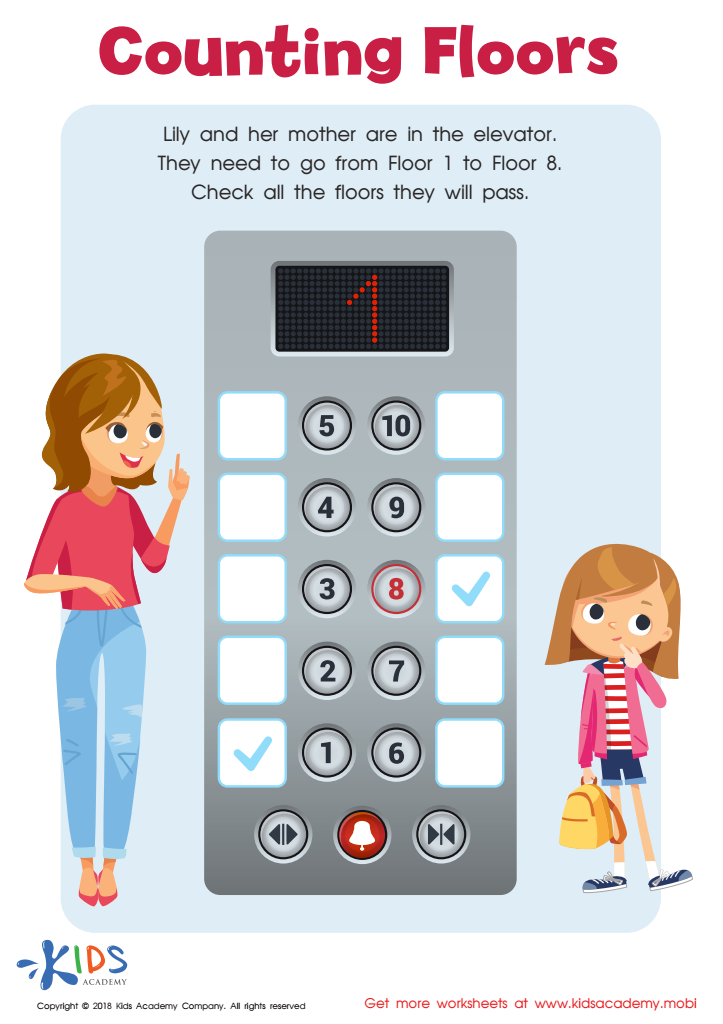
Counting Floors Worksheet
 Assign to My Students
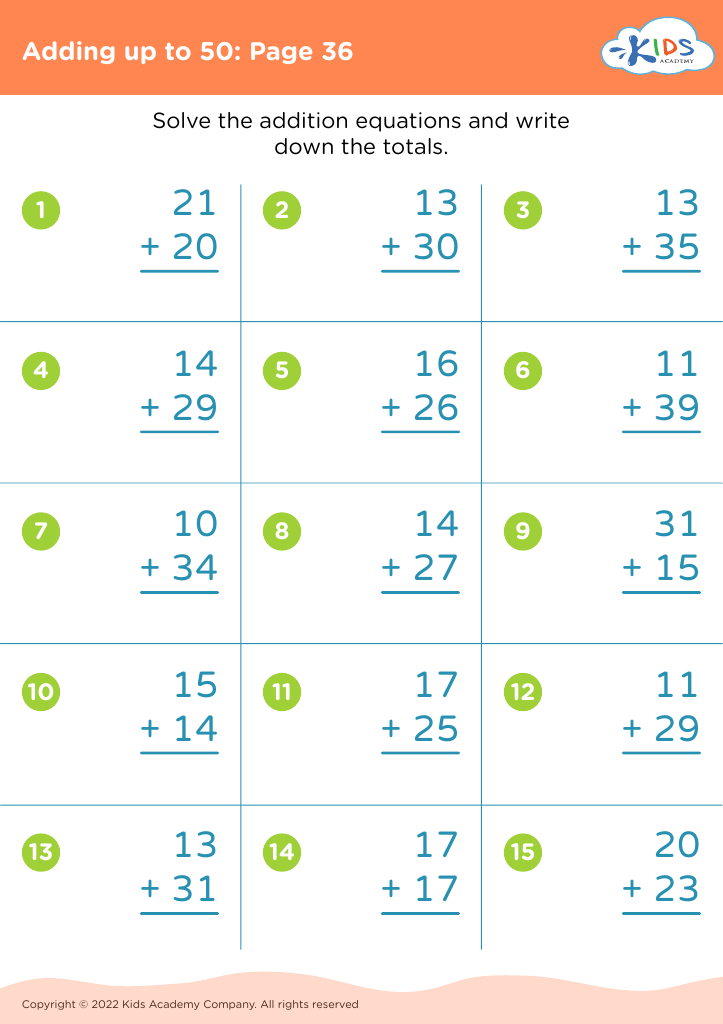
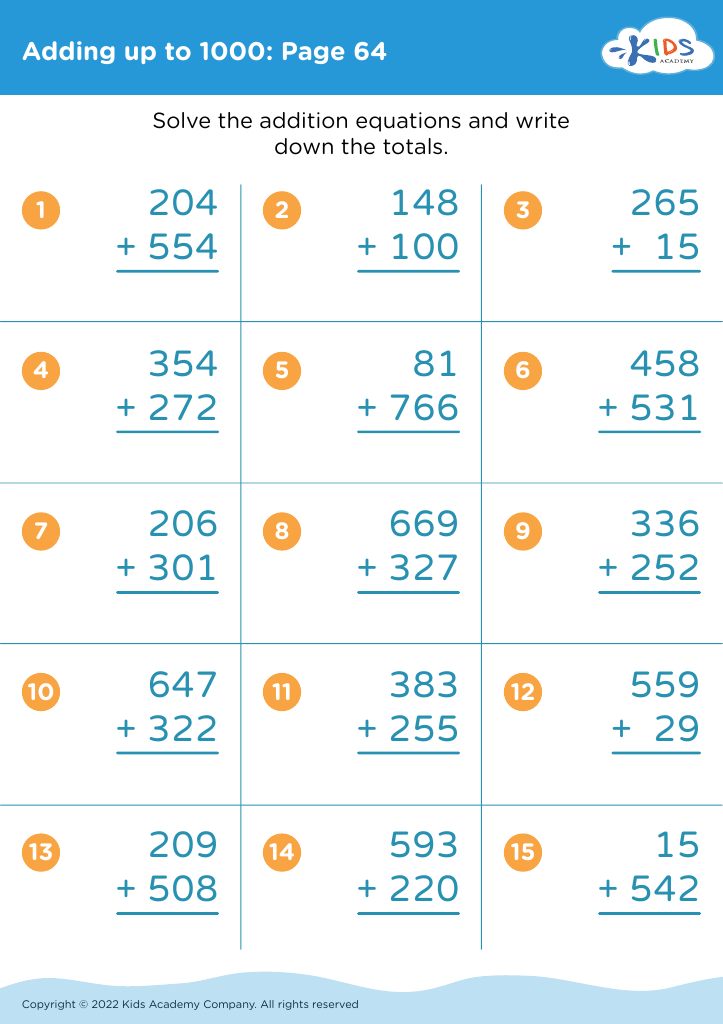
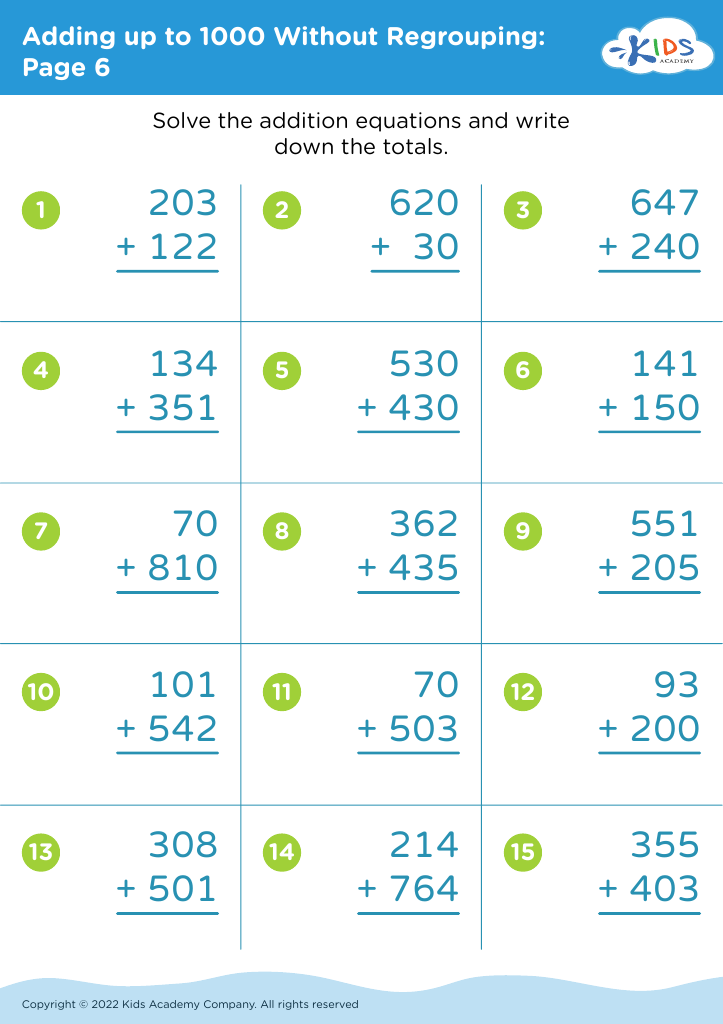
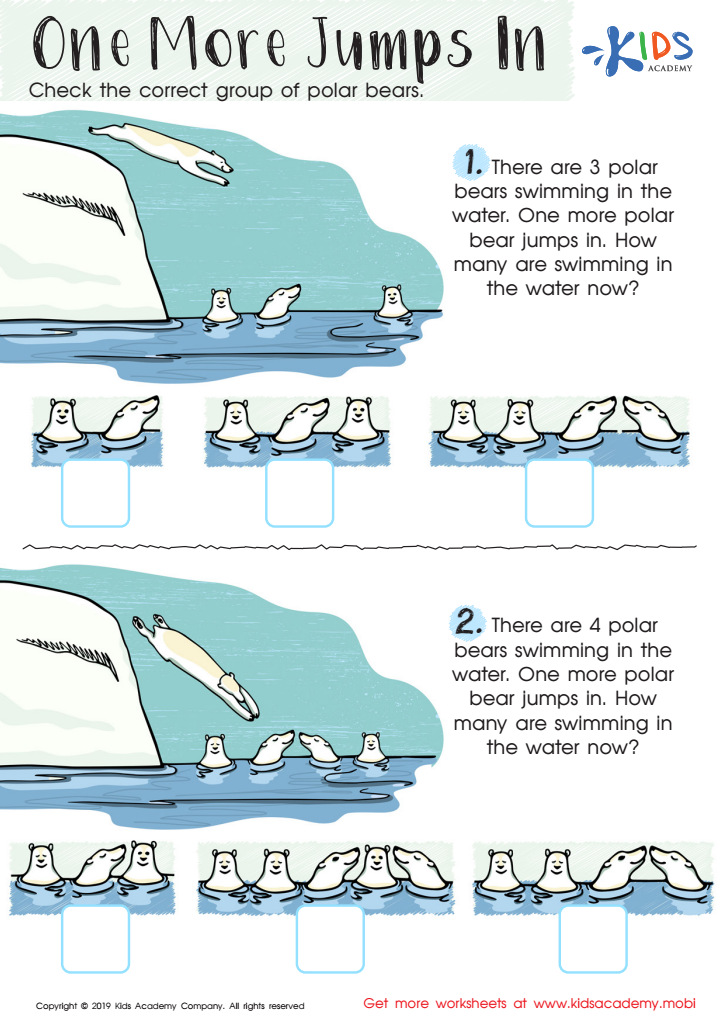
One More Jumps In Worksheet
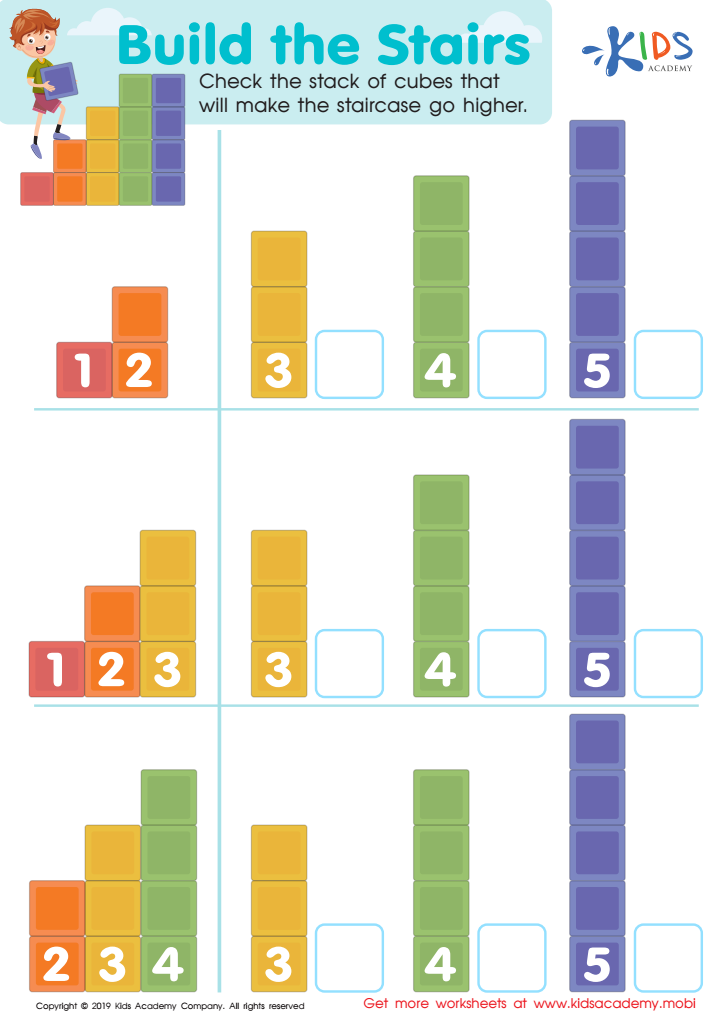
Build the Stairs Worksheet
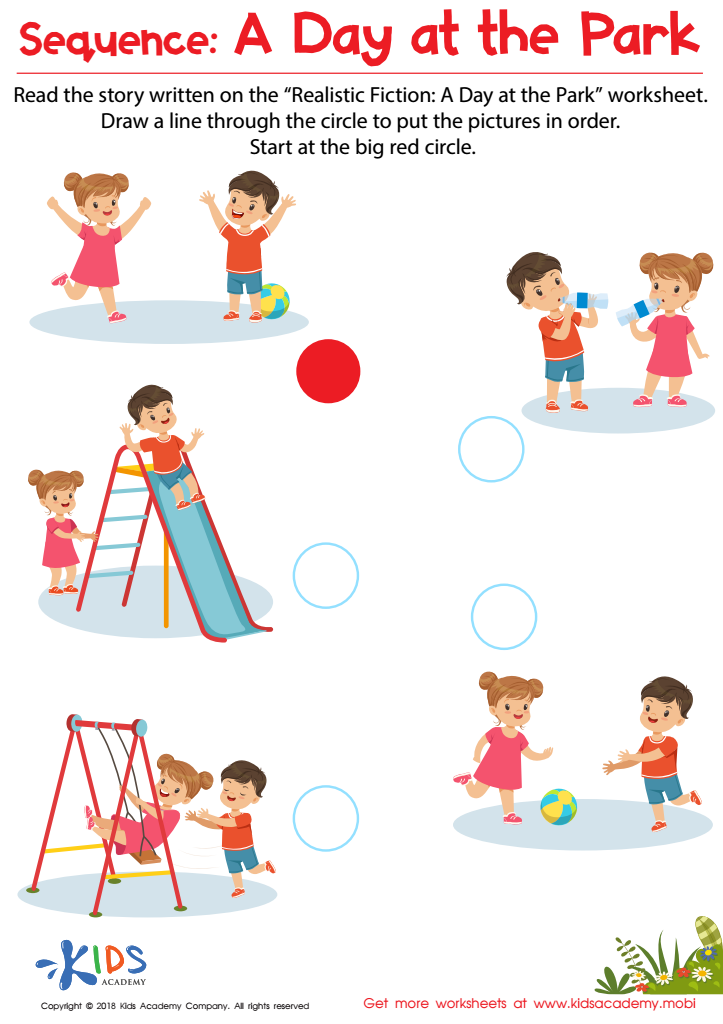
Sequence: A Day at the Park Worksheet
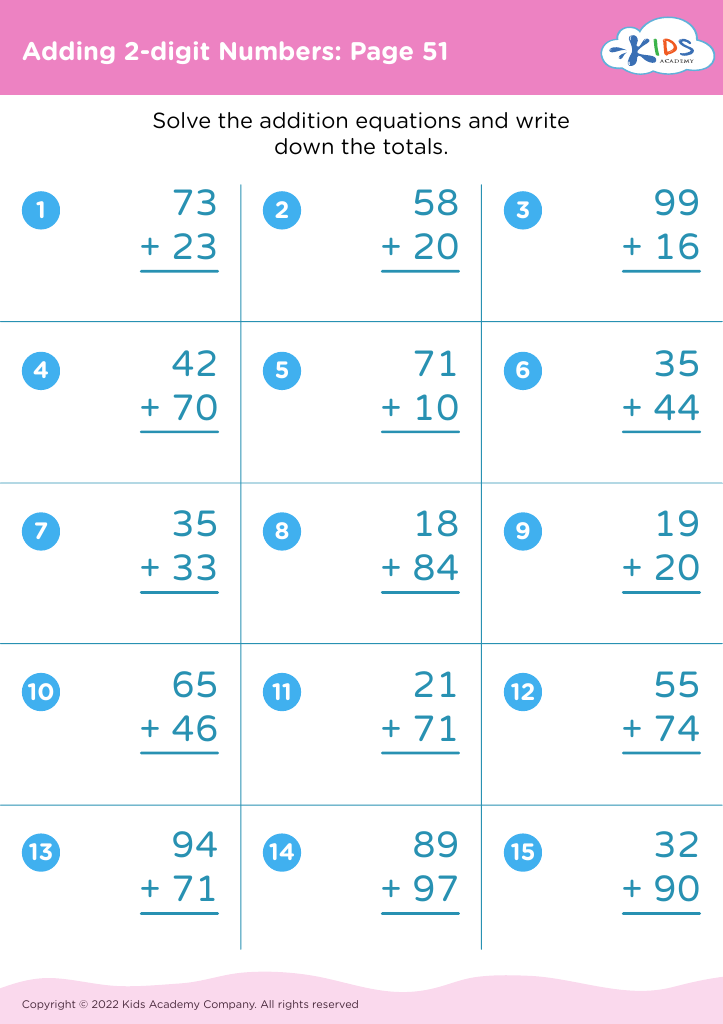
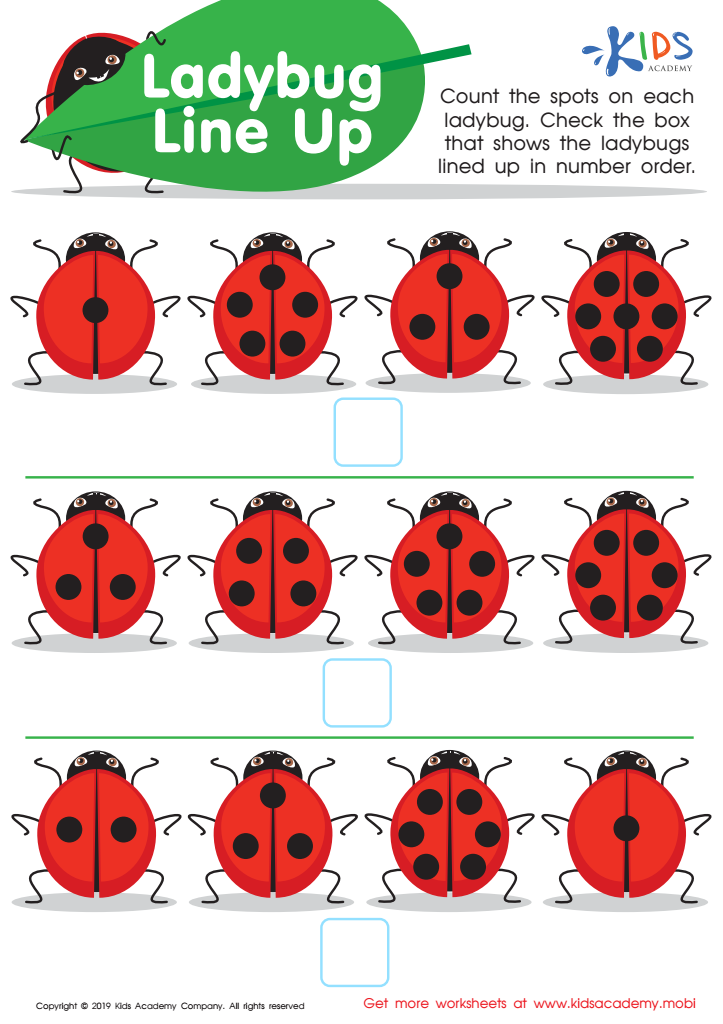
Ladybug Line Up Worksheet
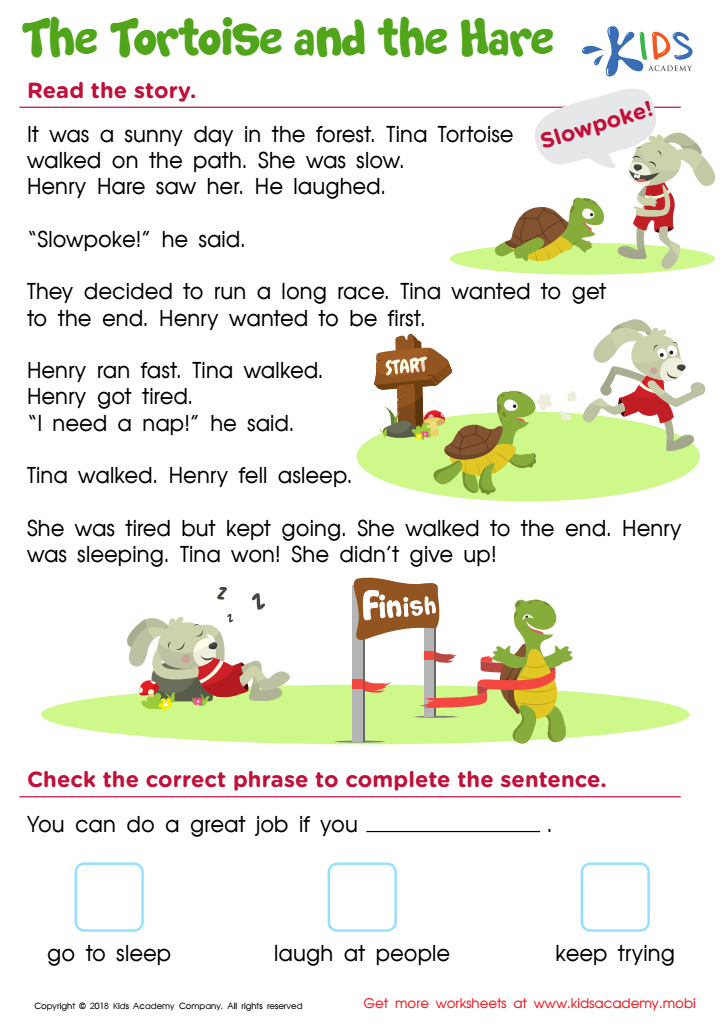
The Tortoise and the Hare Worksheet
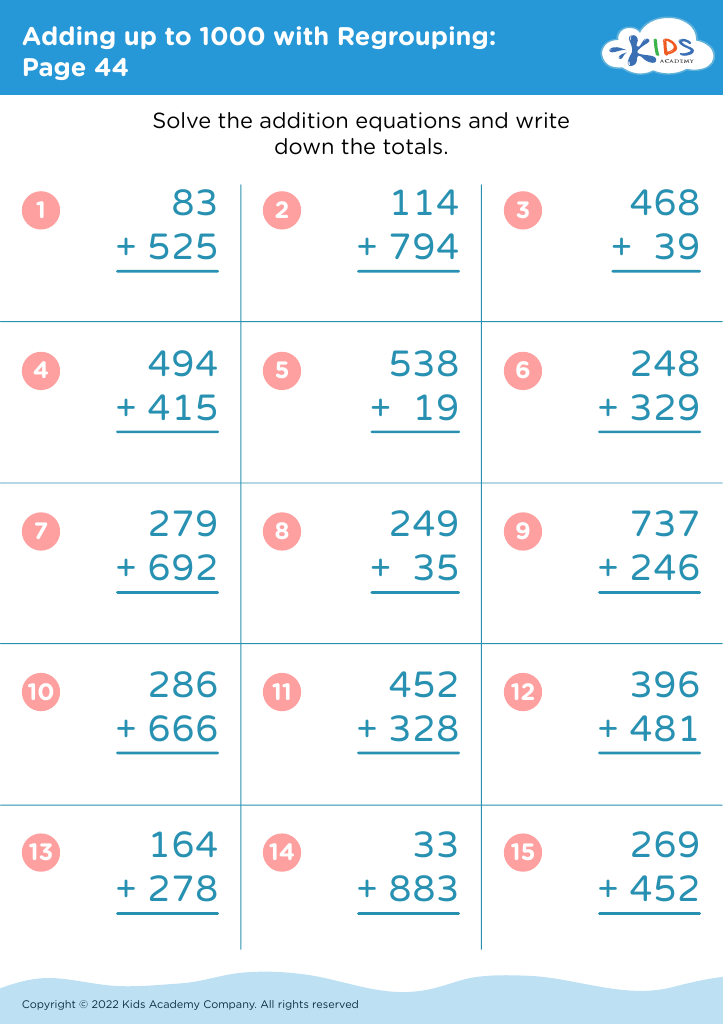
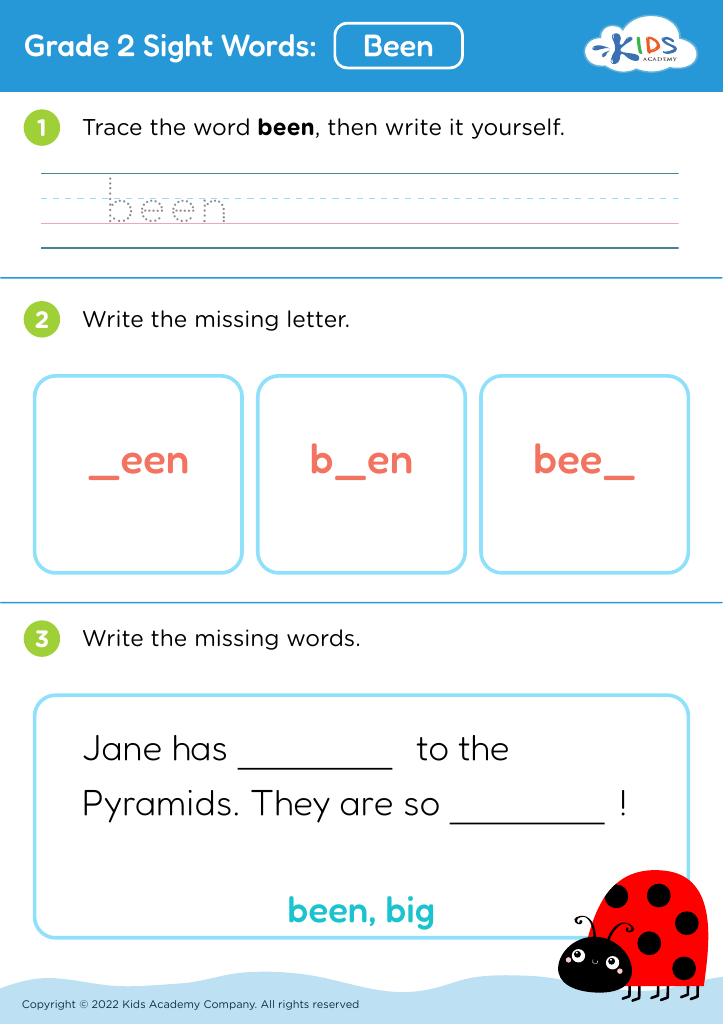








Understanding sequencing is crucial for children ages 3-7, as it lays the foundation for critical cognitive and language skills. For parents and teachers, fostering sequencing skills is not only about building a child's ability to order events but also enhancing their overall problem-solving and reasoning abilities.
At this developmental stage, children begin to make sense of the world through patterns and sequences, whether in storytelling, daily routines, or math concepts. By grasping sequencing, children improve their comprehension of narratives, enabling better retelling and engagement with stories. This skill also plays a vital role in effective communication; children learn to express their thoughts in an organized manner.
Furthermore, sequencing is closely tied to mathematics. Recognizing patterns and orders is essential for numerical skills, helping children understand concepts like addition, subtraction, and time.
Lastly, developing these skills can promote independence in children. When they can sequence their day—from waking up to bedtime—they experience a sense of control and responsibility. Engaging children in sequenced activities, like cooking or planting, further promotes critical thinking, fosters creativity, and builds anticipation for future steps. Thus, focusing on sequencing is an essential element in supporting holistic development in young children.








