Visual comprehension Worksheets for Ages 3-7
10 filtered results
-
From - To
Enhance your child’s learning with our tailored Visual Comprehension Worksheets for Ages 3-7. Designed to develop critical visual processing skills, these engaging activities cover a range of themes from basic shapes to intricate patterns. They help children improve attention to detail, foster creativity, and boost confidence in recognizing and interpreting visual information. Perfect for preschoolers and early elementary students, our worksheets make learning interactive and fun. Whether it’s matching, spotting differences, or completing patterns, these resources provide a strong foundation for future academic success. Discover a world of visual learning today at Kids Academy.
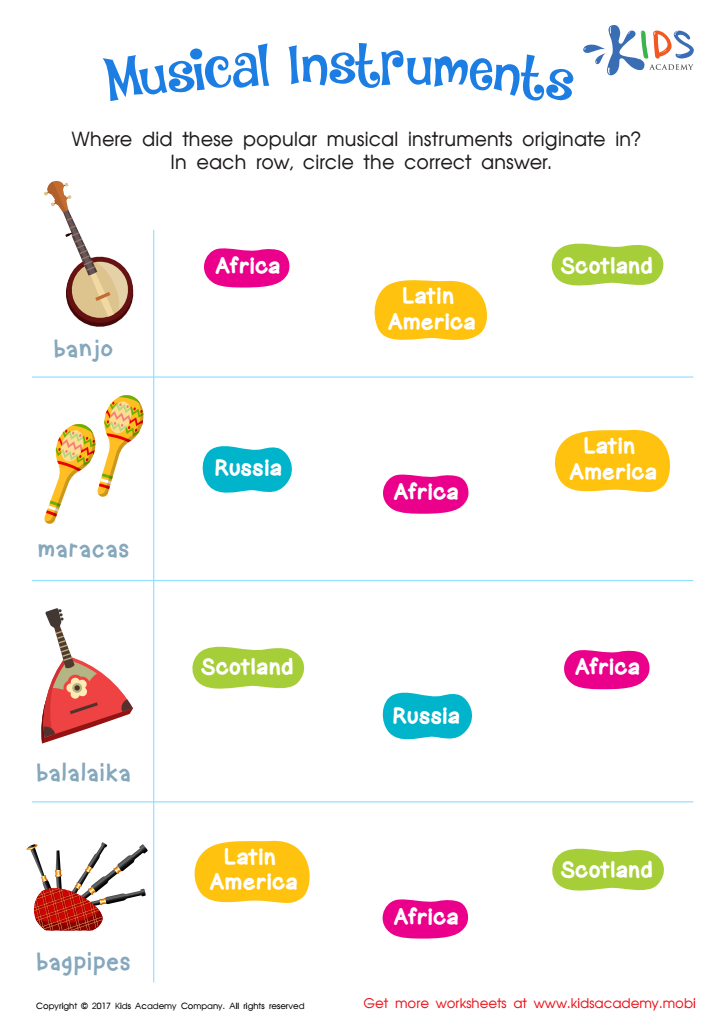
Musical Instruments Printable
 Assign to My Students
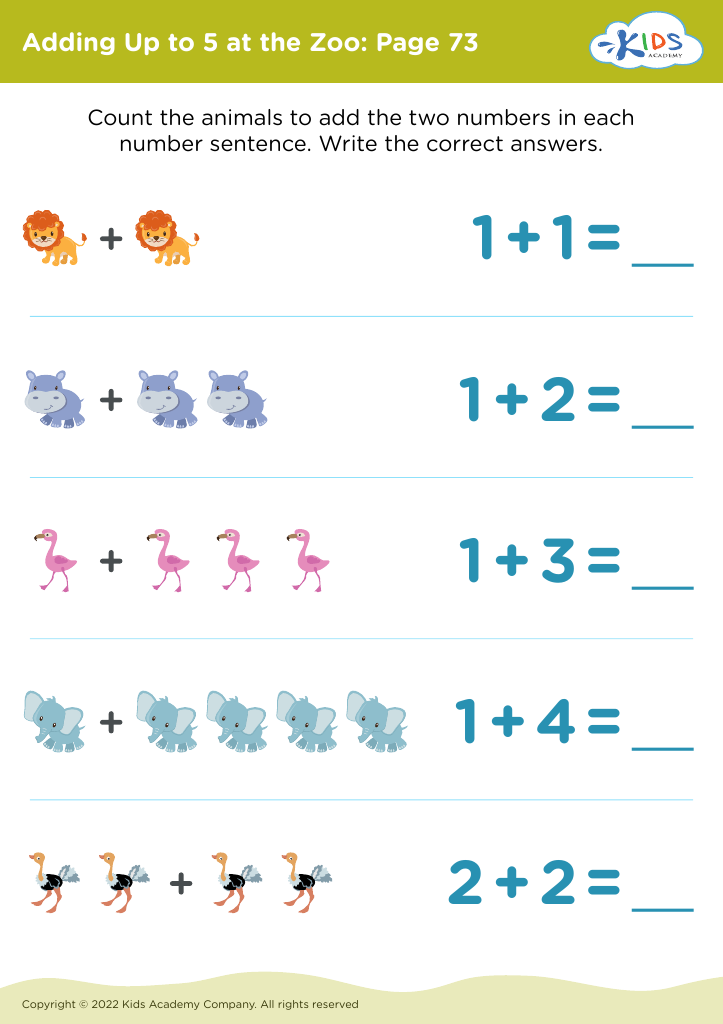
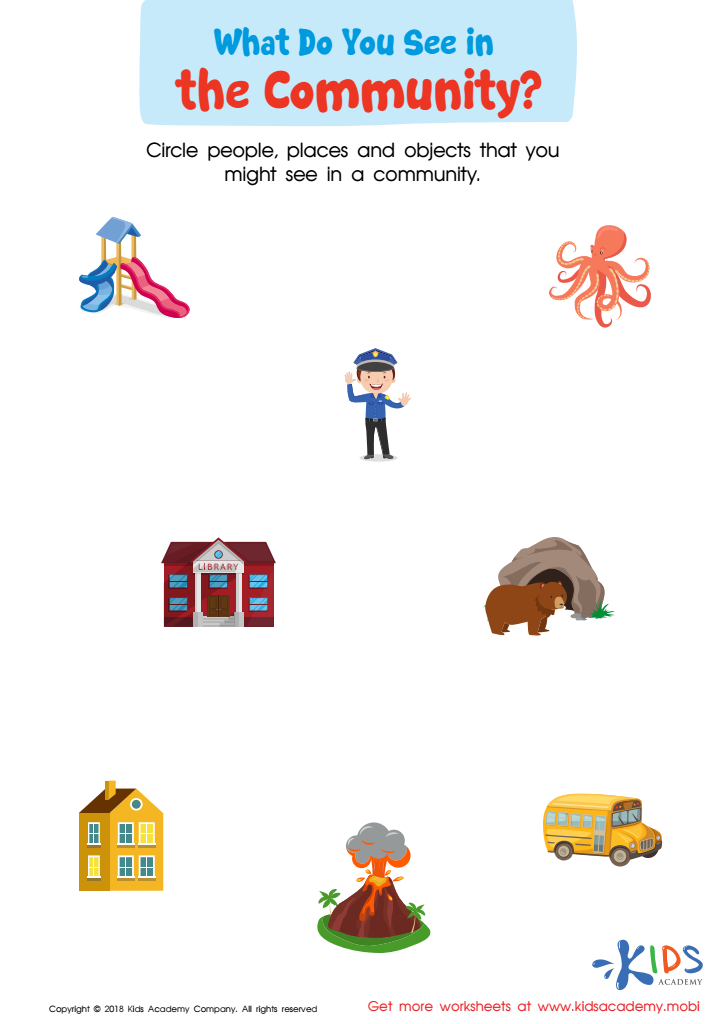
What Do You See in the Community Worksheet
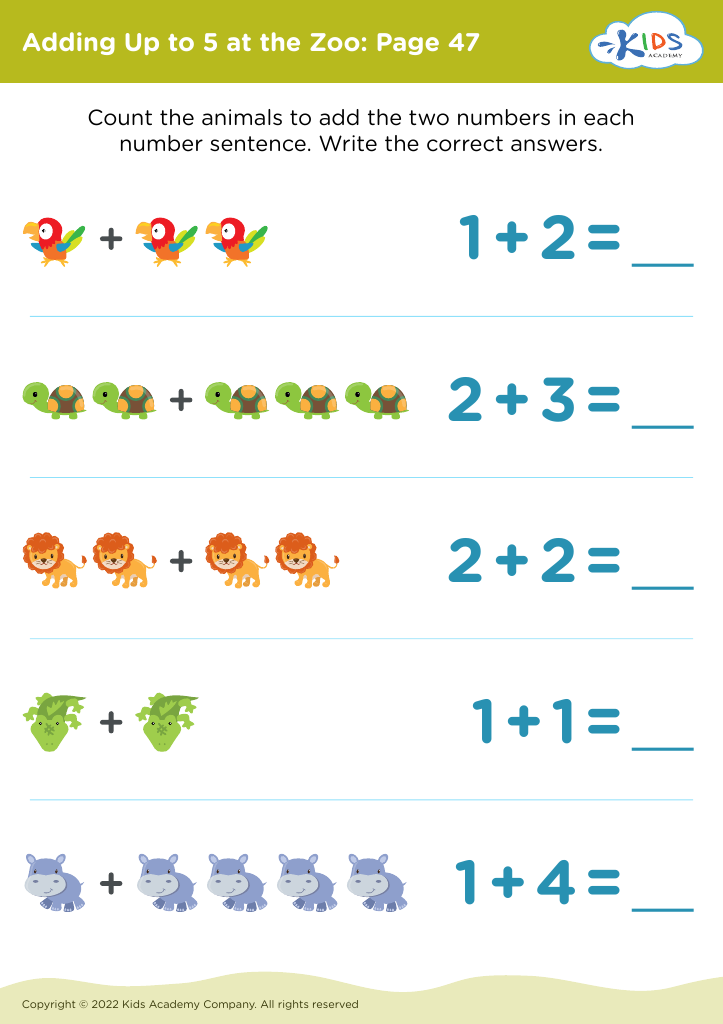
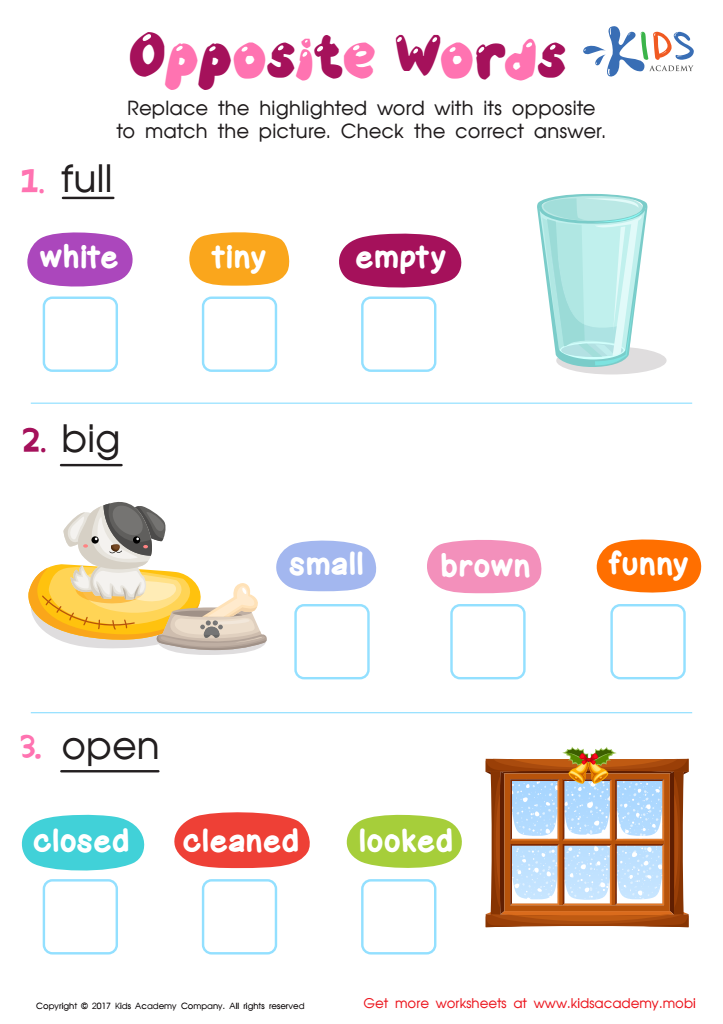
Opposite Words Worksheet
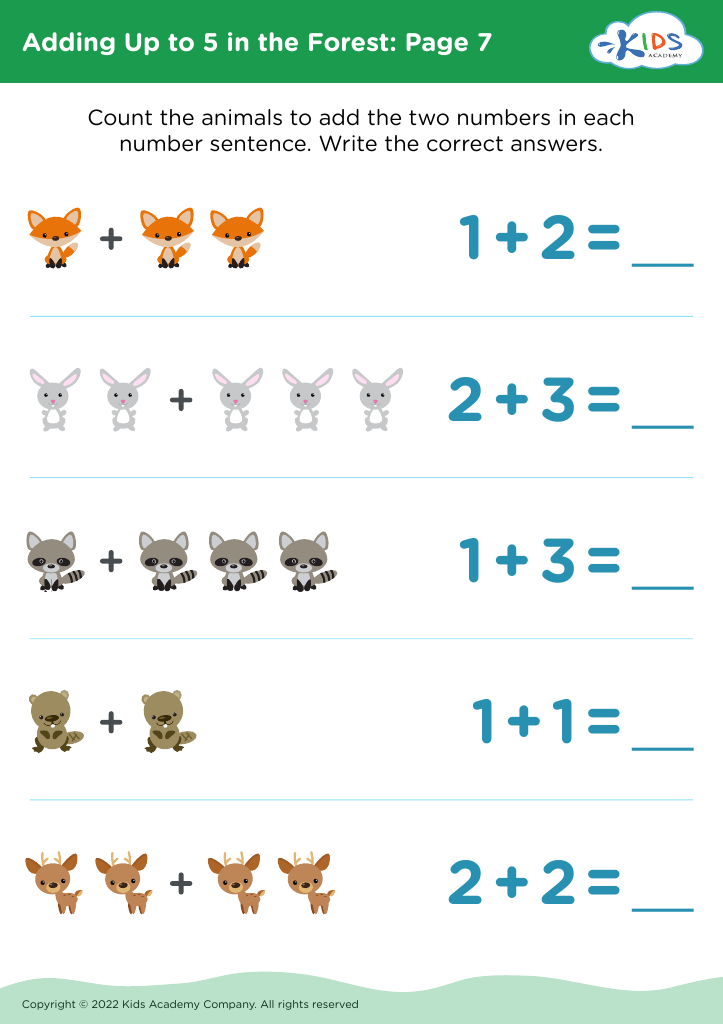
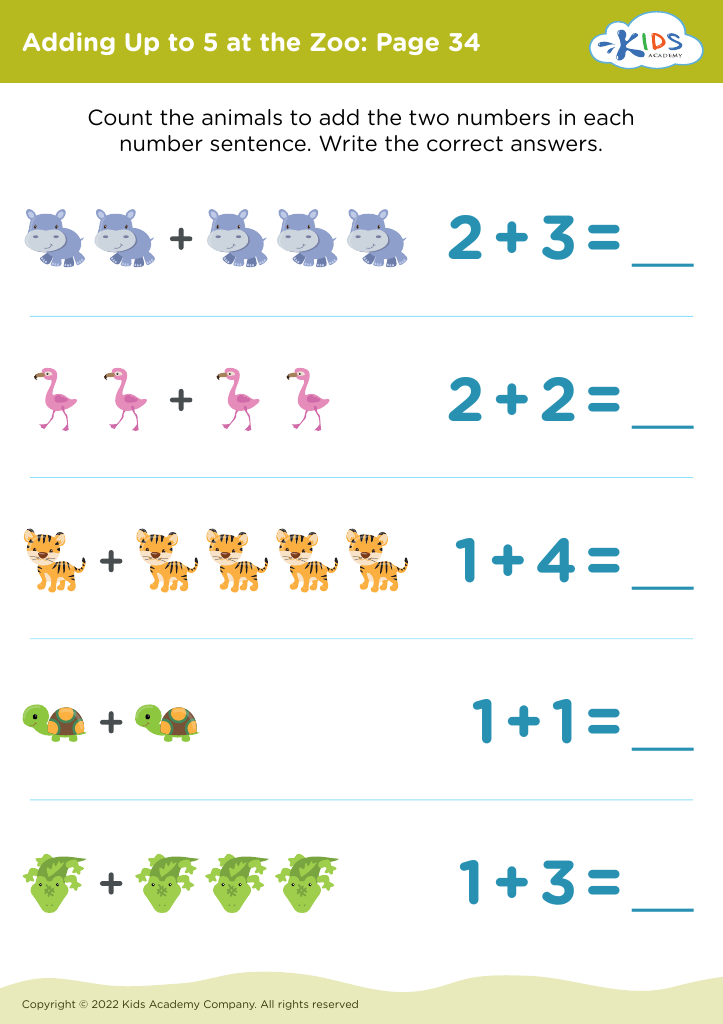
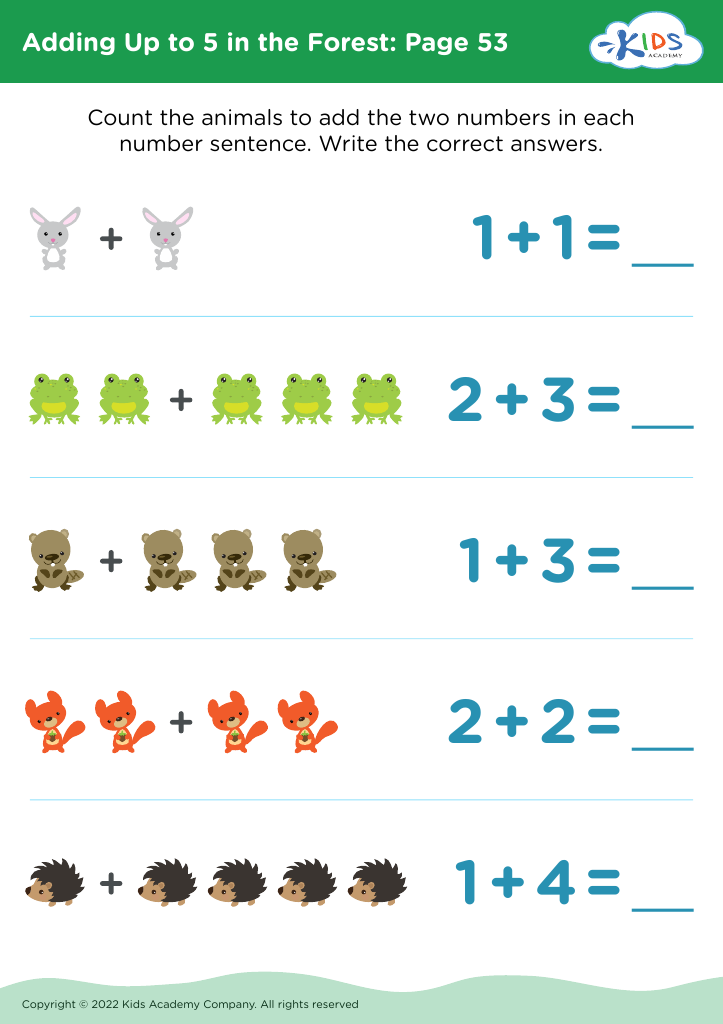
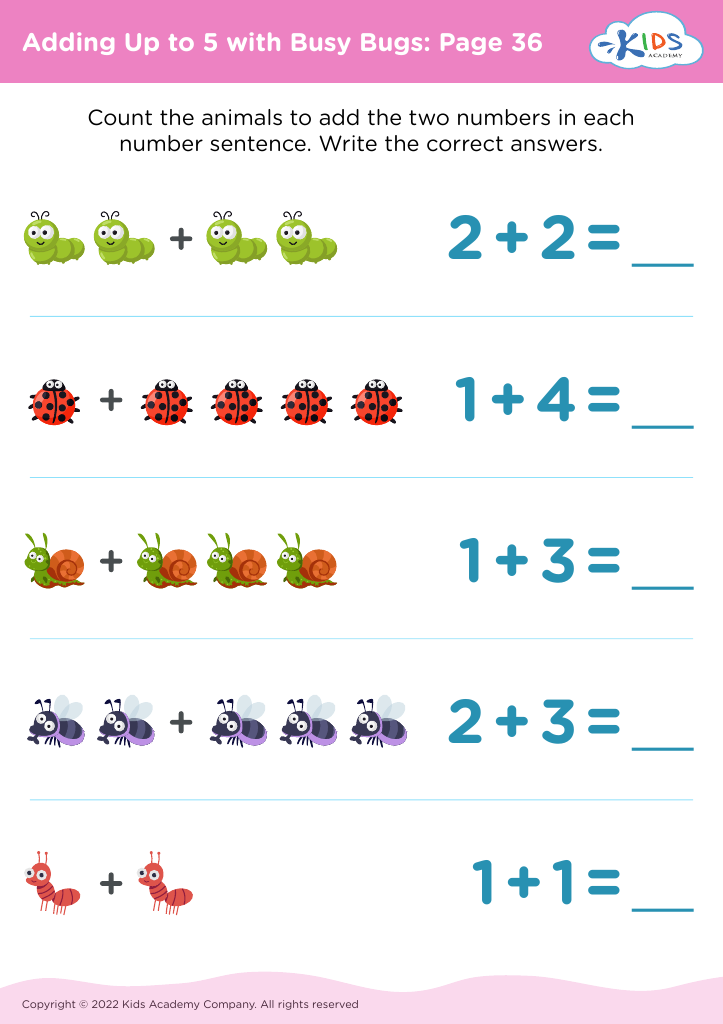
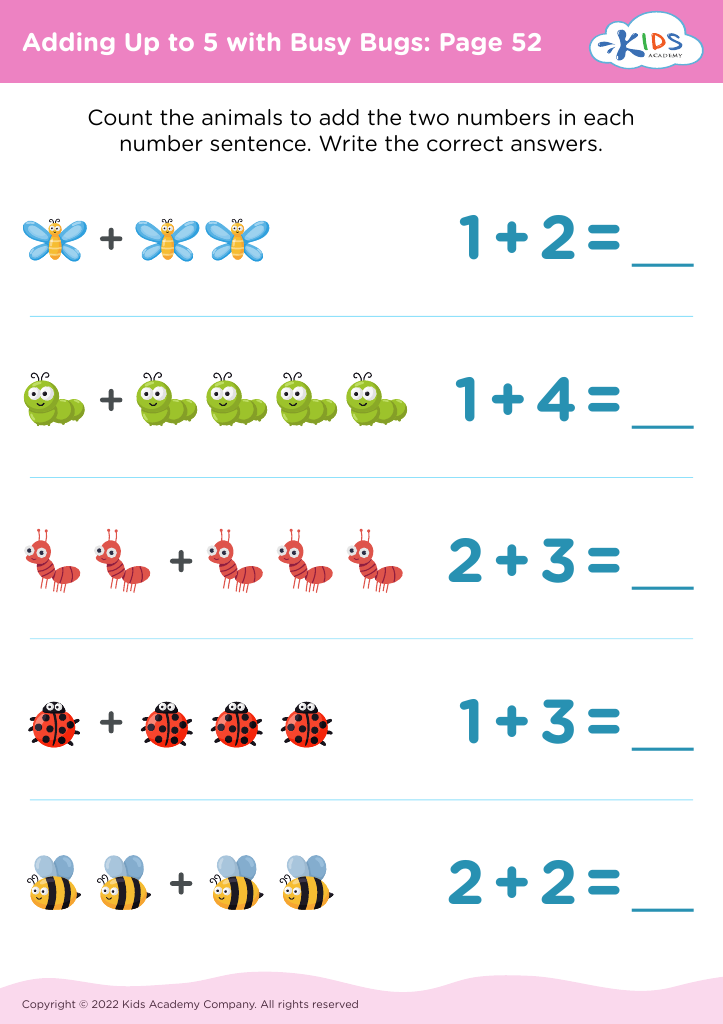








Visual comprehension is an essential skill for young children aged 3-7, as it lays the foundation for future academic success and overall cognitive development. During these formative years, children learn to make sense of the world around them primarily through visual inputs. By nurturing visual comprehension, parents and teachers help children improve their ability to interpret and understand visual information, which directly enhances their reading, writing, and problem-solving skills.
At this age, children often rely on visual cues to understand new concepts. Picture books, educational videos, and visual aids used in classrooms serve as major sources of learning. Developing visual comprehension enables children to better grasp the narrative of stories, recognize patterns, and connect images with words, enhancing their vocabulary and language skills.
Moreover, strong visual comprehension aids in social interactions and emotional understanding. As children learn to read facial expressions and body language, they develop empathy and better communication skills, which are essential for forming friendships and working collaboratively.
Lastly, fostering visual comprehension also boosts creativity and imagination by encouraging children to visualize abstract ideas and invent their own stories and scenarios. Given its impact on multiple domains of learning and development, parents and teachers should actively promote and support activities and experiences that enhance this critical skill.








