Hand-eye Coordination Logic and Early Math Worksheets for Ages 3-7
3 filtered results
-
From - To
Enhance your child's cognitive abilities with our Hand-eye Coordination, Logic, and Early Math Worksheets designed for ages 3-7. These engaging worksheets promote essential skills such as critical thinking, spatial awareness, and fine motor development. Captivating illustrations and interactive activities make learning fun while fostering a deeper understanding of math concepts. Children will improve their hand-eye coordination as they complete puzzles, match shapes, and solve problems, laying a strong foundation for future academic success. Explore our range of carefully crafted materials to empower your little learners and watch their confidence grow. Start their learning journey today with our innovative worksheets!
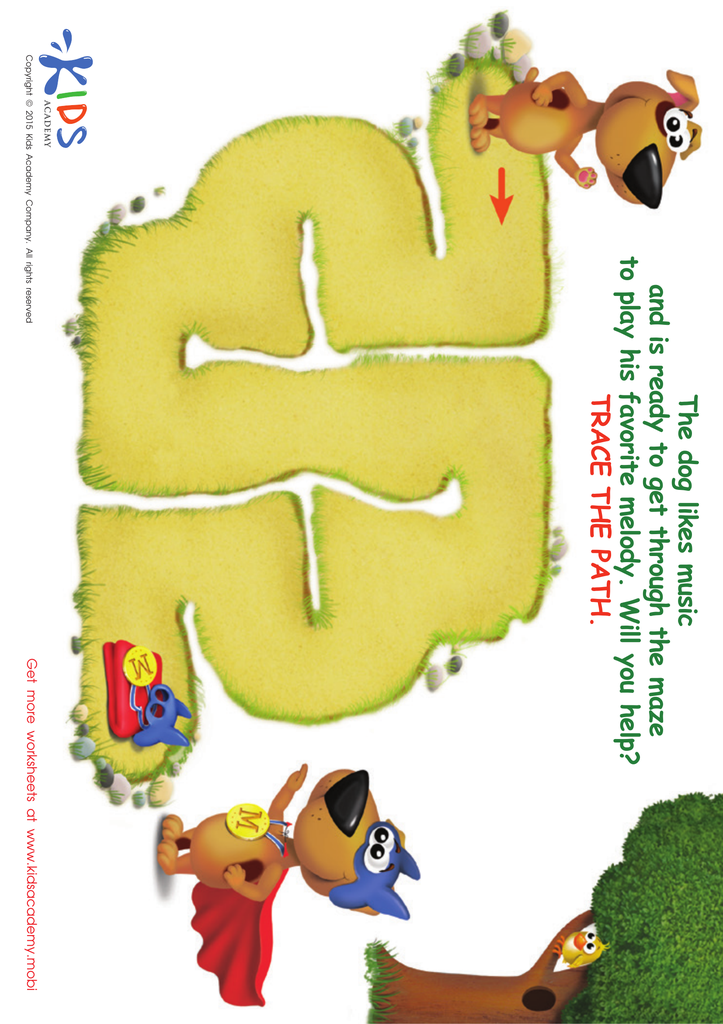
Superman Maze Worksheet
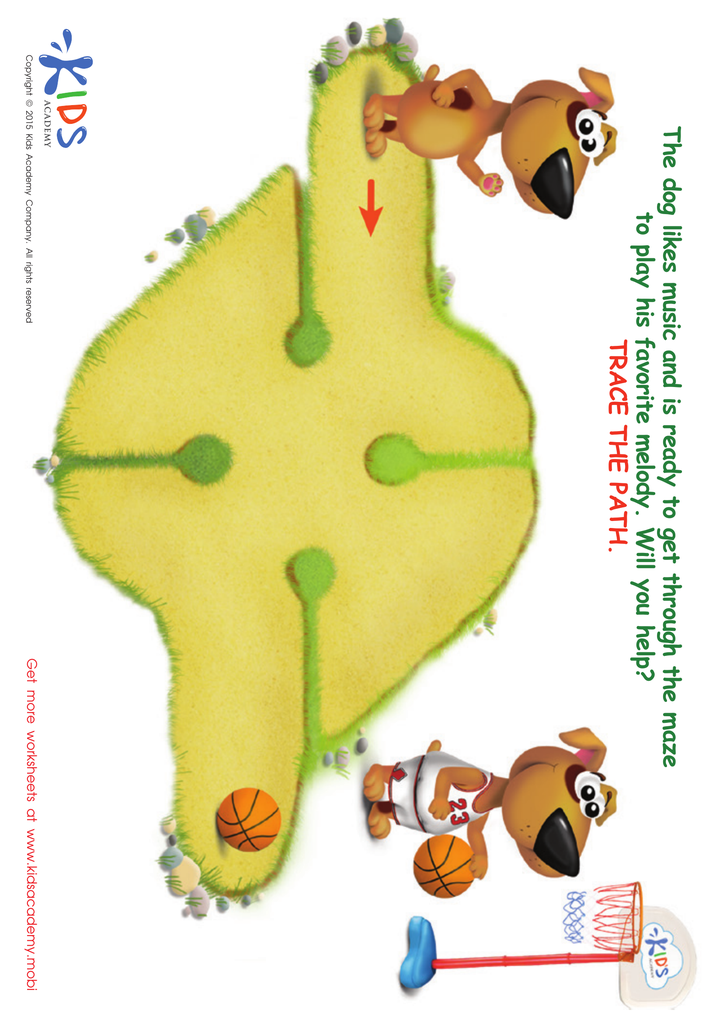
Basketball Player Maze Worksheet

Tennis Player Maze Worksheet








Parents and teachers should pay close attention to hand-eye coordination and early math skills for children aged 3-7 because these foundational abilities significantly influence a child's overall development. Hand-eye coordination is essential for mastering basic physical tasks such as writing, drawing, and manipulating small objects which are crucial for academic readiness. Engaging in activities that promote coordination, such as puzzles, building blocks, and arts and crafts, fosters both fine motor skills and cognitive growth.
Moreover, early math skills acquired in this age range serve as the building blocks for future mathematical understanding. Concepts such as counting, recognizing patterns, and understanding spatial relationships are not only important for future academic success but also for daily life skills. Early exposure to math through play—like measuring ingredients while cooking or counting toys—helps children relate math to the real world, making learning enjoyable and relevant.
In essence, nurturing hand-eye coordination and math skills in the early years cultivates a love for learning, enhances problem-solving abilities, and prepares children for the challenges of formal education. Both parents and teachers play vital roles in providing these learning experiences, ultimately shaping children's confidence and competence in their abilities.