Shape Recognition 2D Shapes Worksheets for Ages 3-7 - Page 2
33 filtered results
-
From - To
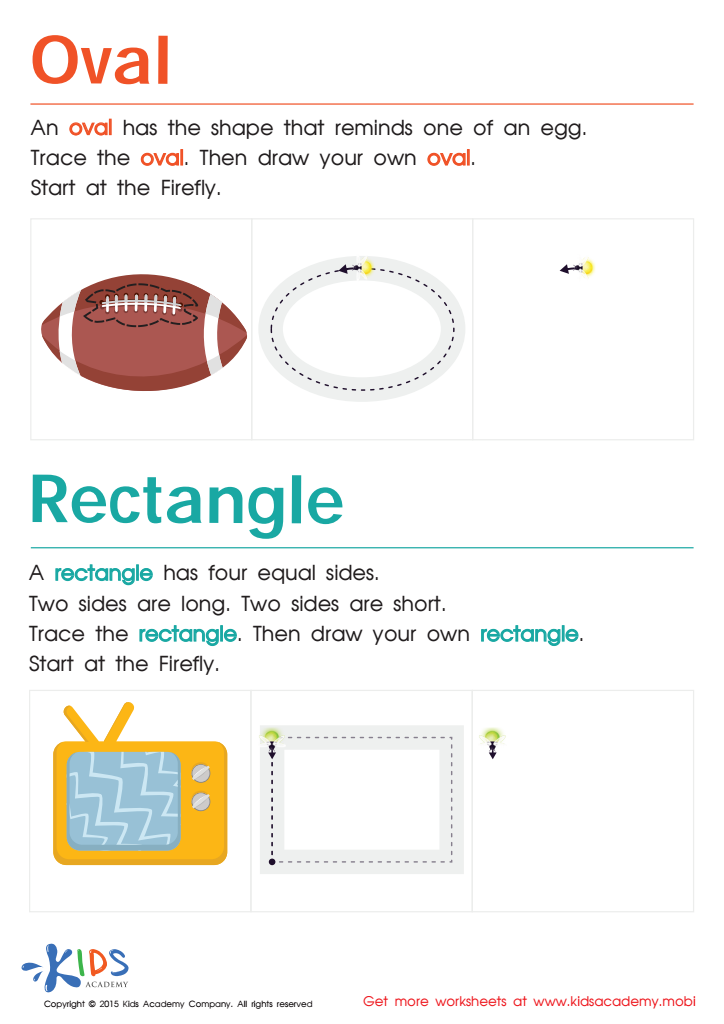
Easy Drawing of Ovals And Rectangles Worksheet
 Assign to My Students

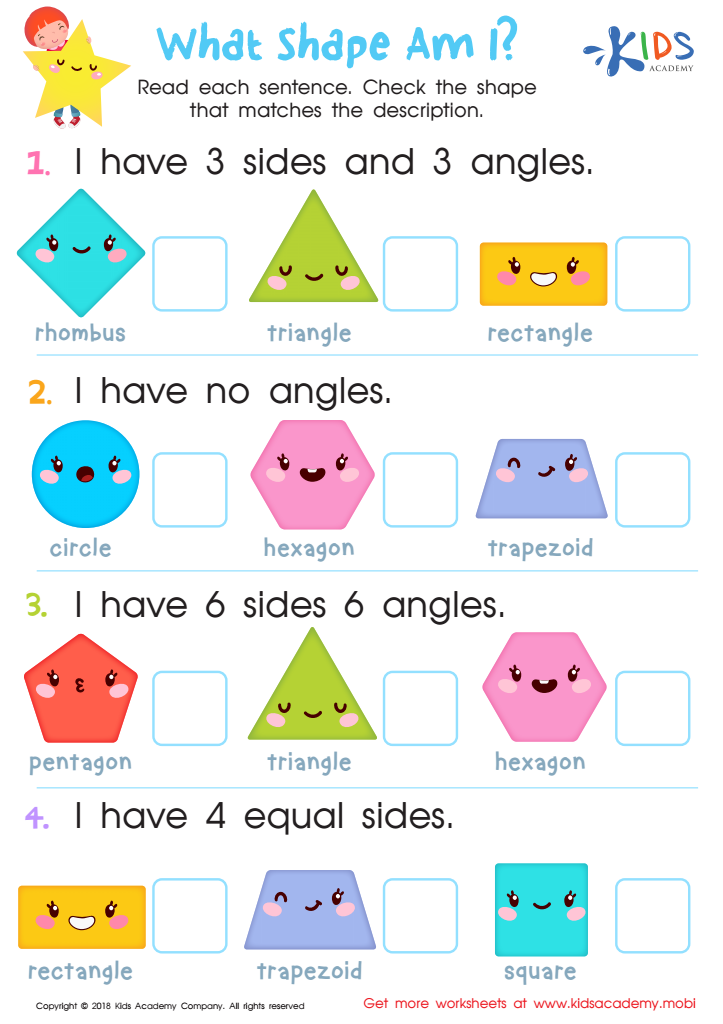
What Shape Am I? Worksheet
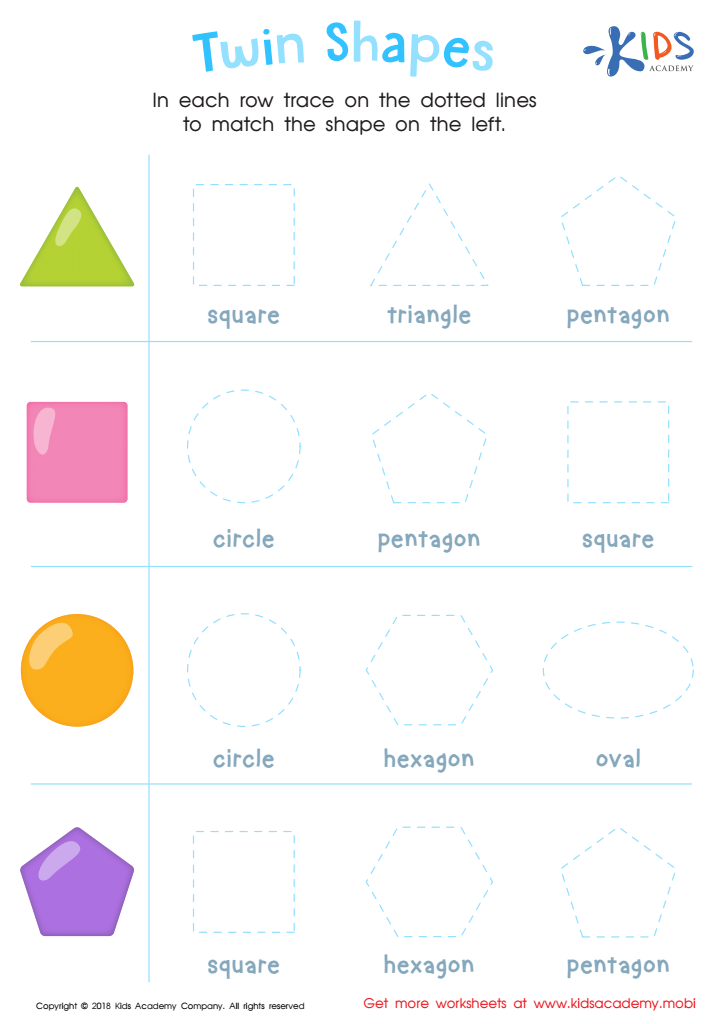
Twin Shapes Dot-to-Dot Worksheet
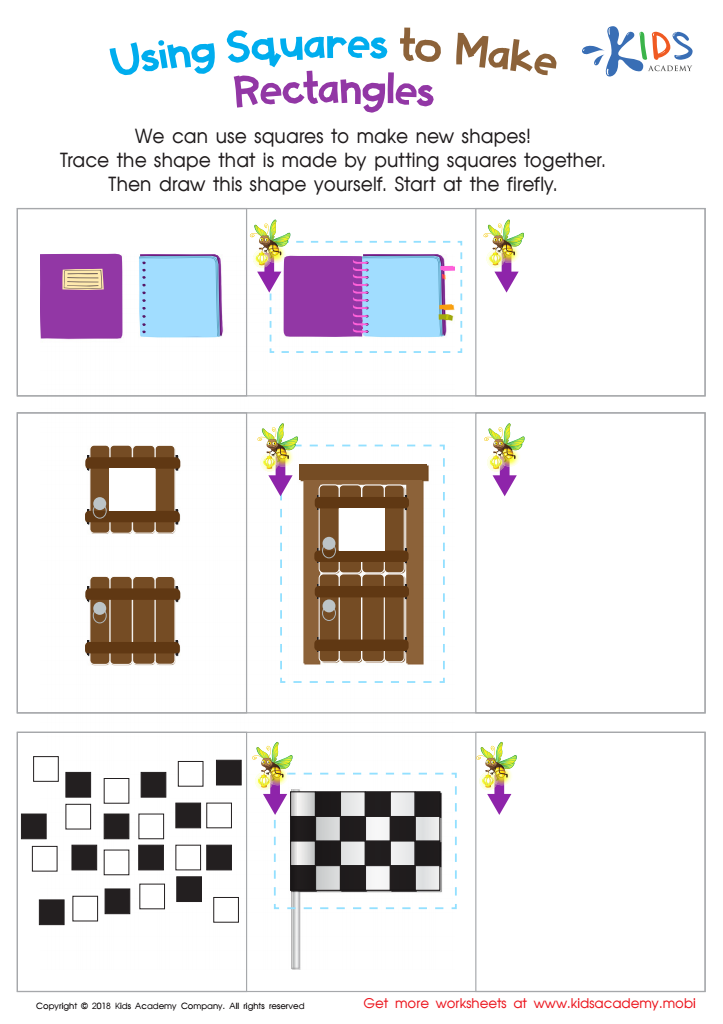
Using Squares to Make Rectangles Worksheet
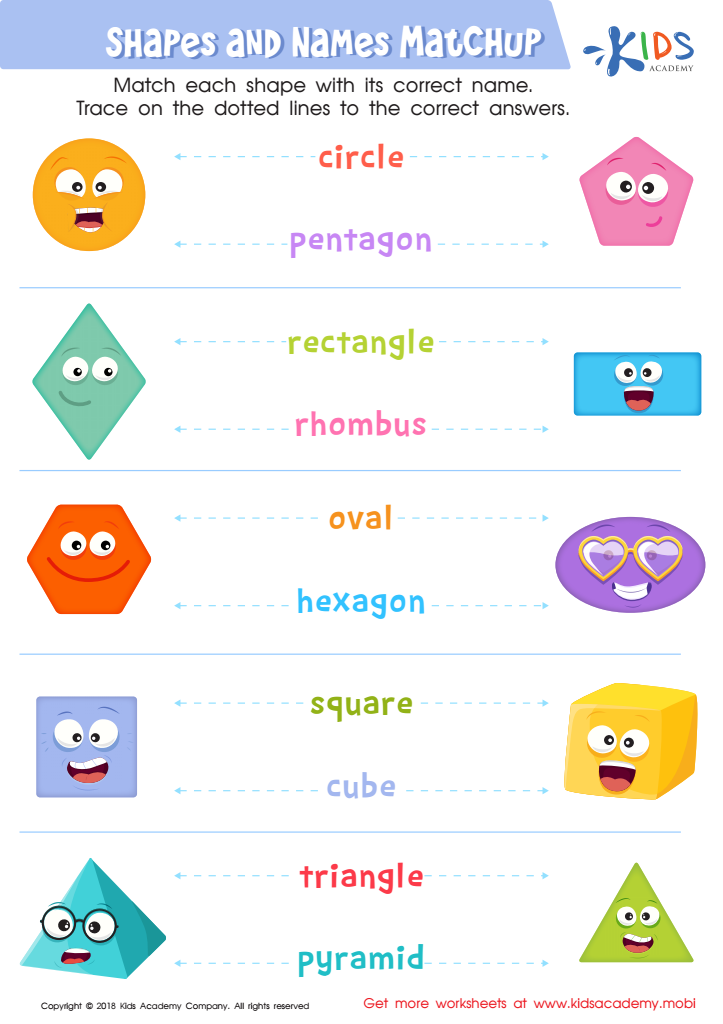
Shapes and Names Matchup Worksheet
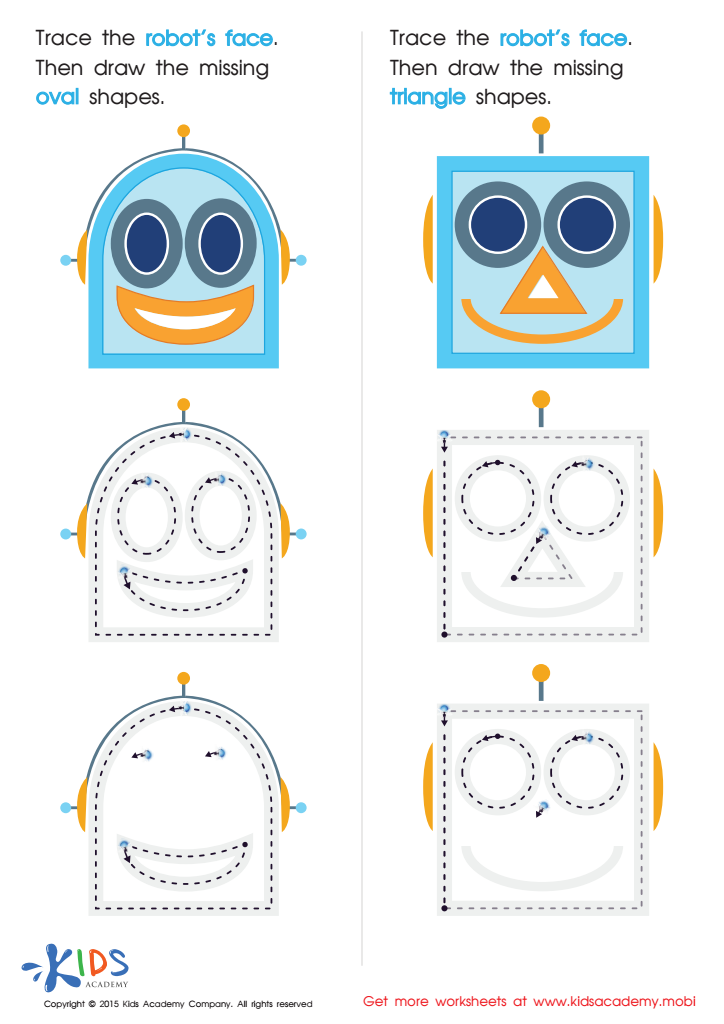
Drawing Ovals And Triangles with Fun Printable
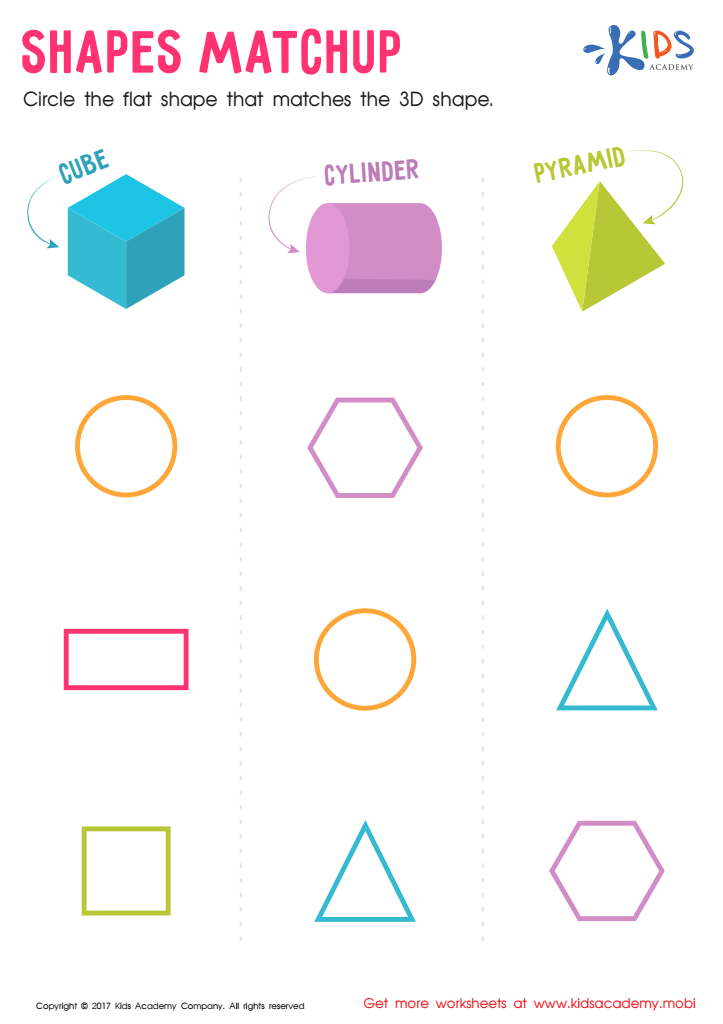
Shapes Matchup Worksheet
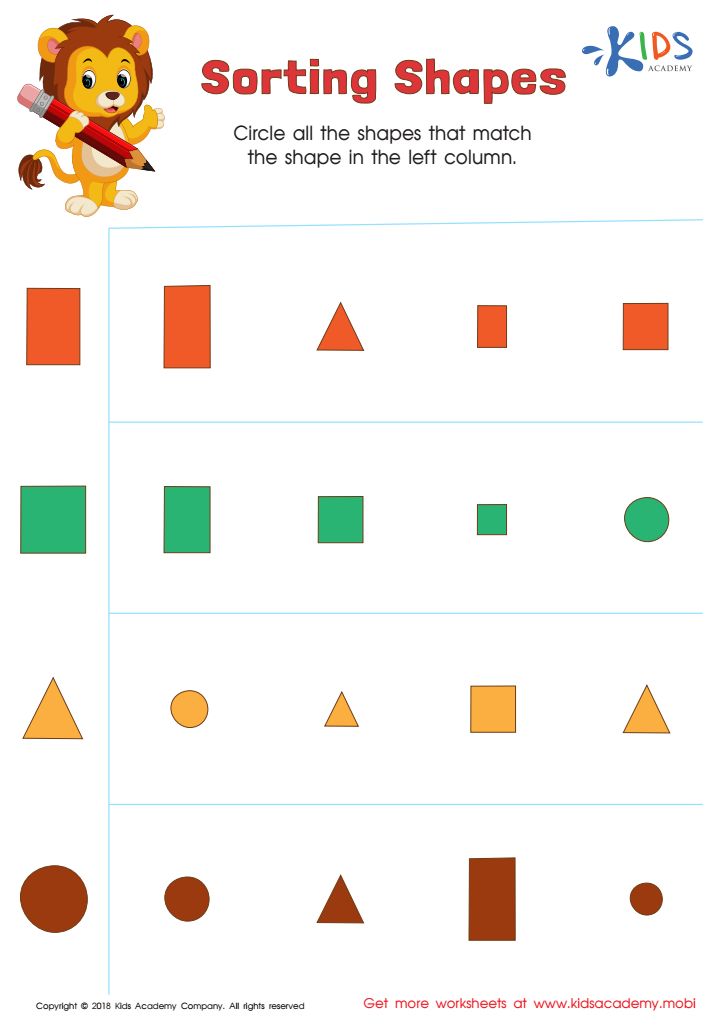
Sorting Shapes - Part 2 Worksheet
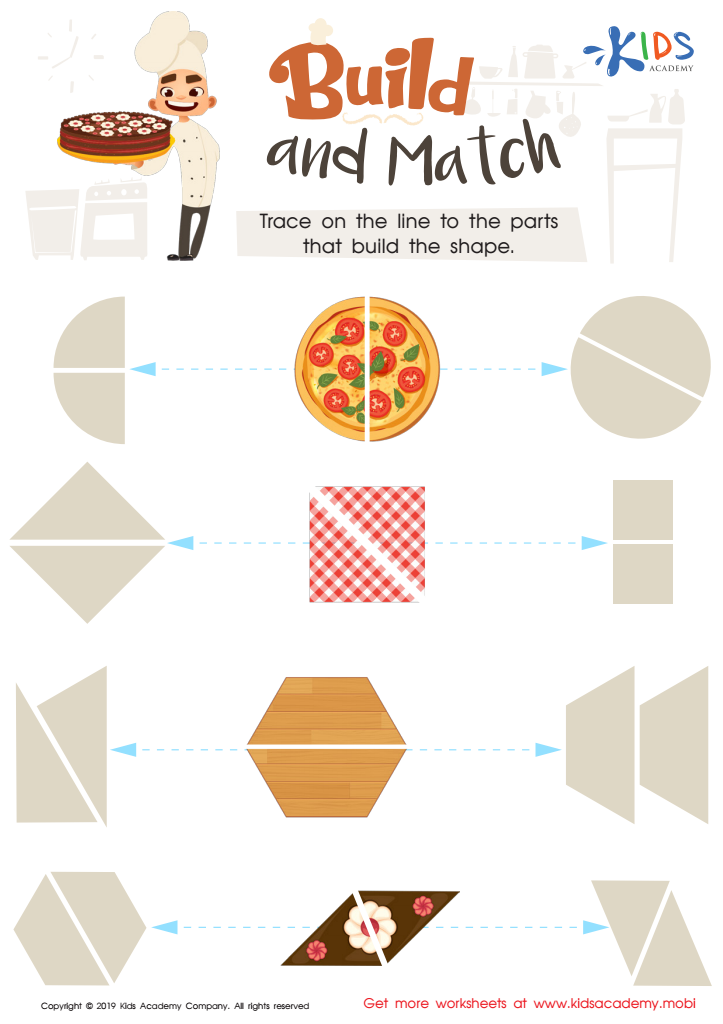
Build and Match Worksheet








Shape recognition is a fundamental skill that plays a crucial role in early childhood development for children aged 3-7. Parents and teachers should care about this area of learning because it serves as a building block for various cognitive abilities. Recognizing 2D shapes helps children develop visual discrimination, which is essential for later skills such as reading and math. For instance, identifying shapes lays the groundwork for understanding patterns, sorting, and spatial awareness, all of which are critical in STEM learning.
Moreover, engaging with 2D shapes fosters fine motor skills as children often draw, cut, or construct with shapes, enhancing their dexterity and hand-eye coordination. The opportunity to explore and manipulate shapes also encourages problem-solving and critical thinking skills, as children begin to understand how different shapes relate to one another.
Additionally, shape recognition aligns with social-emotional development; group activities utilizing shapes can enhance cooperative play and communication among peers. Ultimately, by emphasizing shape recognition, parents and teachers equip children with essential tools for their future academic success and overall cognitive development, nurturing inquisitive minds that are necessary for lifelong learning.