Filters

43 filtered results

Clear all filters
Favorites
With answer key
Interactive

43 filtered results

Difficulty Level

Grade


Check out this FREE Trial Lesson on Adding up to 50 for age 3-7!

Match Objects that Fit Together

Favorites
With answer key
Interactive
  • 3-7
  • Number Recognition
  • Adding up to 50
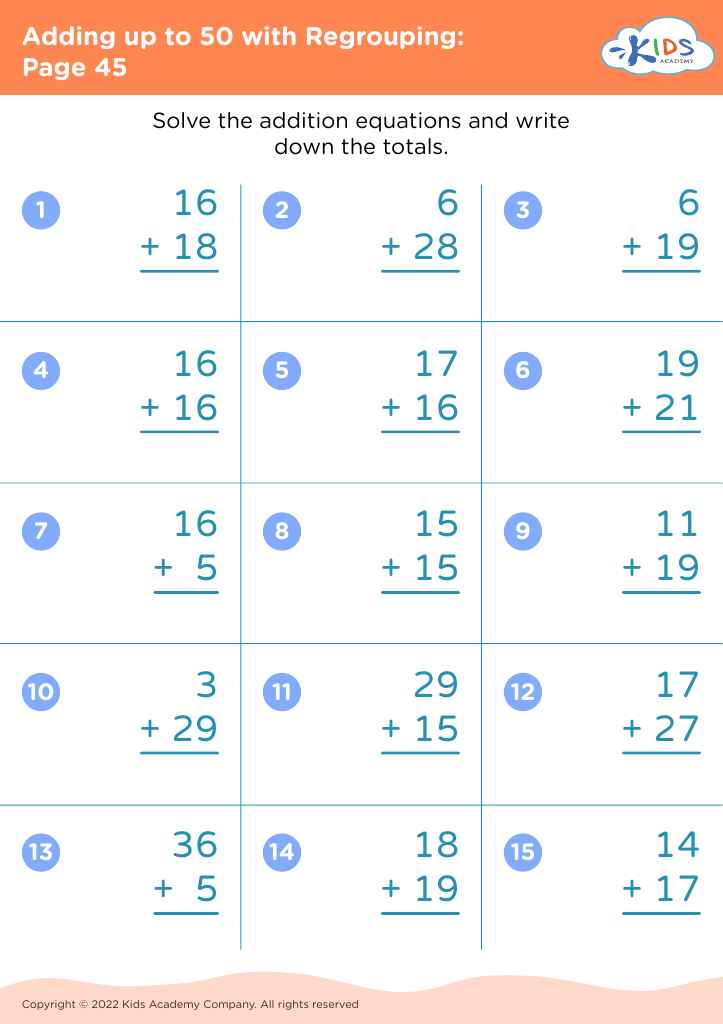
Adding up to 50 with Regrouping: Page 45
Worksheet
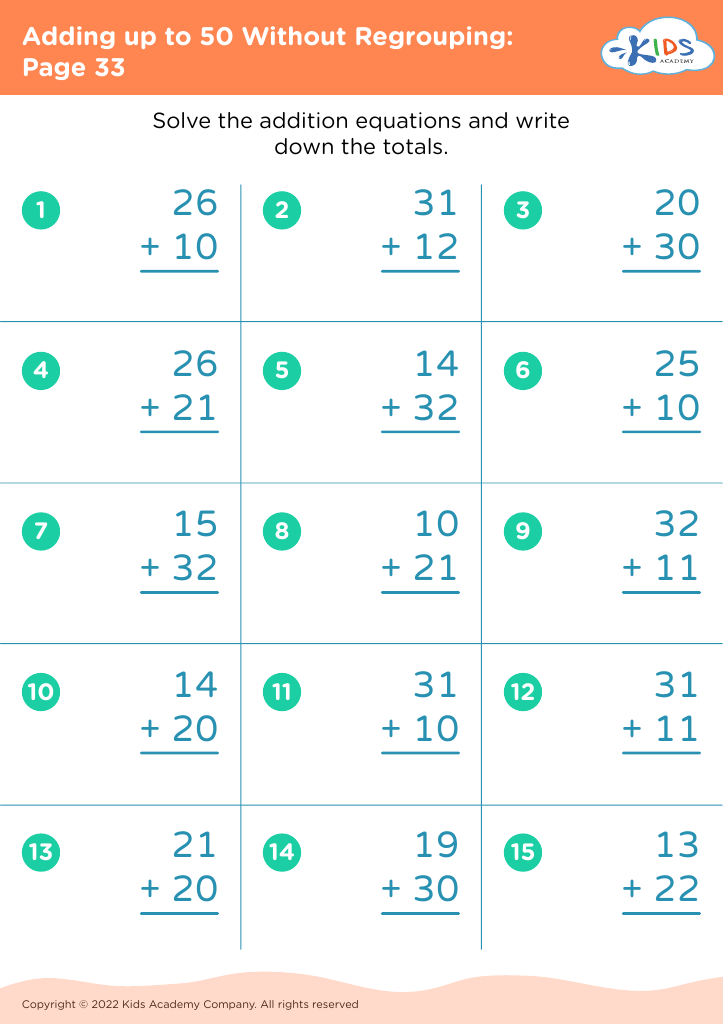
Adding up to 50 Without Regrouping: Page 33
Worksheet
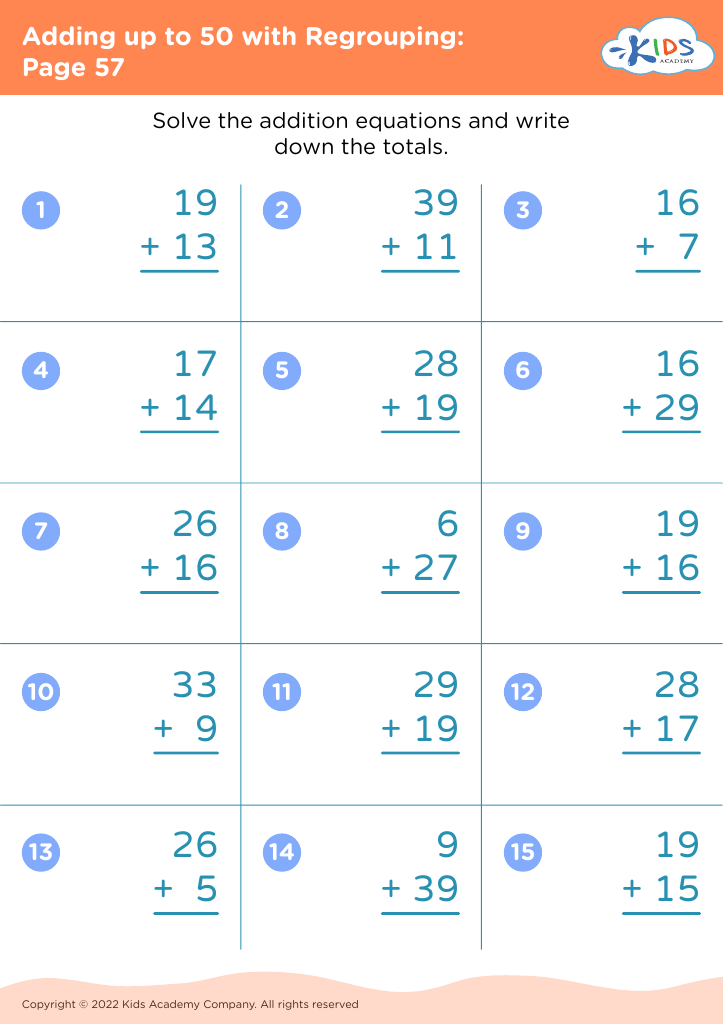
Adding up to 50 with Regrouping: Page 57
Worksheet
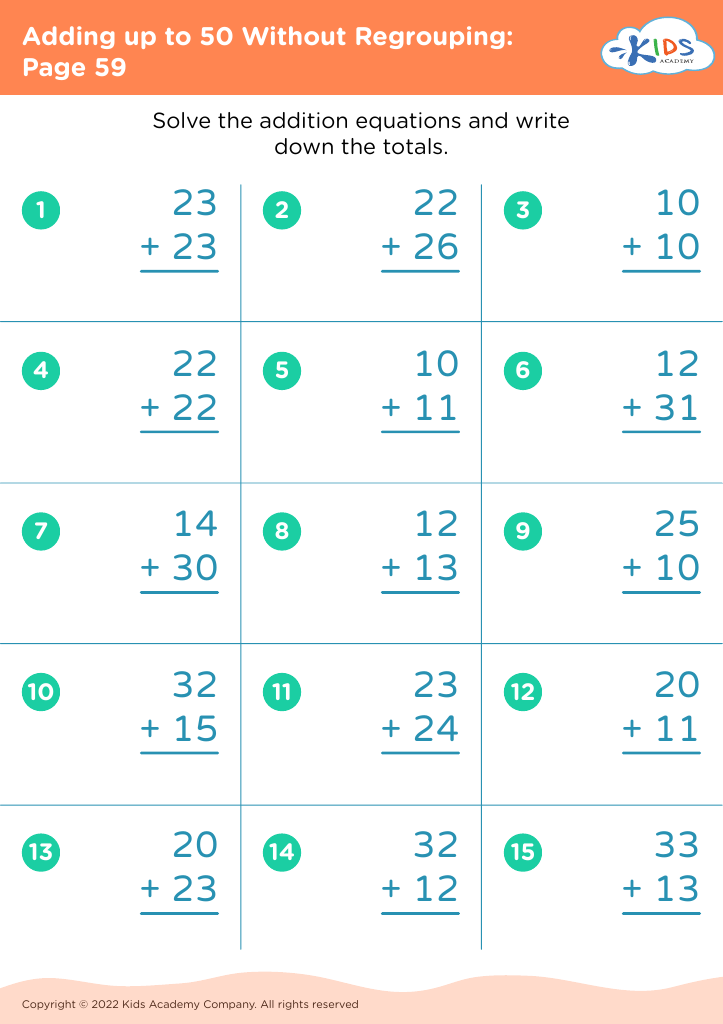
Adding up to 50 Without Regrouping: Page 59
Worksheet
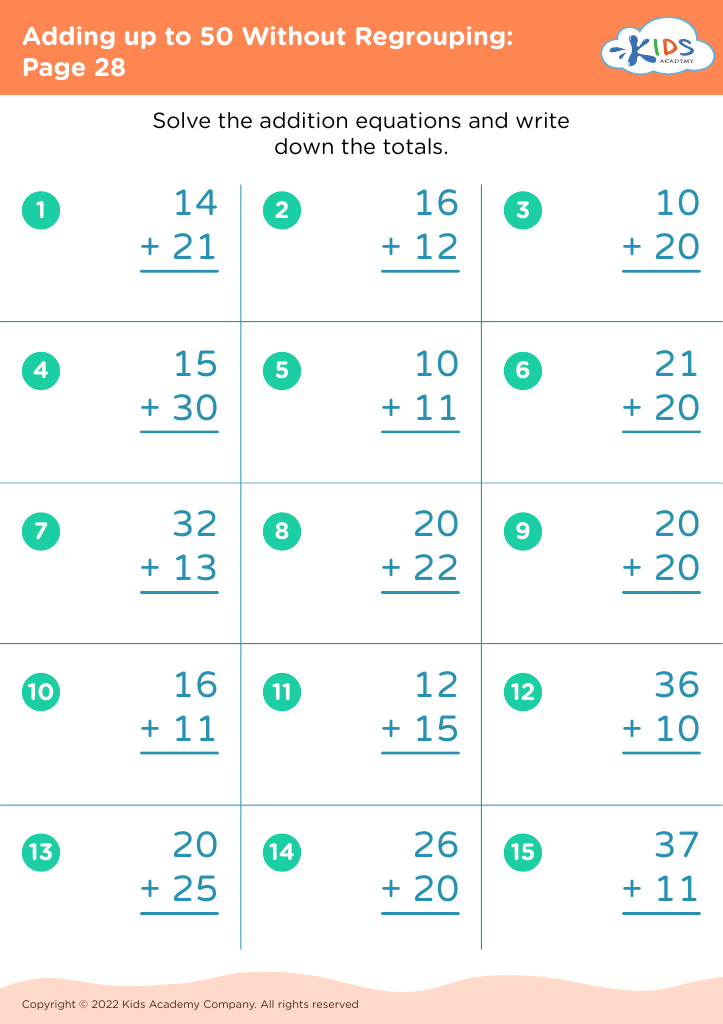
Adding up to 50 Without Regrouping: Page 28
Worksheet
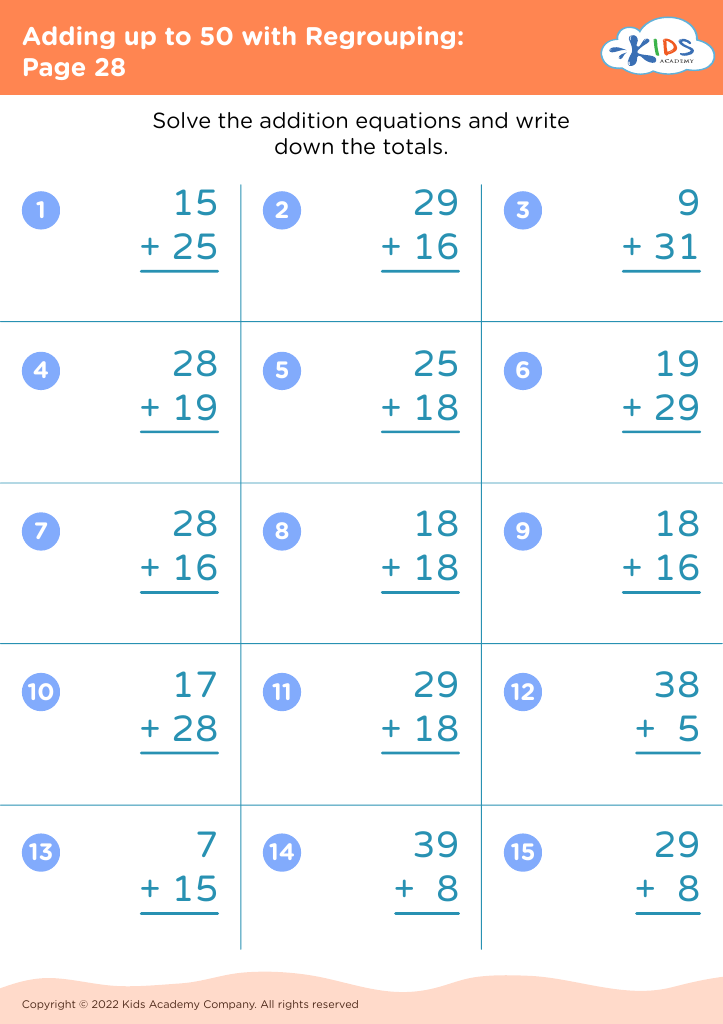
Adding up to 50 with Regrouping: Page 28
Worksheet
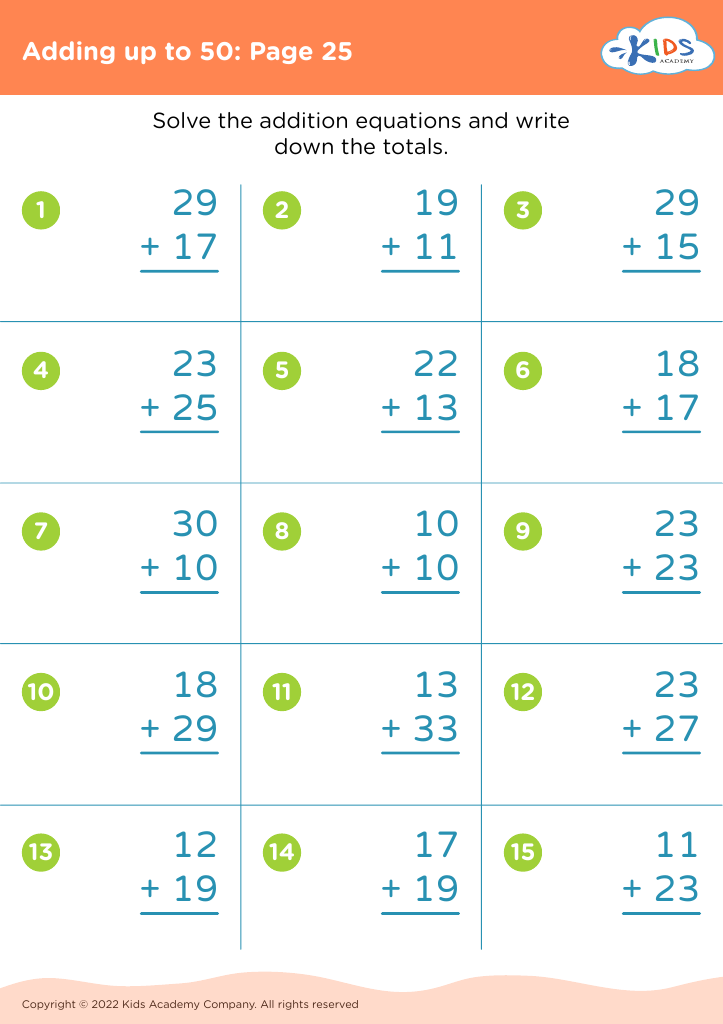
Adding up to 50: Page 25

Adding up to 50: Page 25

Adding up to 50: Page 25
Worksheet
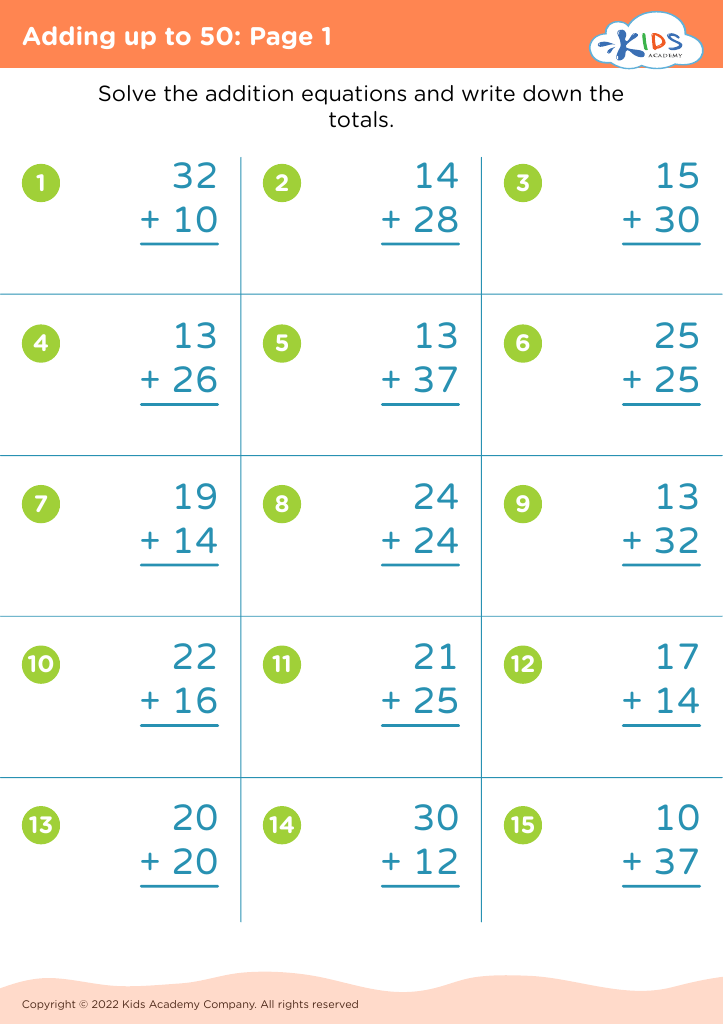
Adding up to 50: Page 1

Adding up to 50: Page 1

Adding up to 50: Page 1
Worksheet
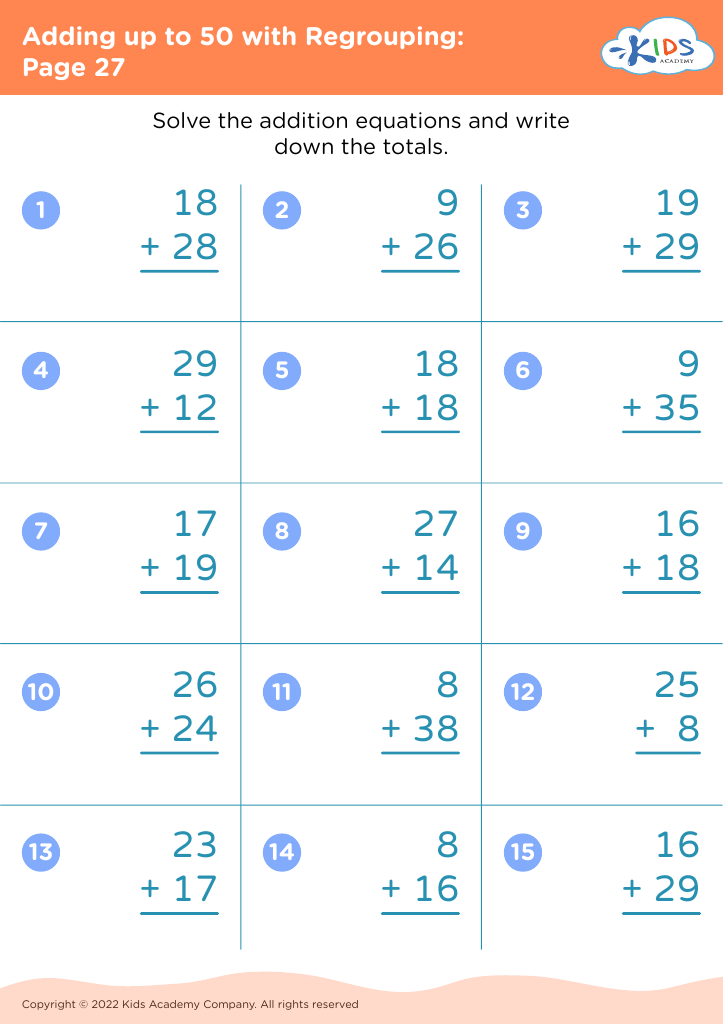
Adding up to 50 with Regrouping: Page 27
Worksheet
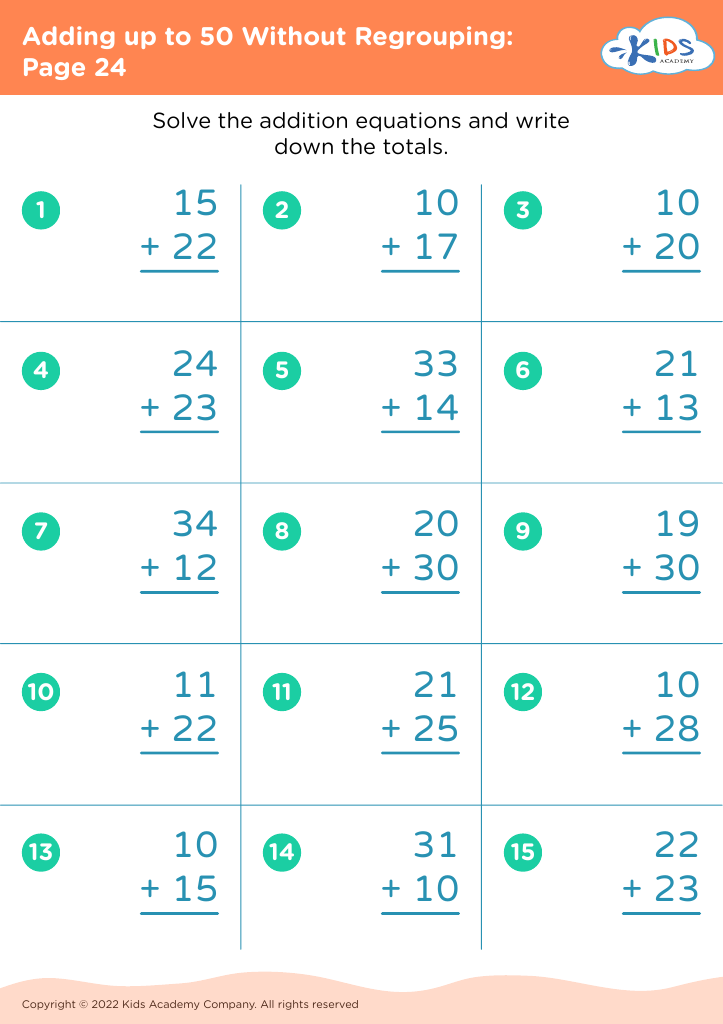
Adding up to 50 Without Regrouping: Page 24
Worksheet
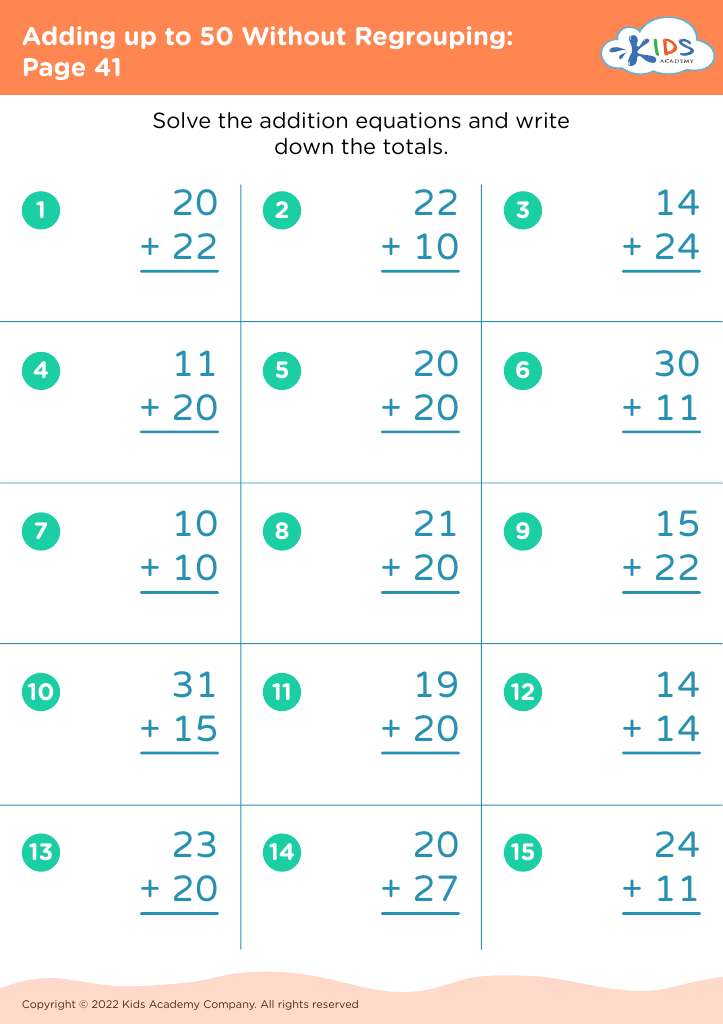
Adding up to 50 Without Regrouping: Page 41
Worksheet
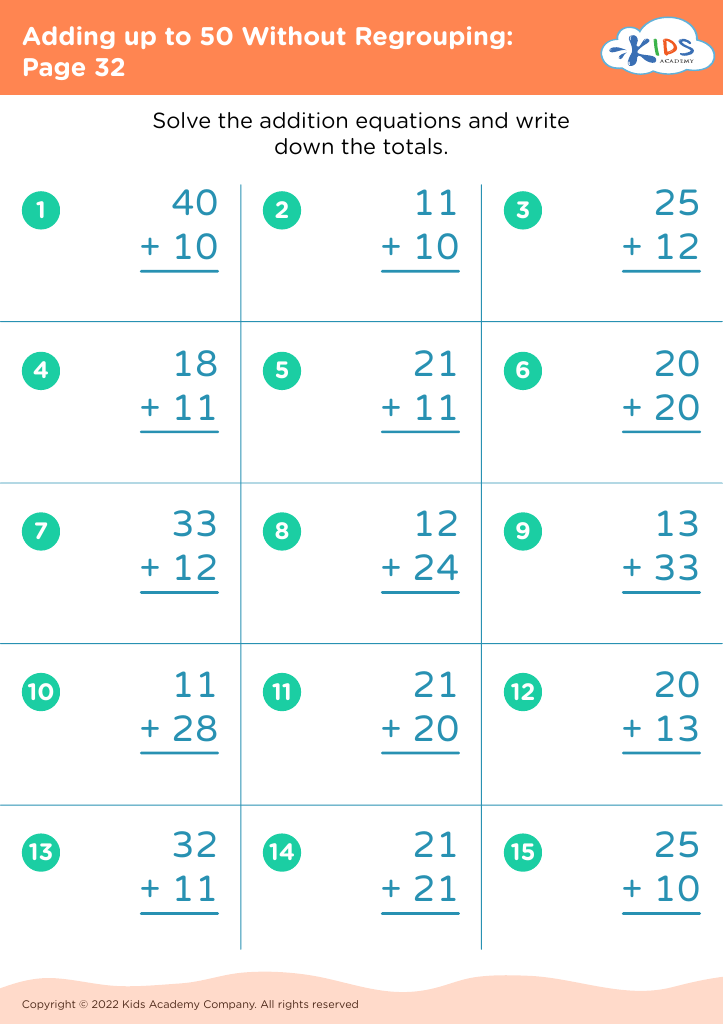
Adding up to 50 Without Regrouping: Page 32
Worksheet
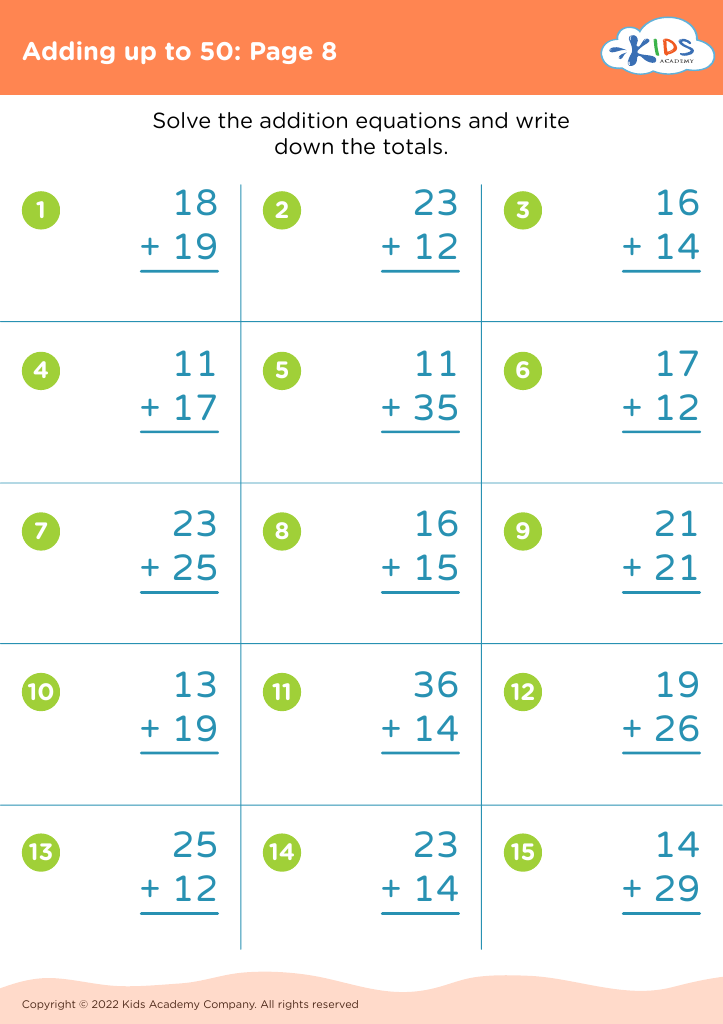
Adding up to 50: Page 8

Adding up to 50: Page 8

Adding up to 50: Page 8
Worksheet
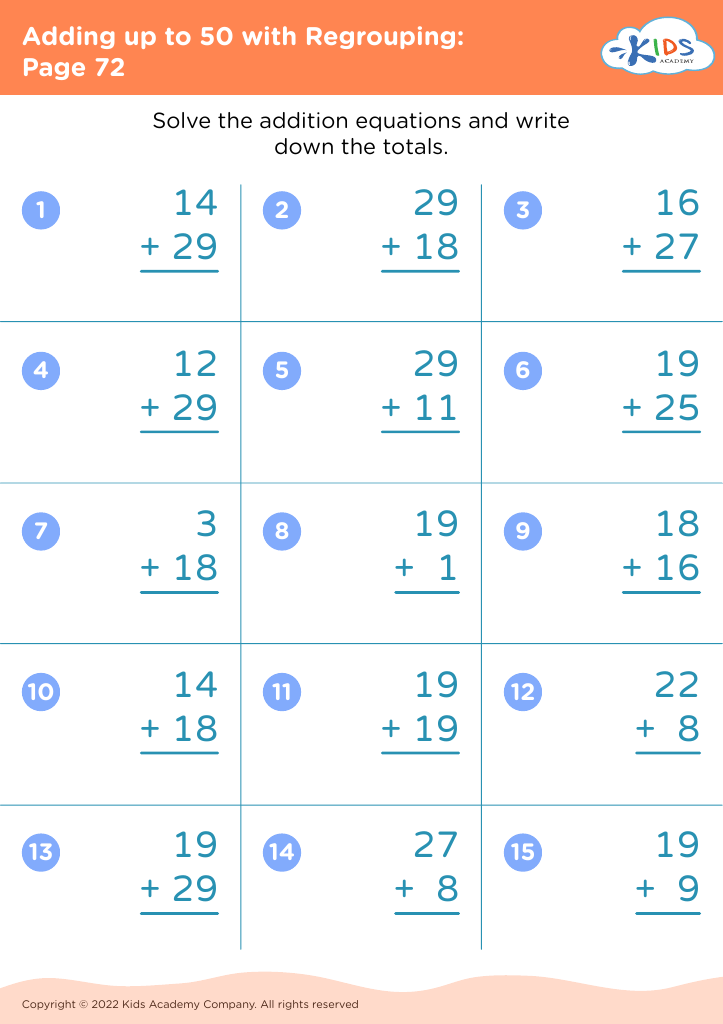
Adding up to 50 with Regrouping: Page 72
Worksheet
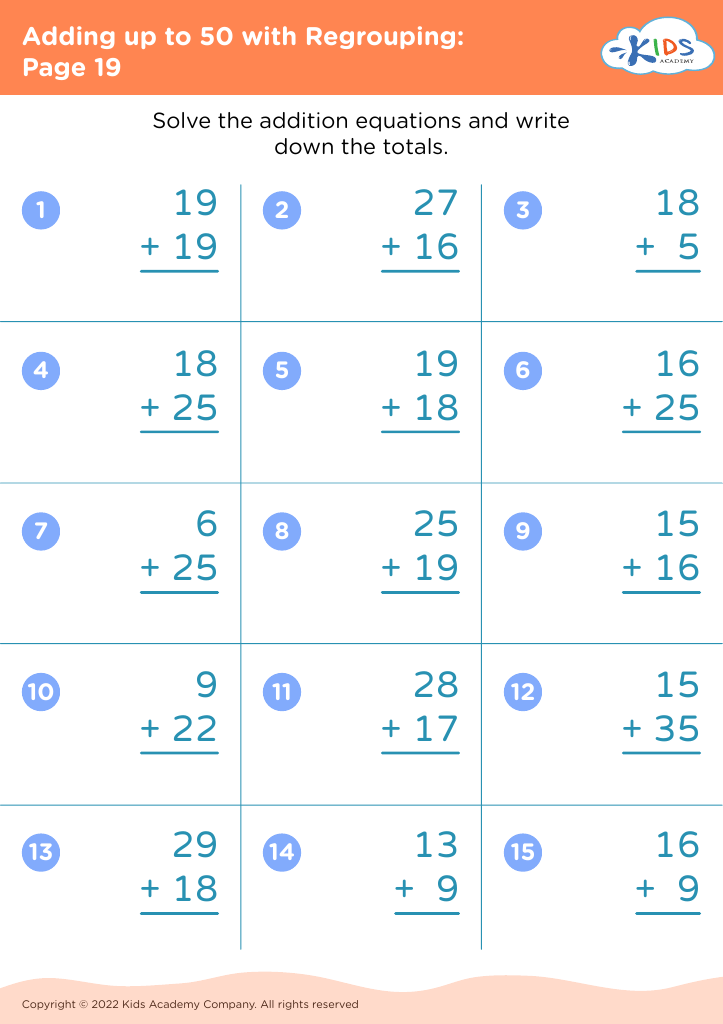
Adding up to 50 with Regrouping: Page 19
Worksheet
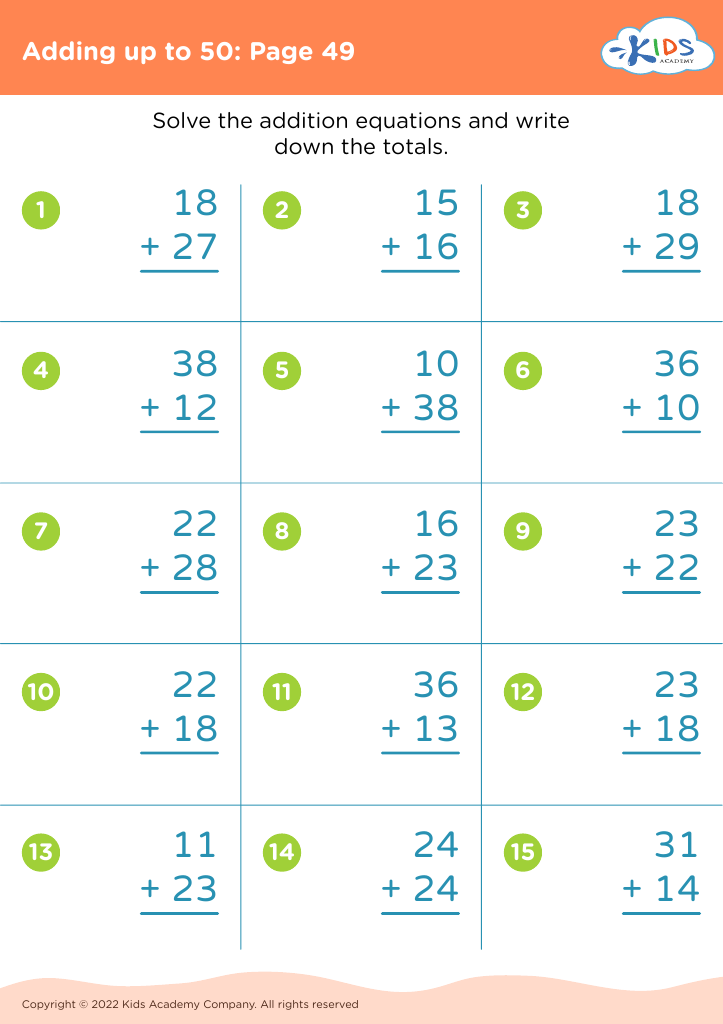
Adding up to 50: Page 49

Adding up to 50: Page 49

Adding up to 50: Page 49
Worksheet
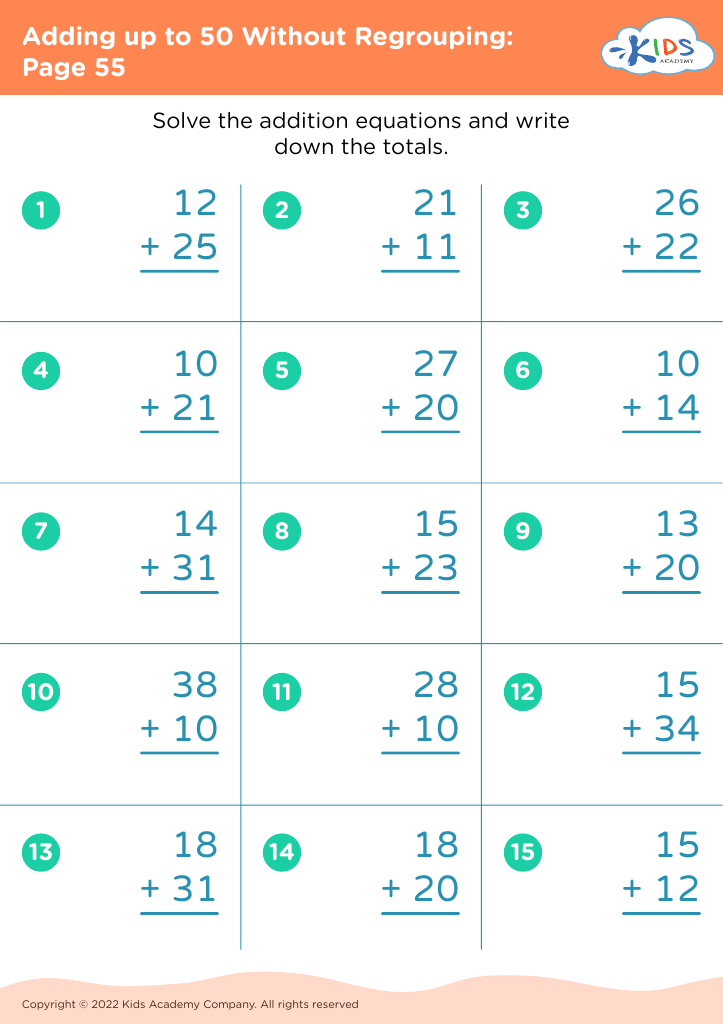
Adding up to 50 Without Regrouping: Page 55
Worksheet
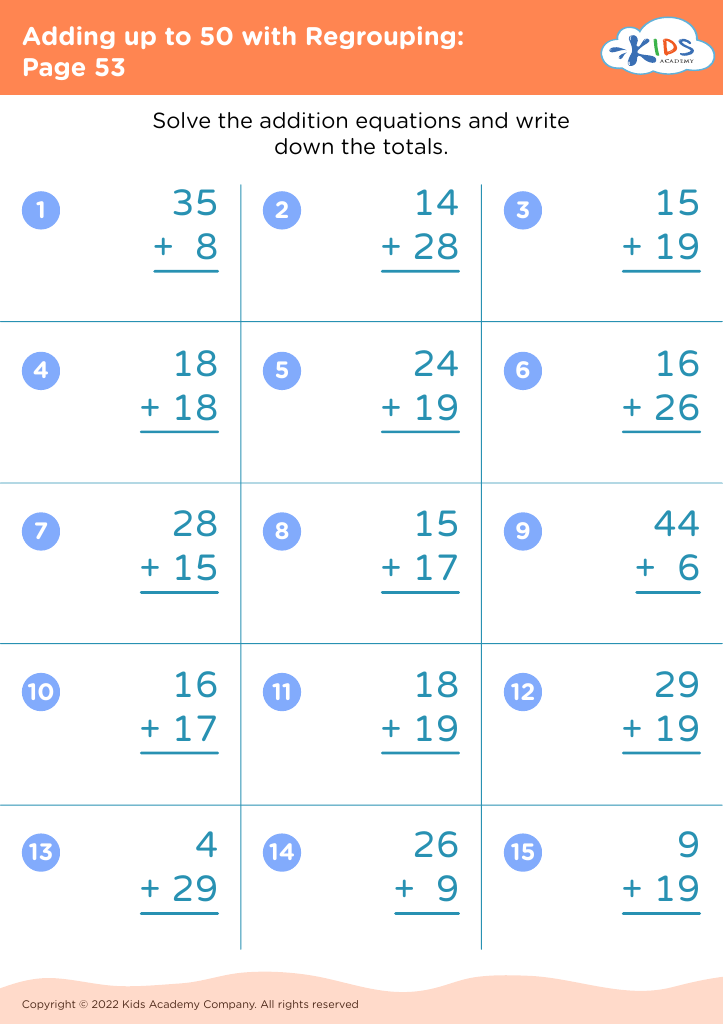
Adding up to 50 with Regrouping: Page 53
Worksheet
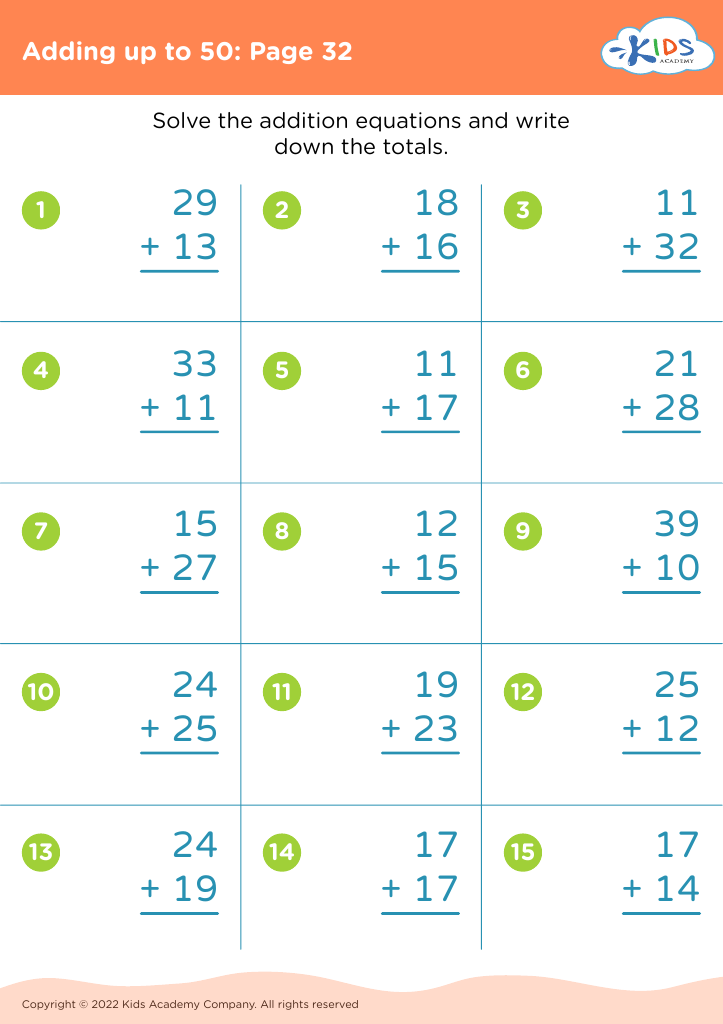
Adding up to 50: Page 32

Adding up to 50: Page 32

Adding up to 50: Page 32
Worksheet


Number recognition and the ability to add numbers up to 50 are crucial developmental milestones for children aged 3-7. These skills form the foundation of numeracy, which is essential for later success in more complex mathematical concepts. When children recognize and understand numbers, they develop cognitive skills such as memory and problem-solving. This early numeracy cultivates a positive attitude towards math, helping to diminish math anxiety in later stages of education.

Understanding numbers up to 50 helps children grasp the basics of the decimal system, setting the stage for learning operations involving larger numbers. It encourages logical thinking by familiarizing them with patterns and sequences. For instance, recognizing that 10 follows 9 and that 50 follows 49 is fundamental for future arithmetic operations.

Furthermore, integrating these numerical skills into daily activities can make learning more concrete and relatable; for example, counting objects, simple board games, or even small purchases. By involving parents and teachers in fostering these skills, children receive the support needed to feel confident in their abilities. This nurtures a love for learning and builds the practical skills they'll use throughout their life, not just in mathematical contexts but in understanding and interacting with the world.