
Addition Practice Addition Facts Worksheets for Ages 3-7
6 filtered results
Difficulty Level
Grade
Age
-
From - To
Subject
Activity
Standards
Welcome to our "Addition Practice Addition Facts Worksheets" page, designed specifically for children ages 3-7! Our engaging, printable worksheets provide a fun and interactive way for young learners to master essential addition skills. Each worksheet features colorful illustrations and easy-to-follow exercises that encourage children to practice basic addition facts, ensuring they build a strong foundation in math. With step-by-step activities and varying levels of difficulty, these worksheets cater to different learning levels, promoting confidence and mastery. Explore our collection to help your child develop their numerical abilities while enjoying an enriching learning experience!
Favorites
With answer key
Interactive
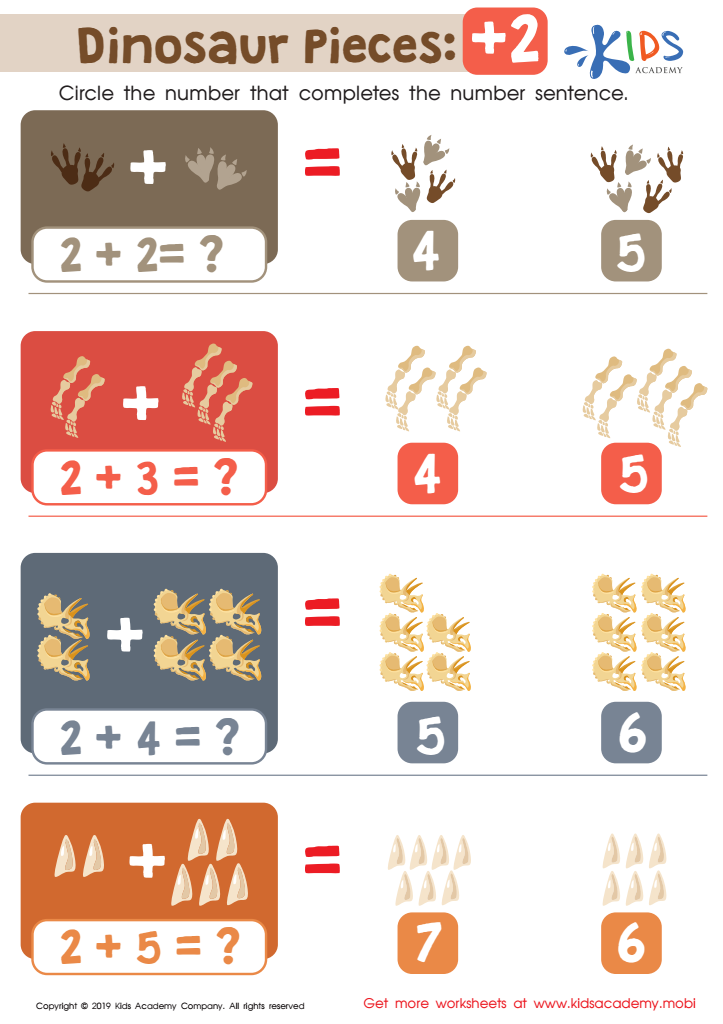
Dinosaur Pieces: +2 Worksheet
Kids love dinosaurs! See if your kids can solve these three equations featuring the mysterious creatures. Download the PDF and have them circle the number that completes each equation. Dinosaurs are extinct, not seen for thousands of years, but they can still help kids work on their math skills!
 Assign to My Students
Dinosaur Pieces: +2 Worksheet
Worksheet
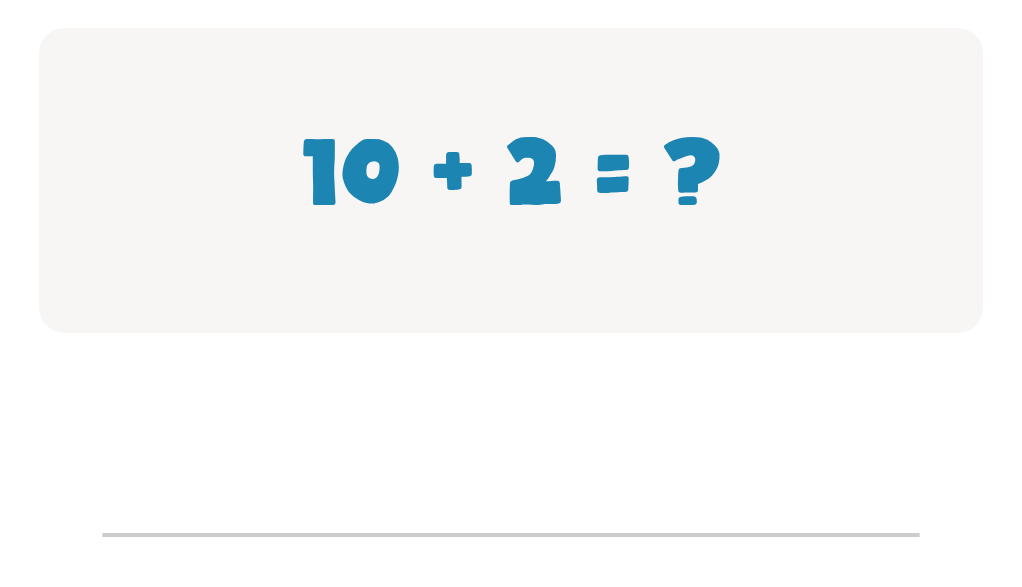

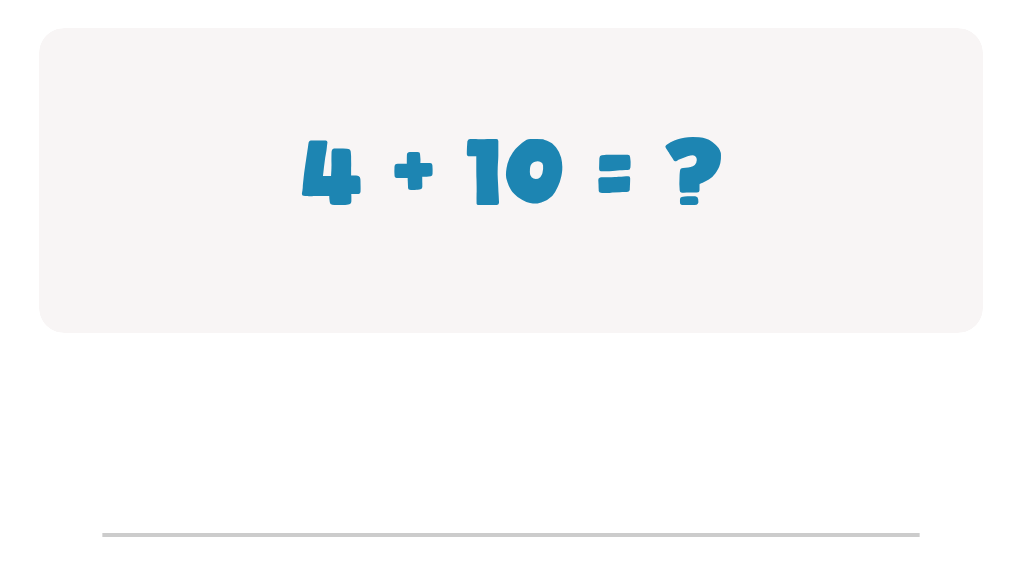
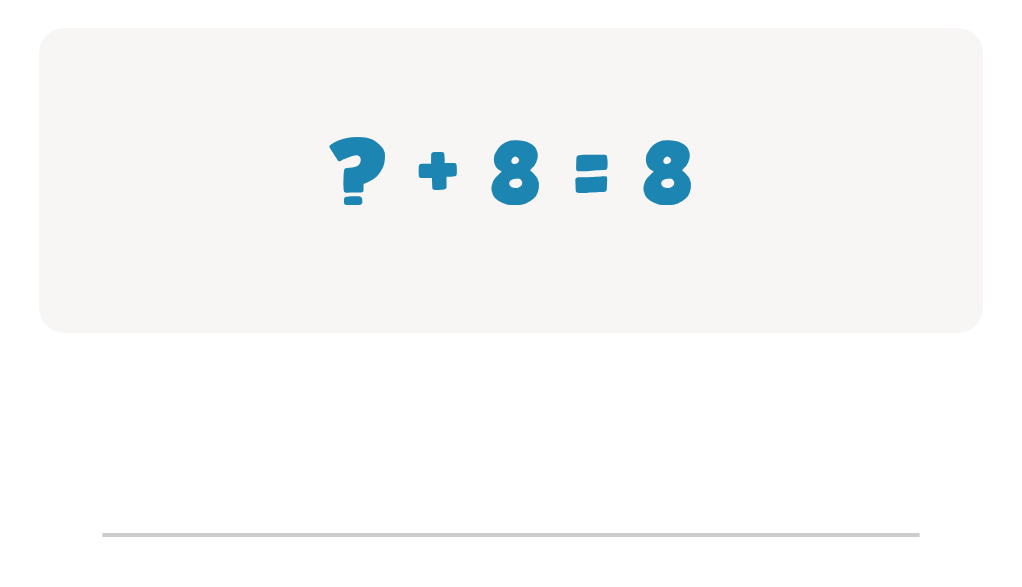
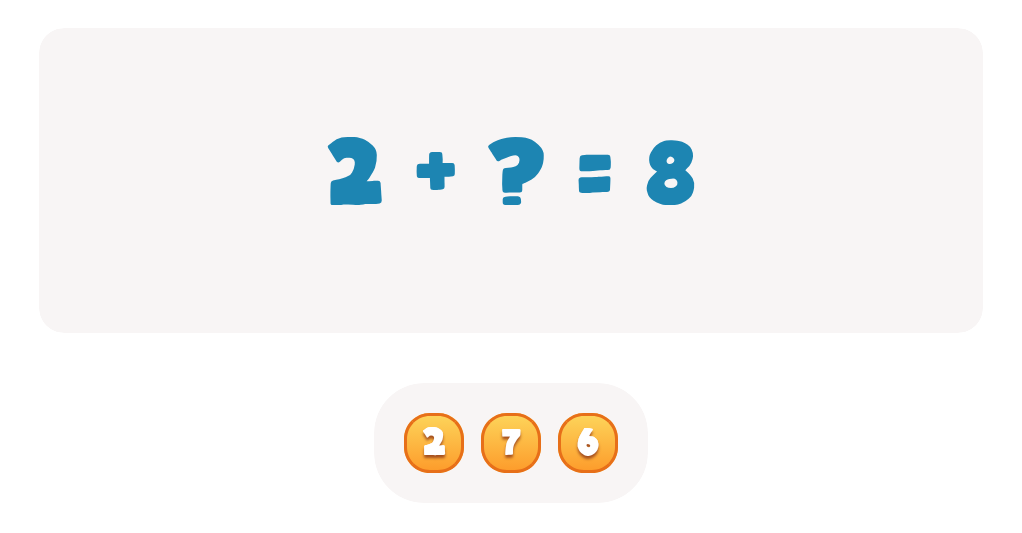
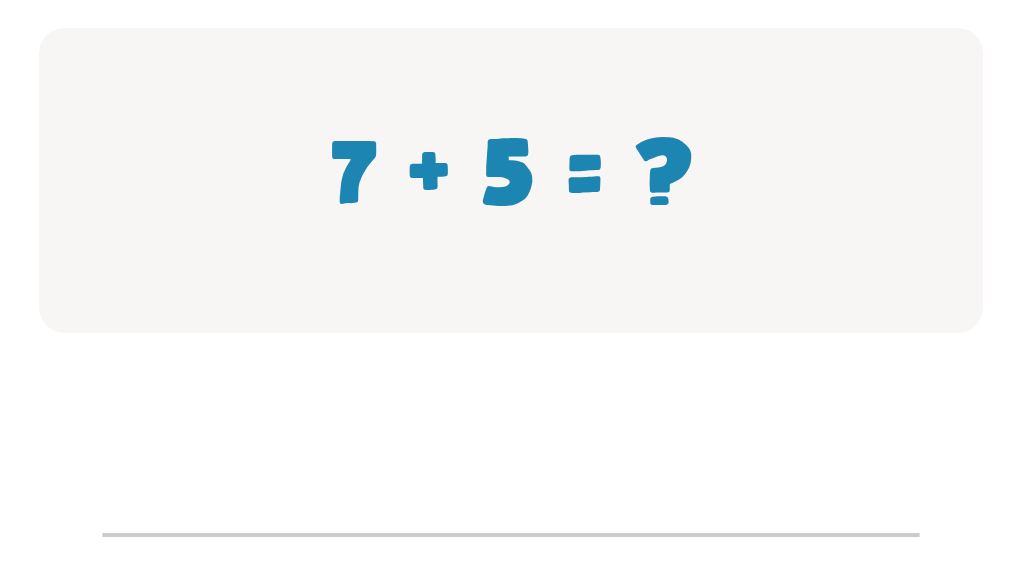
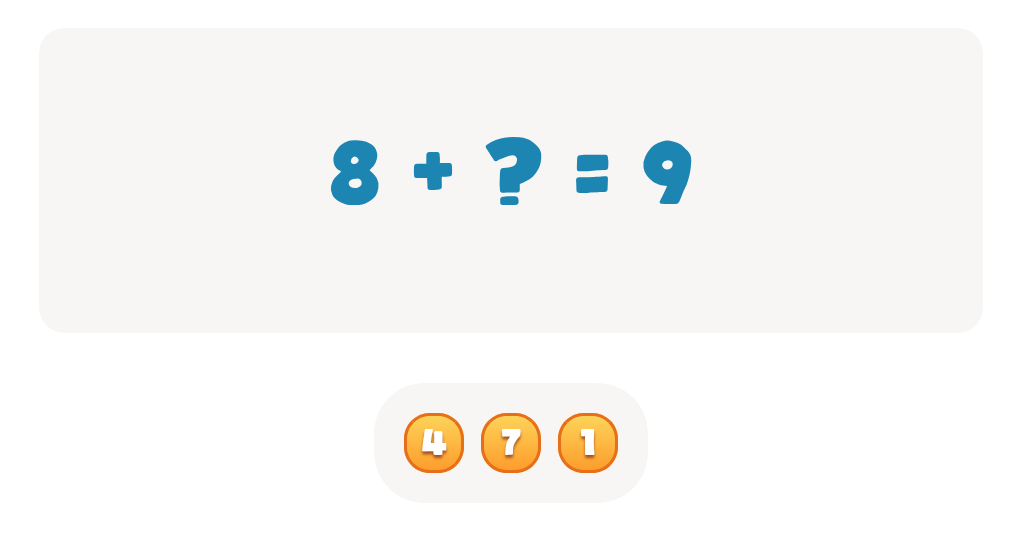

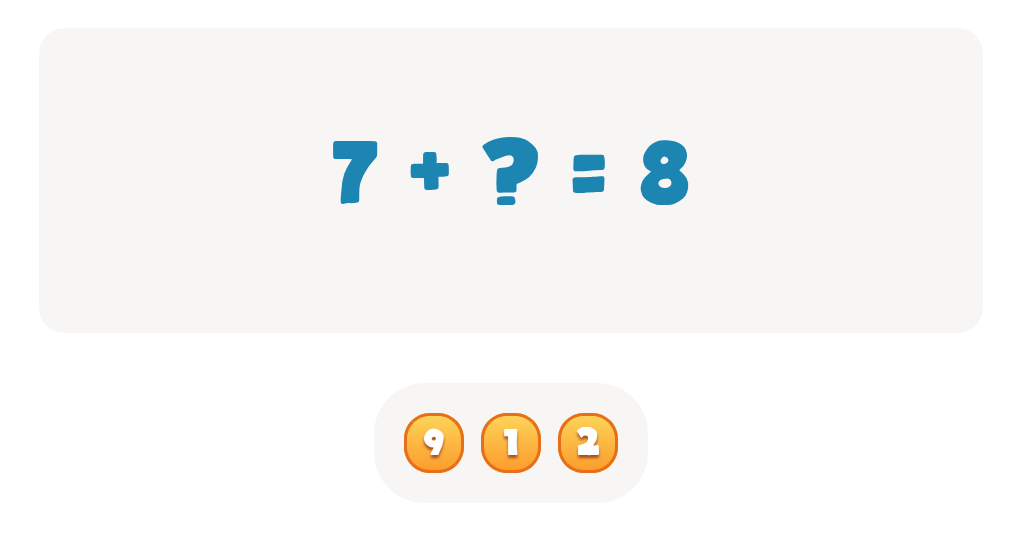
Fact Families: Easter Math Worksheet
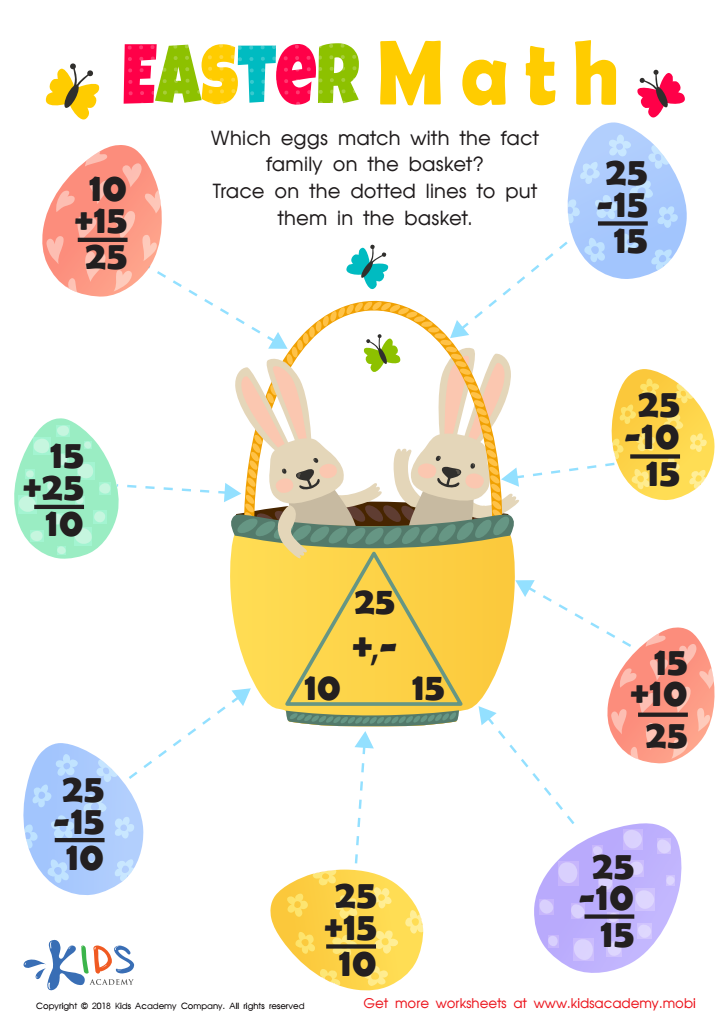
Kids will love this vibrant PDF packed with Easter math fun! Match facts with the colorful eggs, add and subtract multiples of five to boost automaticity, and have a blast with the bunny friends!
Fact Families: Easter Math Worksheet
Worksheet
Addition Facts: Double Dice Worksheet
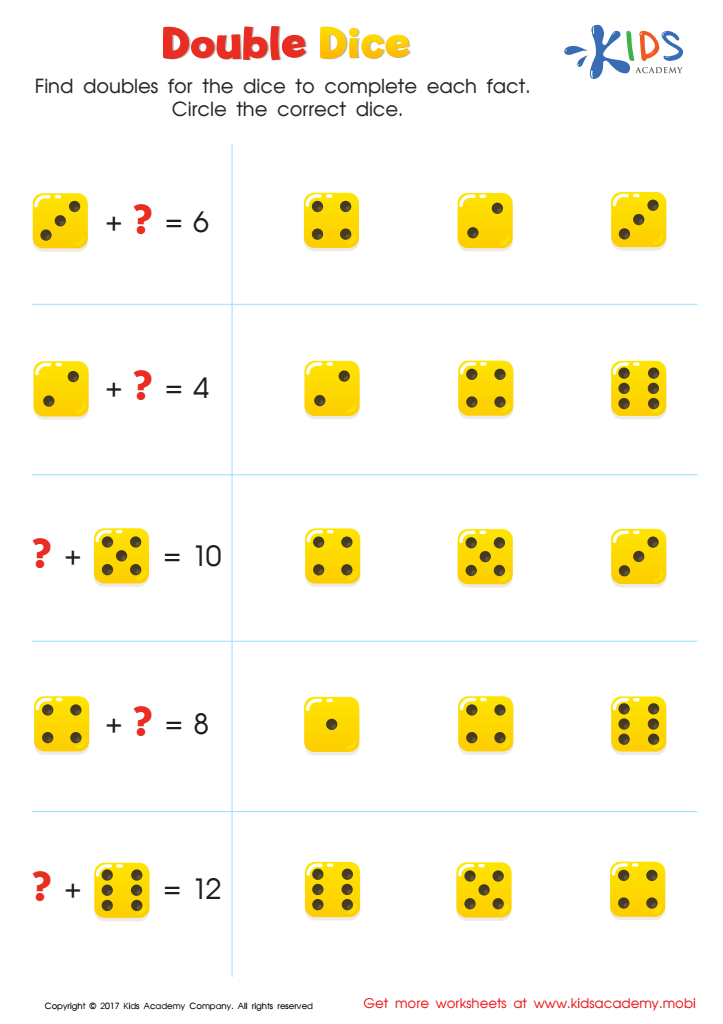
Are you looking for ways to make maths more engaging for kids? Maths can be a bore, but by teaching kids from an early age that it can be fun, they won't struggle with it. This worksheet is a great way to start: your child needs to identify the number on the left dice and find its double on the right. The sum of the two dice is also given.
Addition Facts: Double Dice Worksheet
Worksheet
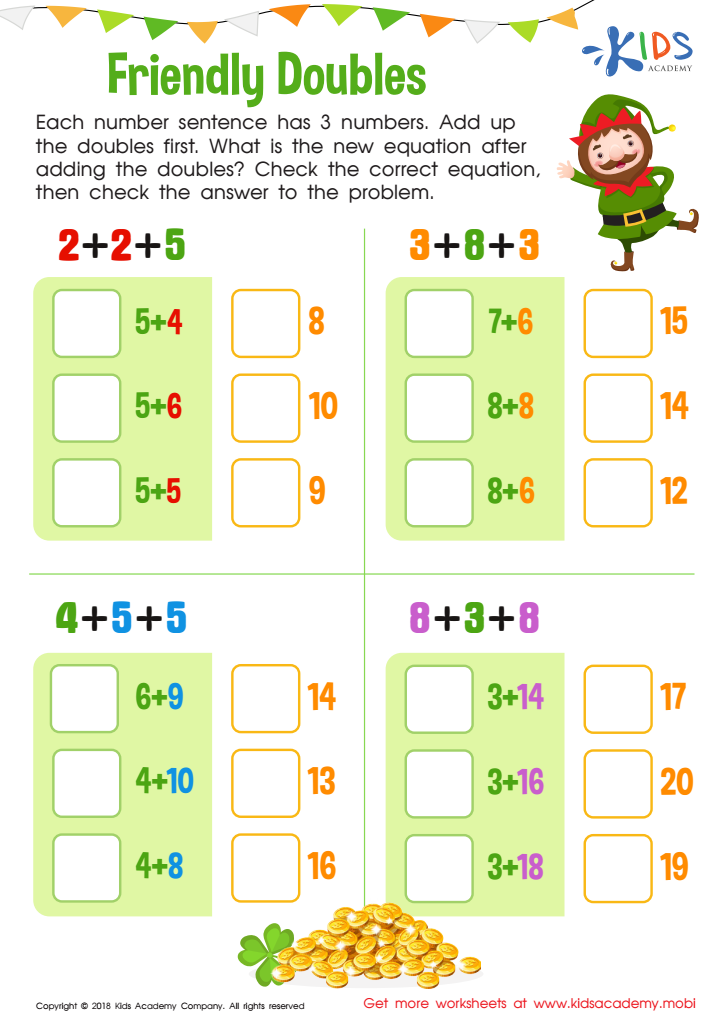
Friendly Doubles Worksheet
Kids will love this animated worksheet with bright colors! It helps them learn how to use doubles facts to answer three addend addition problems. It boosts their math skills, making computation easier, faster and more efficient. It also assists with adding and subtracting larger numbers. Let the power of doubles get them started!
Friendly Doubles Worksheet
Worksheet
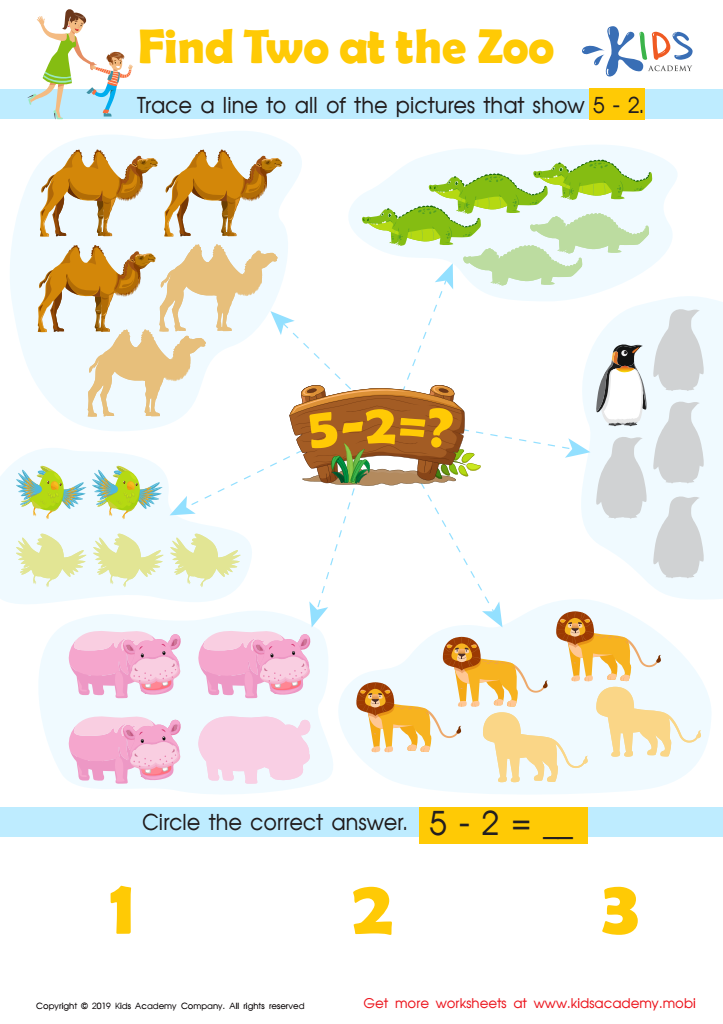
Find Two at the Zoo Worksheet
Help your kids overcome math fears and practice subtracting numbers with this traceable PDF. Ask them to identify the 6 groups of animals in the picture and count the animals in each group. Then, help them trace a line to all of the pictures that illustrate the equation 5-2.
Find Two at the Zoo Worksheet
Worksheet
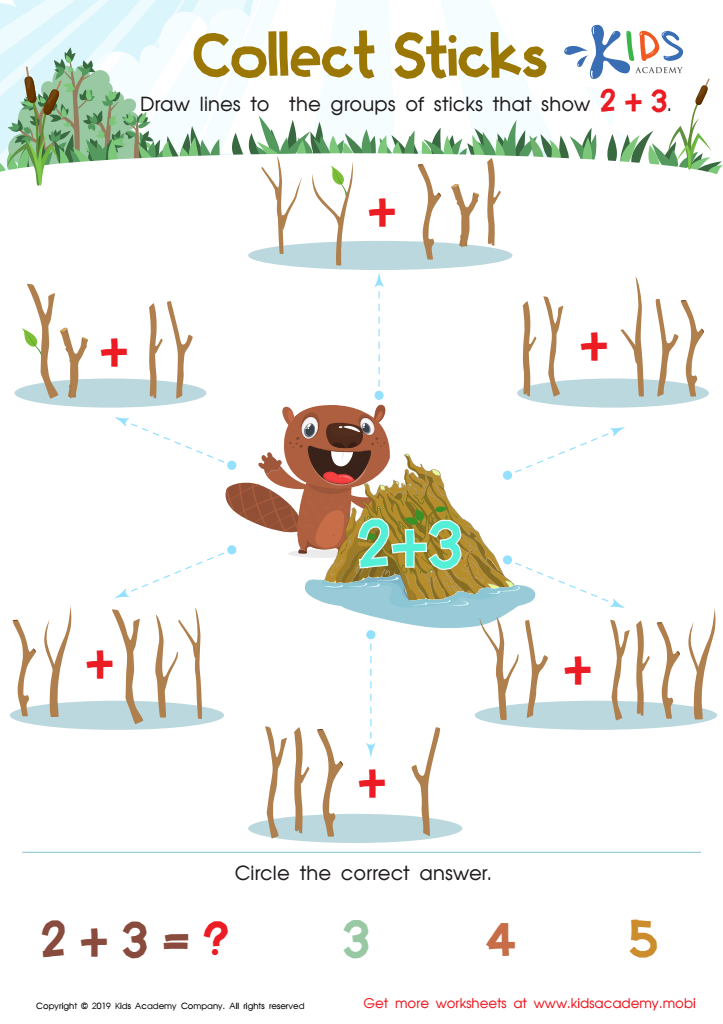
Collect Sticks Worksheet
Let math be fun for your kids with a simple and colorful worksheet exercise. Addition and subtraction can be daunting, but you can make it enjoyable with exercises like this one. Get them to draw lines to the groups of sticks that show 2+3 and watch them light up.
Collect Sticks Worksheet
Worksheet
Join Kids Academy for Free
Who is primarily going to use this learning content?



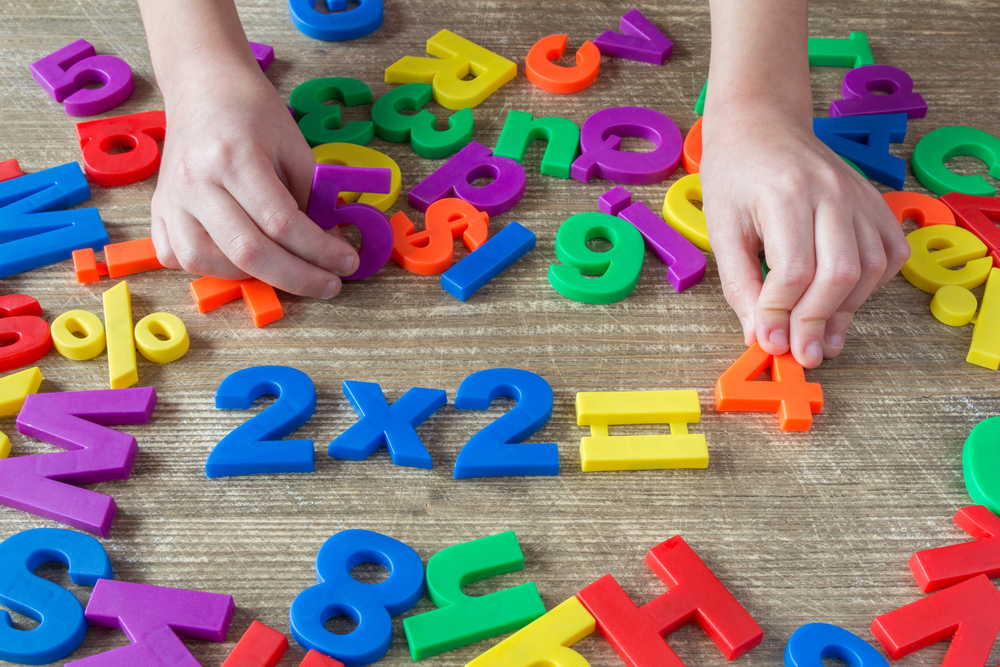




Parents and teachers should prioritize addition practice for children ages 3-7 because foundational math skills are crucial for academic success and everyday problem-solving. Early exposure to addition helps cultivate a strong numerical sense, allowing children to better understand math as they progress through school.
At this young age, children are naturally curious and highly receptive to learning through play and engaging activities. Practicing addition facts at this stage creates a solid understanding of basic mathematical concepts, which sets the groundwork for more complex topics later on, such as subtraction, multiplication, and division.
Moreover, mastering addition fosters confidence in young learners. This feeling of accomplishment can motivate them to embrace math challenges instead of fearing them. Additionally, regular practice supports cognitive development by enhancing memory and critical thinking skills.
Finally, reinforcing addition facts promotes a meaningful connection between home and school, encouraging parents and teachers to collaborate in a child's educational journey. Engaging in these activities together can build stronger relationships while making learning enjoyable and effective. In summary, addition practice lays the groundwork for future success, boosts confidence, and strengthens the home-school connection, making it essential for children's early development.








