Comparing numbers Addition & Subtraction Worksheets for Ages 3-7
4 filtered results
-
From - To
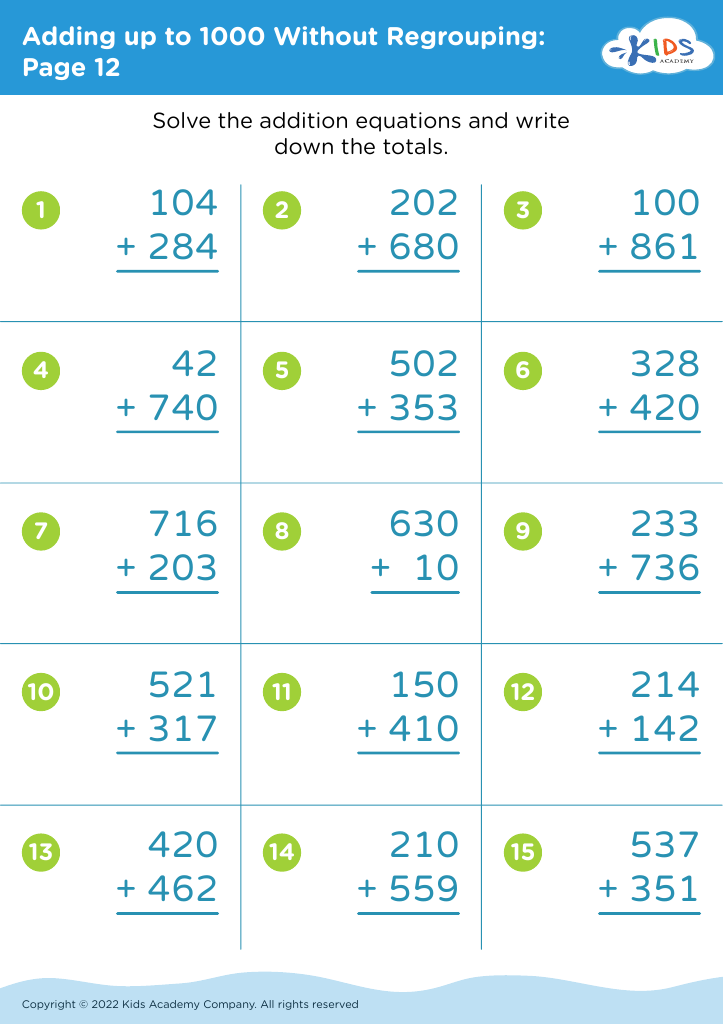
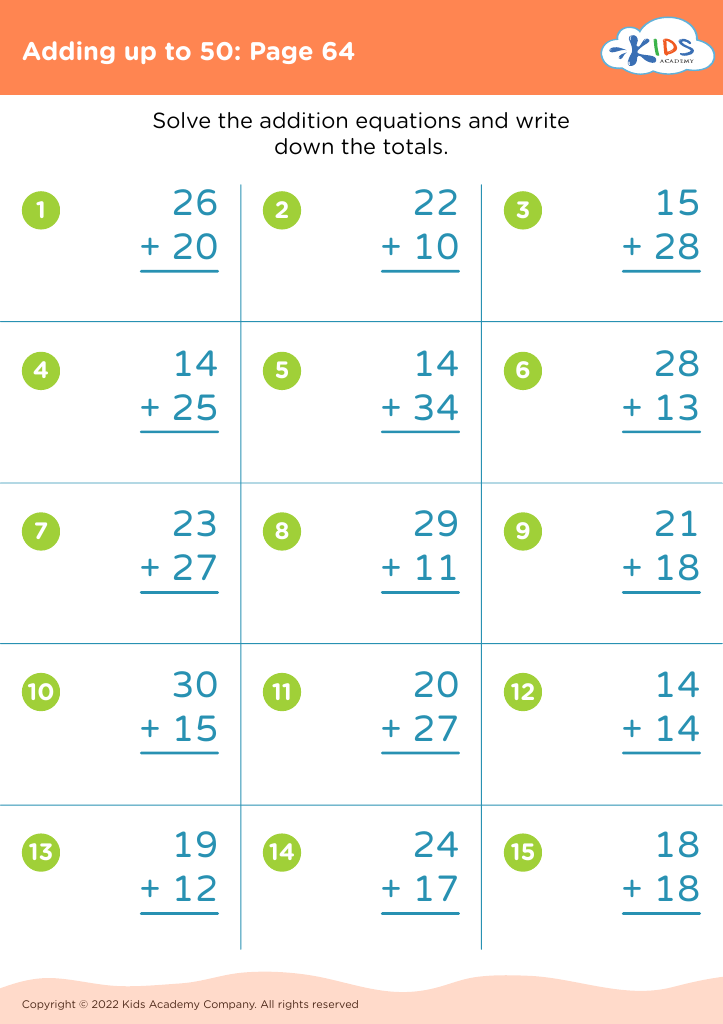
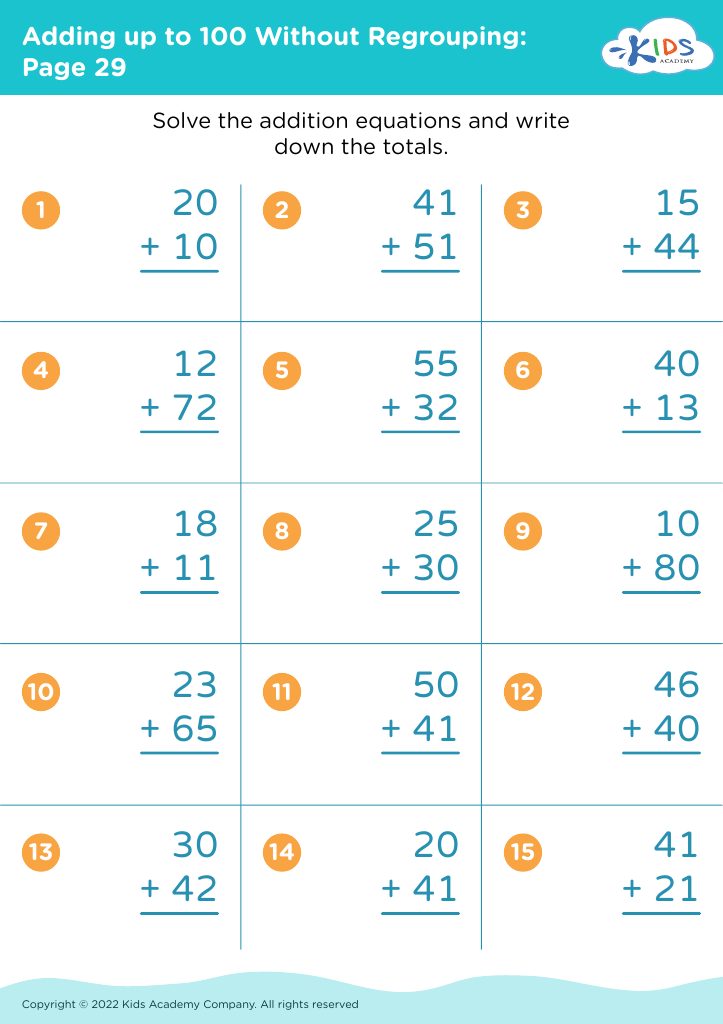
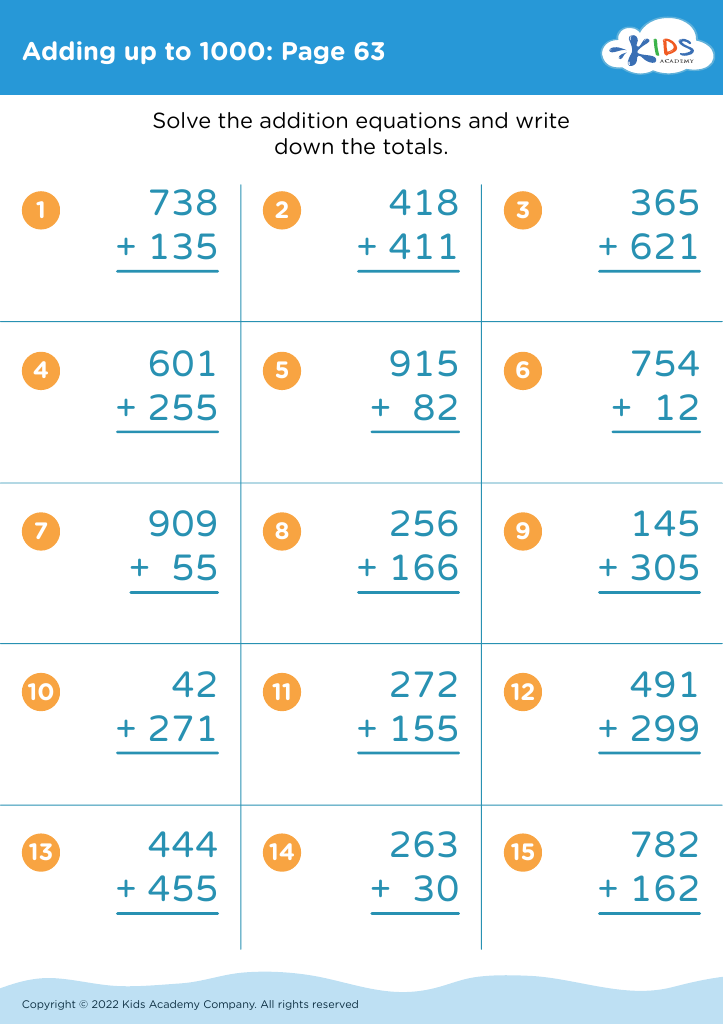
Discover our engaging "Comparing Numbers, Addition & Subtraction Worksheets" designed specifically for children aged 3 to 7! These interactive resources help young learners develop essential math skills through fun activities that encourage number comparison, addition, and subtraction. Each worksheet is crafted to reinforce understanding, boost confidence, and enhance problem-solving abilities in a child-friendly manner. With vibrant illustrations and age-appropriate challenges, these worksheets make learning math enjoyable and effective. Perfect for classrooms, tutoring, or homeschooling, our materials support early literacy in math, preparing your little ones for future success. Explore our collection today and watch your child's math skills flourish!








Parents and teachers should prioritize teaching children about comparing numbers, addition, and subtraction due to their foundational role in building mathematical understanding. At ages 3-7, children are at a critical stage in cognitive development, where they begin to understand quantities, relationships, and basic operations.
Comparing numbers helps children grasp concepts of greater than, less than, and equal to, which enhances their ability to solve problems and make sense of numerical information in everyday life. By engaging in activities that involve addition and subtraction, children learn to manipulate numbers, fostering critical thinking and enhancing their ability to work with mathematical concepts.
Additionally, mastering these skills early on lays the groundwork for more advanced mathematics as they progress through their education. It helps develop resilience as they learn to explore, make mistakes, and find solutions. Moreover, when parents and teachers engage in these activities together, it enhances relationships and encourages a positive attitude towards learning.
In summary, an emphasis on comparing numbers, addition, and subtraction helps children build crucial mathematical skills, nurture problem-solving abilities, and develop a strong foundation for their future academic success. This attentive early education can shape their attitudes towards math for a lifetime.








