Counting objects Addition & Subtraction Worksheets for Ages 3-7
20 filtered results
-
From - To
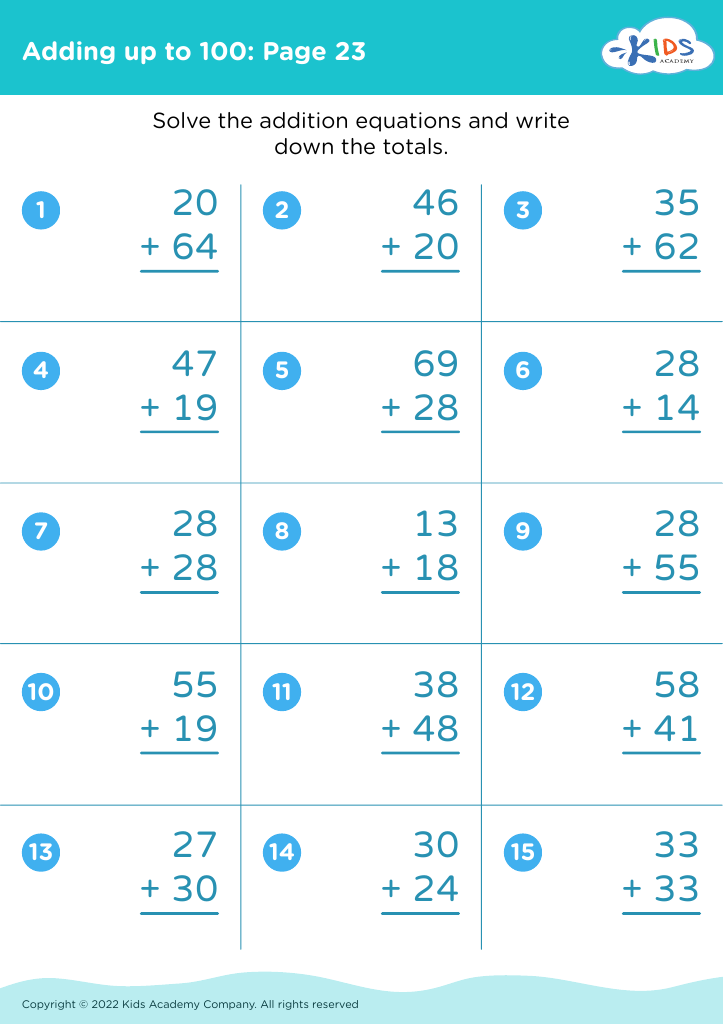
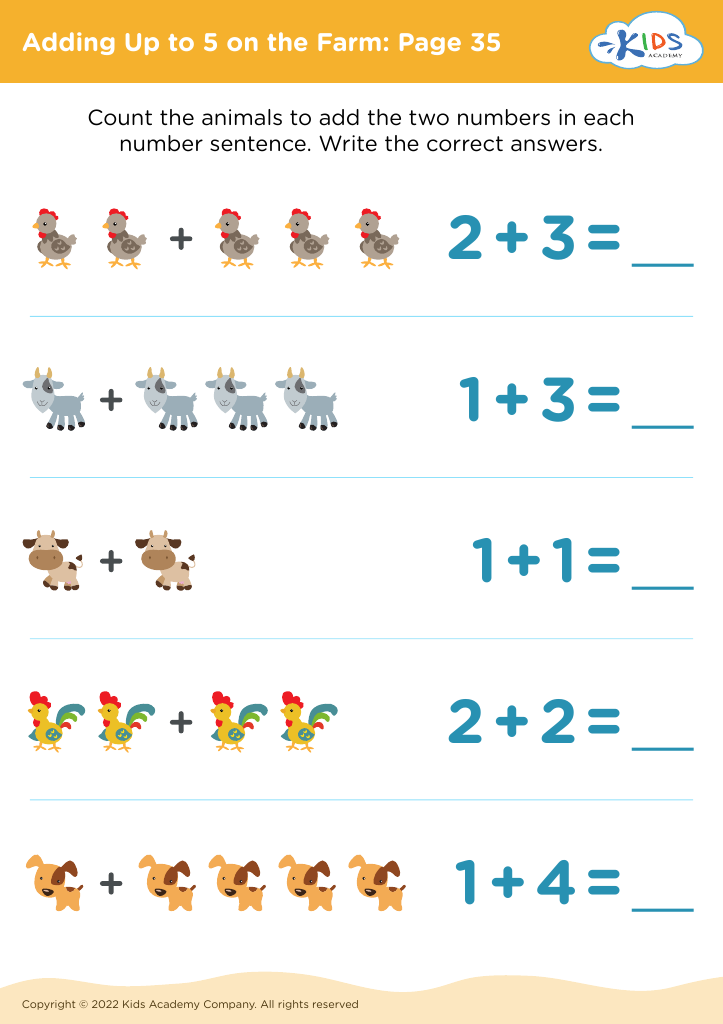
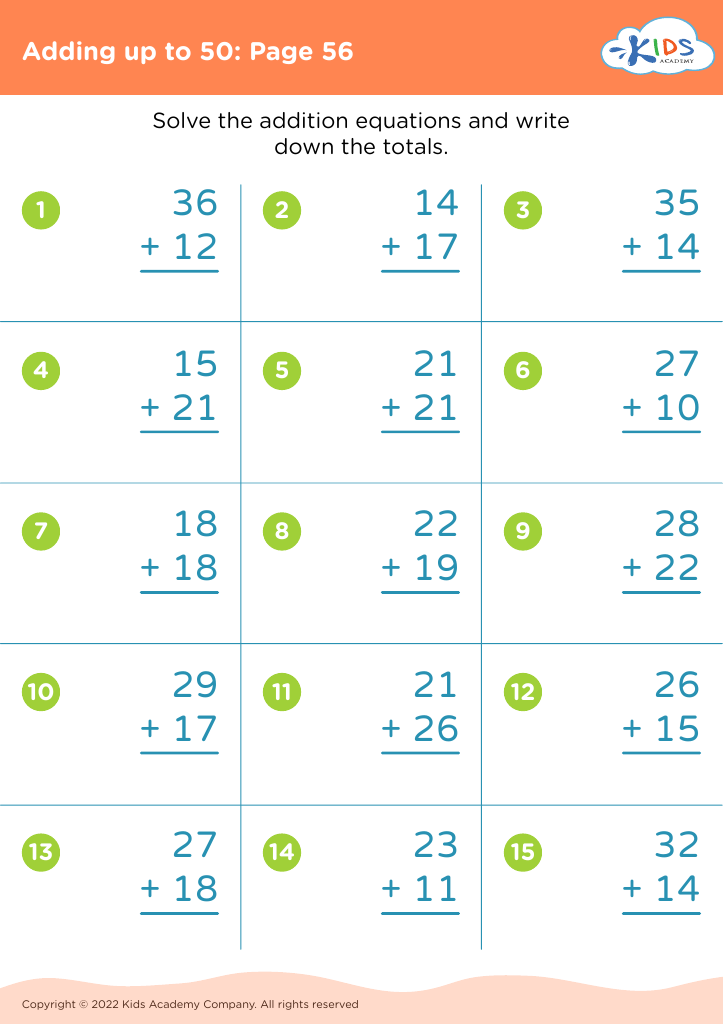
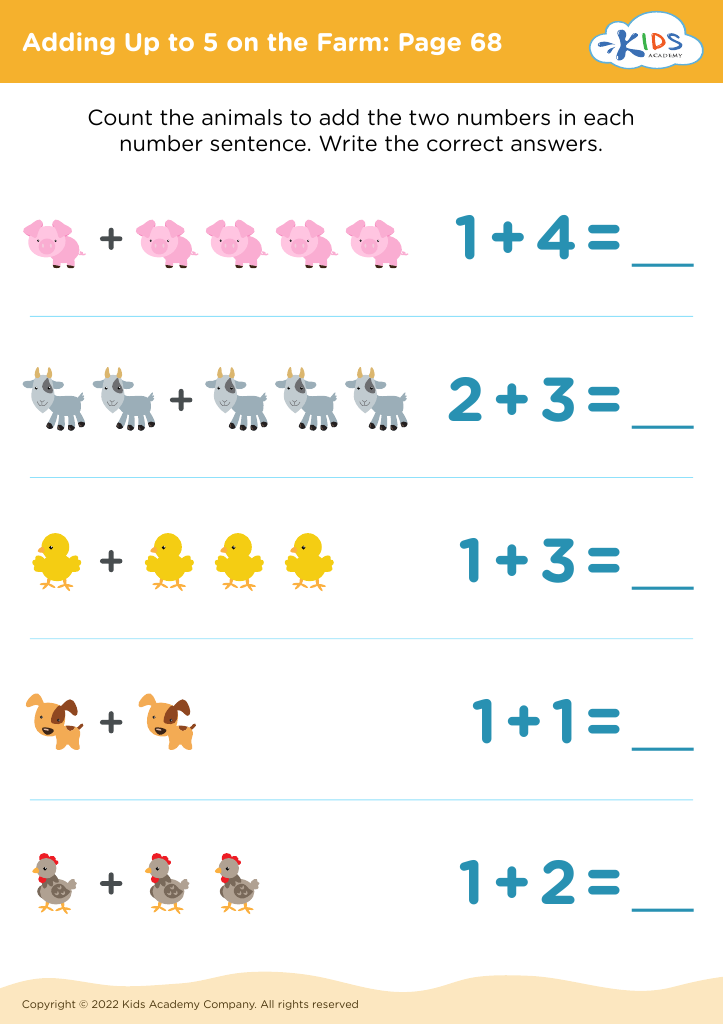
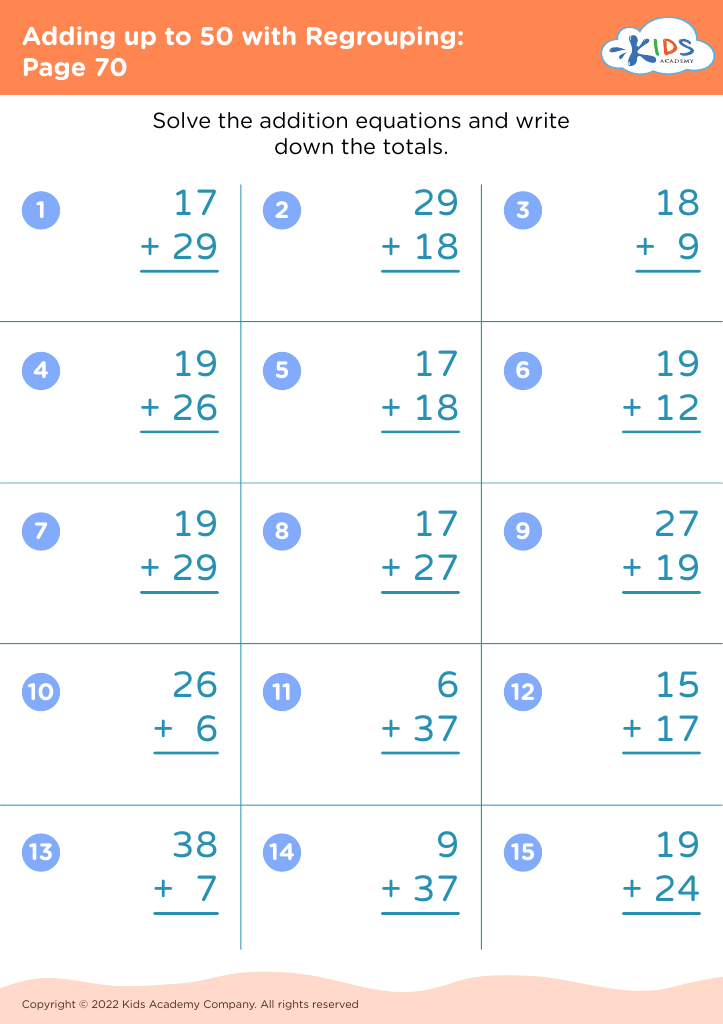
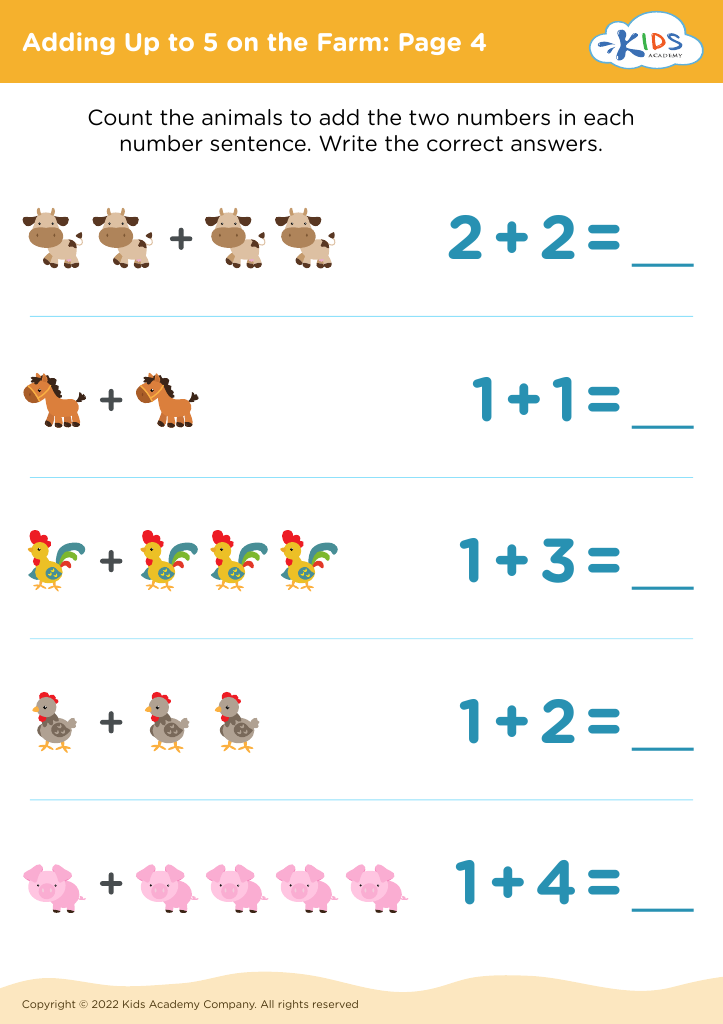
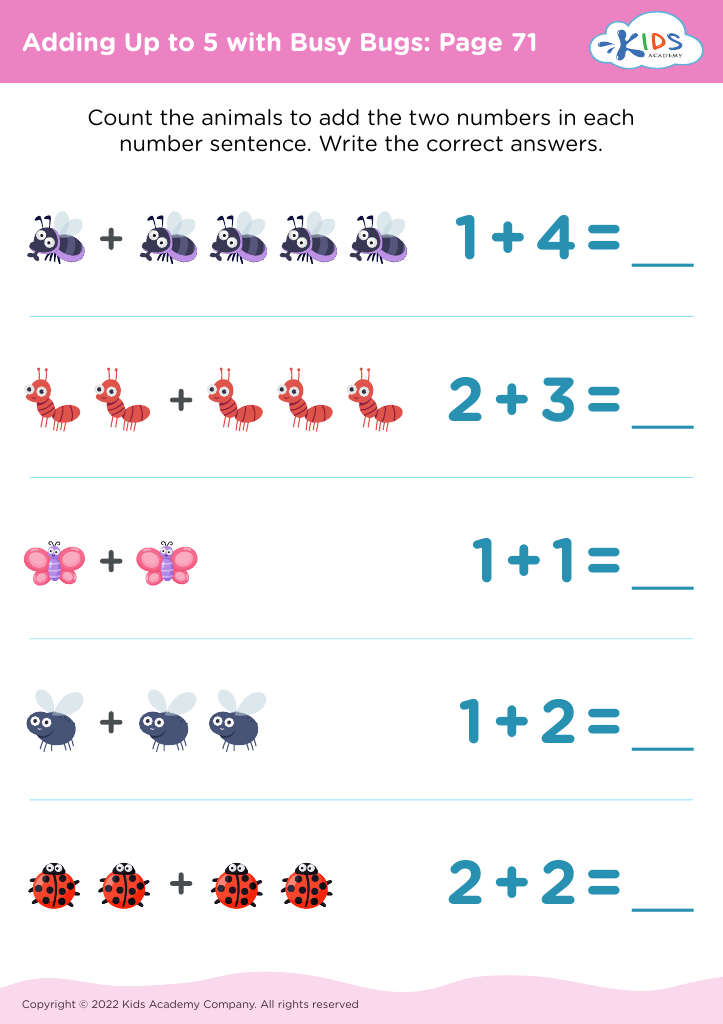
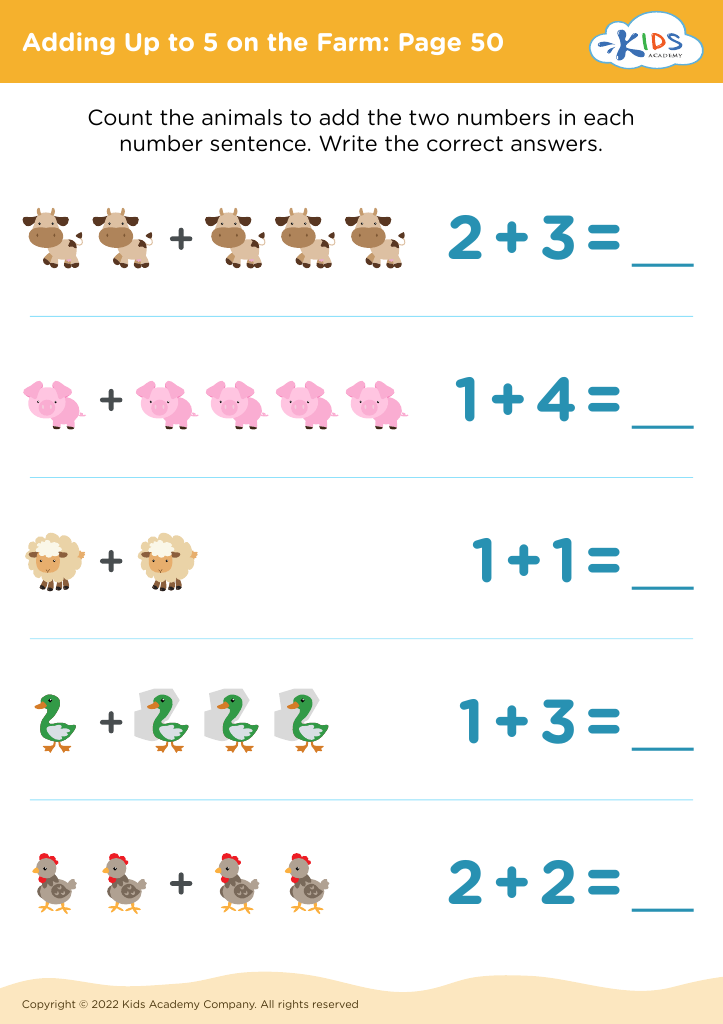
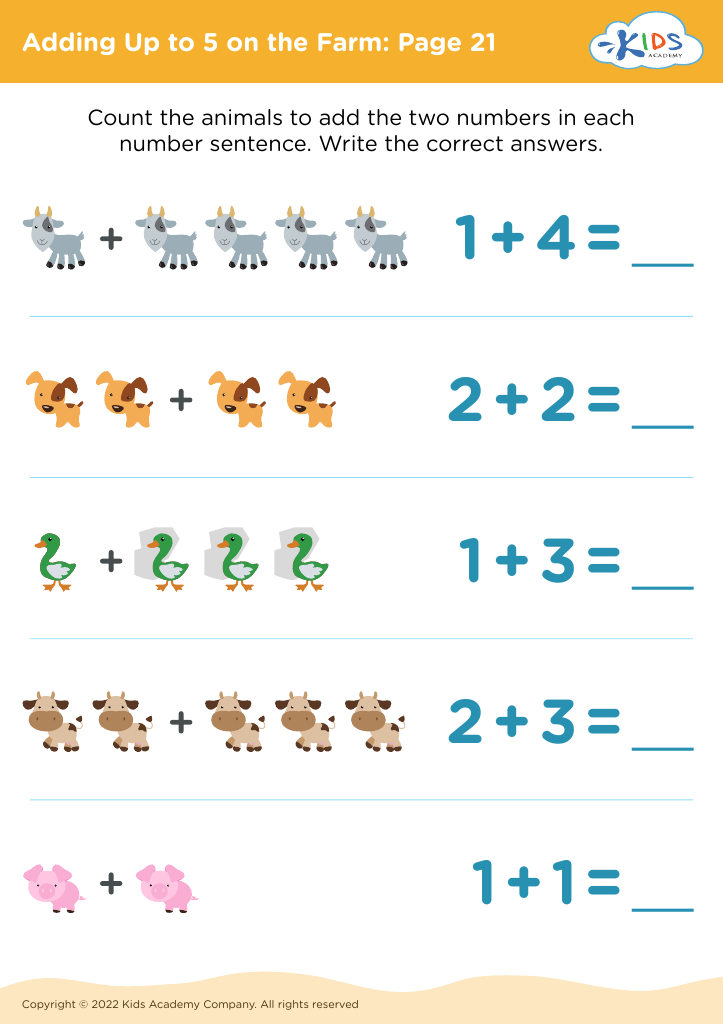
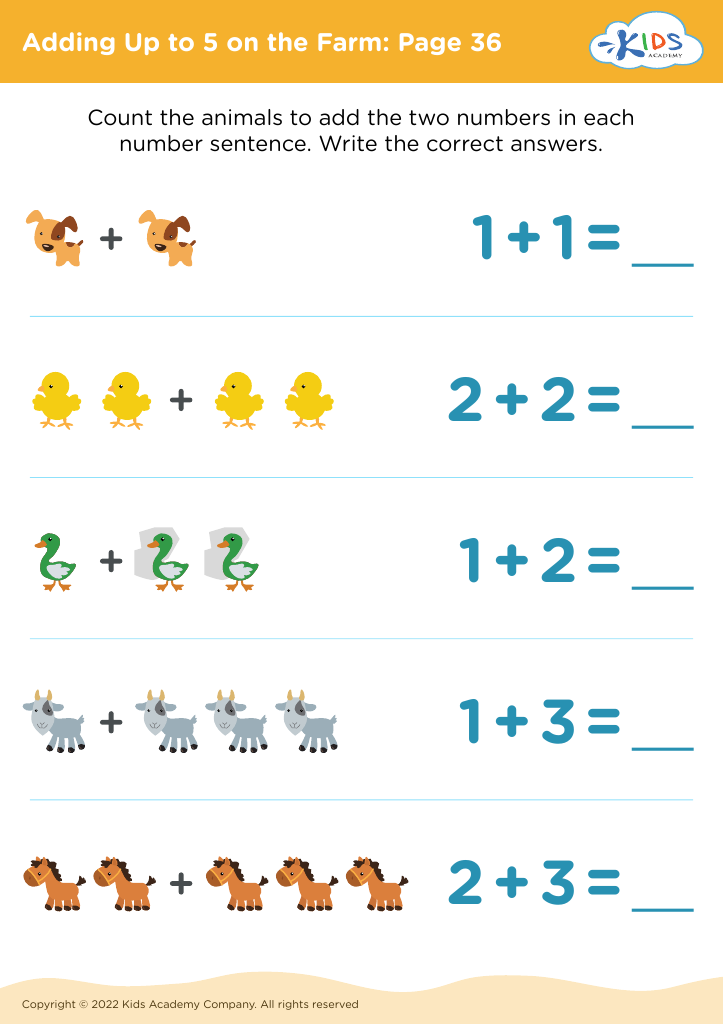
Discover our engaging Counting Objects Worksheets, tailored for children ages 3-7, designed to make learning addition and subtraction fun! These interactive worksheets introduce young learners to basic mathematical concepts through counting everyday objects. Kids will enhance their number sense, develop problem-solving skills, and build a strong foundation in mathematics. With vibrant illustrations and age-appropriate exercises, our resources capture children's interest while promoting hands-on learning. Perfect for classroom use or at-home practice, these worksheets help educators and parents support children on their educational journey. Dive into a world of numbers with our Counting Objects Addition & Subtraction Worksheets today!
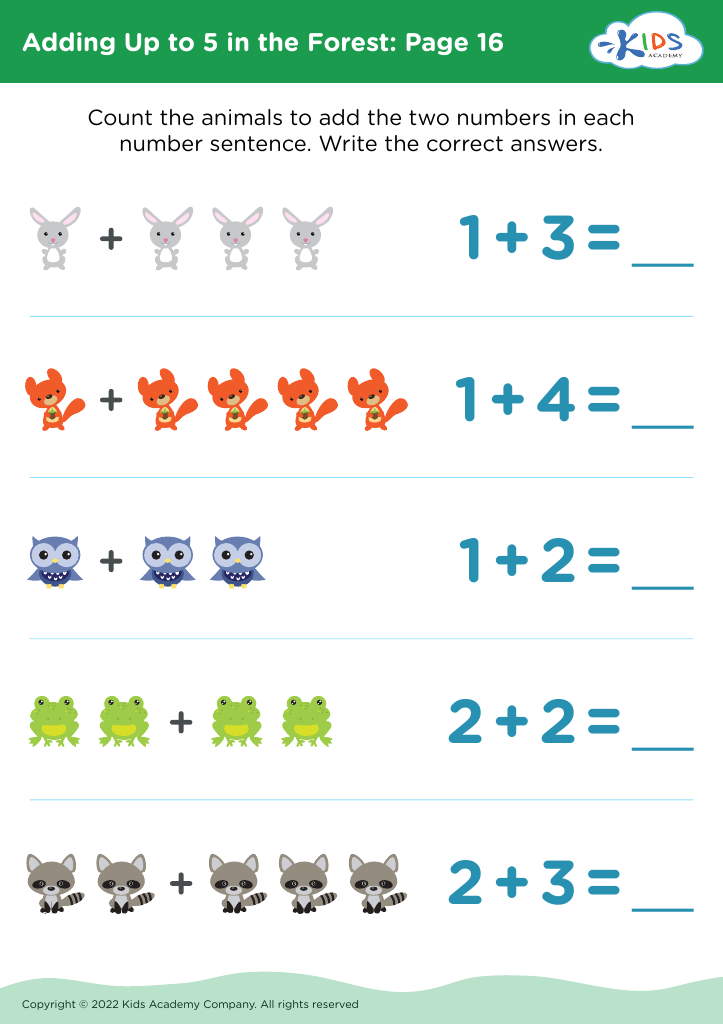
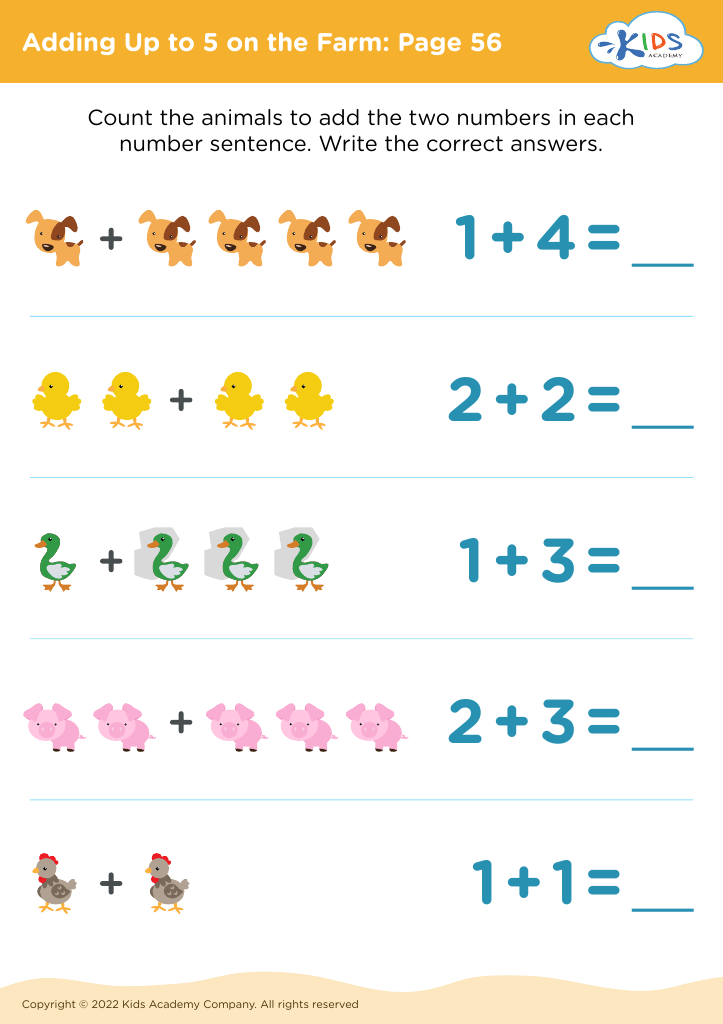
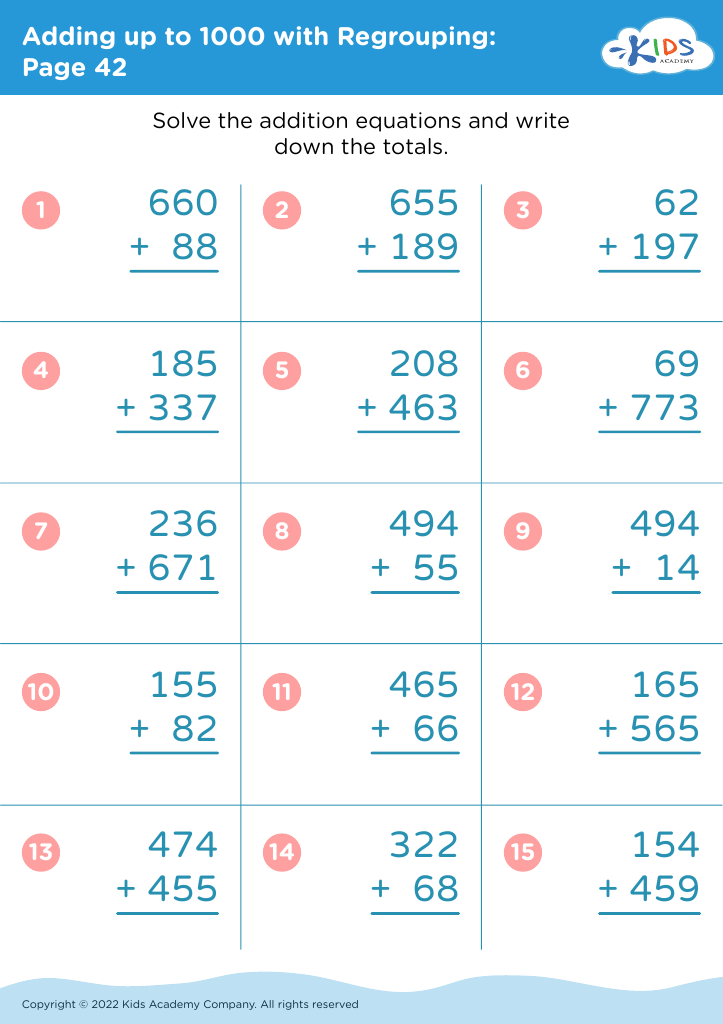
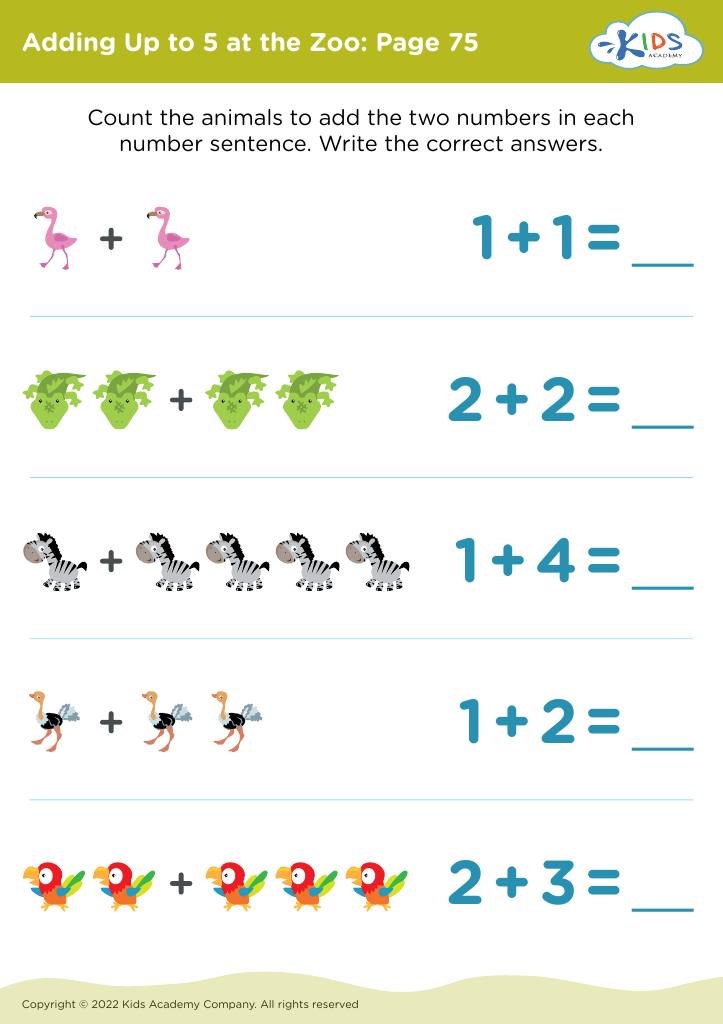
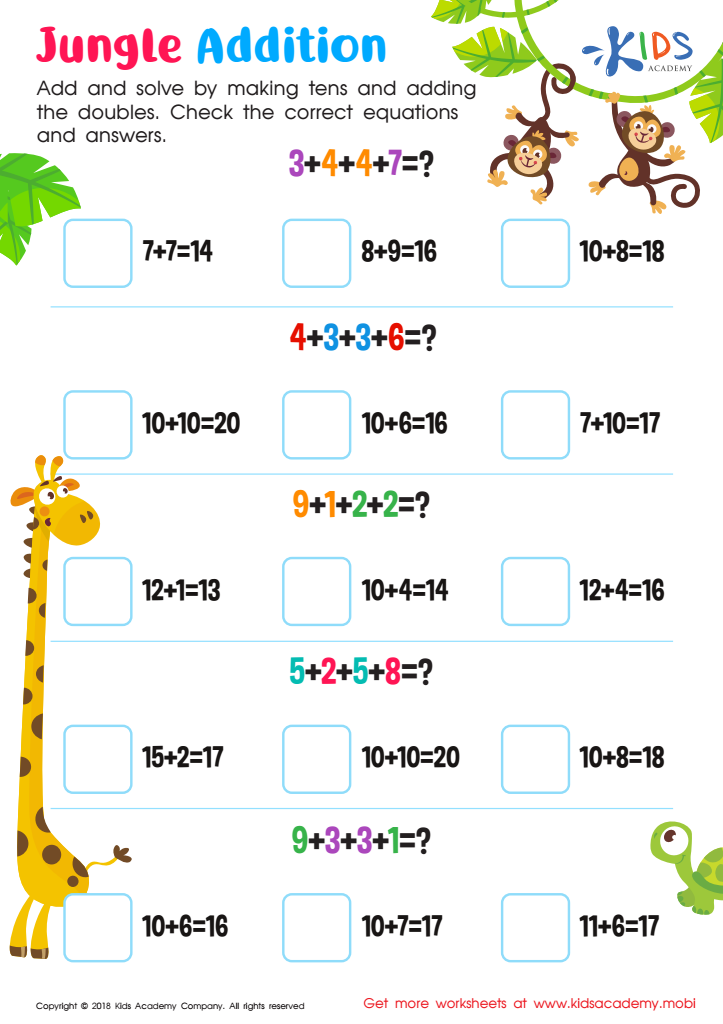
Jungle Addition Worksheet
 Assign to My Students
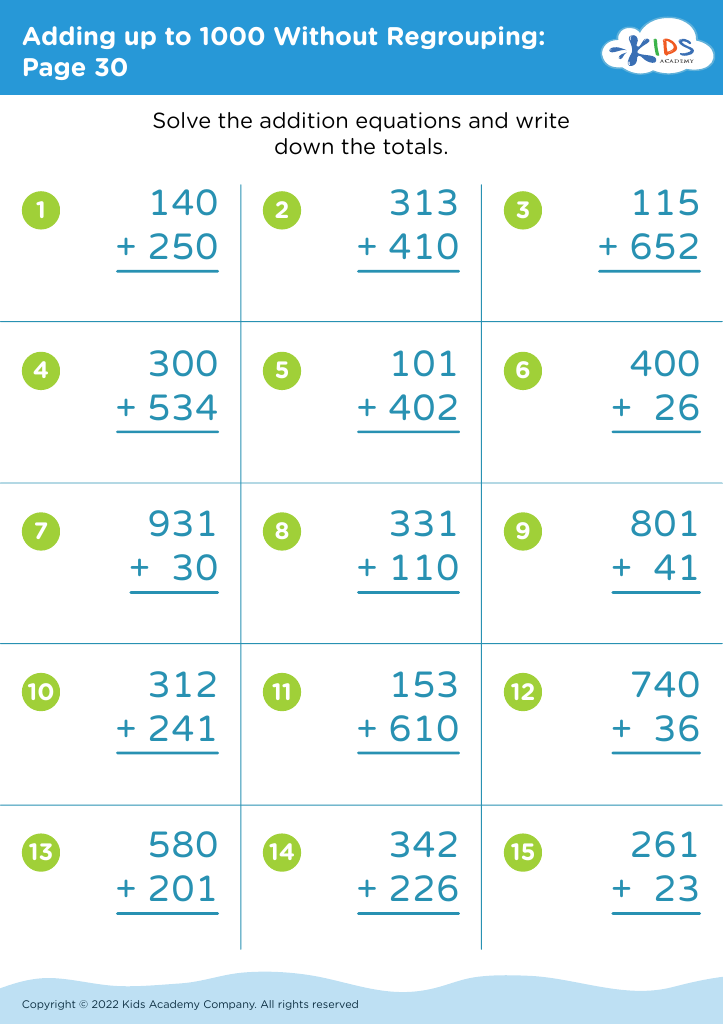
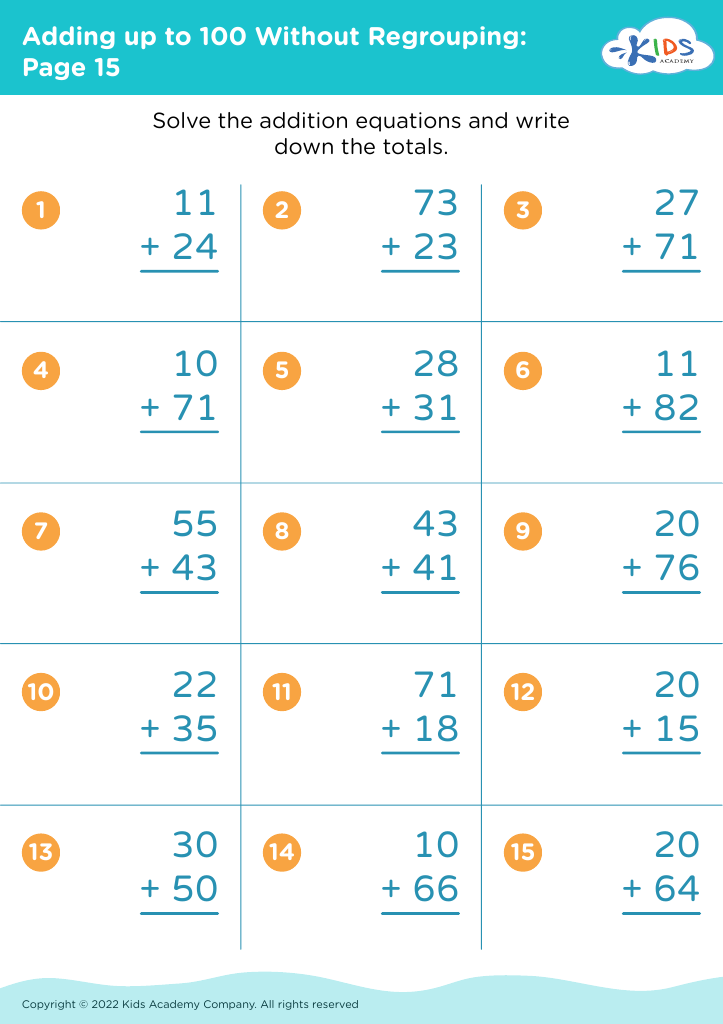
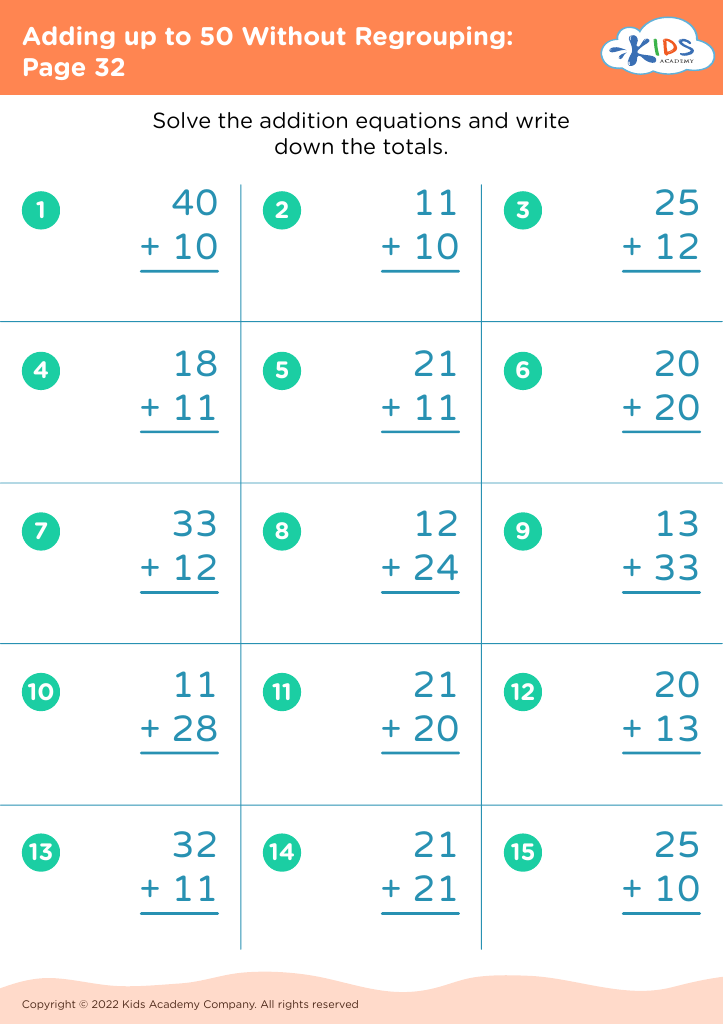
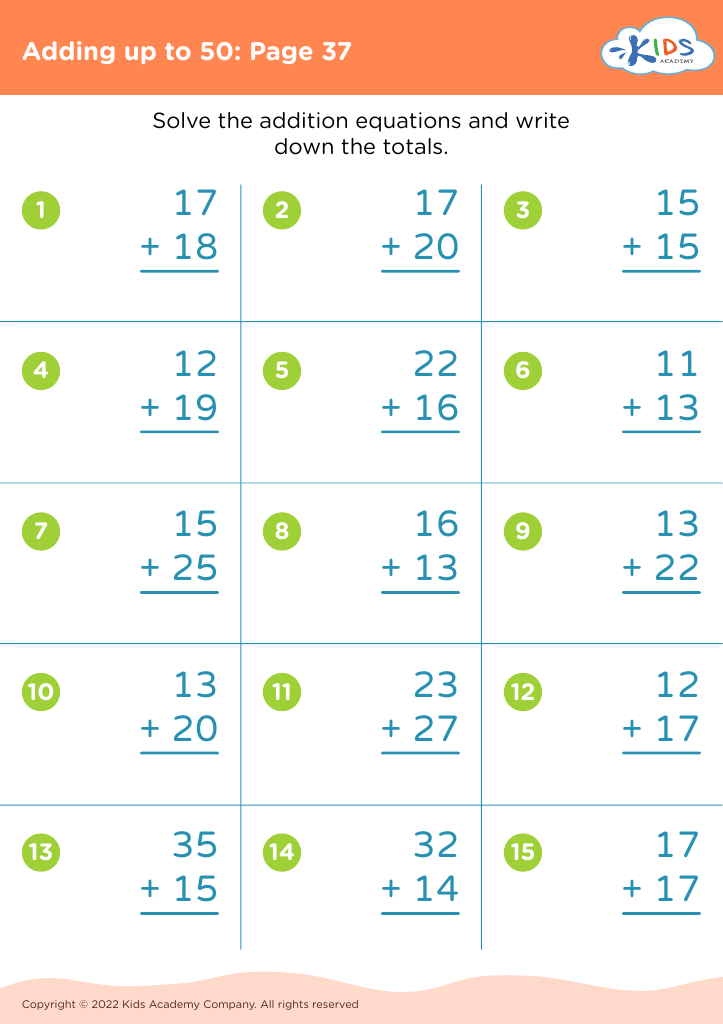
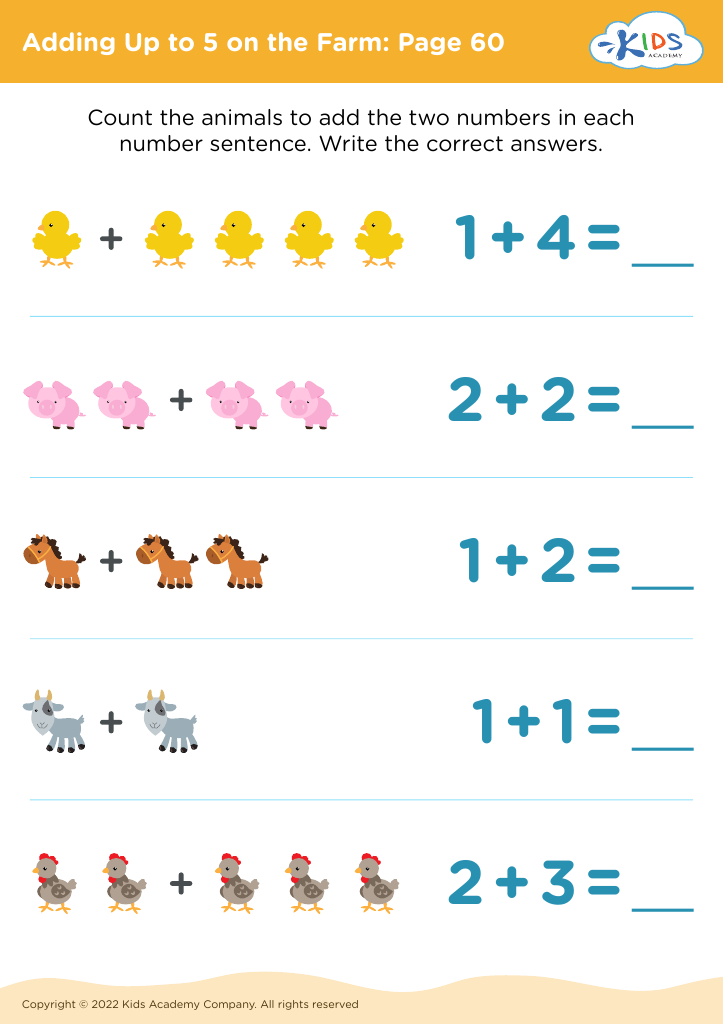








Counting, addition, and subtraction are fundamental mathematical skills that lay the groundwork for a child's future learning. For children ages 3-7, engaging in these concepts through counting objects not only develops numerical understanding but also enhances critical thinking and problem-solving abilities.
At a young age, children are naturally curious and eager to explore their environment. Counting objects allows them to connect numbers with real-world contexts, fostering concrete understanding of quantity and value. Through hands-on activities, like counting toys or snacks, children learn to recognize patterns and develop an intuitive sense of number operations.
Additionally, introducing basic addition and subtraction concepts at this stage helps children grasp the relationships between numbers and their practical applications. This foundational knowledge supports more complex mathematical concepts they will encounter later on. Moreover, early math literacy encourages cognitive development, boosts working memory, and nurtures perseverance in problem-solving.
Parents and teachers play a pivotal role in creating an enriching learning environment. By incorporating counting, addition, and subtraction into playful, everyday activities, they can instill a positive attitude towards mathematics, making children more confident, curious, and ready for future academic challenges. Overall, fostering these skills at an early age is crucial for holistic educational growth.








