Enhance critical thinking Addition & Subtraction Worksheets for Ages 3-7
4 filtered results
-
From - To
Discover our "Enhance Critical Thinking Addition & Subtraction Worksheets" designed specifically for children ages 3-7! These engaging, thoughtfully crafted worksheets encourage young learners to develop essential math skills while fostering critical thinking abilities. With a variety of fun activities, children will explore addition and subtraction concepts, solve problems, and make connections through interactive scenarios. Our materials promote not just computation skills but also logical reasoning and decision-making. Perfect for at-home learning or classroom use, these worksheets help build a strong foundation for future math success. Start enhancing your child's critical thinking today with our comprehensive worksheet collection!
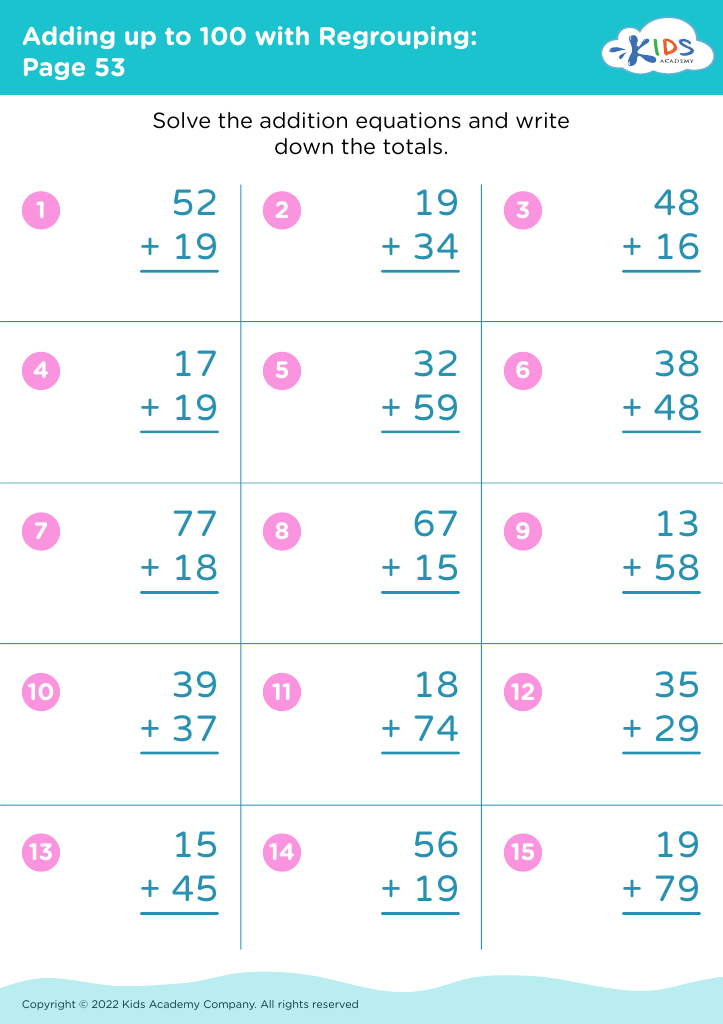
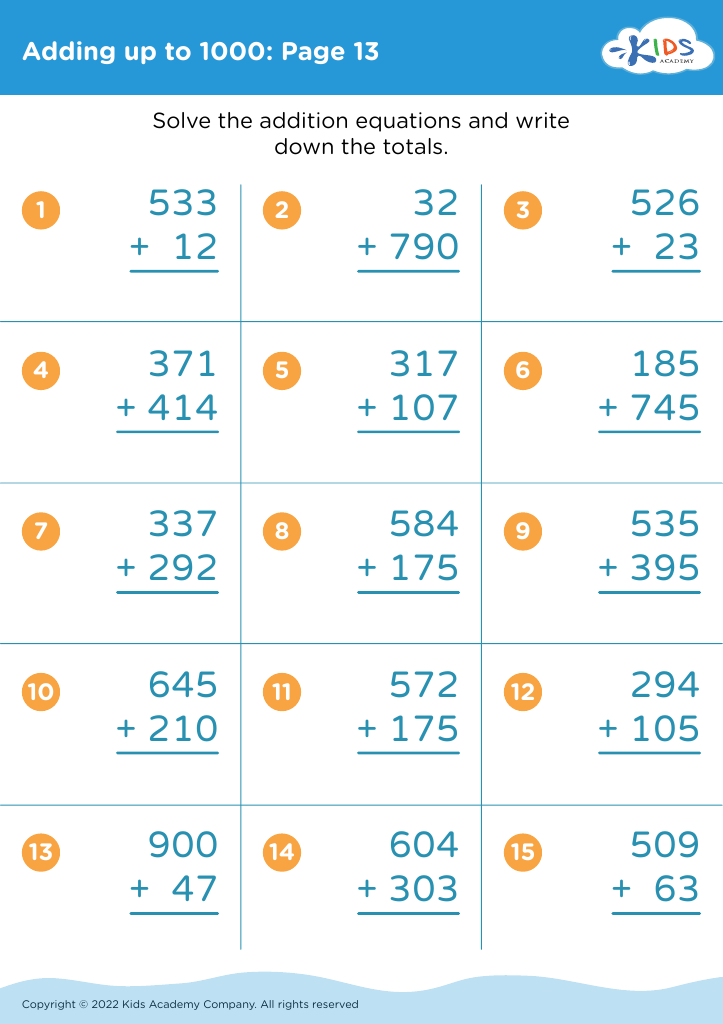
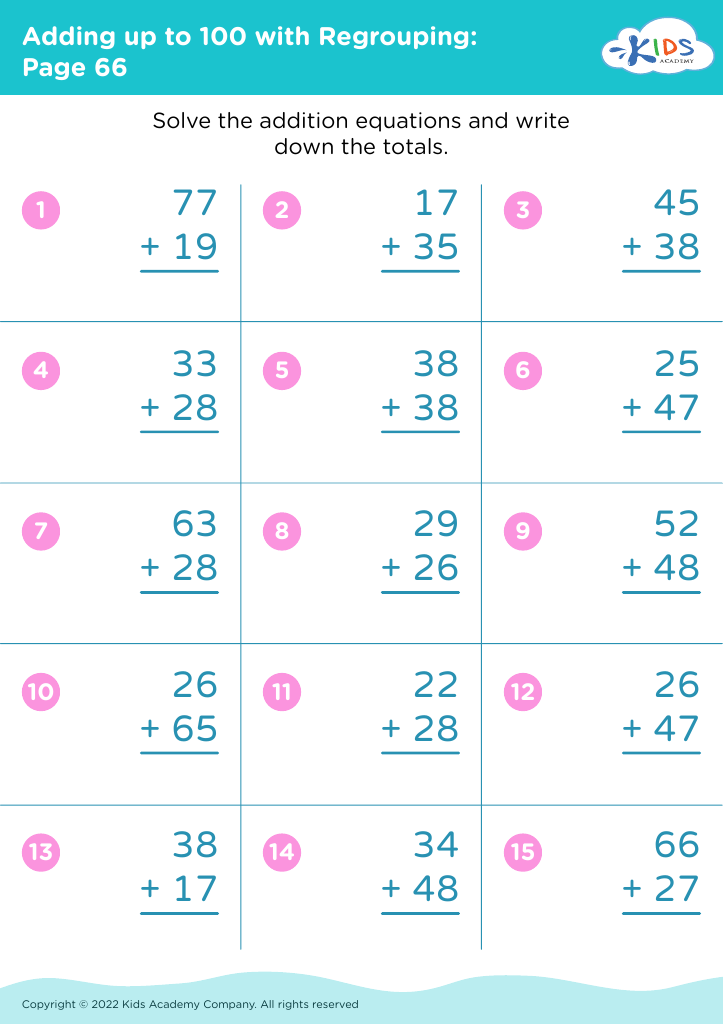
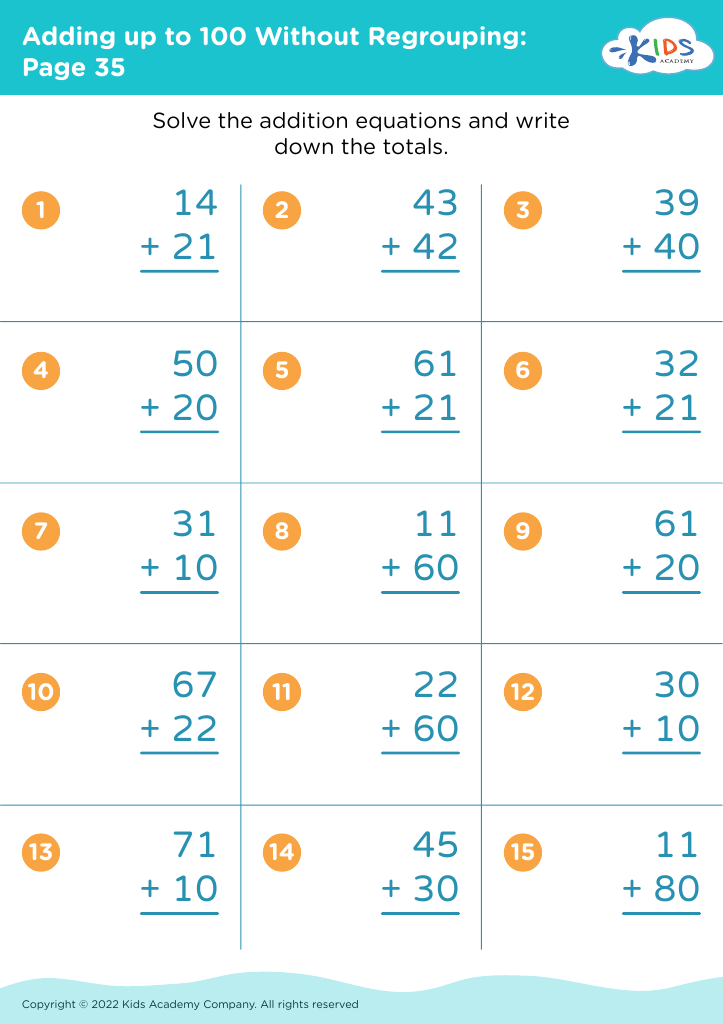








Enhancing critical thinking skills in children ages 3-7, particularly in concepts like addition and subtraction, is crucial for several reasons. First, these foundational math skills lay the groundwork for more advanced mathematical understanding. Early critical thinking in math helps children learn to recognize patterns, solve problems, and think logically. This supports not just math comprehension but also skills in other subjects as well.
Moreover, engaging with addition and subtraction through critical thinking encourages children to explore multiple methods of problem-solving. Instead of rote memorization, children learn to analyze situations, make connections, and develop their reasoning abilities. This enhances their confidence and willingness to tackle challenges across various aspects of learning.
Furthermore, fostering critical thinking in young children promotes a love for learning. By presenting mathematics as a fun and engaging experience, we can help cultivate a positive attitude toward education, encouraging lifelong learning.
Parents and teachers play a crucial role in this developmental phase. By incorporating critical thinking activities focused on addition and subtraction, they instill essential life skills such as persistence, adaptability, and creativity, which will serve children well beyond their early schooling years. Investing in these skills is pivotal for a child’s future academic success and overall development.








