Identifying Animals Addition & Subtraction Worksheets for Ages 3-7
5 filtered results
-
From - To
Unlock math fun with our Identifying Animals Addition & Subtraction Worksheets tailored for ages 3-7! These engaging worksheets seamlessly blend essential math skills with the joy of animal identification. Kids will develop a keen interest in addition and subtraction as they solve problems featuring their favorite animals. Perfectly designed for early learners, each worksheet aims to build confidence and reinforce foundational math concepts. Whether at home or in the classroom, this exciting, child-friendly resource makes learning enjoyable and effective. Encourage a love for math while exploring the animal kingdom with these interactive activities!
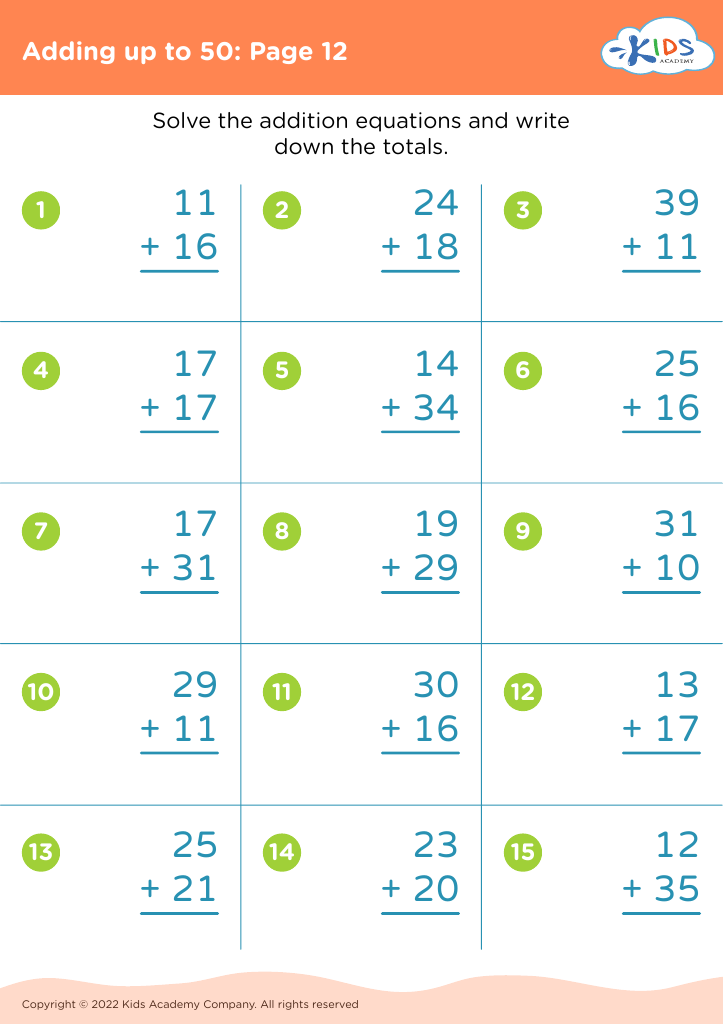
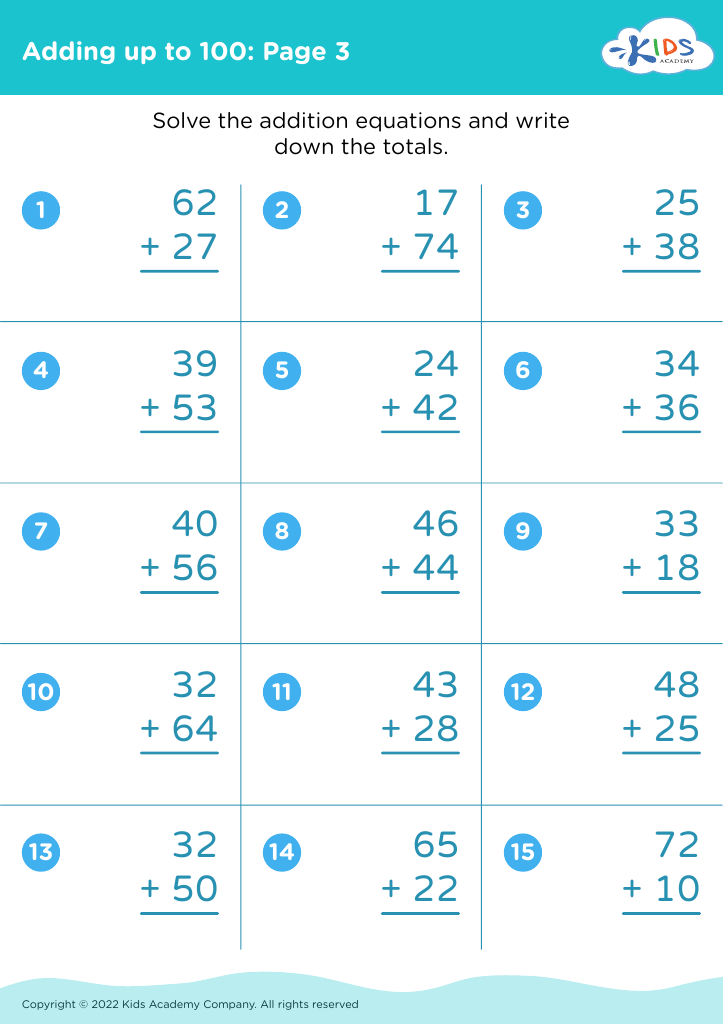
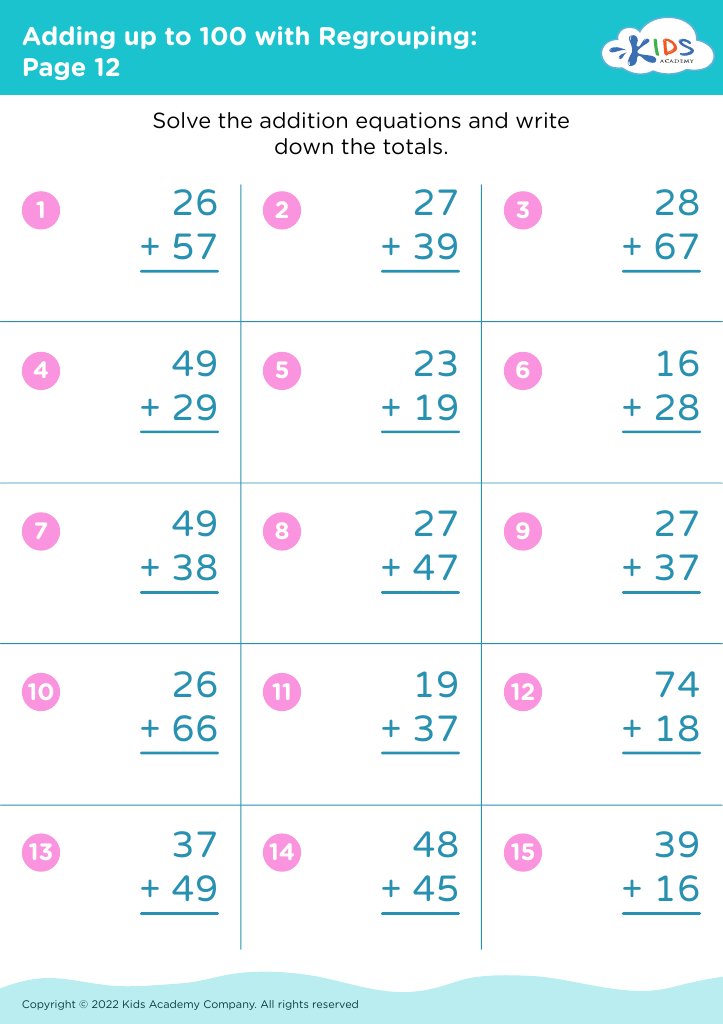
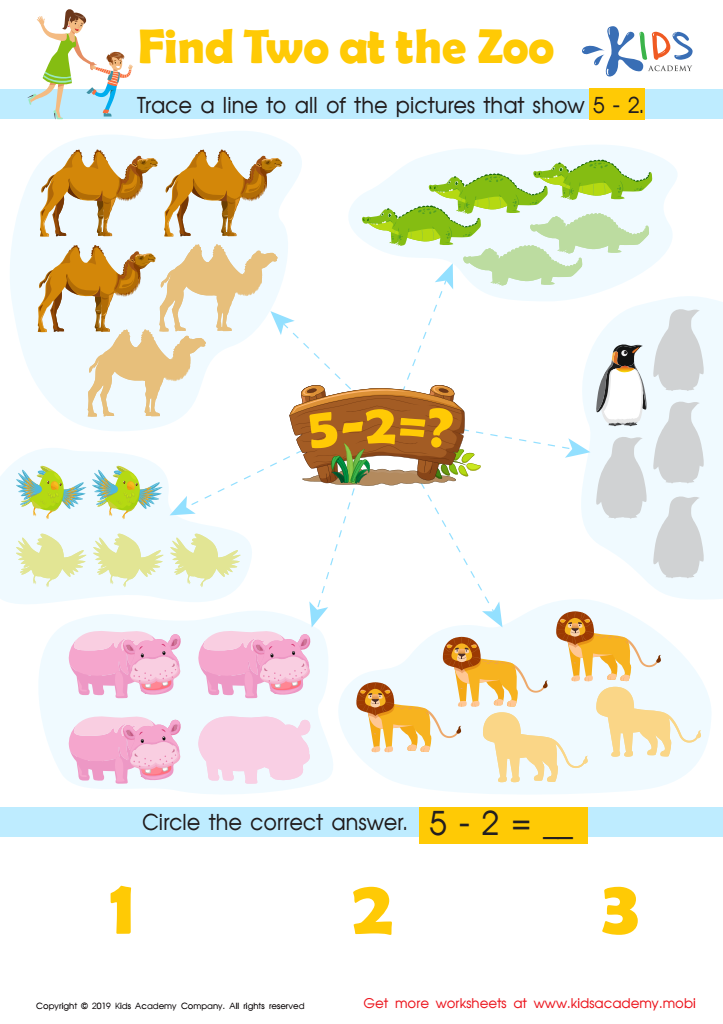
Find Two at the Zoo Worksheet
 Assign to My Students
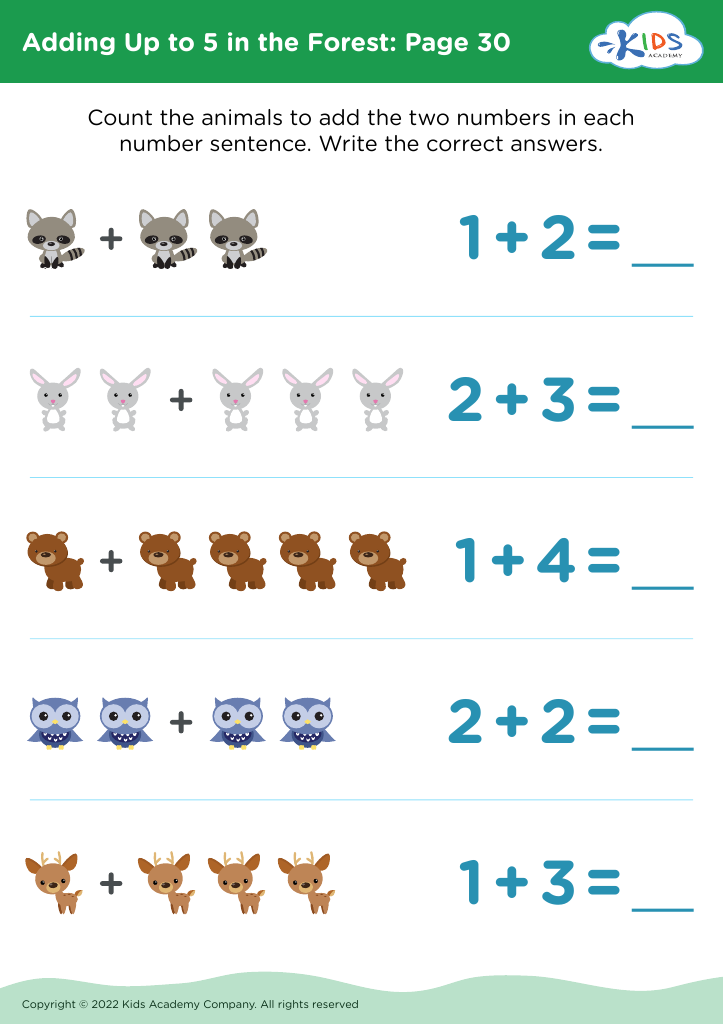








Understanding basic arithmetic concepts like addition and subtraction while also recognizing animals can be highly beneficial for children ages 3-7. At this developmental stage, young minds are naturally curious and eager to explore the world around them, making it an ideal time to introduce foundational math skills. Also, children have a natural affinity for animals.
Combining the mathematical concepts of addition and subtraction with animal identification serves multiple educational purposes. Firstly, it creates an engaging and relatable learning experience. Animals captivate children’s interest, making the process of learning math feel more like play than work. This increased engagement can bolster concentration and reduce resistance to learning.
Additionally, the ability to understand and perform basic arithmetic lays the groundwork for more advanced mathematical concepts later in life. Early exposure to these skills can improve cognitive development related to problem-solving, logical reasoning, and critical thinking. Moreover, animal recognition can expand a child’s vocabulary, knowledge of the natural world, and observational skills.
In summary, intertwining animal identification with addition and subtraction captivates children's interest while simultaneously building essential mathematical and cognitive skills. This dual-benefit approach provides a robust educational foundation, making it an excellent strategy for early childhood educators and parents to consider.








